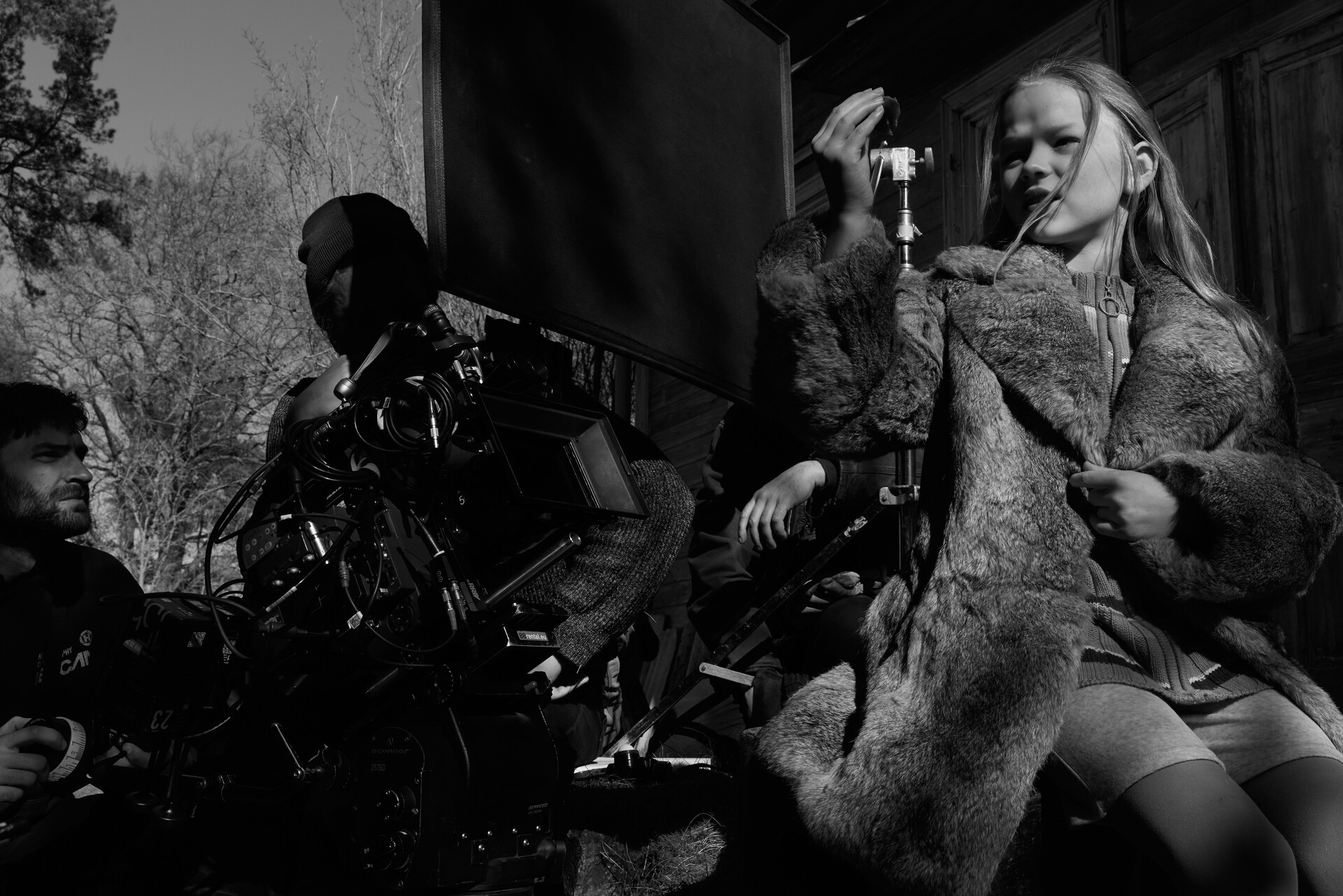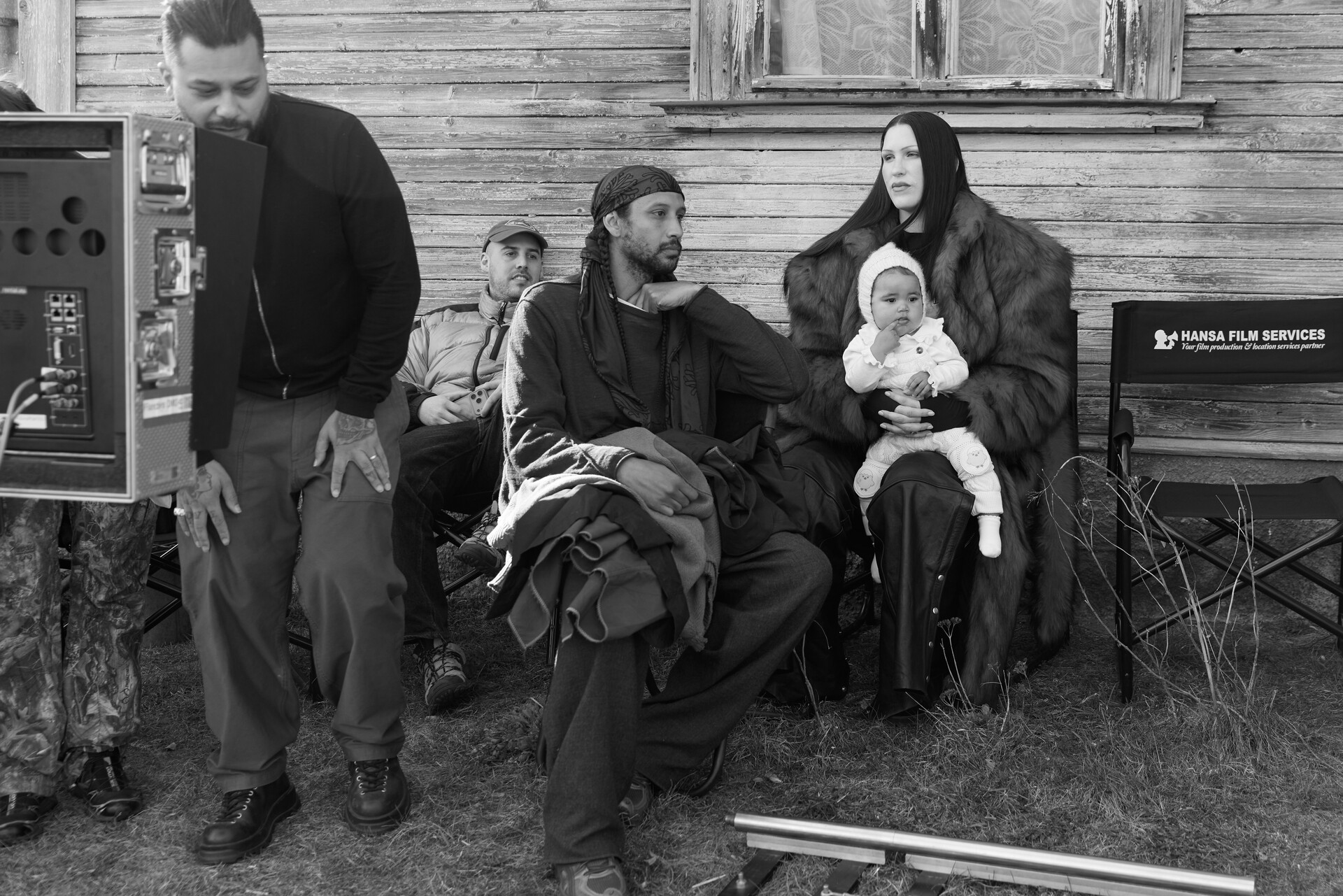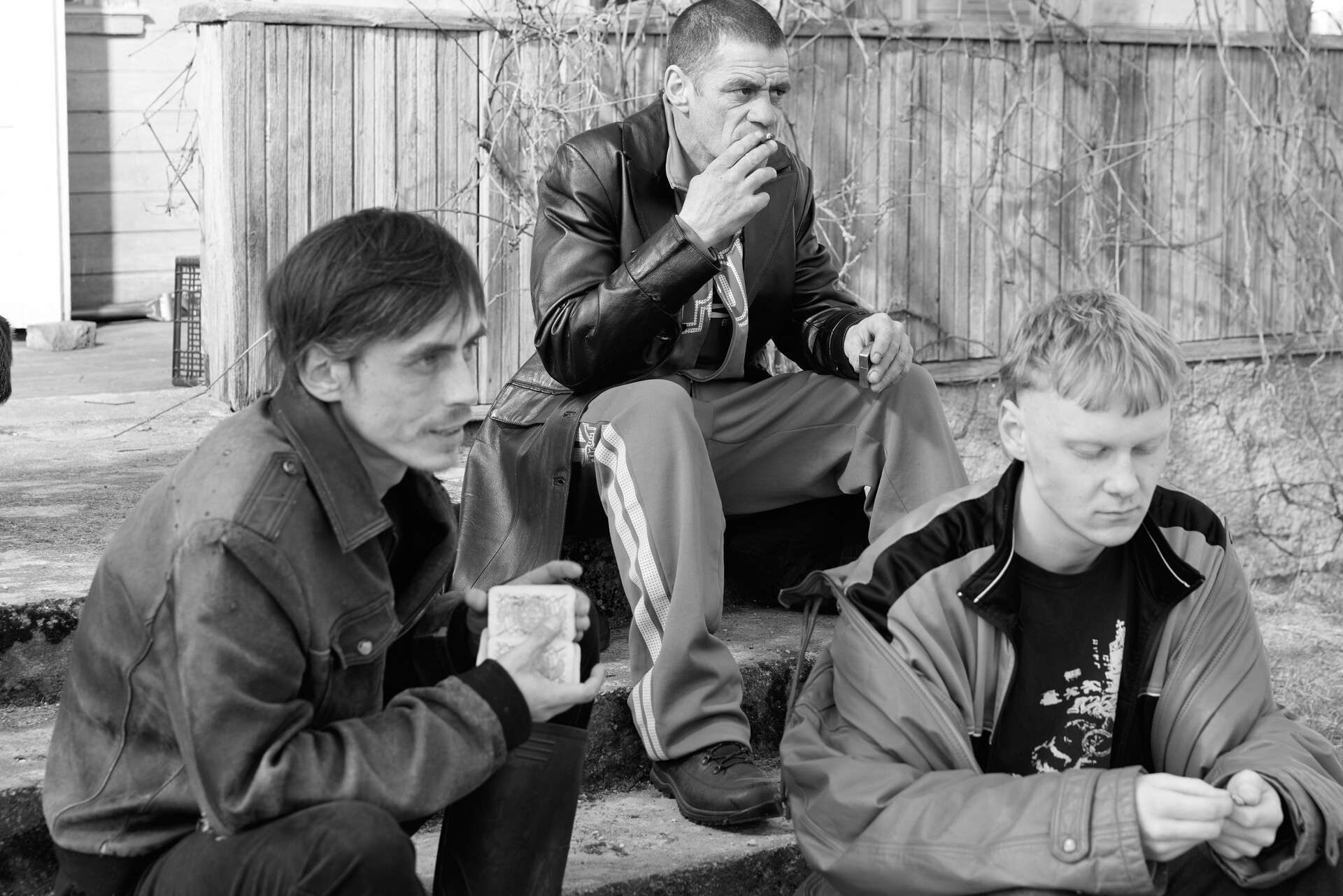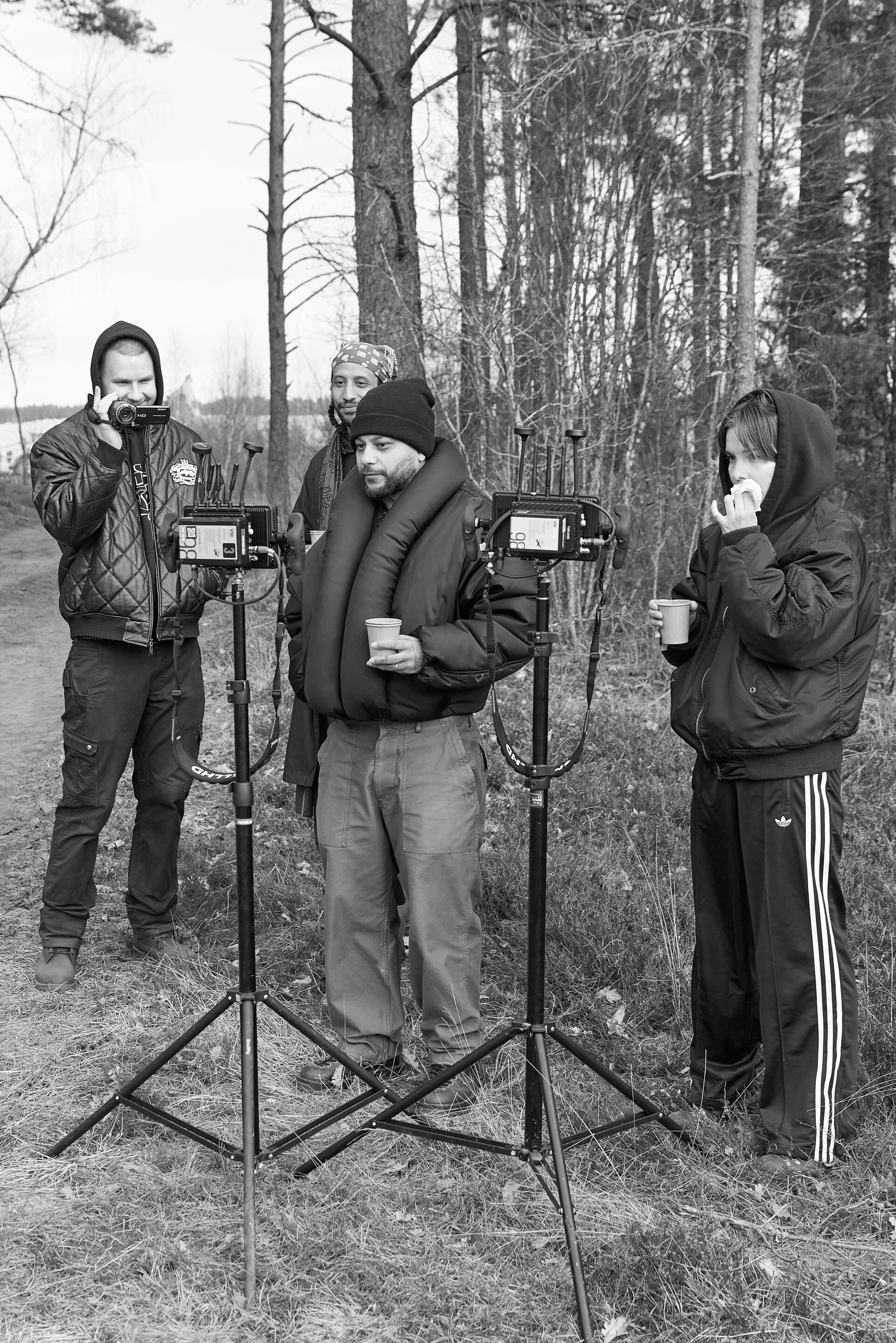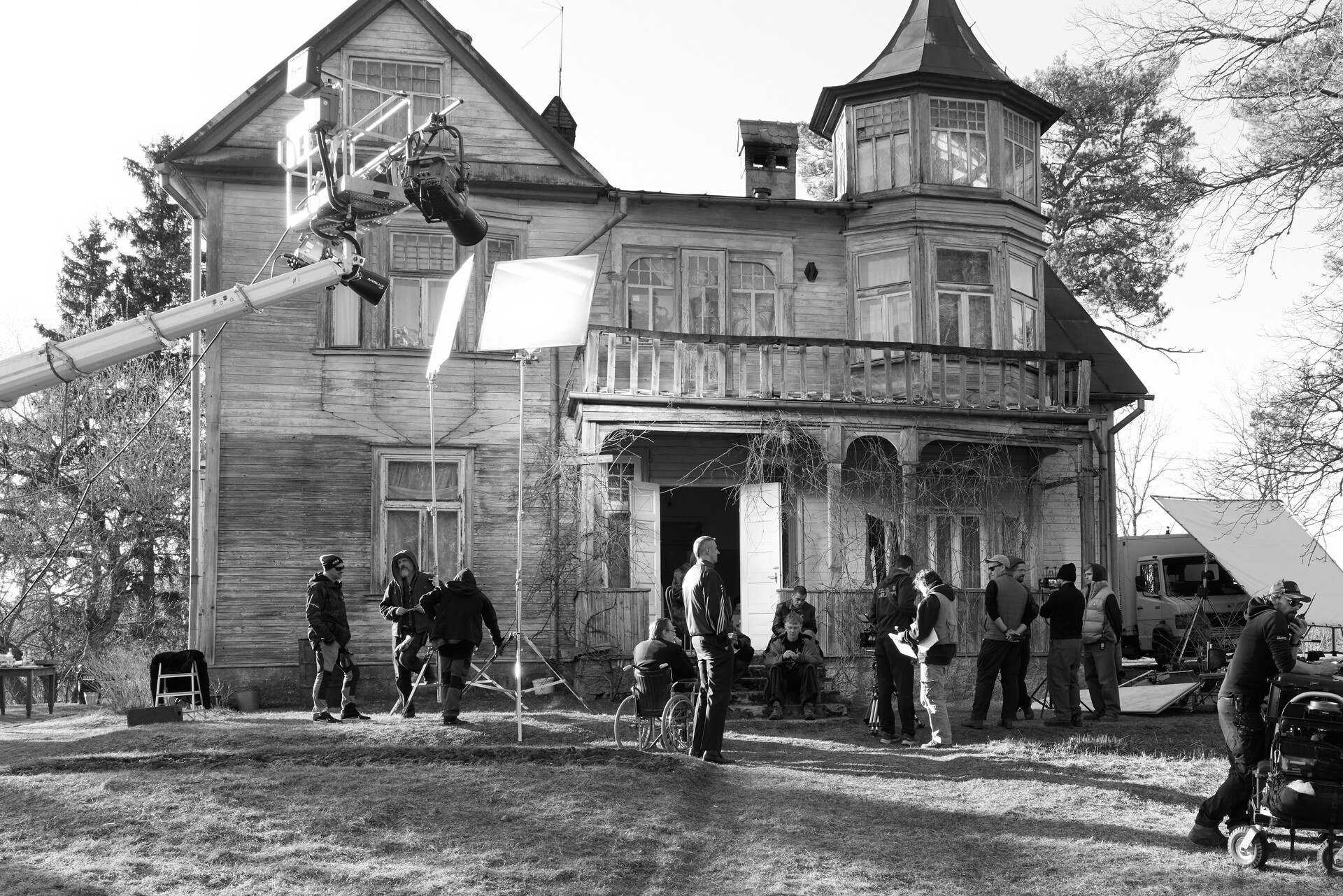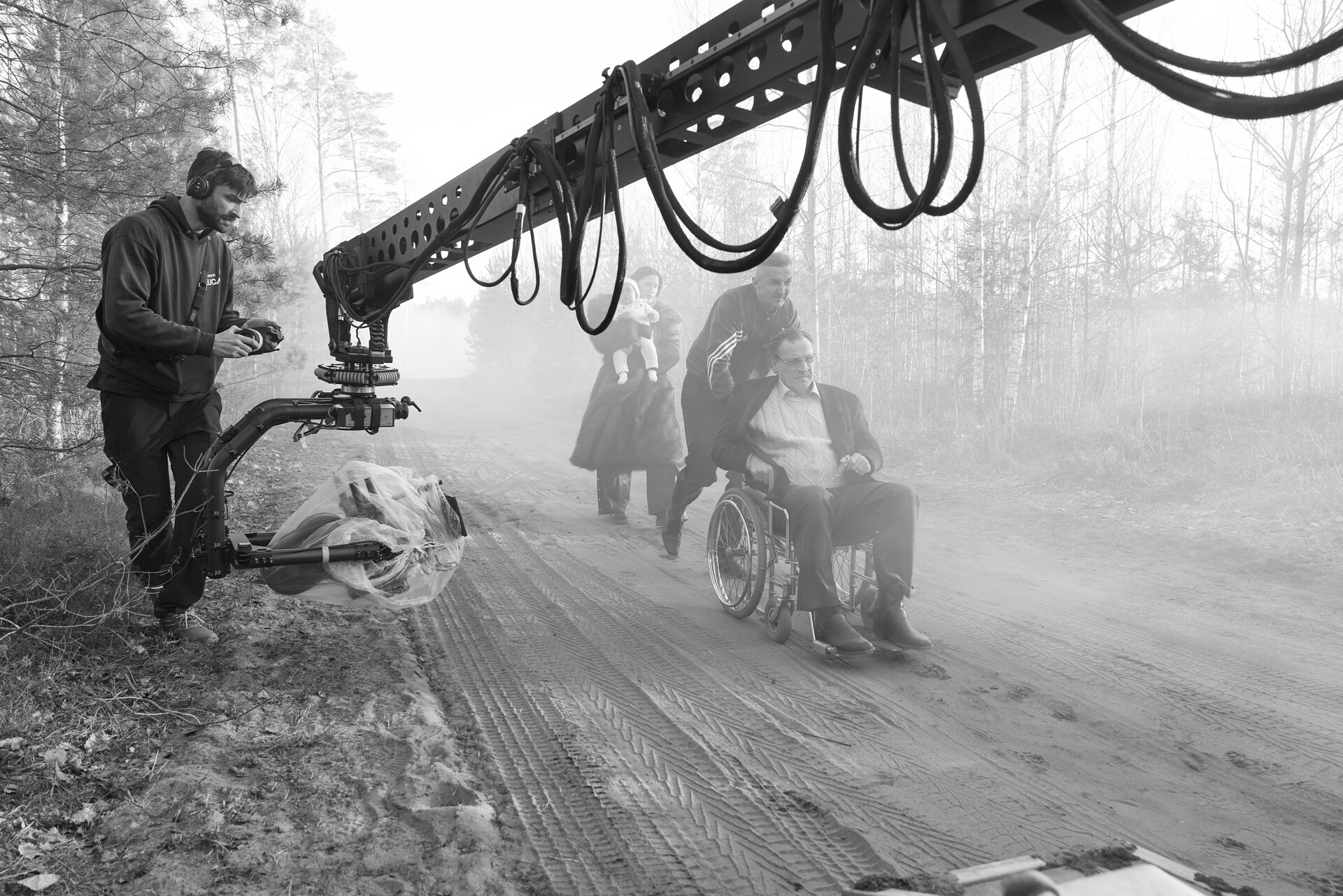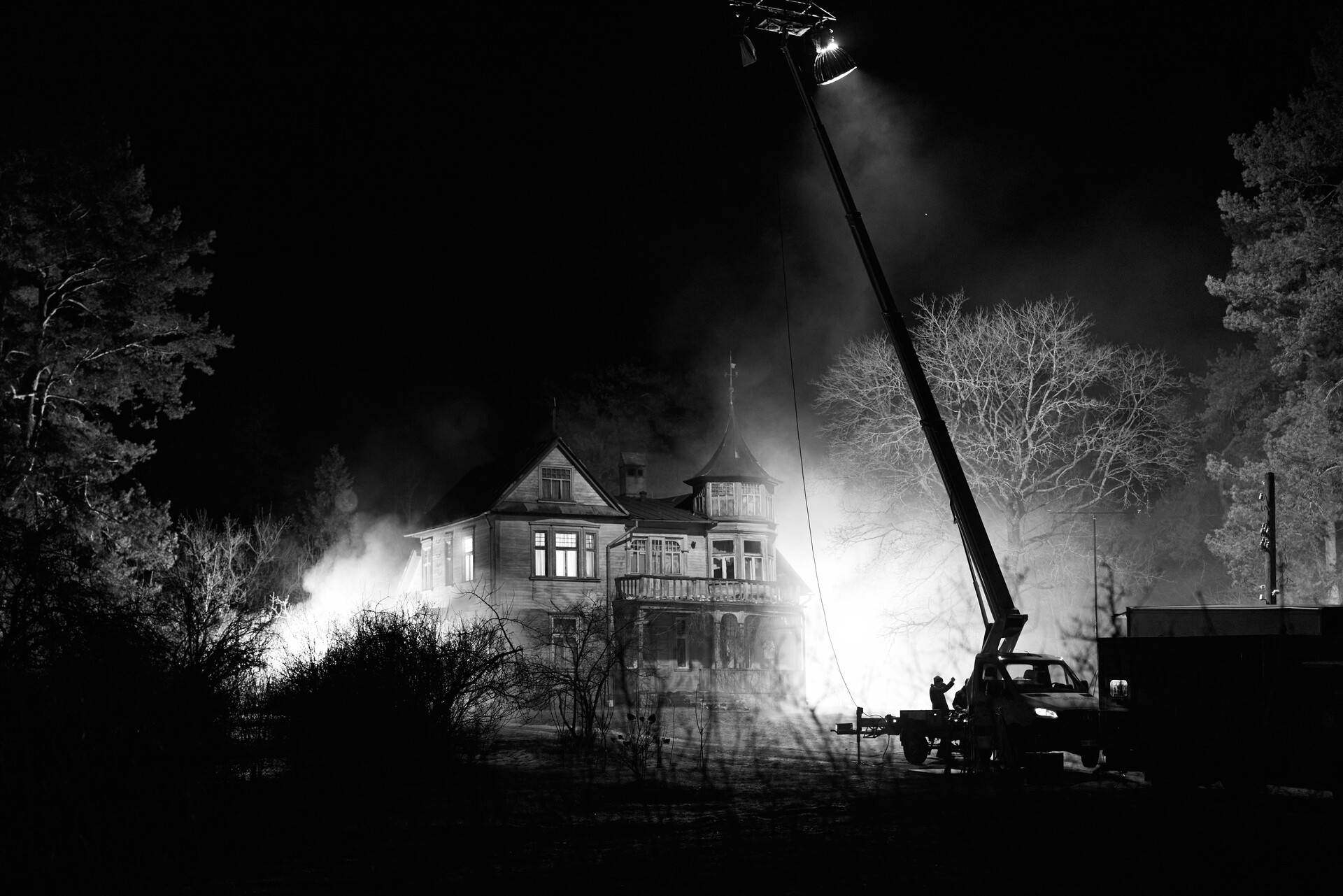

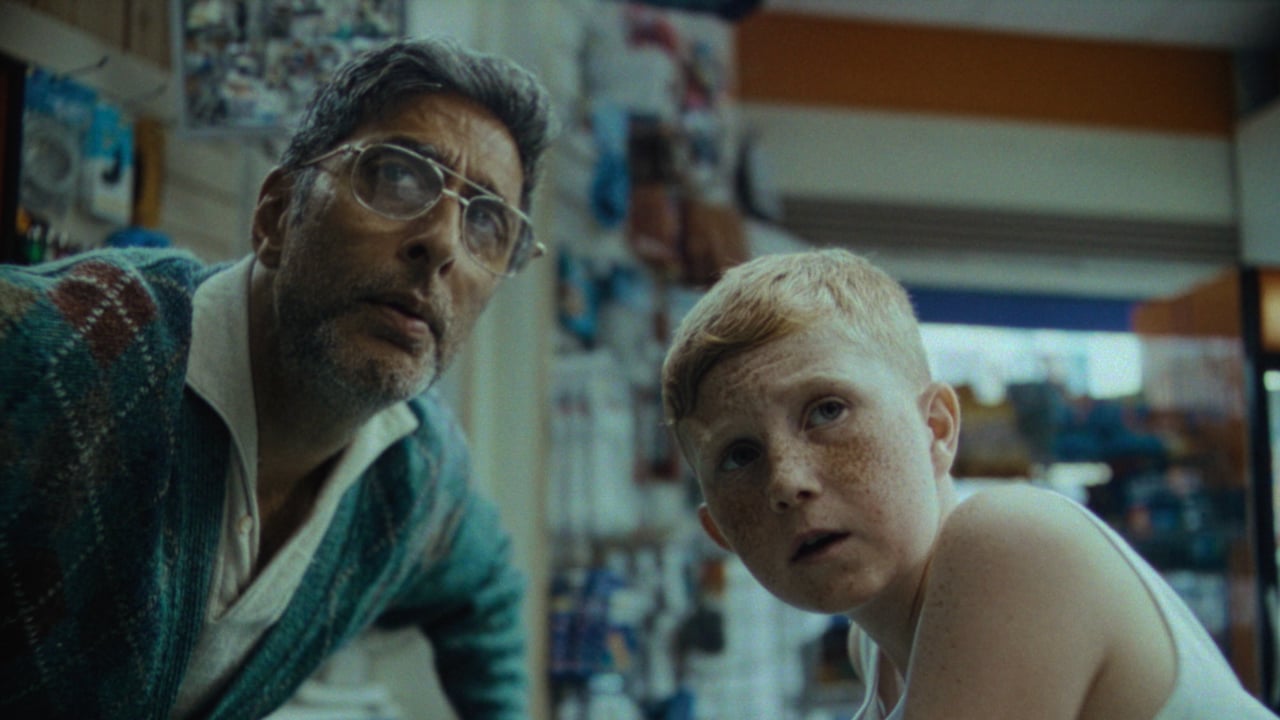
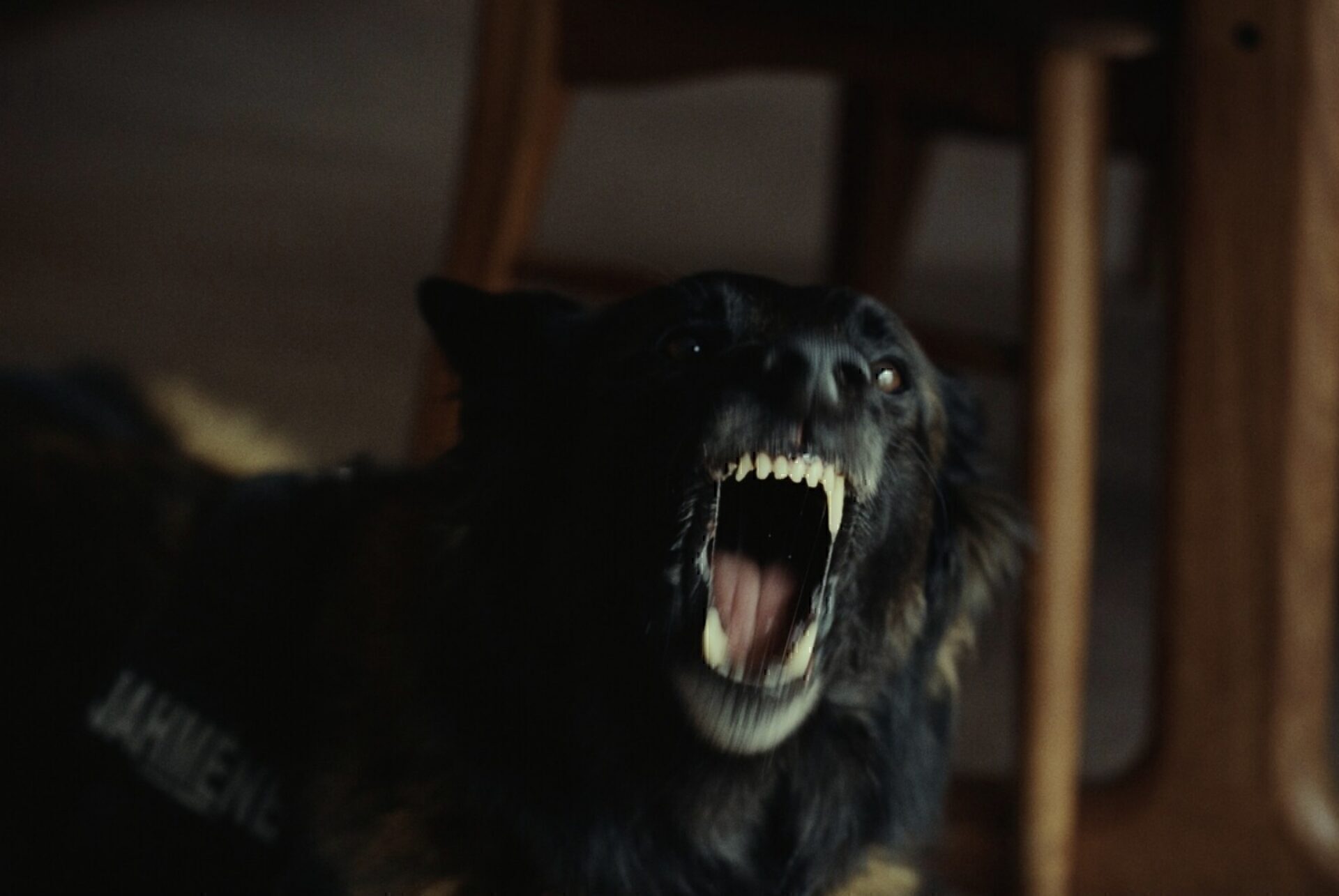
K-9INE! Short Film
Last time we spoke, you described yourself as a “naive artist” who didn’t really know the rules. Three years and a lot of major work later, can you still claim naivety?
I think I know the rules now. I’m just better at ignoring them.
The useful bit of naivety is still there, not knowing too early what something is supposed to be.
Recently, you’ve gone from the beautifully observed Burberry vignettes to the strange world of Eartheater and the cinematic mischief of Audi’s After Dark. Have you become more confident moving between tones, or simply better at recognising what each story needs?
I think one of my strengths has always been that the work can move around a lot in subject, scale and tone, without losing my voice.
I’m less interested in having a recognisable look than a recognisable way of seeing things.

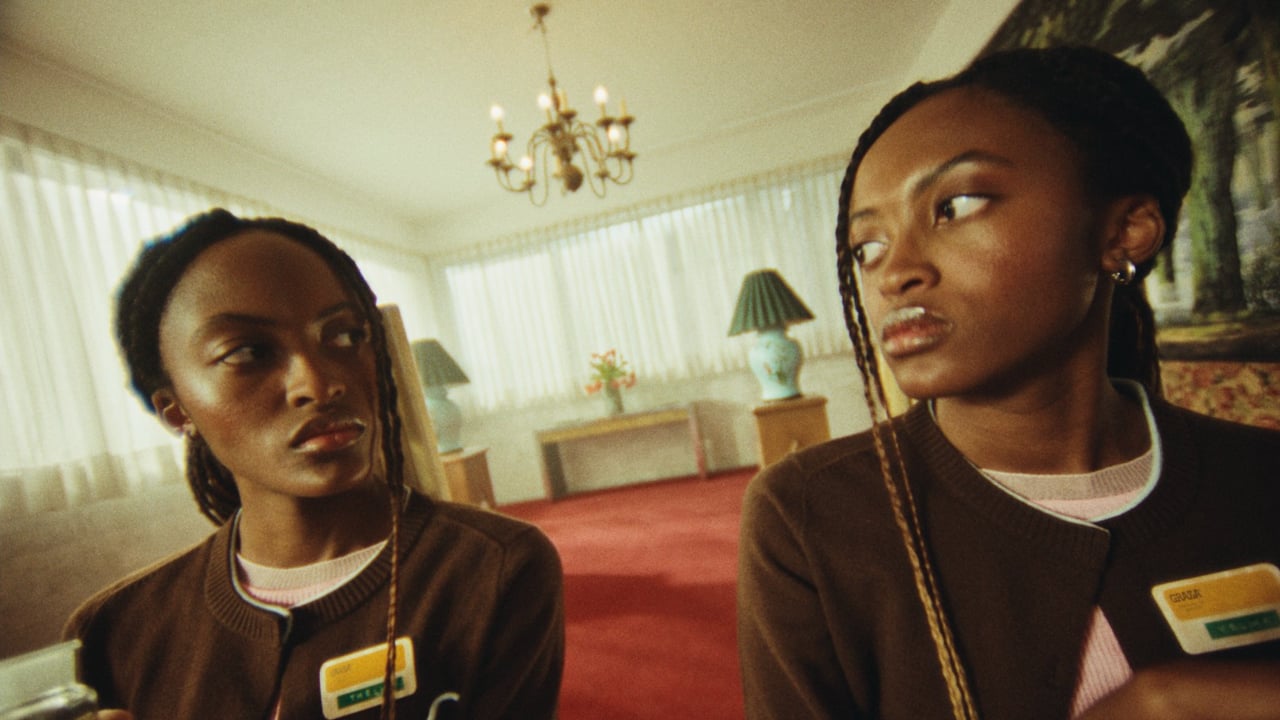
Burberry – Good Sports
And then there’s K-9INE! — your first narrative short. Why did narrative feel important to tackle now?
It felt overdue.
I’d spent years circling narrative, stealing bits of it for commercials and music videos, then leaving before it got difficult. I wanted to stay in the room a bit longer. See if I could actually carry something all the way through.
You’ve said K-9INE! feels most unmistakably like your own voice. What did you discover was yours once there was no brand, artist or brief between you and the film?
Probably the wonkyness. The little power games people play without really admitting they’re playing them.
And a lot of where I’m from. I think once there was nothing between me and the film, I stopped trying to disguise that quite so much.
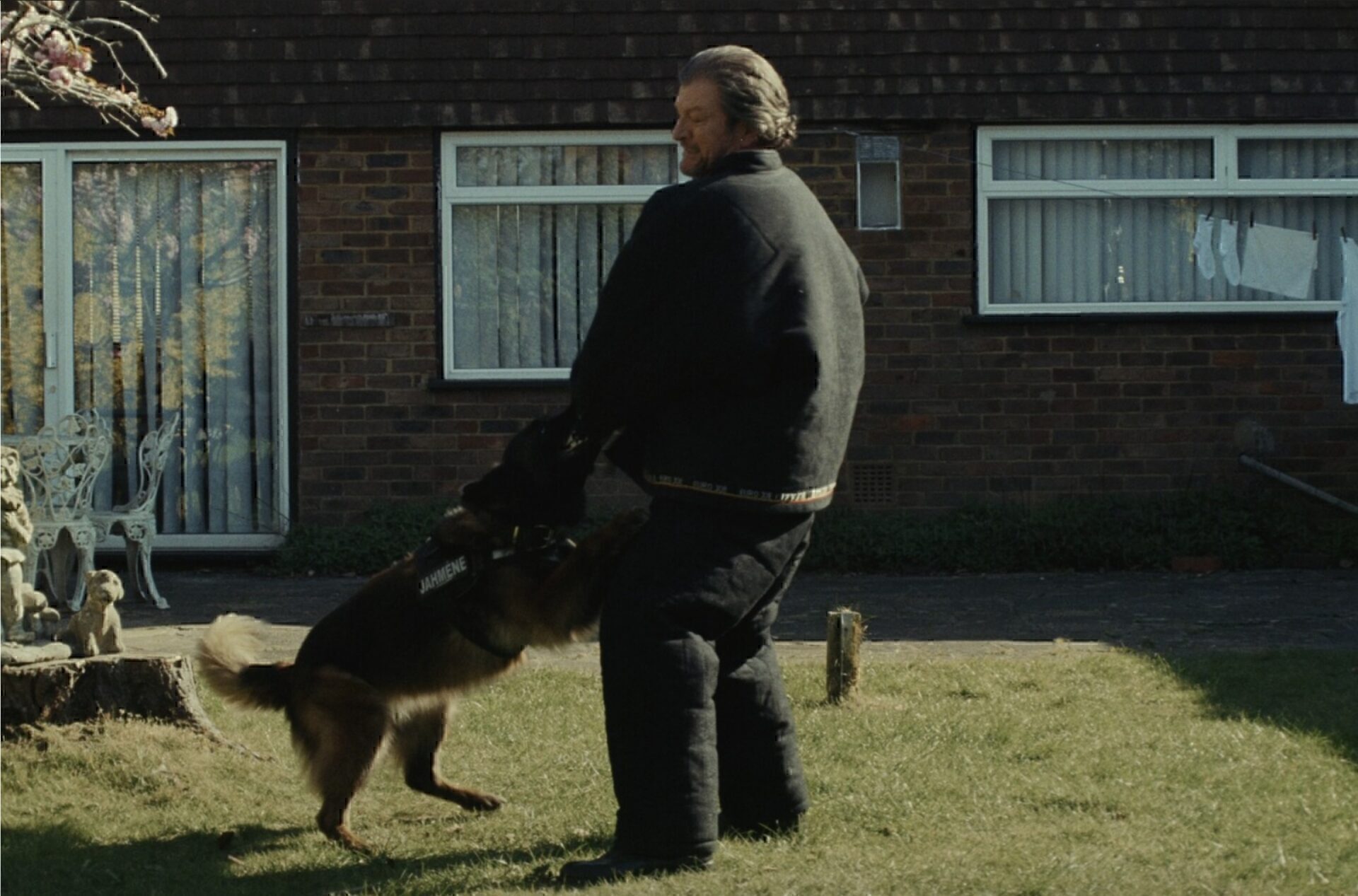
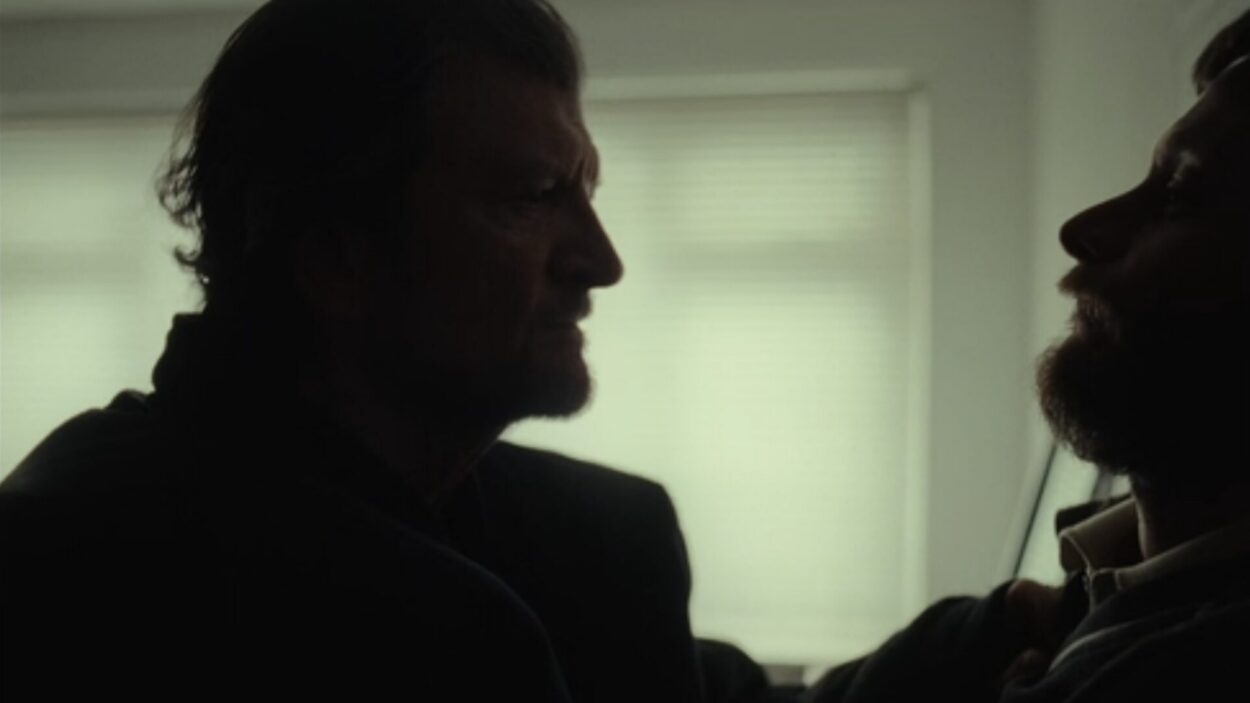
K-9INE! Short Film
There’s something very Elliott Power about taking a completely ordinary encounter, a bloke knocking on a door, and making it feel dangerous, funny and surreal. Why are you so drawn to making the everyday feel loaded?
I think that comes from growing up in Brentford.
You’d be outside the off-licence or in someone’s front room and nothing was really happening, but you could feel when the mood had shifted. A joke would land slightly wrong. Someone would go quiet. Someone else would stay a bit too long.
That feeling has probably stayed with me, the ordinary becoming charged before anyone admits it has.
You describe the film as a psychological standoff, but there’s also something quite tender underneath it: two lonely men who need very different things from that encounter. Was that emotional layer always there?
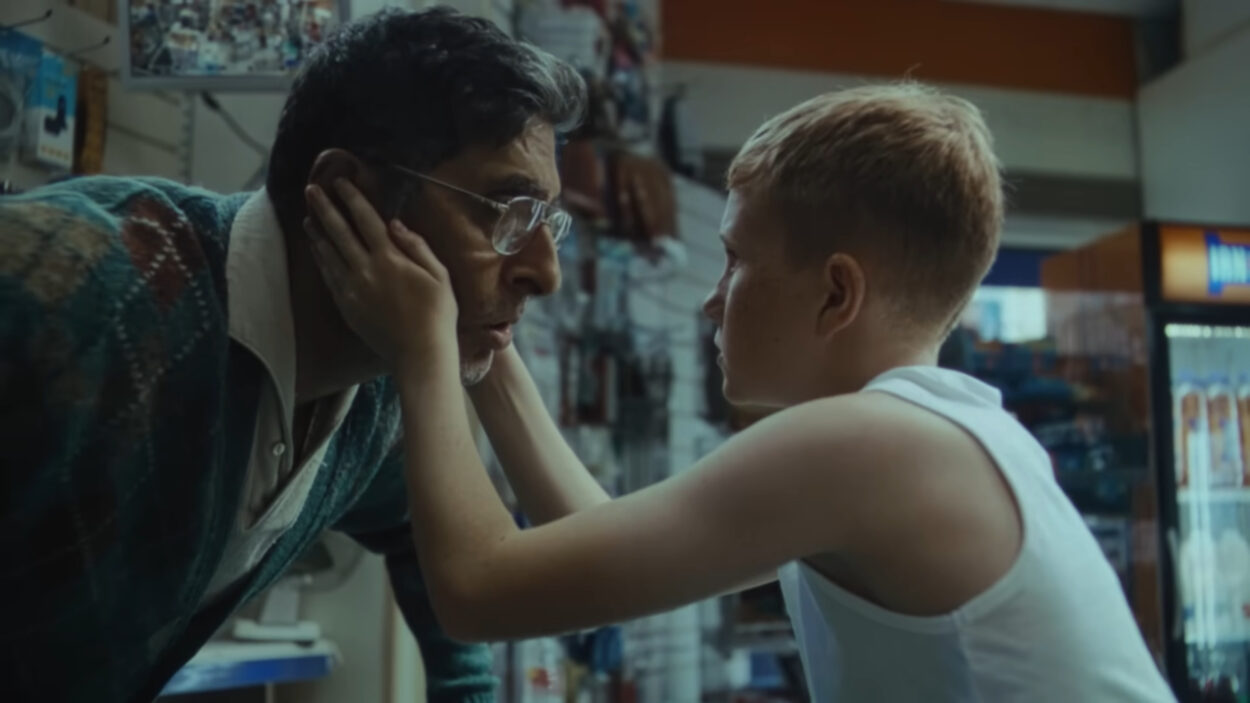
Yeah. With K-9INE! I was interested in how quickly a very ordinary exchange between two men can become a contest. One of them wants control, the other wants connection, and neither of them has the language to say that plainly. So it comes out as suspicion, performance, little tests of each other. That felt very tied to the kind of masculinity I wanted to look at.
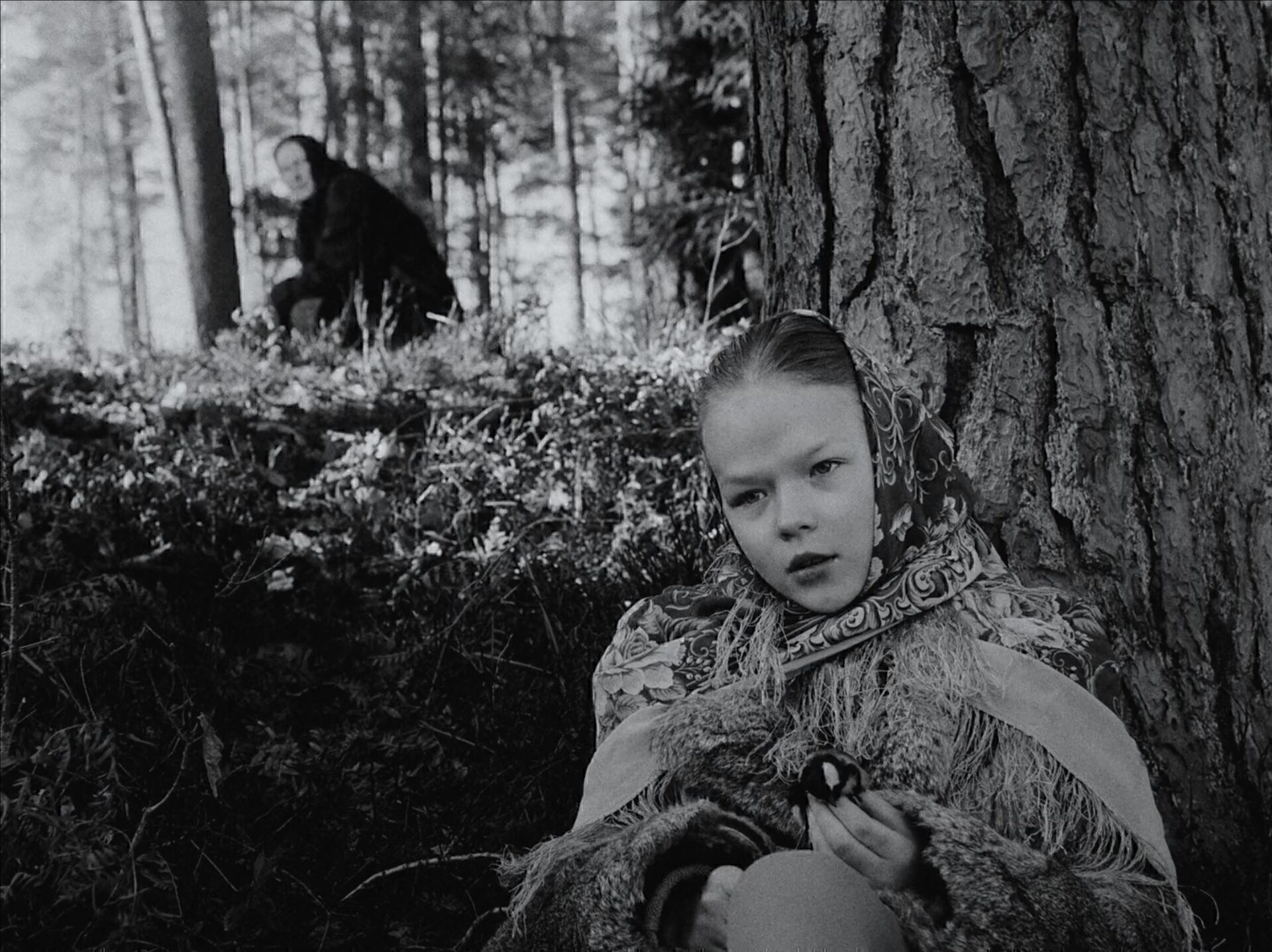
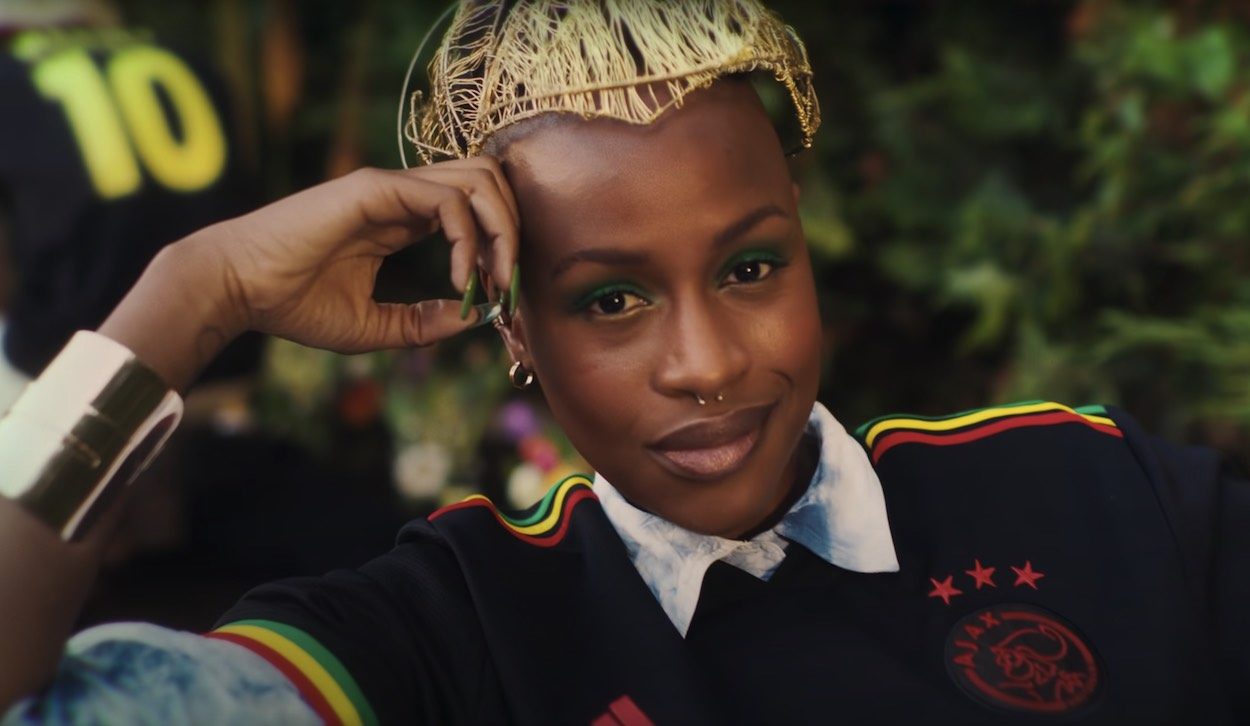
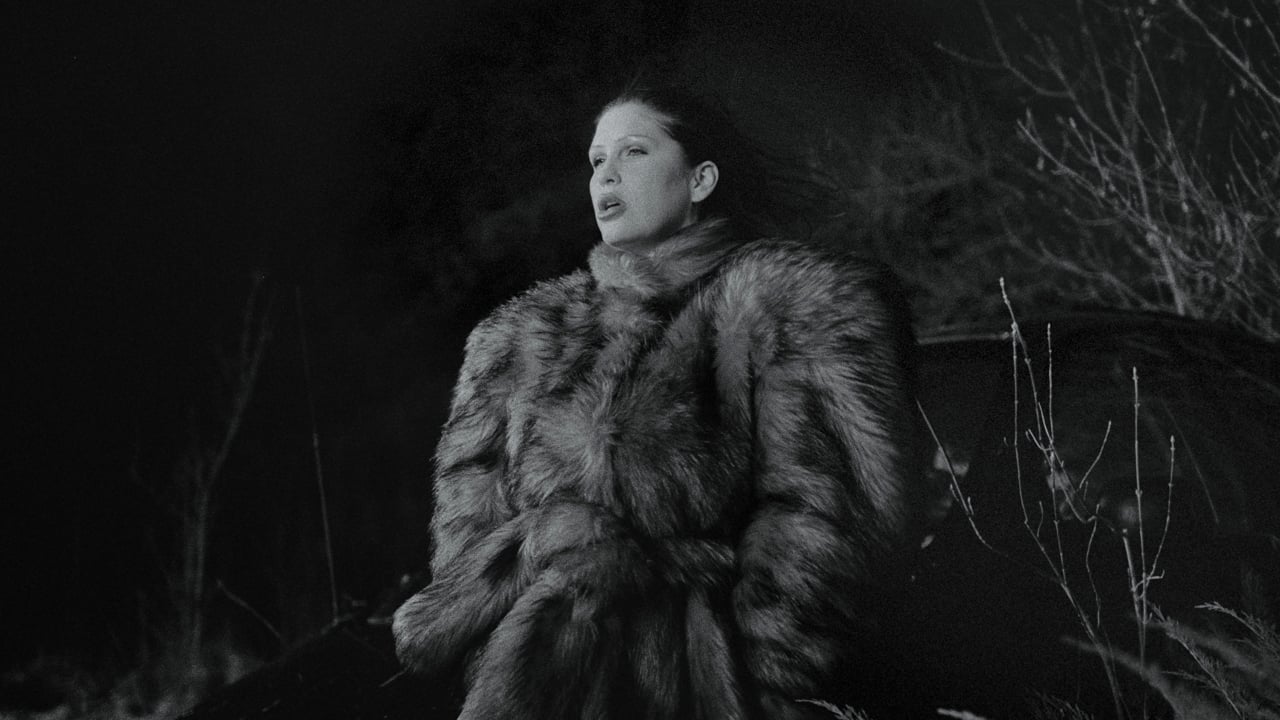
Eartheater – Paradise Rains
You’ve talked before about distilling an idea and stripping away anything that doesn’t serve it. Did having eleven minutes to linger change that discipline at all?
If anything, it made me more ruthless.
Having eleven minutes doesn’t mean you need to fill them. It just gives you more time to hold on to the right things, a look, a silence, someone not leaving when they probably should.
You’ve said the biggest lesson was learning to trust the audience. Were there moments in the edit where you were tempted to make something clearer and deliberately resisted?
I wasn’t tempted to be honest. With Roy and Tea Leaf, I wanted to leave in the bits that made me slightly uneasy, the pauses, the contradictions, the things you can’t quite account for. That felt closer to how I actually see people.
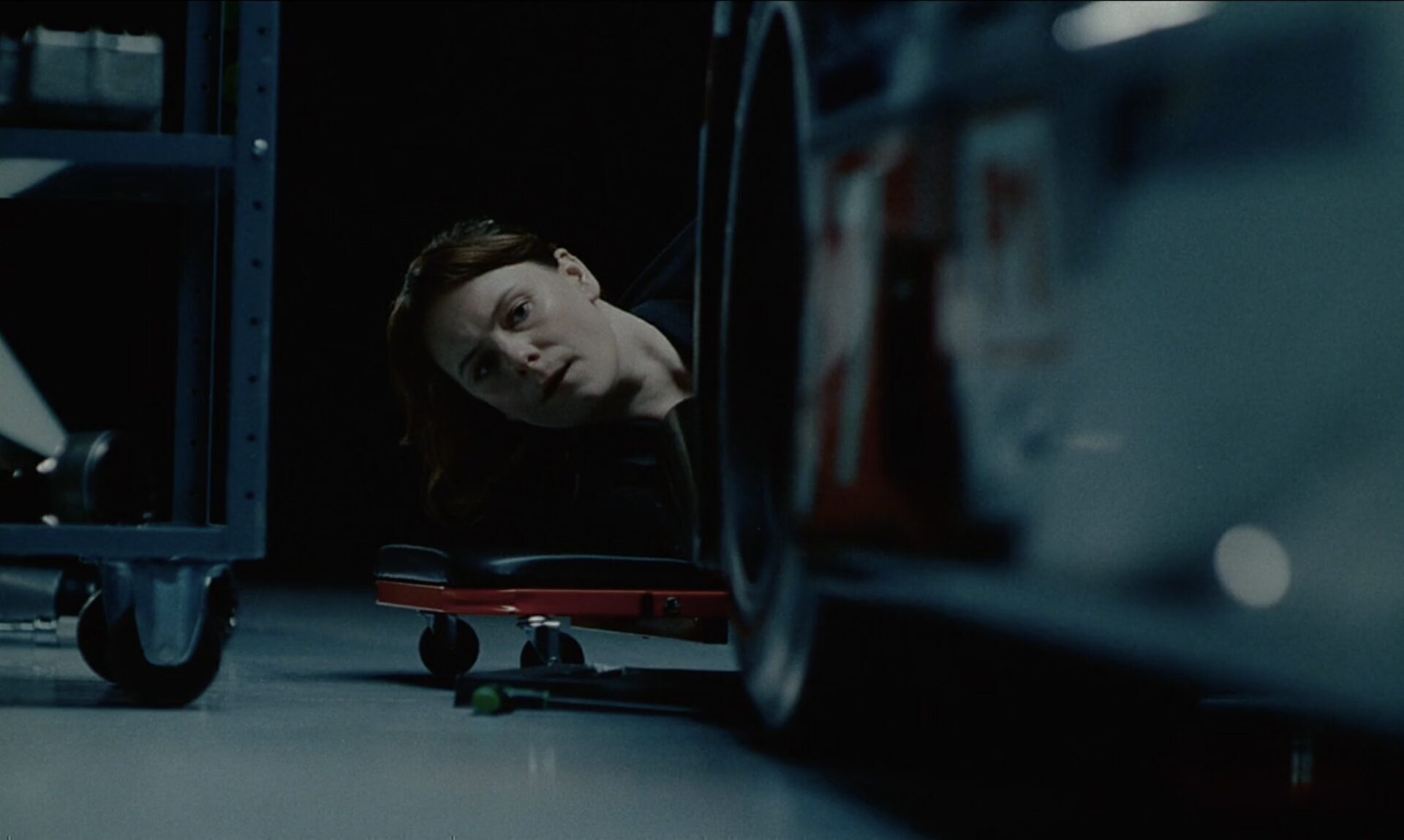
Audi – After Dark
Did making your own narrative change the way you went back into something like Burberry or Audi afterwards?
Not really. I think it confirmed that I was already working in the same way.
The scale and format change, but I’m still looking for the same things, behaviour, tension, rhythm, and the odd detail that makes something feel true.
You’ve always moved freely between music, photography, commercials and film. Has creating K-9INE! shifted where you want to take your work next?
I don’t think I’m built for one lane. I need different forms to keep each other honest.
Photography teaches me to look, music lets me work more instinctively, commercials sharpen the discipline. Narrative gives me somewhere to let all of that sit together for longer.
So yeah, I definitely want to make more films. I just don’t want that to mean giving everything else up.
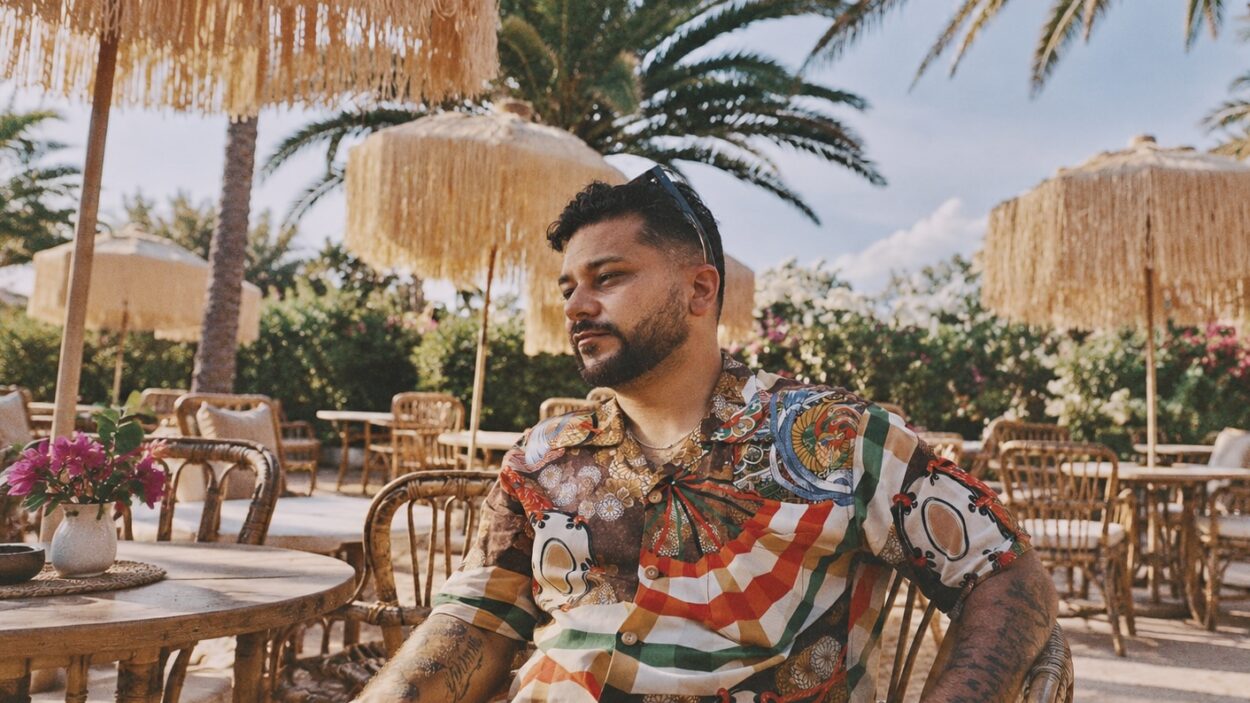
Before you go, we need to talk about that shirt 🙂….
This shirt is from Sun Surf a Japanese brand that faithfully reproduces Hawaiian shirts from the 1930s through 1950s
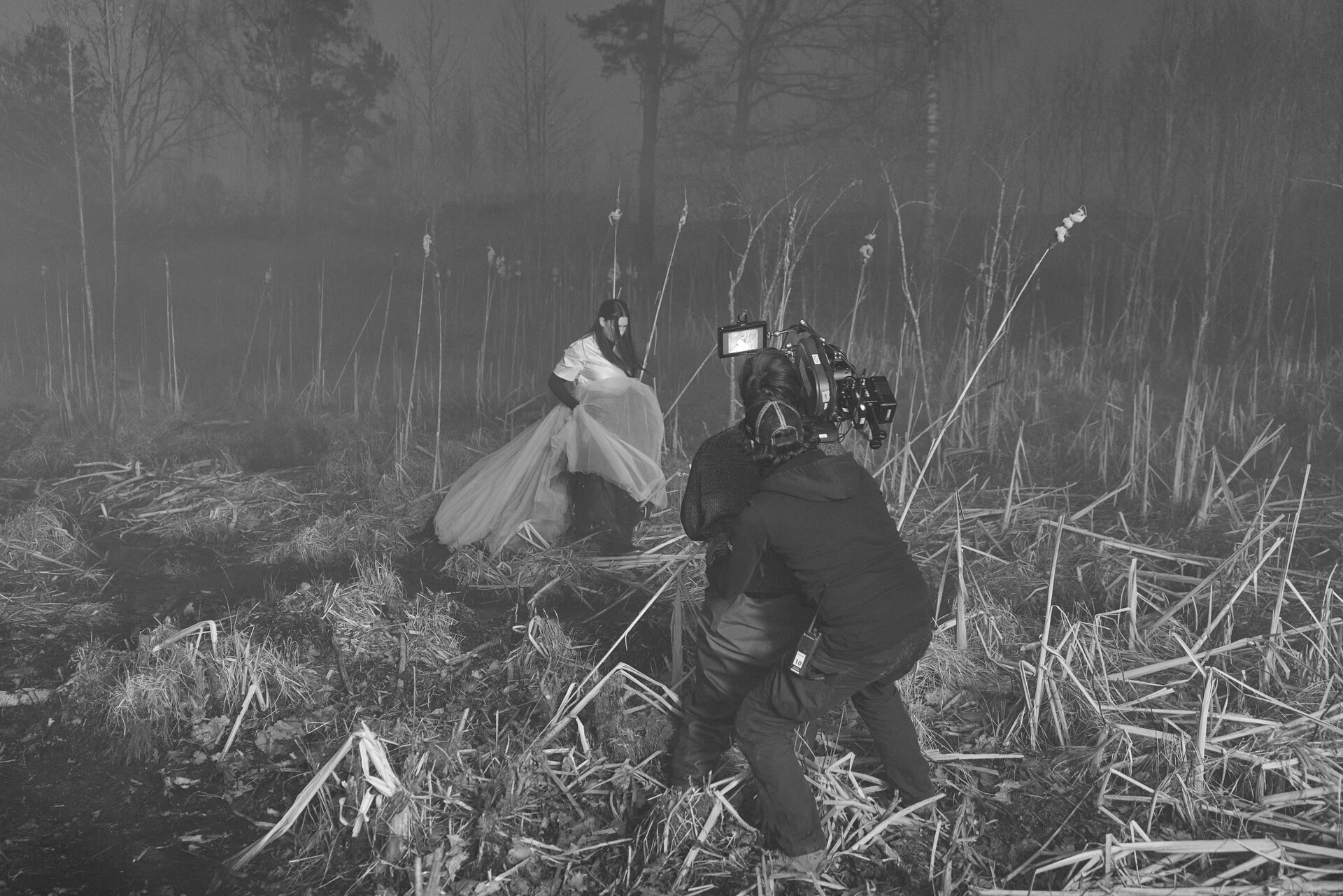
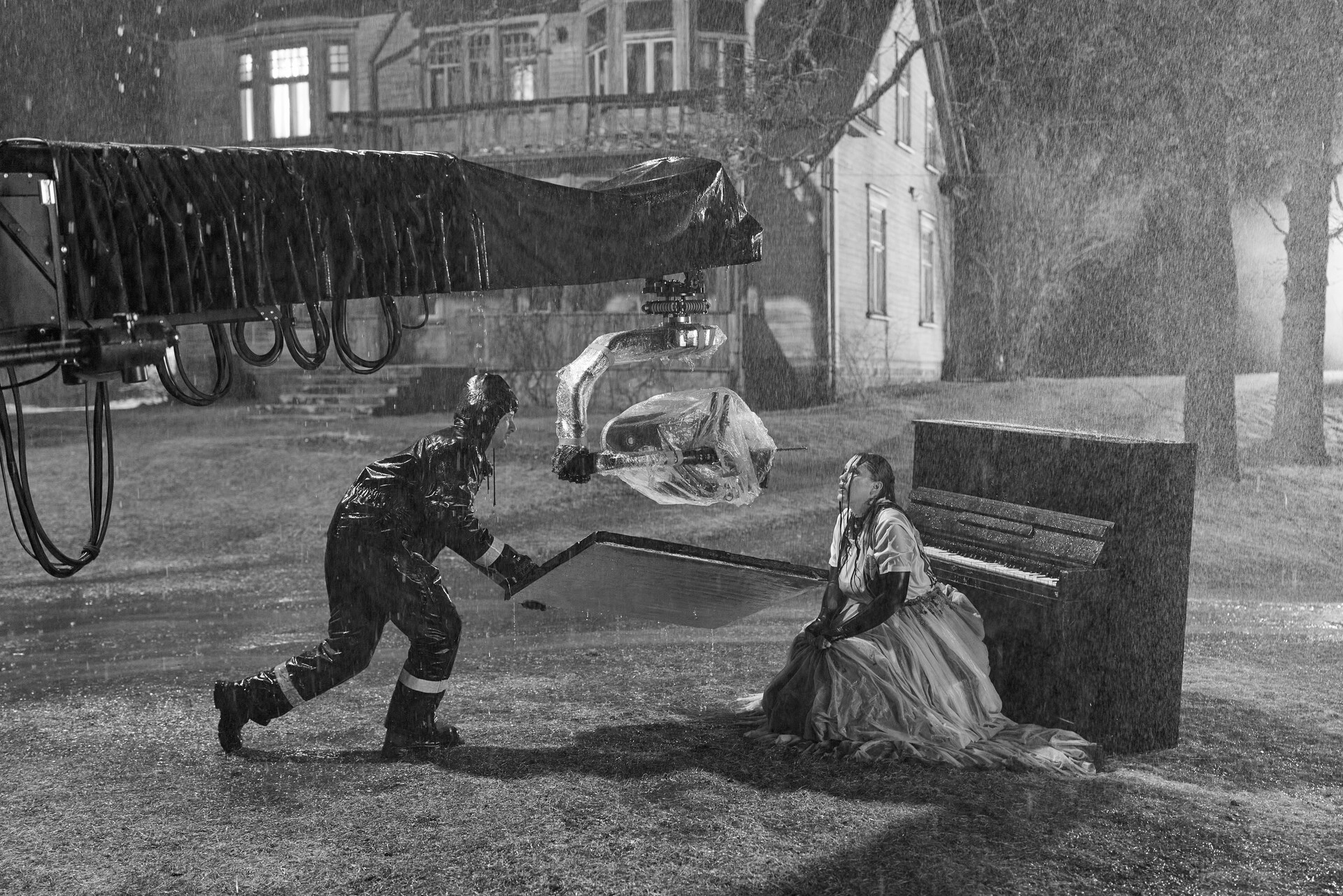
BTS stills from Eartheater – Paradise Rains shoot