
Macarena Rubio
How did you become a director?
Maca: My grandparents were a huge inspiration for me. Their house was always this eclectic, special place, full of textures and memorabilia. My grandmother read books the way we send text messages today, constantly, almost compulsively – and my grandfather was a music obsessive with thousands of vinyl records and CDs. So visiting them was like walking into a library and a record store at the same time.
Outside of them, my family has nothing to do with images, they’re all in business, so it was a bit of a surprise that I ended up so drawn to cinema. At 18, I told my father I wanted to study architecture or film. He was thrilled about the architecture part. Film, not so much.
I went to film school and graduated as a director in Buenos Aires. Advertising was kind of an accident – to get a foot in the door, I started as a producer. I did that for about four years, until one day I’d had enough of Excel spreadsheets. I think I was “too creative” for the job.
Were you drawn to the idea of learning through failure in Broken Pots?
Definitely. That was the concept I wanted to explore.
It began in a very physical, material way, because the artist had been having a lot of accidents and his body kept breaking.
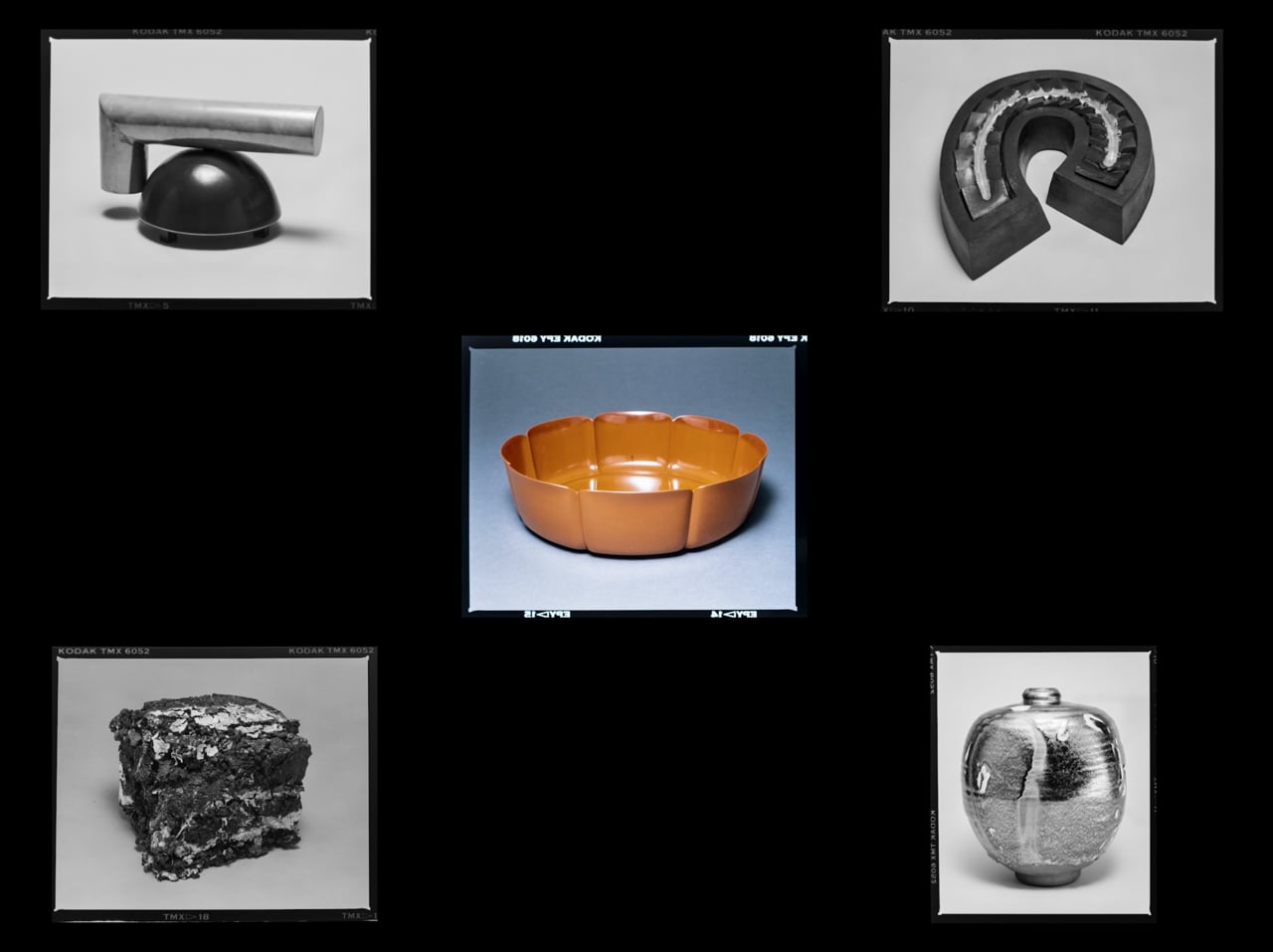
He told me that every time he came back to the ceramic studio, he felt like a different person, as though he had something new to talk about. So the idea grew from there: a bunch of broken pots becoming something new, a new idea, a new version of someone, and ultimately a new piece.
The concept also applies to me right now. Thinking about breaking away from the things I already know in order to do something else, taking those risks… I think it’s quite a complex idea to summarise.
Gasper’s notebooks
Did the story begin with a script or with the images?
It was more the latter. It was very amorphous – if that’s a word in English.
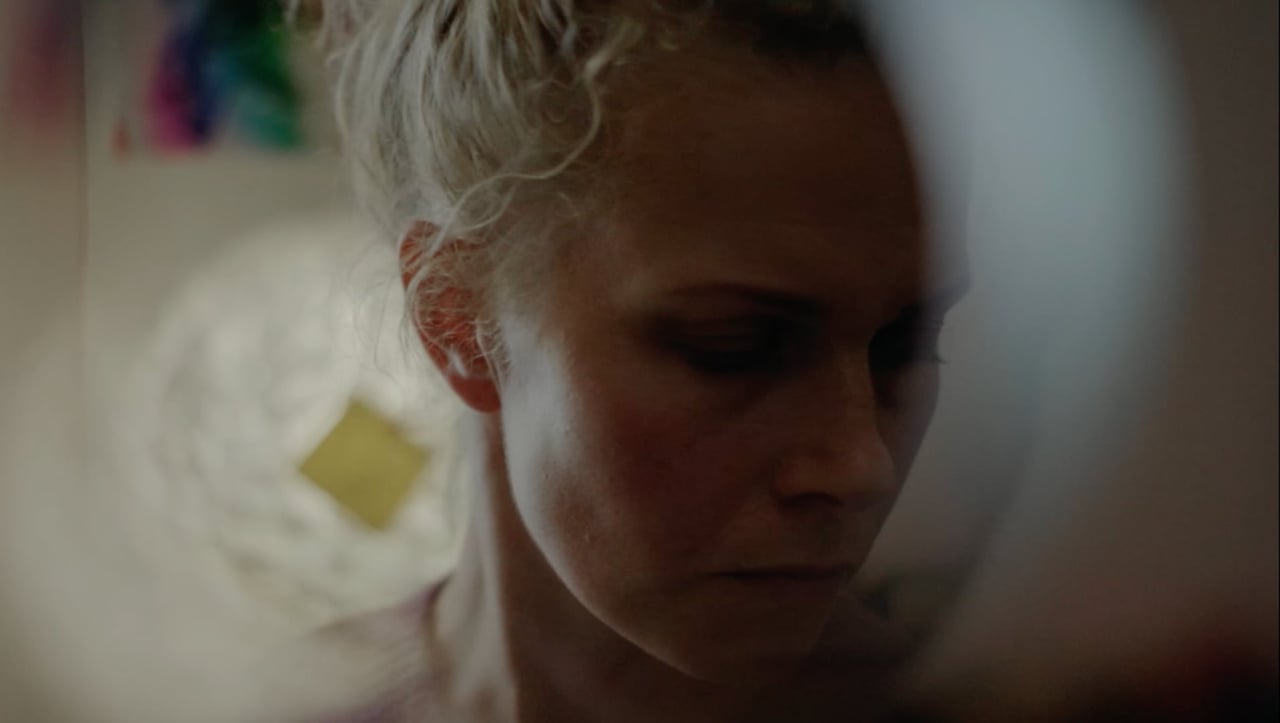
It actually started with the idea that I wanted to shoot his final ceramic piece and then work backwards through all the other pieces he had made, broken, and eventually used to create this new one.
We shot that in one day in his studio on 16mm. We knew we wanted to portray this still life, and then the idea of breaking that still life.
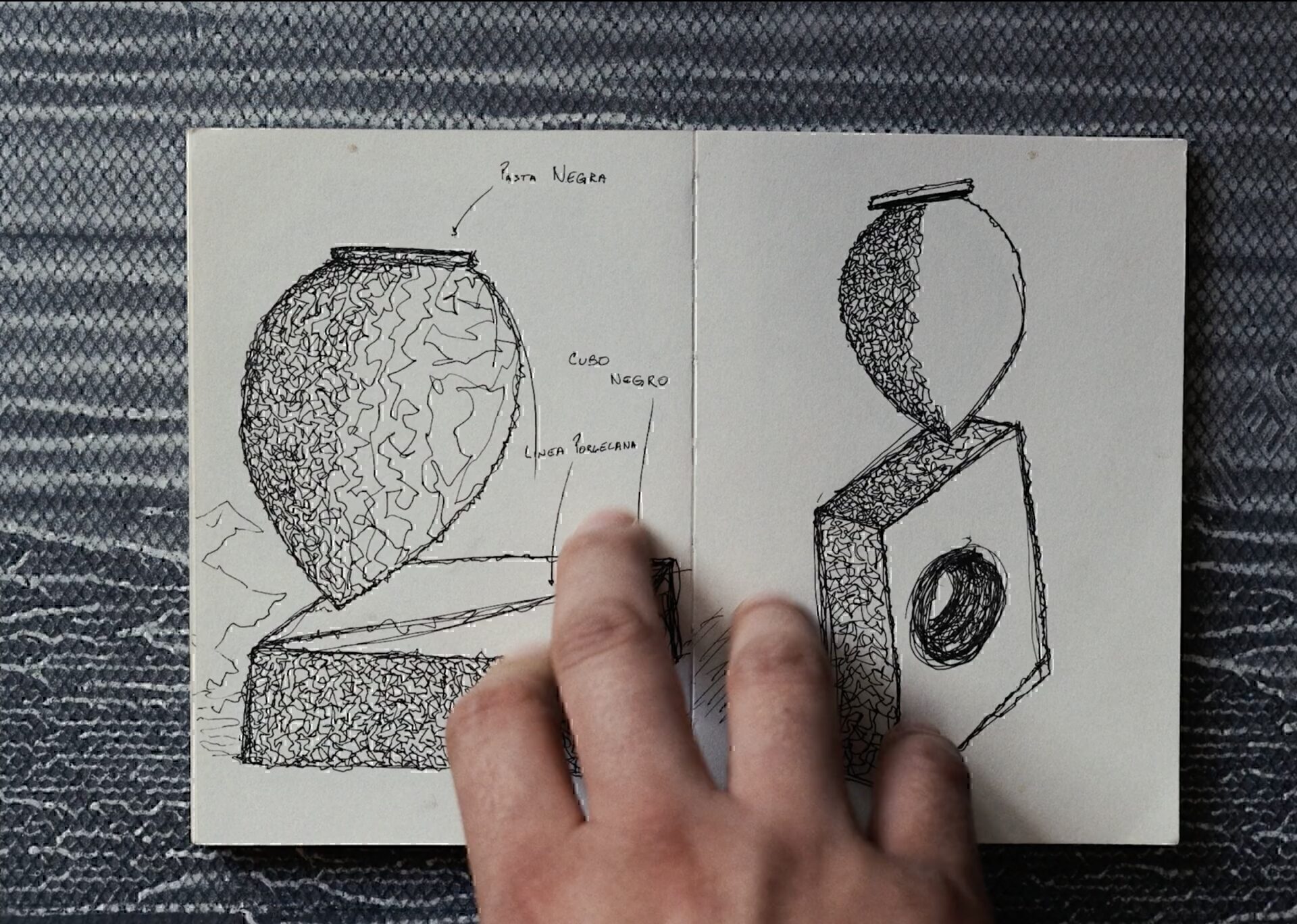
The script came later, once I saw the footage. Gaspar also gave me his sketchbooks, and looking through them was very intimate because I got a glimpse into all these personal stories.
I started to see this pattern of breaking, and the way he was feeling, and that’s when the script and the words came.
Again, I feel like the central idea of the film, this bunch of broken pots, also came through the collaboration itself. There were all these different parts coming together: Gaspar, the DP, the musician, the editor. We were all bringing our own little broken parts and putting them together to create this piece.

“With every crack they transformed into something else”
When do you begin thinking about cuts, pauses and rhythm?
It’s inherent, it starts with the very first images I have in my head, before there’s even a script. I grew up admiring directors like Fellini, Antonioni – filmmakers with an exceptional command of silence, of dancing along the edge of what’s real and what is not. Over the years I understood that it’s that material, the pauses, the breathing, that lets the spectator step into another state. These days I shoot b-roll specifically to build those moments, though accessing the world of dreams still feels like a lifelong task.
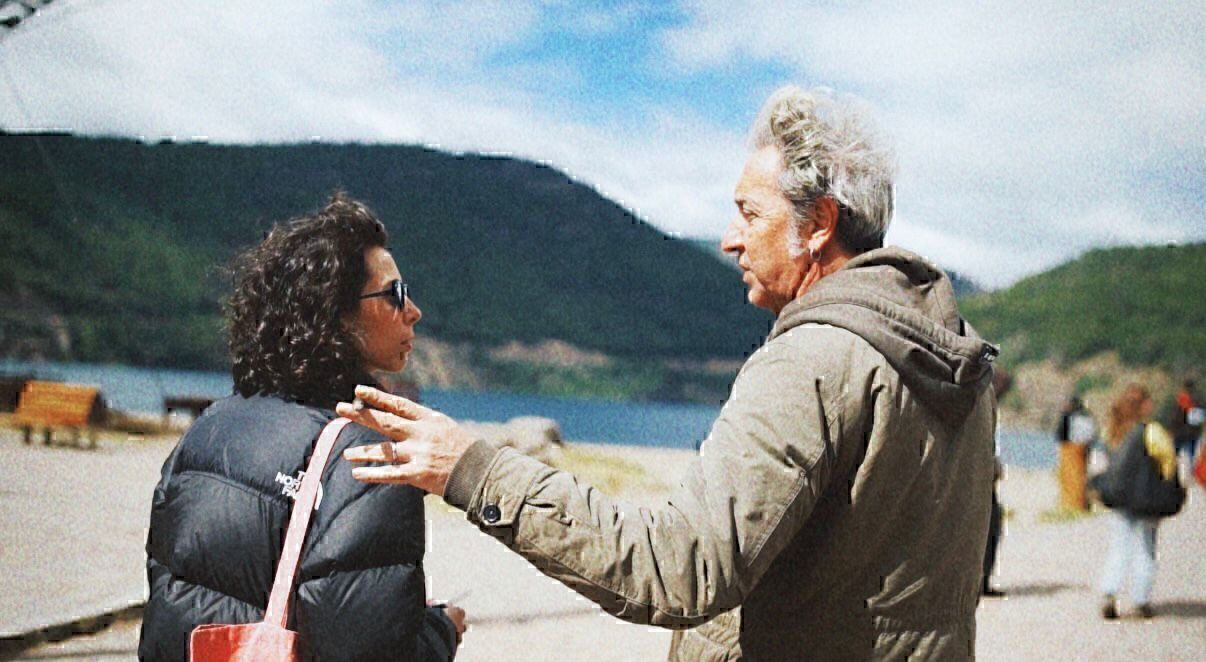
Macarena and Paolo Sorrentino
Had you shot Broken Pots before Playlab Creators Lab, and did the residency shift your work?
Well, actually I shot it before the lab, but edited it afterwards. So I had some distance from the material. I actually wrote it after I’d had the whole experience of the lab.
But yes, I think I’ve been going through a transformation, which is something that happens to artists, I guess, we have a software update every once in a while, and I think I’m at that point right now. I’ve started to find something more genuine in stories that are more human-driven, where I feel I can put more of myself into the narrative.
And it also connects with wanting to make cinema eventually, that’s something I’m trying too.
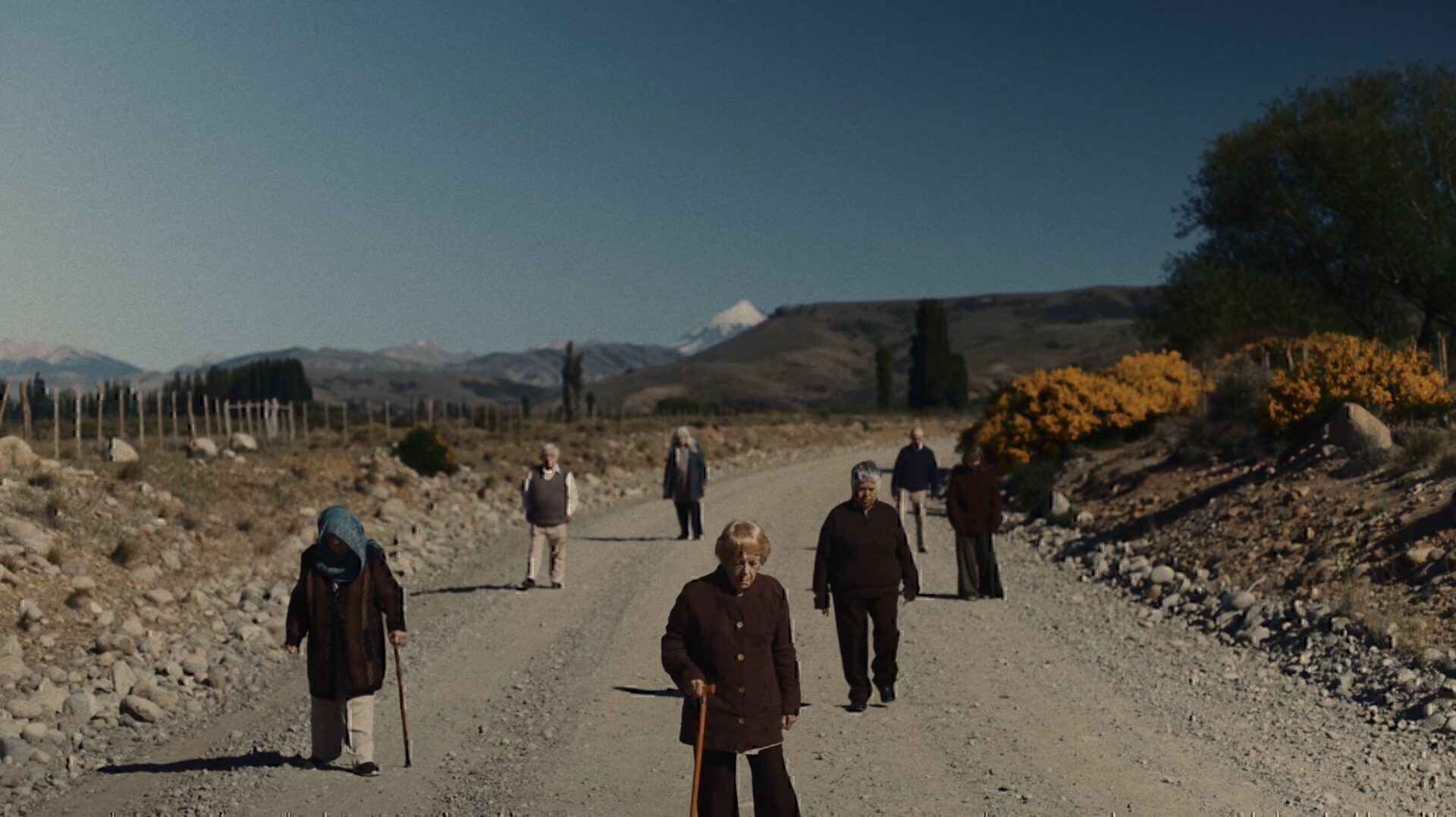
Of Wind and Salt, Playlab shortfilm
How did the lab environment change your approach to filmmaking?
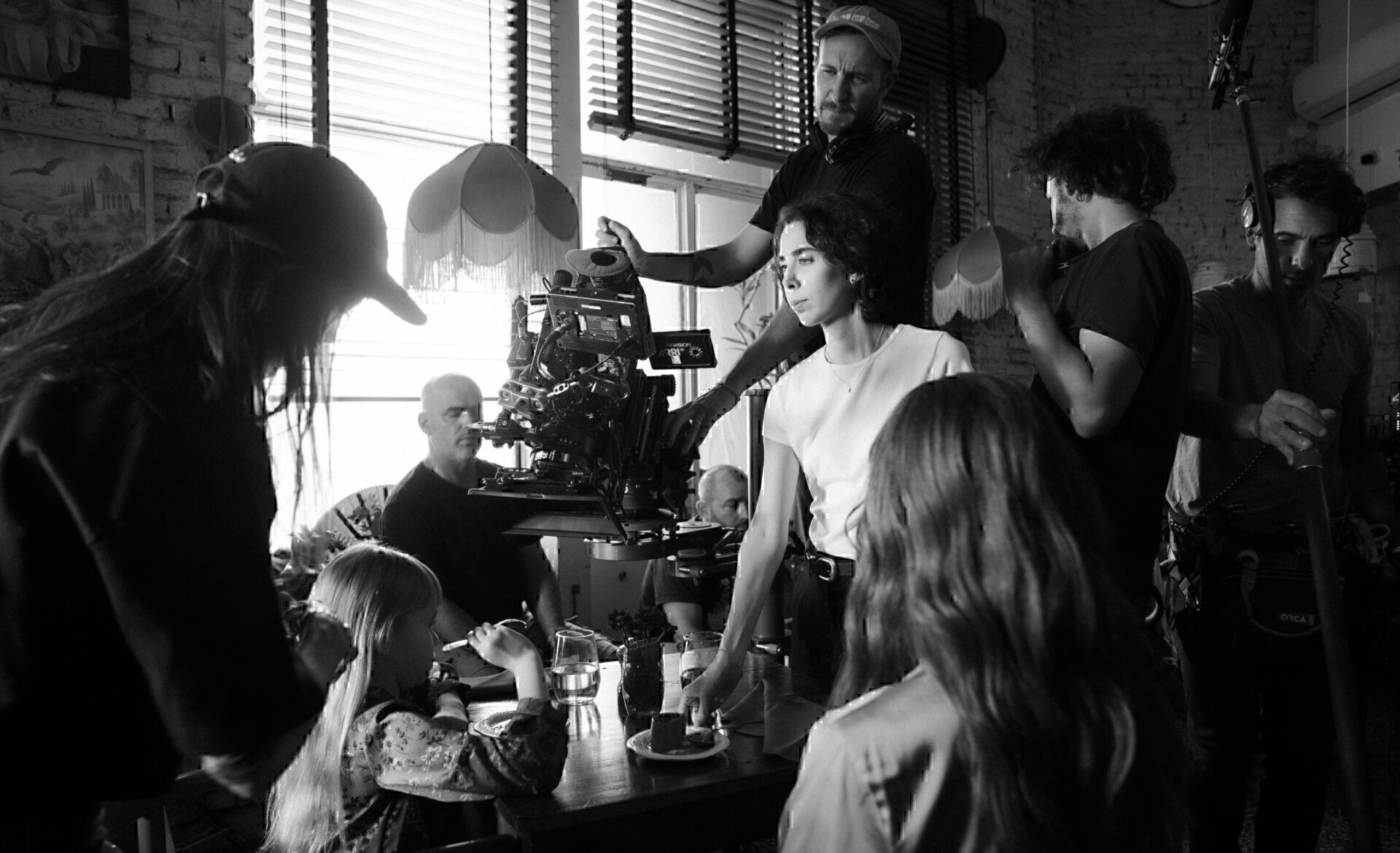
The lab was led by Paolo Sorrentino – ten days with nothing given: no idea, no script, just the place and the people who lived there. You had to arrive at an idea from scratch and make it entirely on your own – shoot it, edit it, finish it – and then present it to him and the other filmmakers at the local cinema in San Martín de los Andes.
Doing everything alone again was refreshing, I have to say. It took me back to enjoying the freedom of the medium, to not overthinking an idea I just had to make happen – to being genuine about what I connect to, because that’s the one real differential each of us has as storytellers.
But there was something else. At some point, with one of the strongest voices of our generation right there, you stop observing the environment and start observing him. I’d already learned so much from his films, but watching him make one taught me the same thing from the inside: beauty is already everywhere, you just have to be open enough to find it.
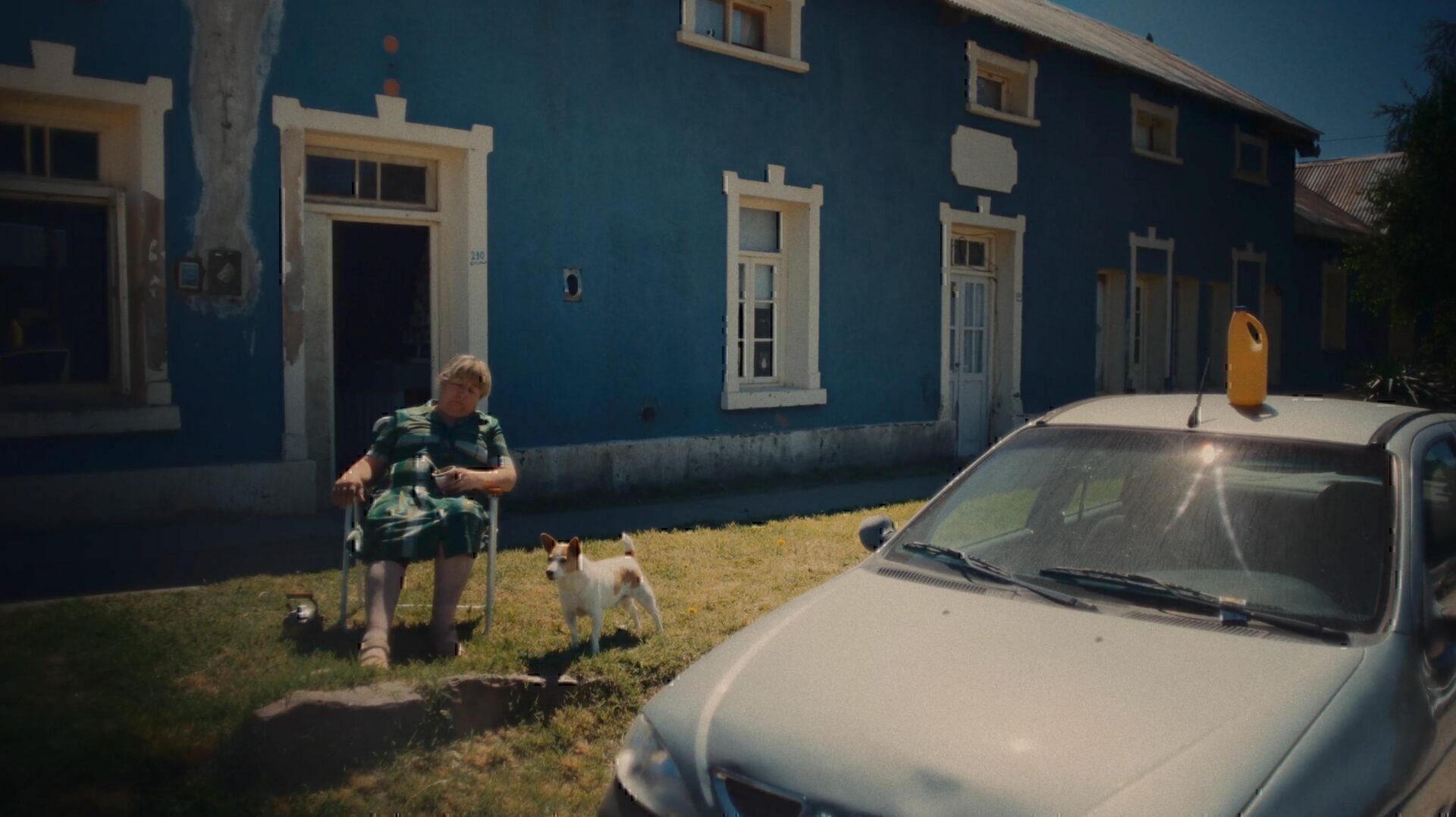
Of Wind and Salt, Playlab shortfilm
How did the idea for your Playlab short develop?
That first night I took some homeopathic medicine, went to sleep, and the next morning I woke up with these two images in my head. The first was a town that was asleep, literally, but also metaphorically and politically, a town that had fallen asleep. The second was a choir of elderly people, where you don’t quite know whether they’re people, angels, or figures from somewhere else.
Paolo listened, smoked, and said, “I like this. Let me think about it.” And then he gave me his take on the story.
The short itself turned out to connect to a very well-known story here in Argentina, about the poet Alfonsina Storni. There’s a famous song, Alfonsina y El Mar, inspired by her death, she walked into the sea and never came back. The short follows a procession: a choir of elderly people walking through a sleepy town to say goodbye to a woman who drowned in the sea. So there are certain very local references within it, but overall I’d describe the short as a kind of poetic drama.
What are you working on next?
In advertising I’m trying to shift the work a little towards something more human and narrative-driven. And with my personal work, I’m writing my first feature film.
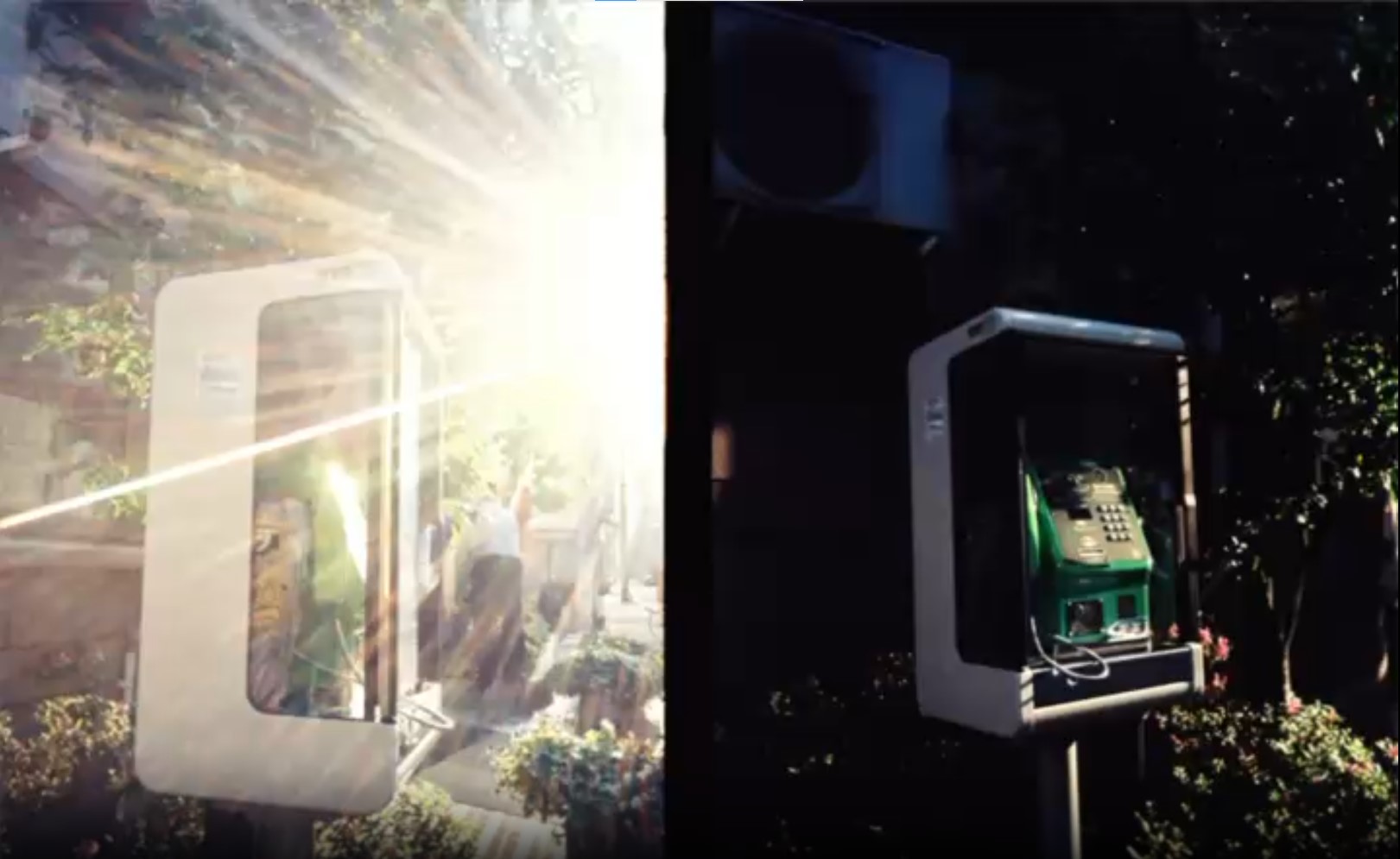

Infinite Red Dot series
Is photography still an important part of your work?
Yes. I’m developing a photography book at the moment. Last year I was selected for a six-month Master’s photography programme of PHotoEspaña in Spain, which culminated in an exhibition in Madrid.
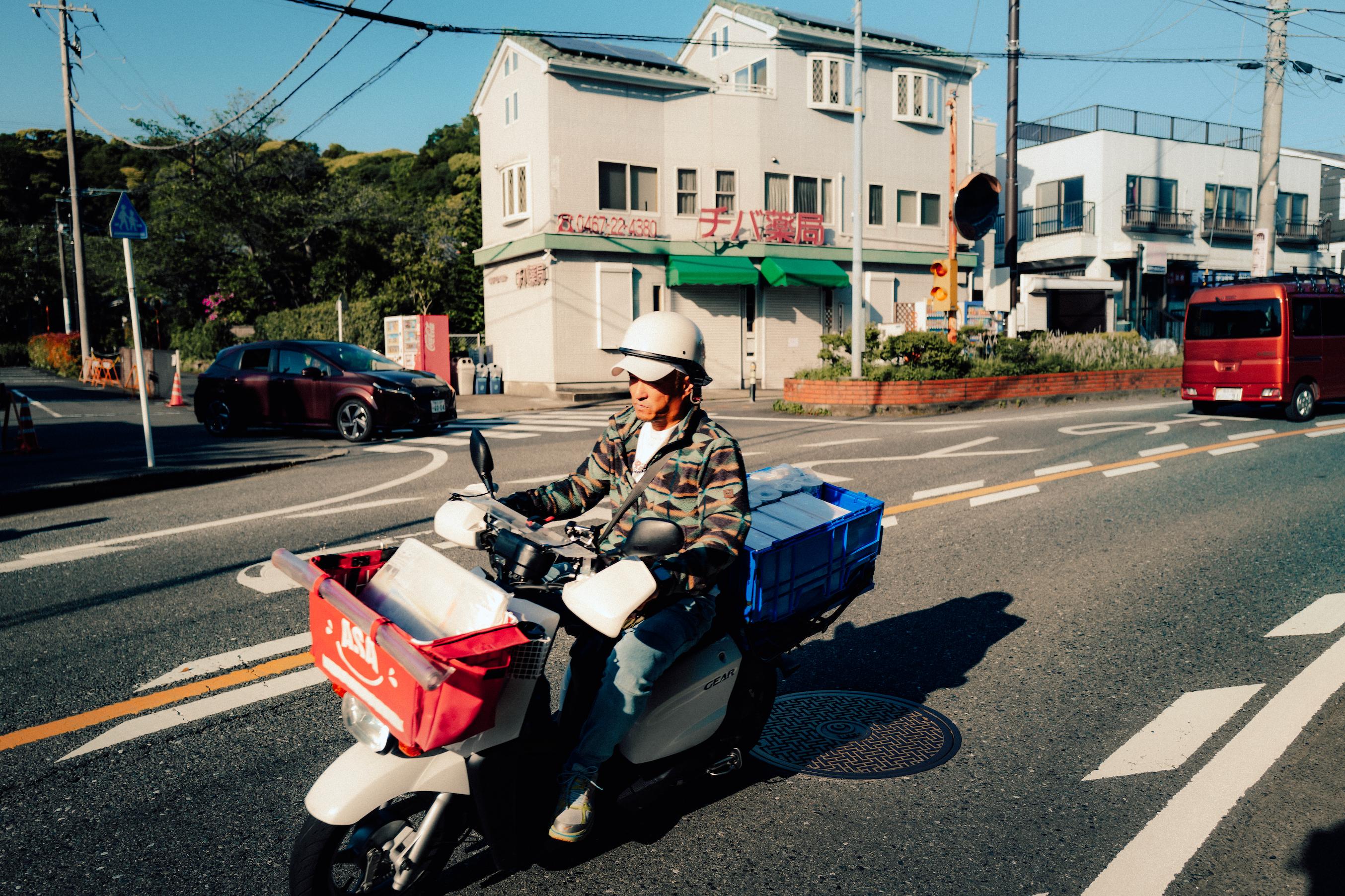
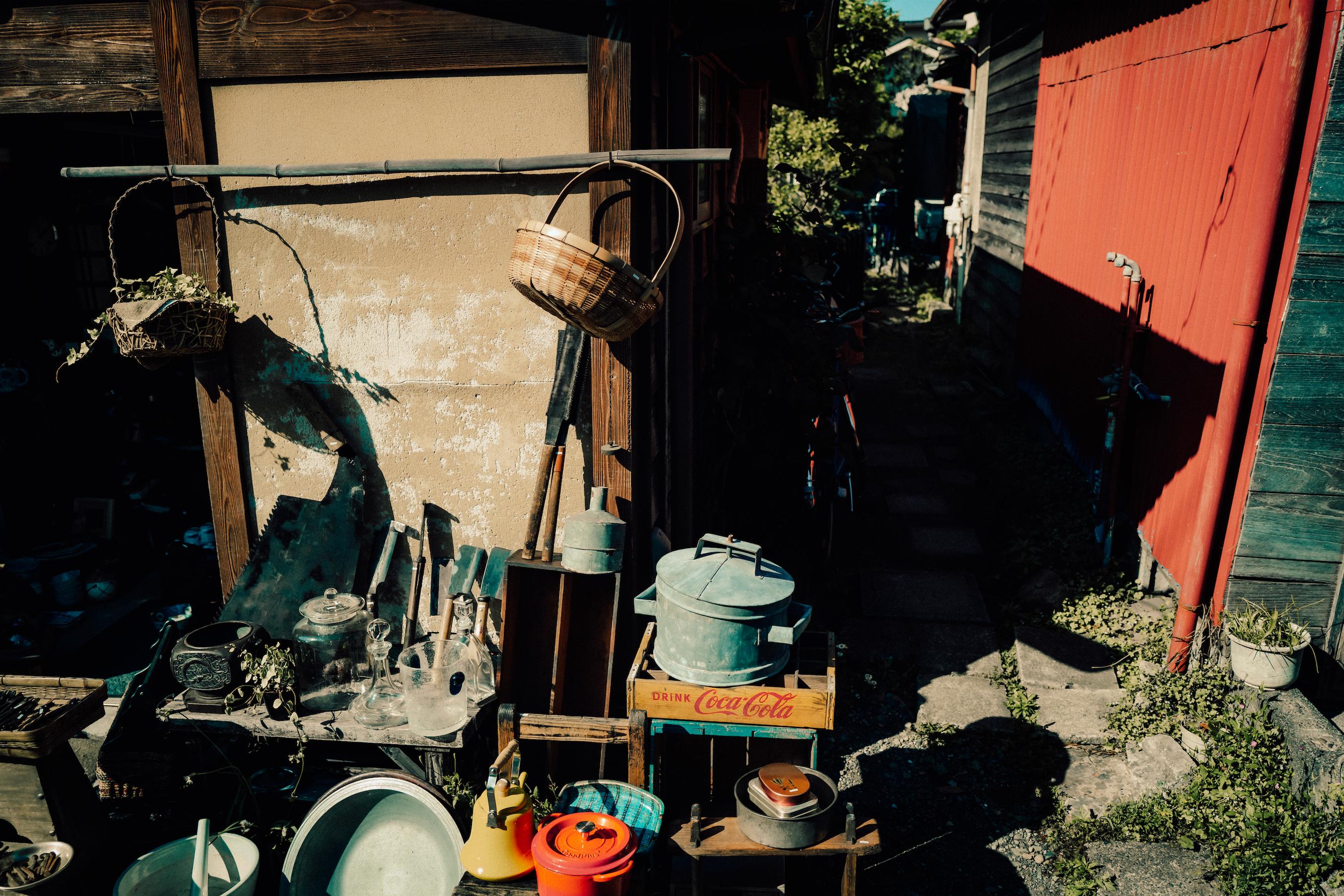
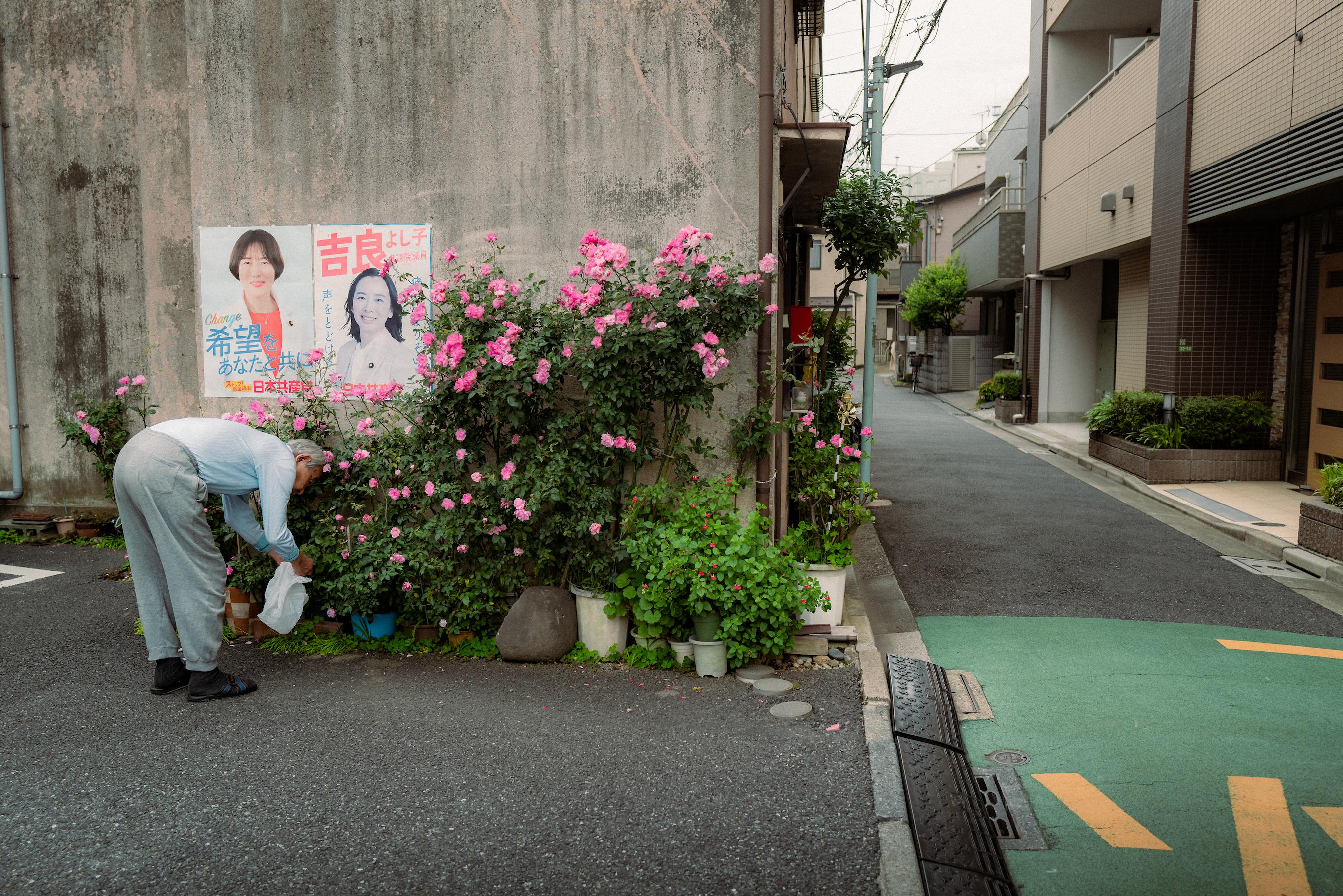
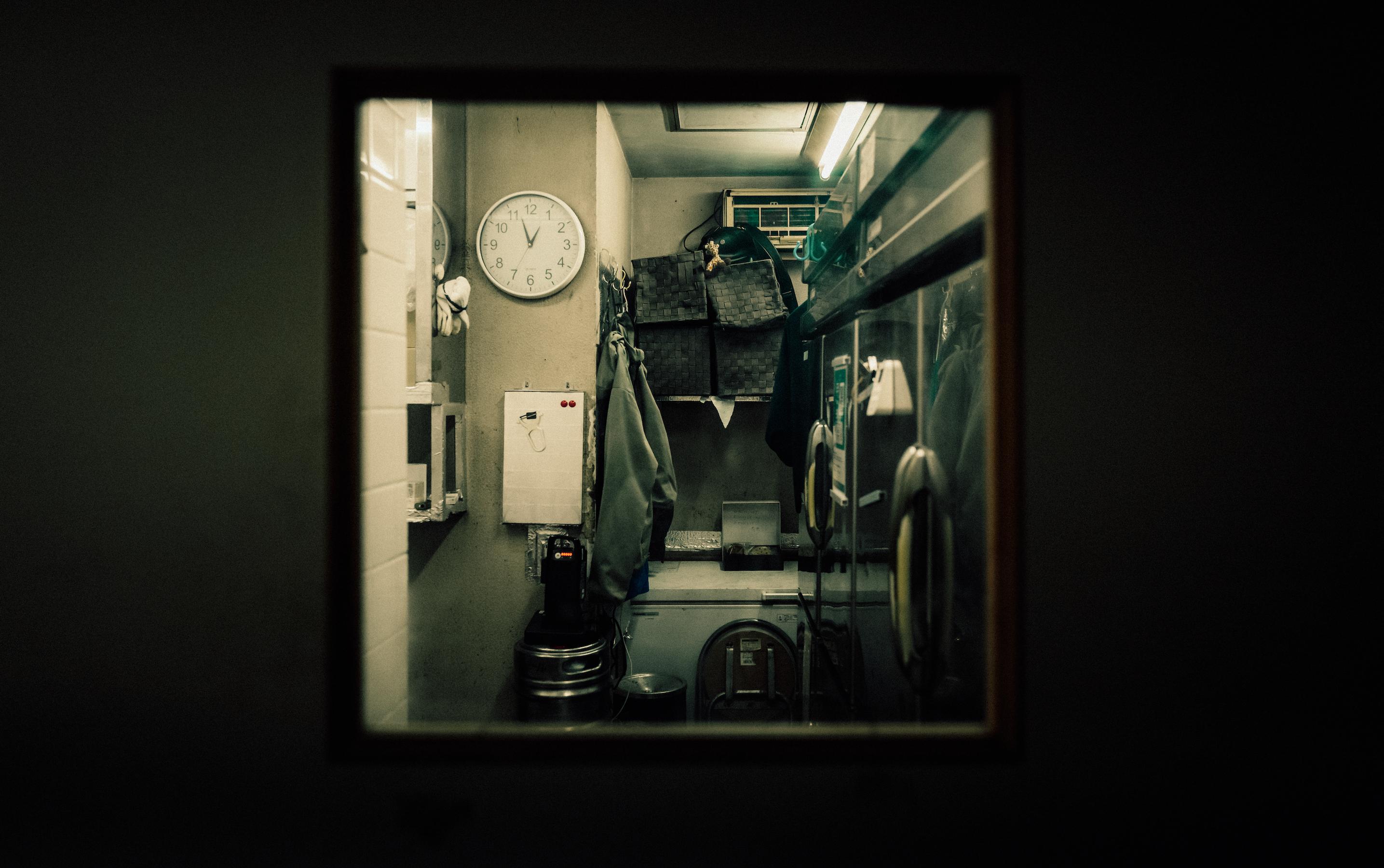
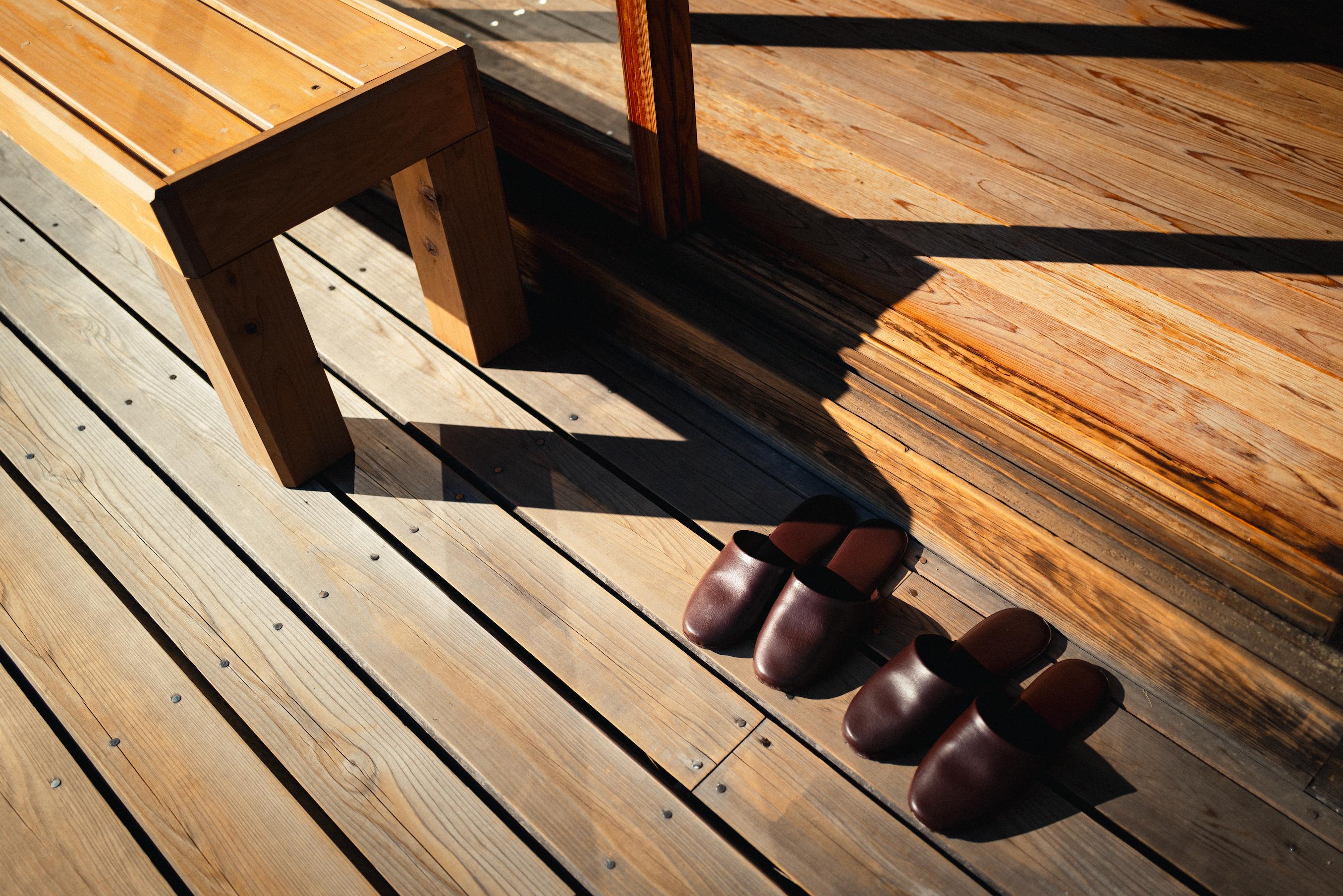
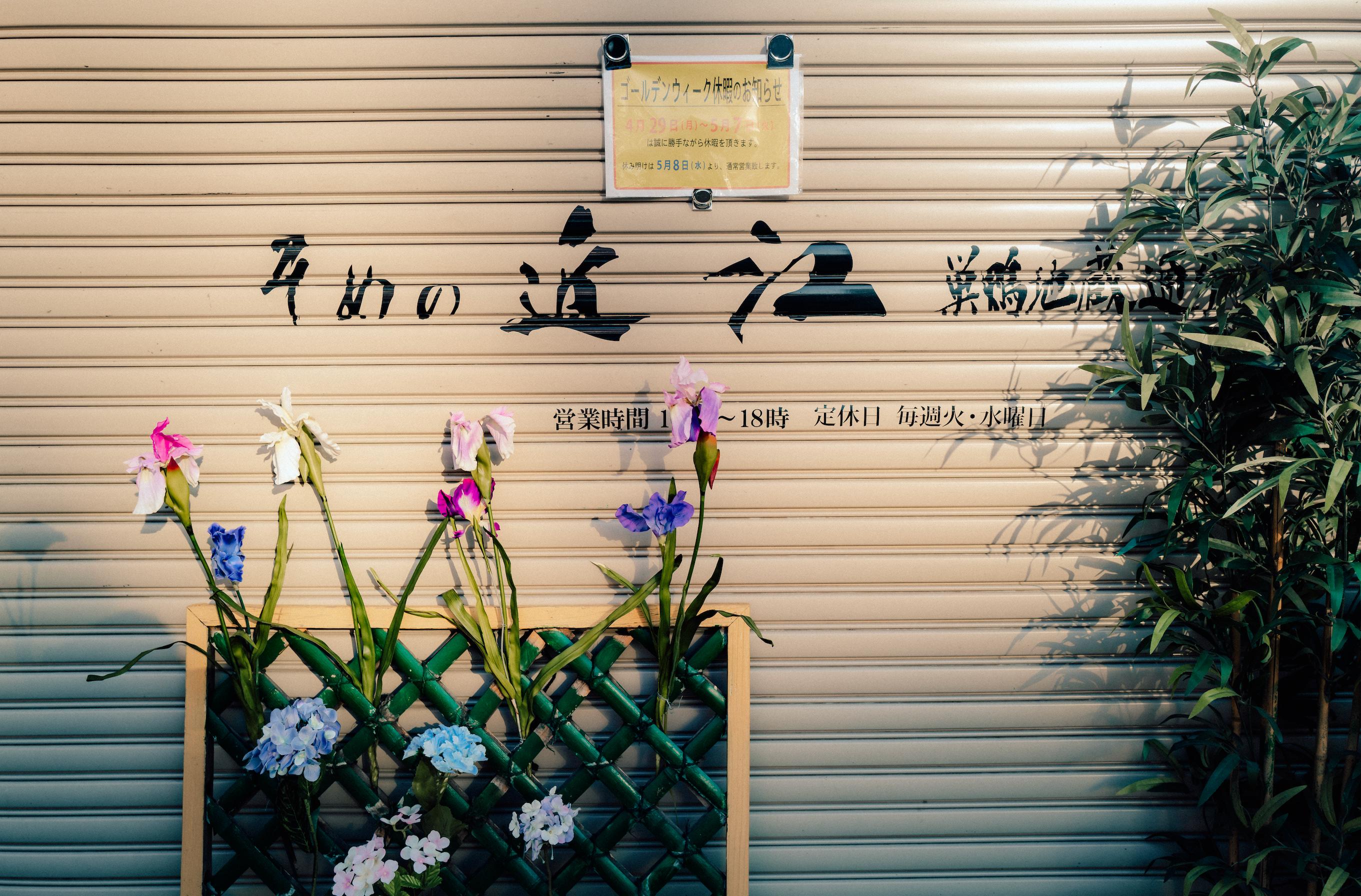
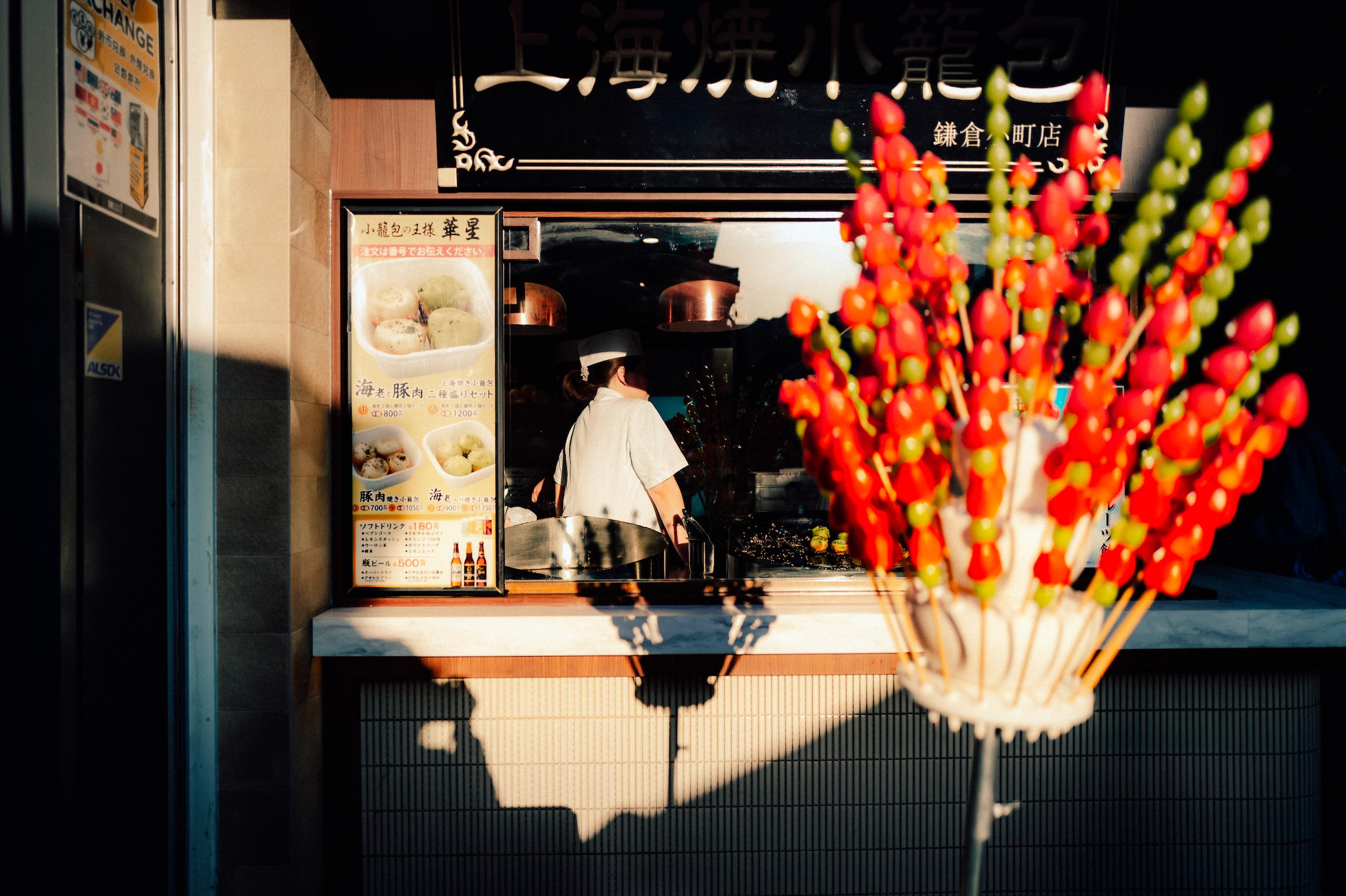
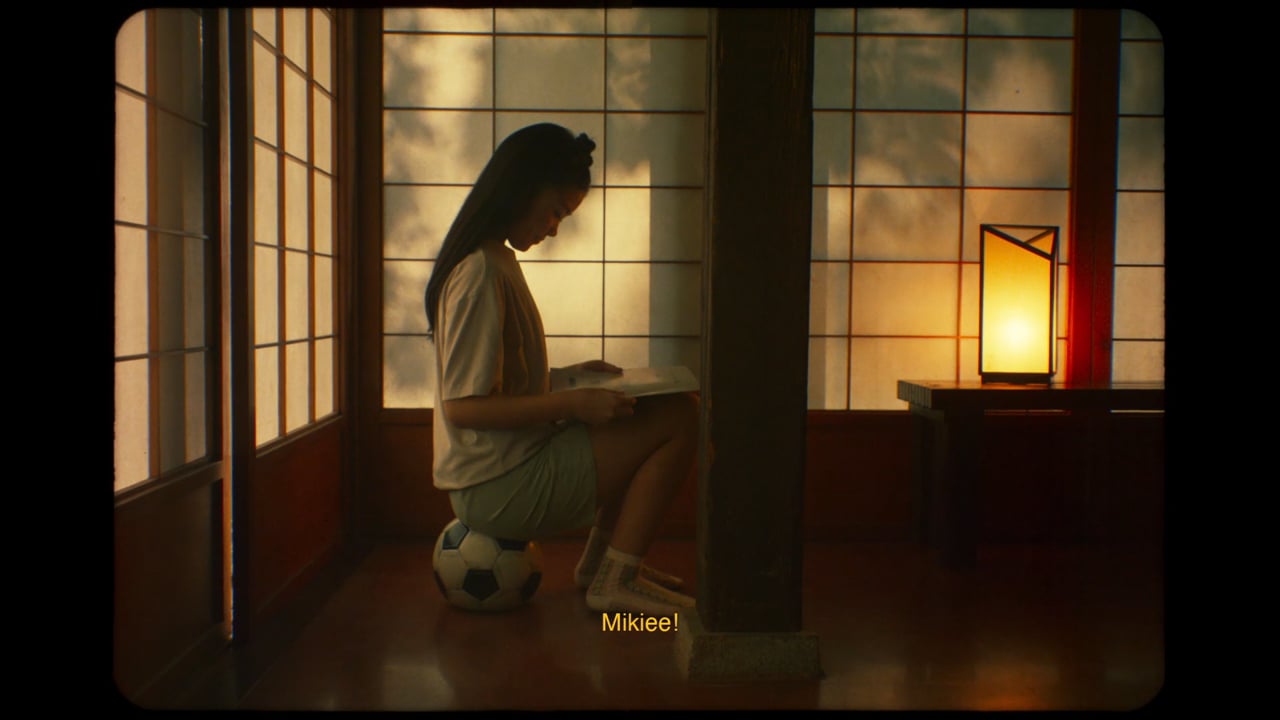
The project is about my relationship with my grandmother and Japan. It’s called Infinite Red Dot. In Spanish, when you love someone very much, you might say, “I love you more,” and the other person replies, “No, I love you more” until eventually you say, “Infinite red dot”, meaning the greatest possible amount of love. It was something my grandmother used to say to me a lot.
When I was in Japan, she called me and said, “Infinite red dot.” When I hung up, I had the Japanese flag in front of me, with this huge red dot. From then on, I started photographing everything I wanted to show her.
The book brings those photographs together with transcripts of conversations with my grandmother and my journeys through Japan.