Before the announcement of the Berlin Commercial winners on September 9th, we asked one of the judges, Niccolo Montanari, to choose his favourites from the shortlist.
More info on programme details and get tickets for the festival here: www.berlincommercial.com
@berlincommercial
Berlin Commercial selects
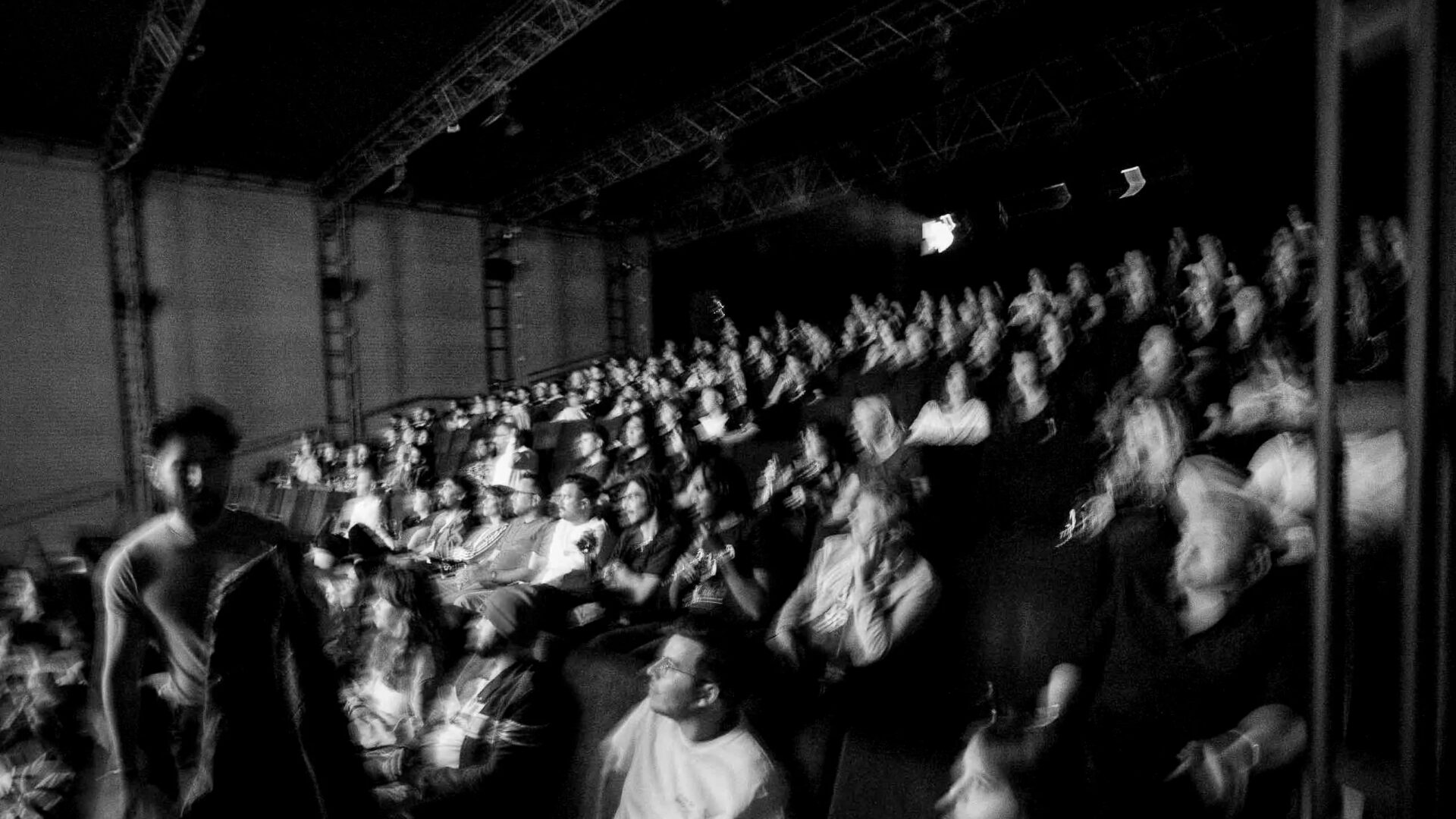

Gentle Monster - The Hunt
"The Hunt" is a one-minute horror-inspired short film starring Hunter Schafer to launch Gentle Monster's Fall 2025 Collection.
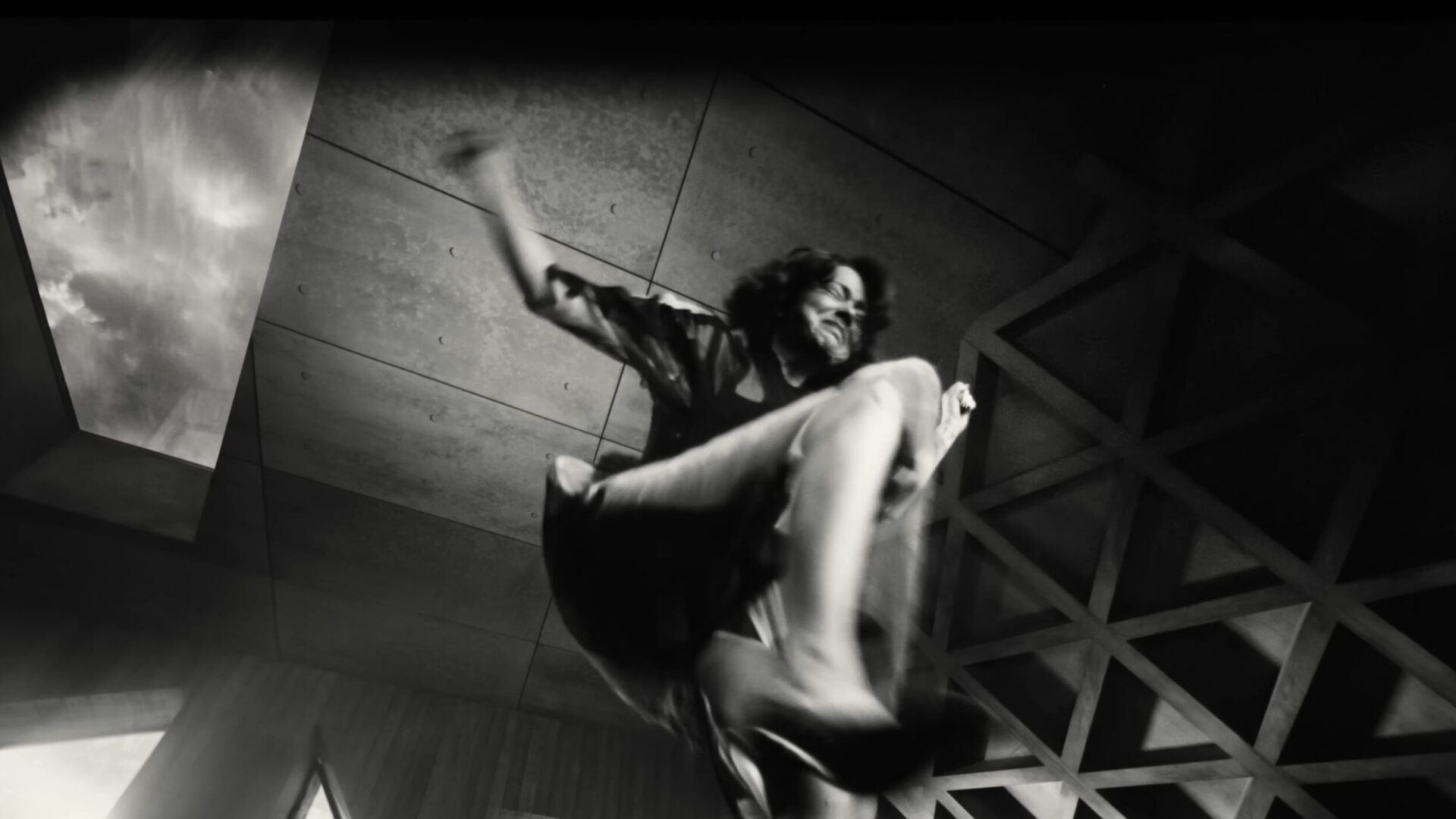
Squarespace - Unavailable
Directed by Yorgos Lanthimos for Super Bowl LX (2026), "Unavailable" is a cinematic, black-and-white noir spot starring Emma Stone as a heightened version of herself living in a remote, brutalist mansion. The plot follows Stone's descent into "unrepentant anguish" as she repeatedly attempts to register the domain Emmastone.com, only to find it is already taken. Each failure results in her becoming increasingly unhinged—smashing laptops and throwing them into a fireplace—until the ad delivers its core warning: "Get Your Domain Before You Lose It." The campaign is notably based on the true story of Stone discovering she didn't actually own her namesake domain in real life.

Pilgrimage
A dead man embarks on a spiritual journey through the wilderness.
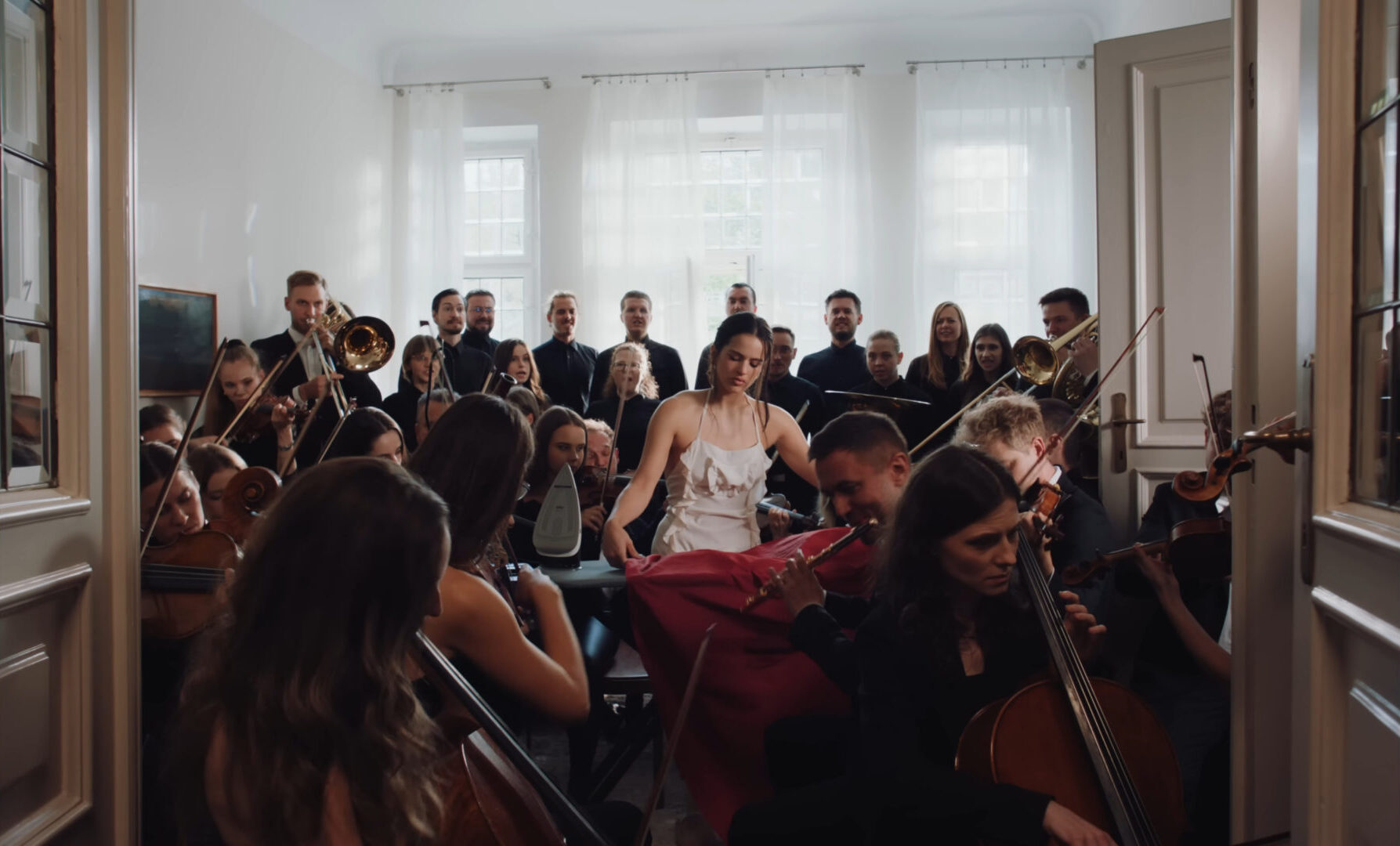
Rosalía (feat. Björk & Yves Tumor) - Berghain

Totô de Babalong - Deusimar
Deusimar is a video teaser for Brega singer Totô de Babalong. Brega is a popular Brazilian music genre, born mostly in the north and in working-class urban areas. The word literally means "Tacky" in Portuguese and was originally an insult used by the middle and upper classes to look down on the genre.
The video is inspired by the Brazilian legend of the mula SEM cabeça (the headless mule), a woman who transforms into a monstrous creature as punishment for forbidden desire. The story connects to Brega through its melodrama, tragedy, and excess.
Deusimar carries a distinctly Latin American gesture, taking what colonial and patriarchal narratives marked as shameful (the popular, the feminine, and the "Low" culture) and turning it into a site of pride and aesthetic power.

Mond - Bzns بزنس
Bzns follows a group of young men moving as one, where tension builds through proximity, repetition and silent rules. What begins as play gradually shifts into something more unstable, as the group dynamic evolves and control starts to slip.

Castelos & Ruínas (Castles & Ruins)
'Castles and Ruins' depicts artist Abebe Bikila (BK) ten years on from the release of his landmark debut album and in the wake of his mother’s passing. The film is a metaphorical essay on history and identity, rendering the artist’s trials and cosmology through multiple points of views: a dancer rhythmically conjuring protection, a warrior in eternal conflict with others, and a pregnant mother imagining the life her son will one day lead.
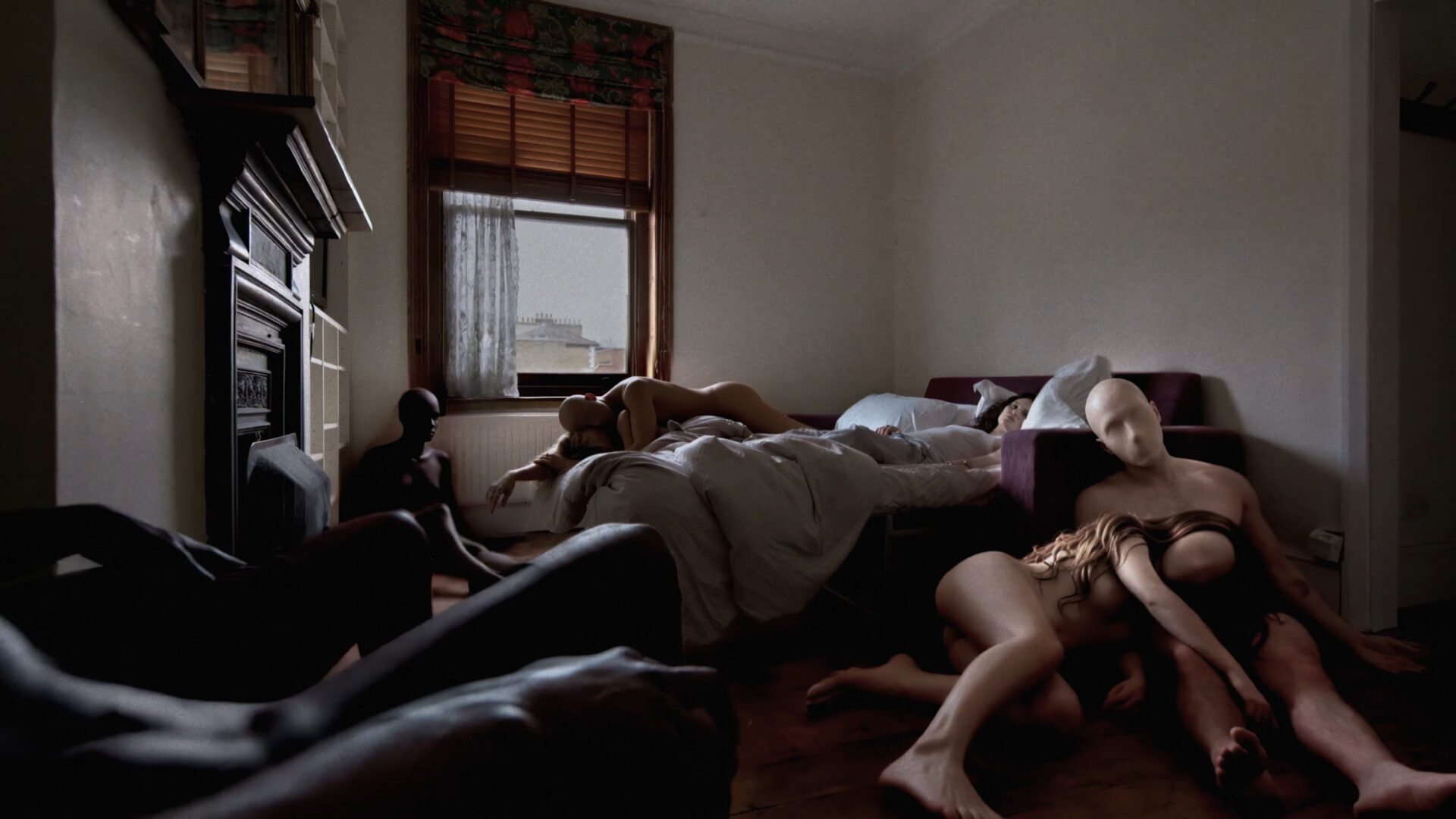
Daisy Maybe - Box With God
Box With God, the latest single from genre-defying artist and producer Daisy Maybe, multimedia artist Thomas Harrington-Rawle, constructs a disquieting visual world where control is relinquished and identity dissolves.
Working from a minimal environment, Rawle builds a system rather than a narrative, one in which bodies become vessels, faces are stripped away, and individuals are reorganised by an unseen force. What begins as a recognisable human space gradually mutates into something far more alien and collective.
Developed in close collaboration with producer Esmé Creed-Miles, the film draws on Rawle’s interest in rituals embedded within the everyday, and in the idea of external forces quietly shaping behaviour. Echoes of invasion of the body snatchers emerge in the transformation of the cast, as human forms are subtly reconfigured into a unified, otherworldly entity.
The project was shot in a traditional way with a live cast and a single location, before being intricately reconstructed in post through a hybrid VFX pipeline led by Rawle and collaborator Cathal James McKeon. Combining CGI, AI and compositing, the footage is fragmented and reassembled into shifting, unstable compositions such as moving collages that extend the physical space into something far more expansive and psychologically charged. Rawle treats creative technology as a mechanism for distortion with this film, bending the familiar into something where the boundary between human and constructed begins to collapse.
With Box With God, Rawle continues to explore the tension between control and surrender, delivering a film that sits between music video, installation and speculative fiction, a work less concerned with storytelling than with building a system the viewer is drawn into.

Grindr - Peas
Leo takes his boyfriend Metin home for Christmas — a warm, traditional British household that is eager to welcome him. But one simple question at the dinner table instantly sends the couple spiraling: “How Did You Two Meet?” To impress his parents, Leo and Metin scramble to stitch together a wholesome, totally fabricated meet-cute, while the film flashes through the real story — messy dates, awkward selfies and booty calls. As the truth unravels, the film becomes a funny, heartfelt portrait of modern queer dating — reminding us that the love can be real, even when the story is not.

Yves Klein Archive - International Klein Blue
A visual poem about the creation and beauty of Yves Klein's iconic color — International Klein Blue.
The color blue is most profoundly associated with one artist: Yves Klein. More than any other artist, he claimed a singular color and made it entirely his own creation. In this artistic short, we undertake an immersive journey into the profound depths of the artist's creative psyche, unraveling the origin and essence of his iconic blue, a color born from the sky and the sea. Quoting directly from Klein's private diary entries, the film carries us inside his most intimate thoughts, allowing his voice to guide us through the world he saw, and the color he made his own.