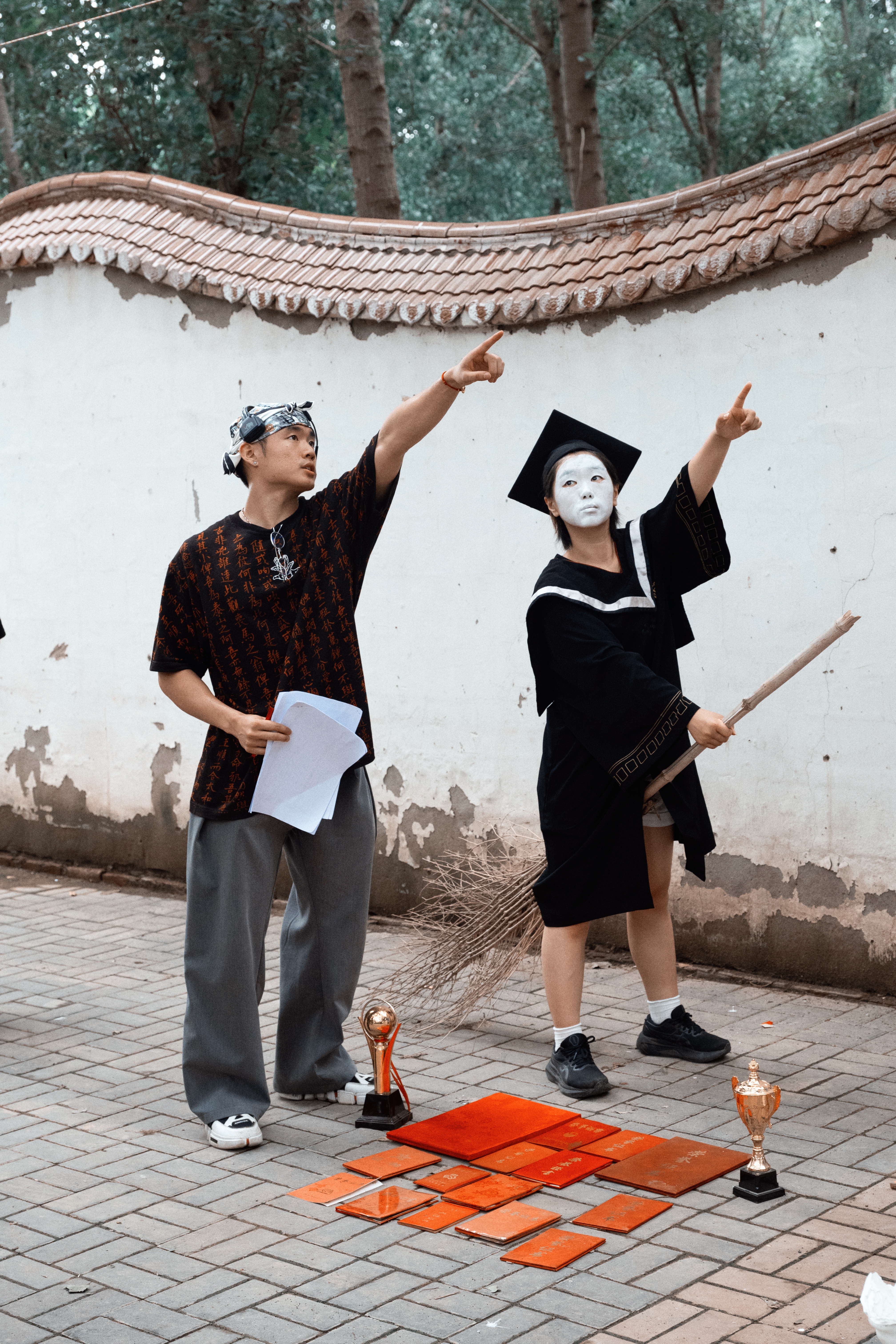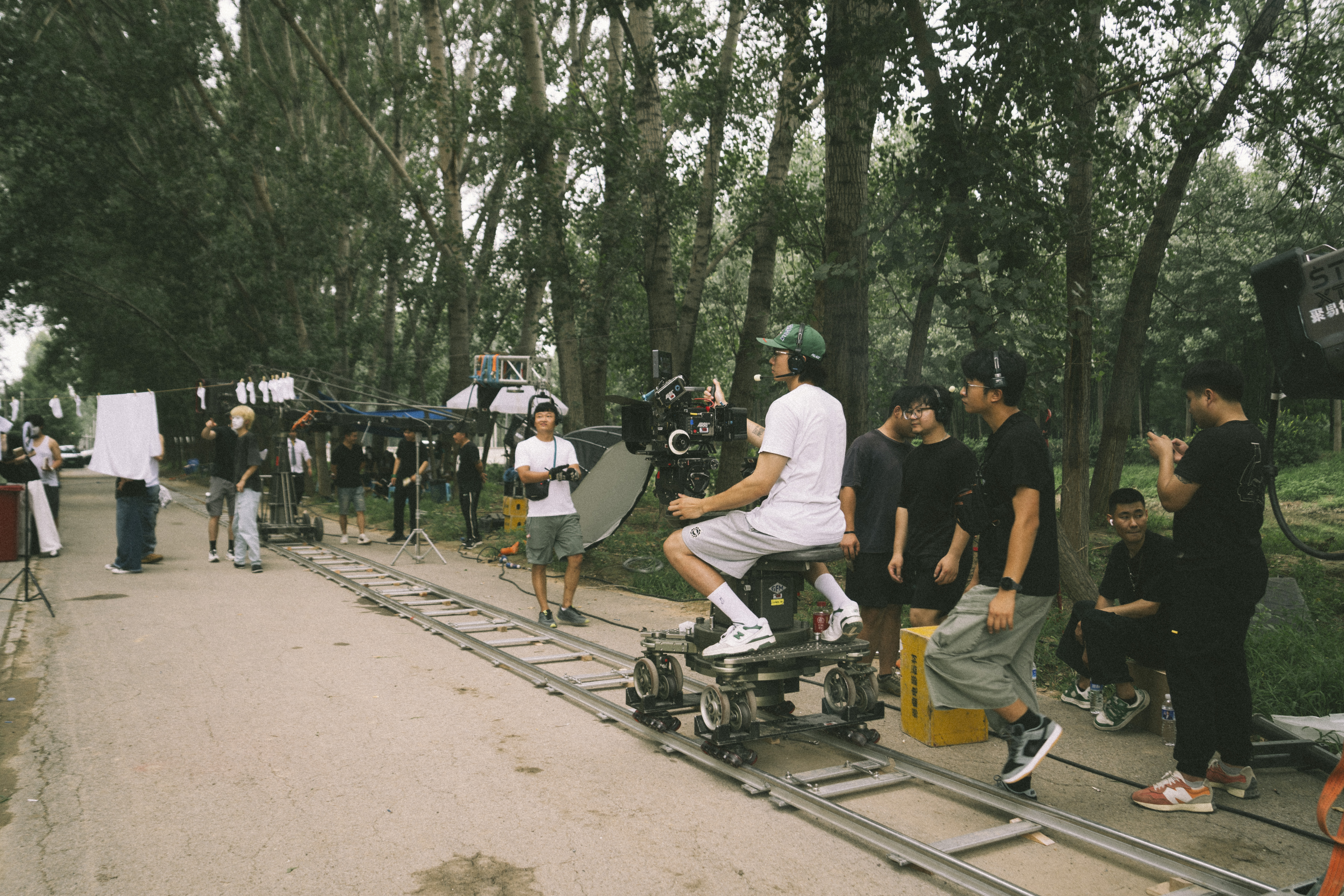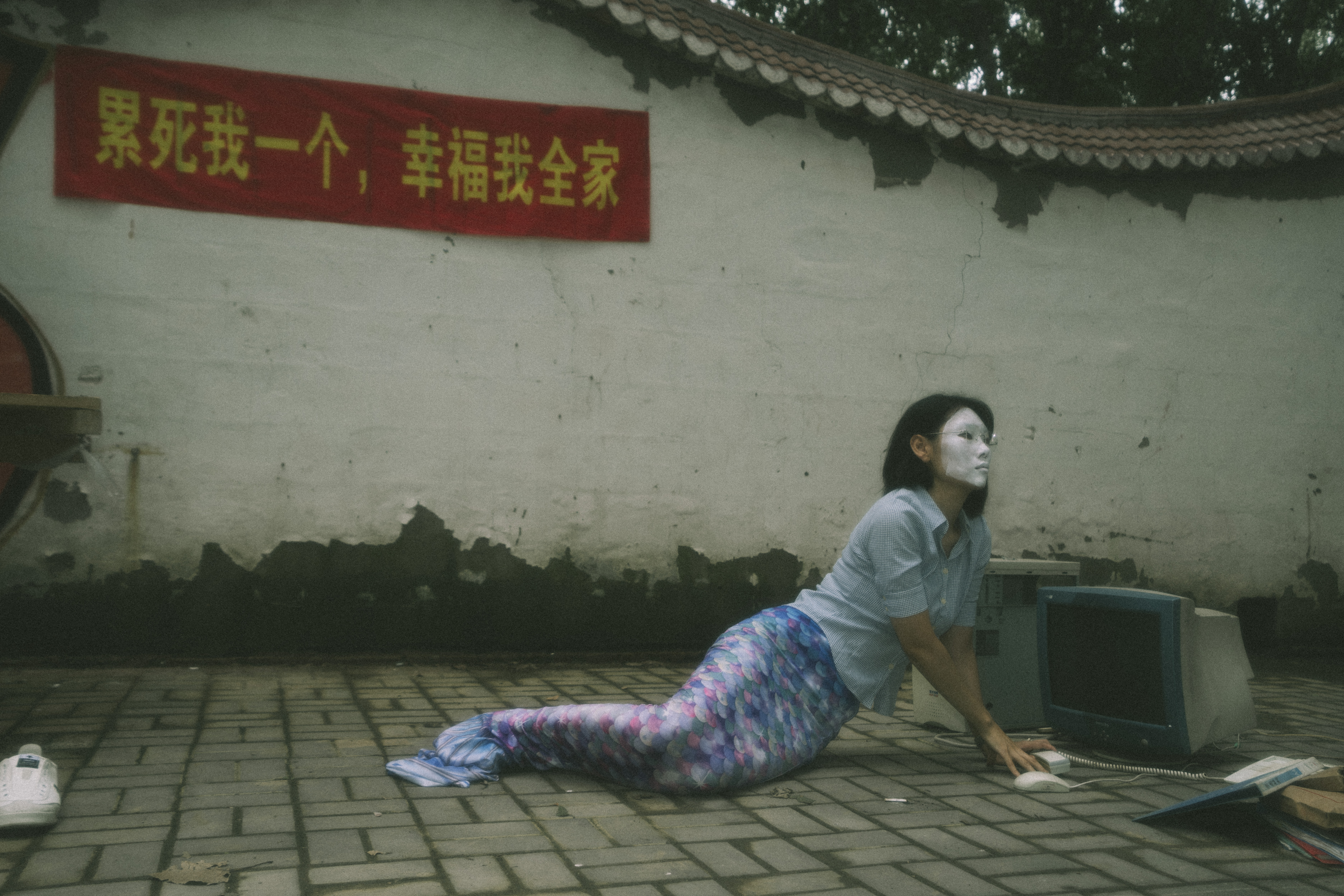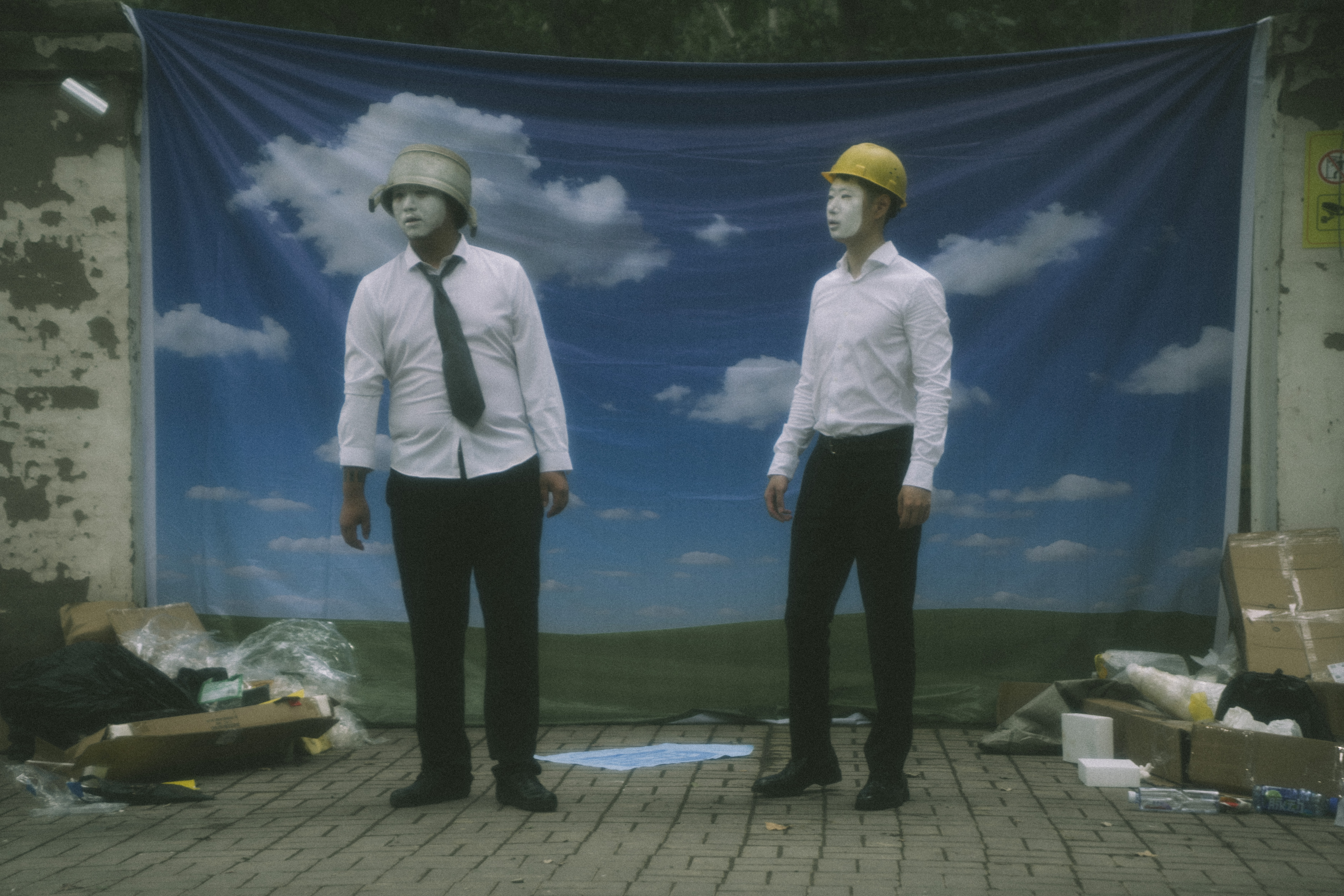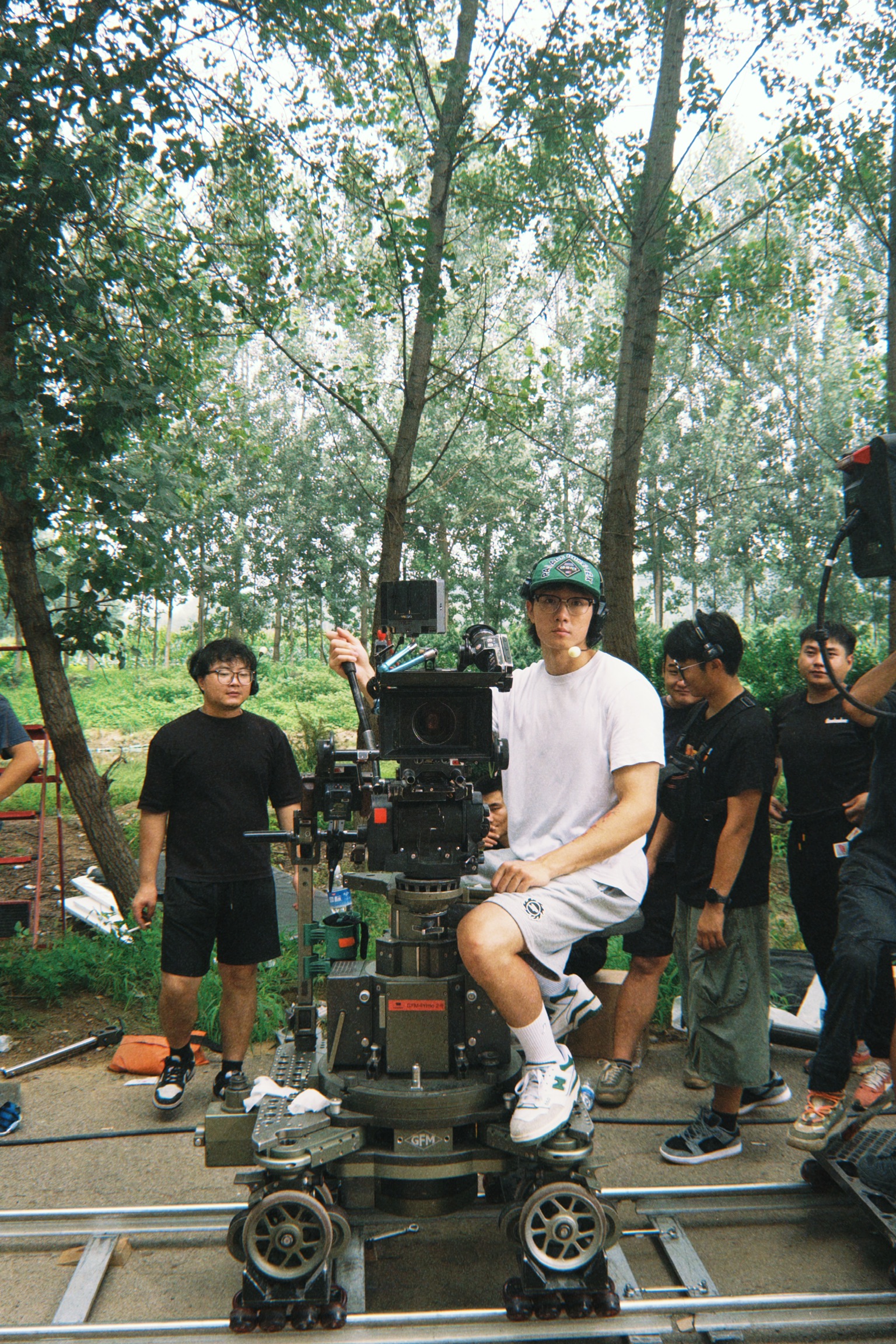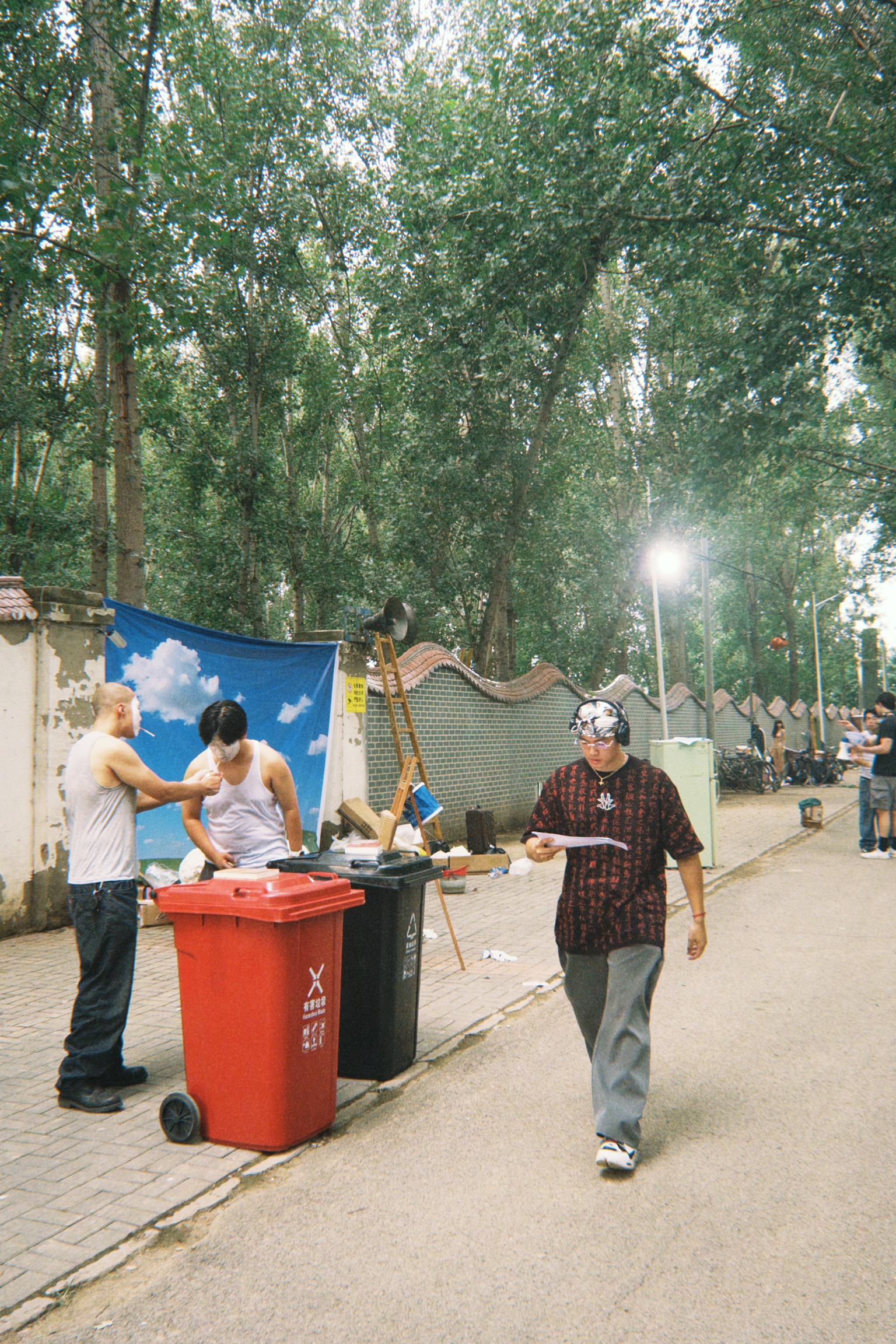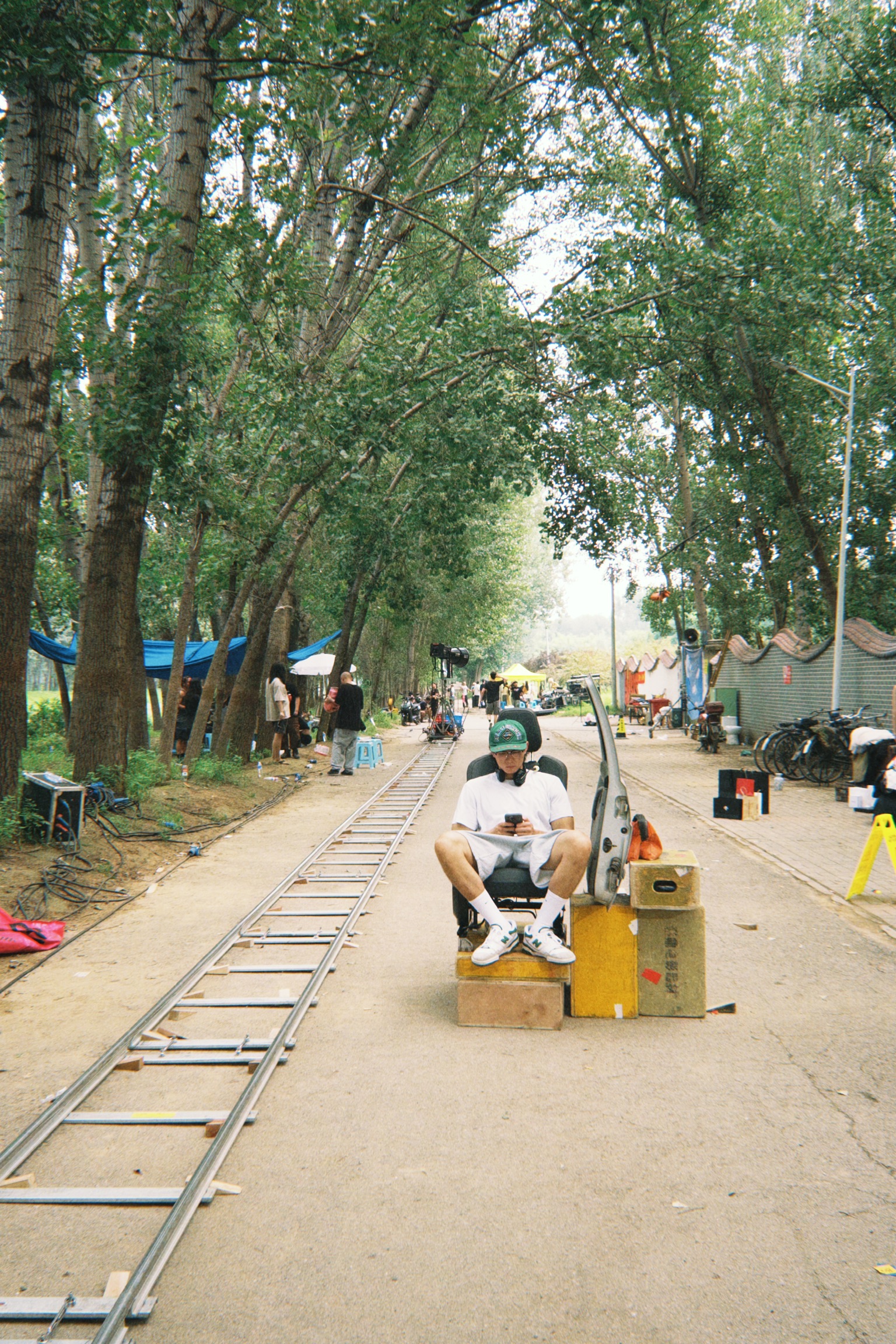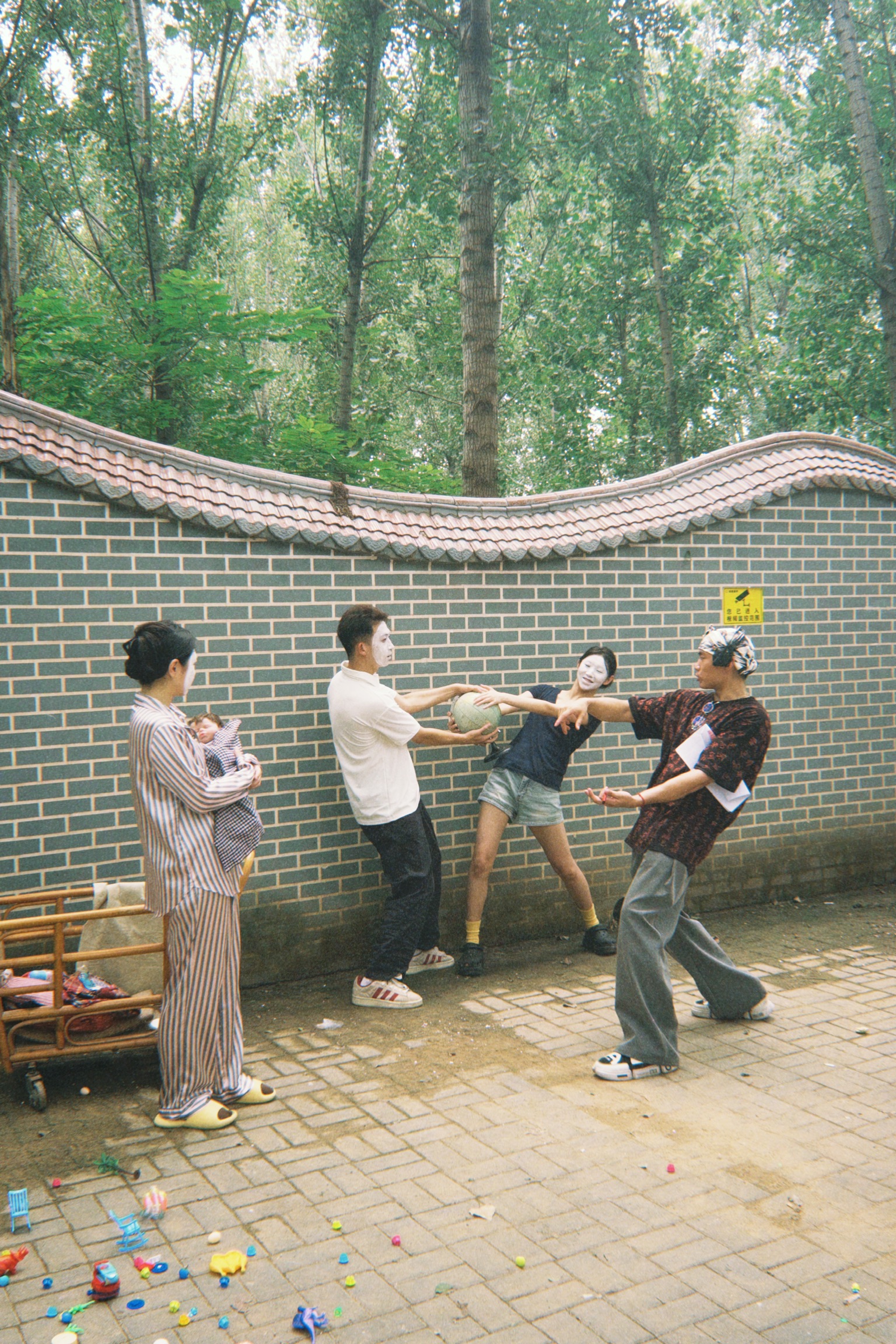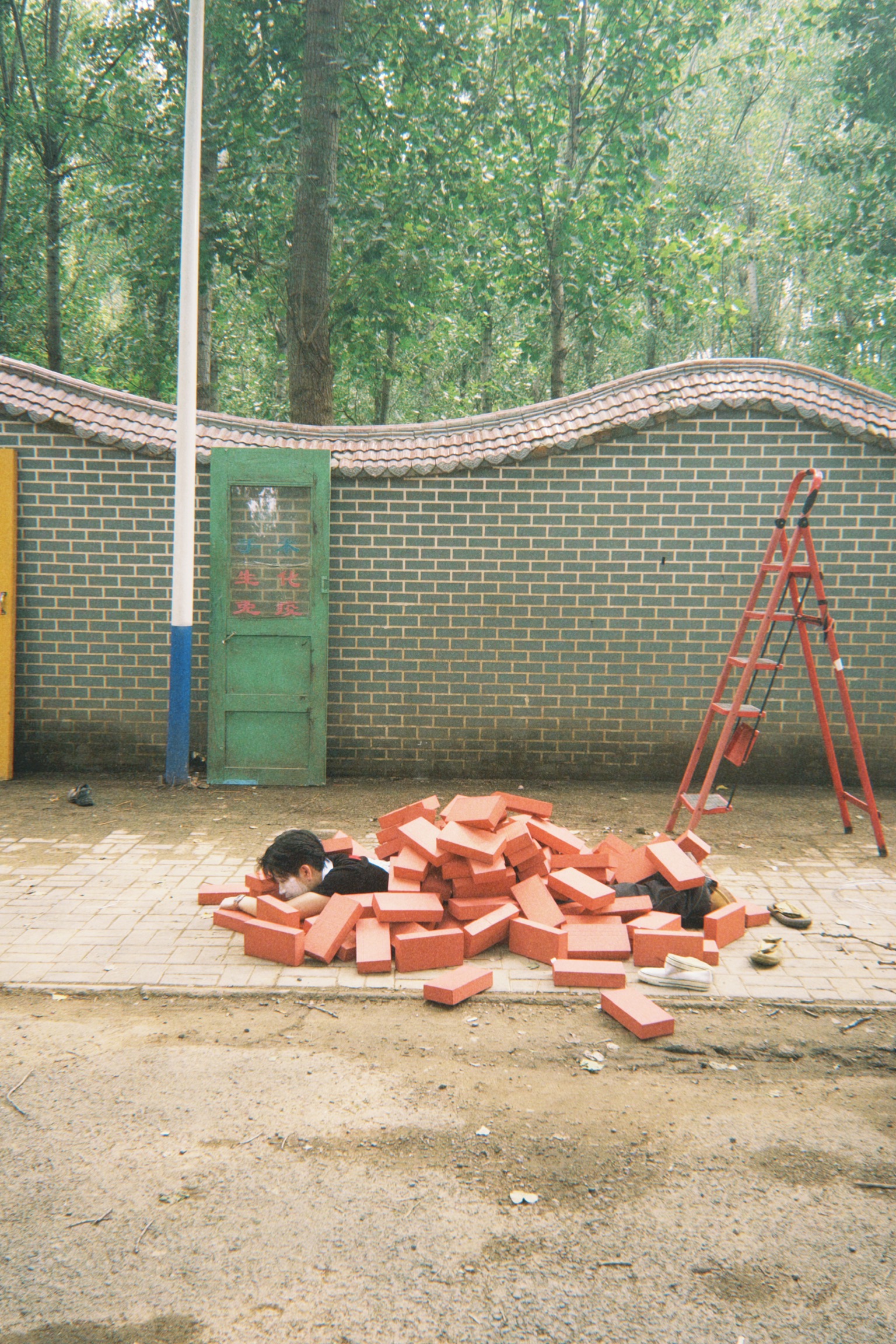
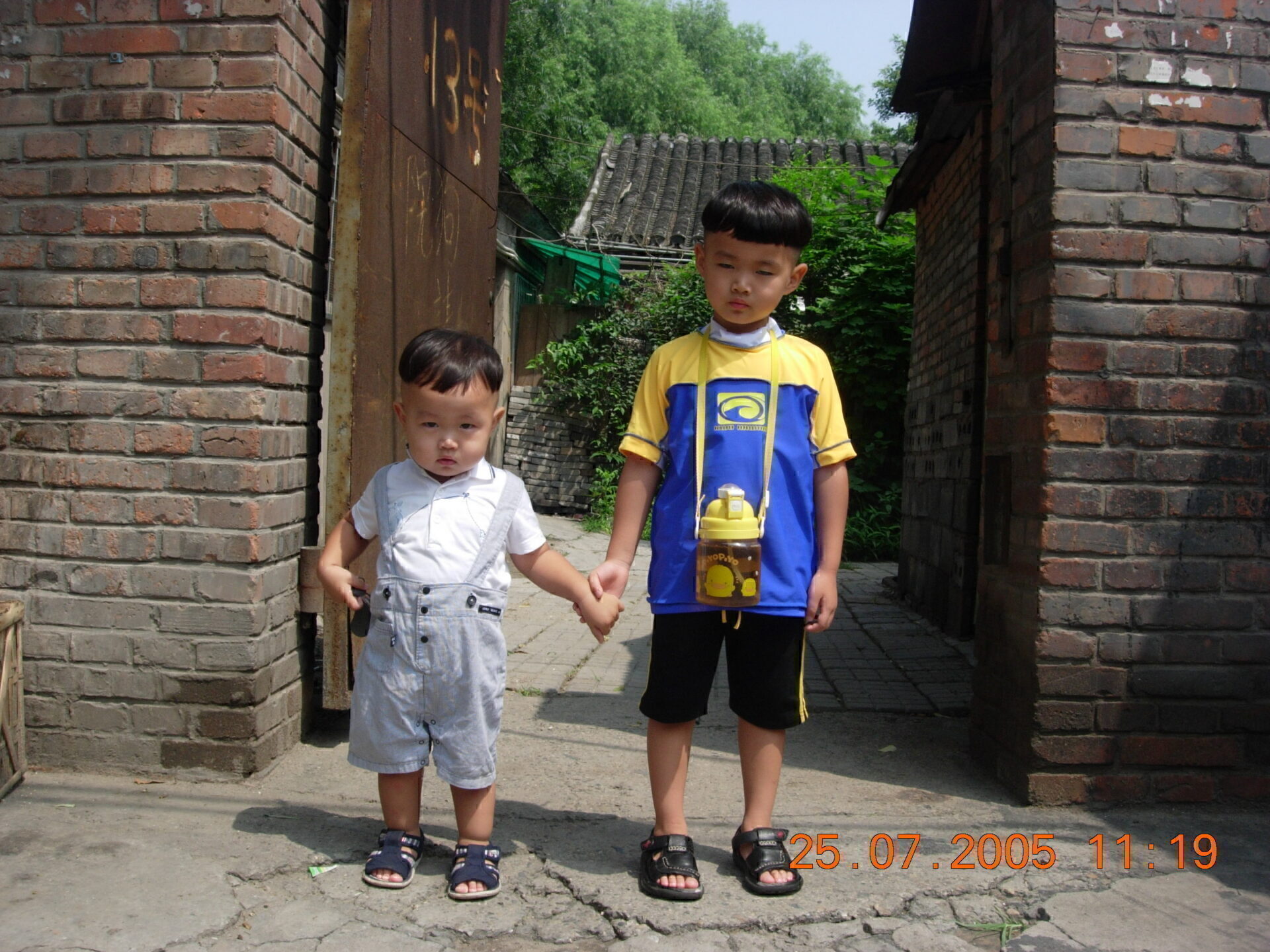
Yin & Yang Bros: Rui right, YuMing left
Where is home for you, and was creativity / filmmaking a big part of your childhood?
My father was a theatre stage designer back in China, my mother a costume designer, so creativity was the entirety of my childhood. I was painting a lot, I wanted to be a painter, but one day my father told me, “a truthful painter will most likely starve for life,” so ironically, I became a filmmaker…
Home used to be a flat in Beijing, but a few years ago it was sold to pay for our very overpriced and overrated university tuition, so home was no more. It was then that I realised that my home is anywhere my younger brother is. But it’s funny, we’ve been making films together for almost half of our lives, from school projects to homemade videotapes, but we’d still argue a ton over everything.
When we were shooting our first narrative film in 2025, my brother and I got into yet another heated argument. I remember he punched a hole in the air conditioner in front of a crew of 20 and walked out the door. Twenty minutes later, he came back, and we just kept shooting like nothing happened.
There was always this sense of purpose and togetherness, no matter what we did. To be honest, if I wasn’t with my brother, I wouldn’t make films anymore.
You’ve built a filmmaking practice that moves between different cities, cultures and creative communities. How has your background influenced the visual language or kinds of stories you’re drawn towards?
Growing up in China, and now having lived the past 5 years of my life moving from one place to another: Edinburgh, Manchester, and now London, I always feel like I’m an “étranger” to British culture, because I’m considered very westernised in the East, yet very easternised in the West. So naturally, I became drawn to ideas that sit somewhere between the two, or perhaps neither.
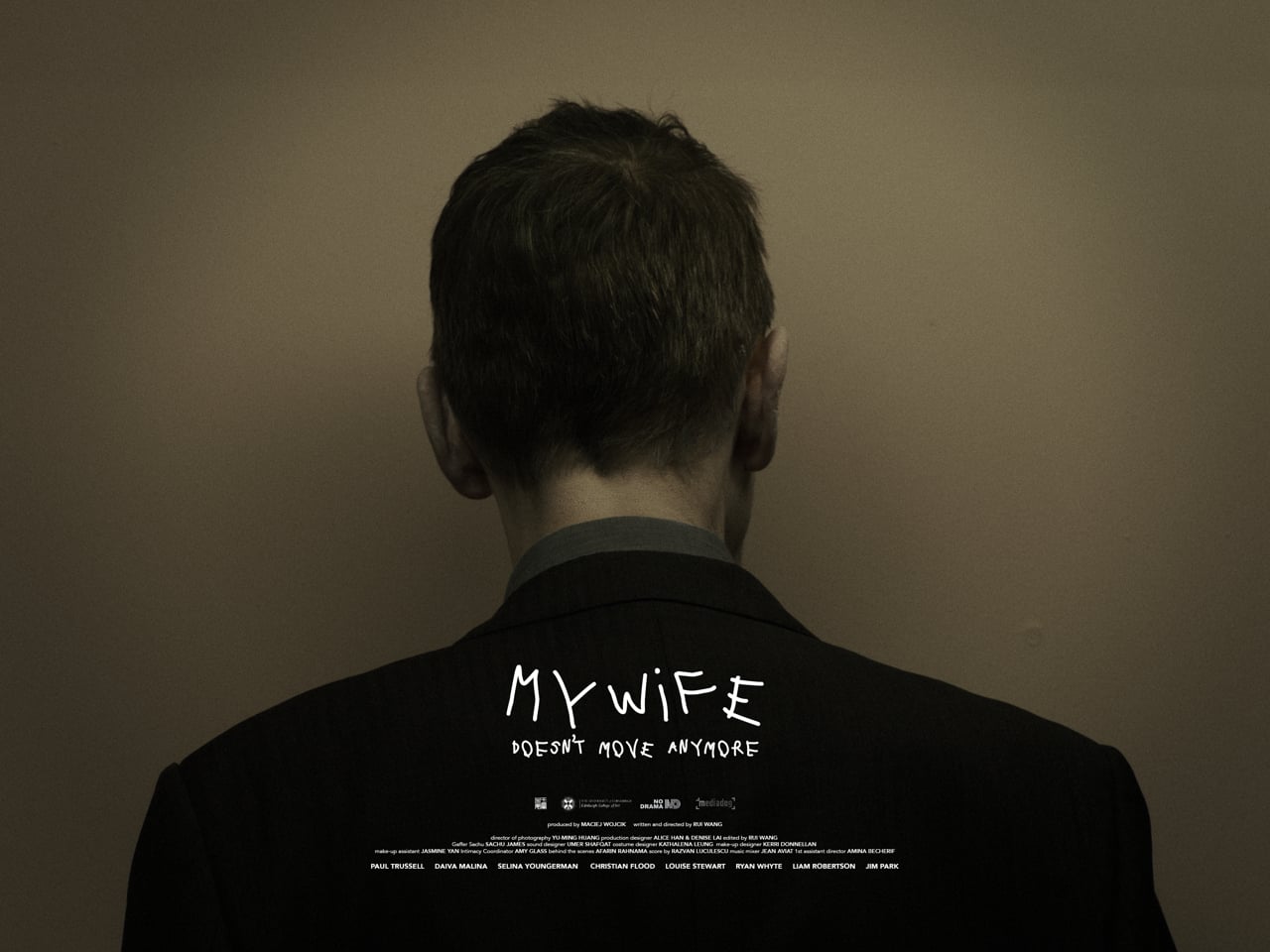
I just made a short film called My Wife Doesn’t Move Anymore with a full British cast, exploring a Chinese social problem. It was inspired by the patriarchal authority within traditional Chinese family structures, but because I didn’t want my father to understand it, I made it in English. In the future, I want to take bigger and further leaps between cultures and genres.
HWANG BROZ is a partnership between you and your brother Yu-Ming Huang, with your work spanning music videos, narrative and commercials. How did the two of you first start making films together, and when did you realise that your creative approaches complemented one another?
In 2023, we were two youths literally in our bedroom, trying to start a production company… his last name is Huang and mine is Wang (for complicated reasons), and we are brothers, and we are Gen Z, so HWANG Broz 王黄兄弟 it was.
Our first ever film was a “no-budget” music video for a Chinese rapper called MC Webber. It was truly catastrophic, but it got us on the internet and people started seeing the work we were putting in and, thus, more work came in.
I was always into writing and coming up with strange ideas, drawing storyboards, and editing, while Yu-Ming was born a real square-headed, gym-going, Bitcoin-buying tech nerd. He was into cameras, lenses, and stuff, and was very sensitive to colour, so he graded all of our films. I always approach material with spontaneity and am always down to adapt, while Yu-Ming is more of a stubborn guy. He likes stability and formulation. Because our conflicts are so intense, at some point we did try to work with other directors and DOPs separately, only to realise that without the friction, it was impossible to create something as good.
Our friends always say we are complete opposites, like Yin and Yang.
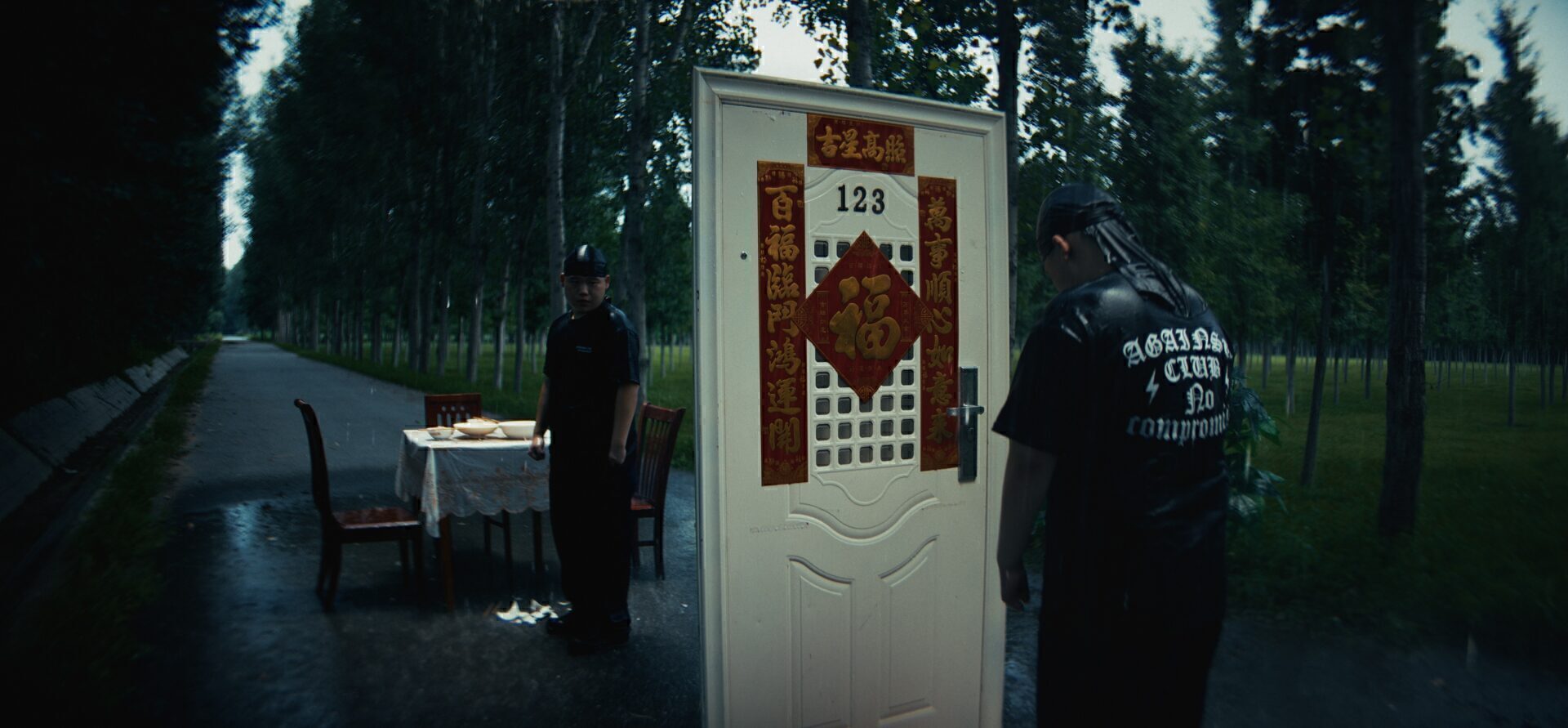
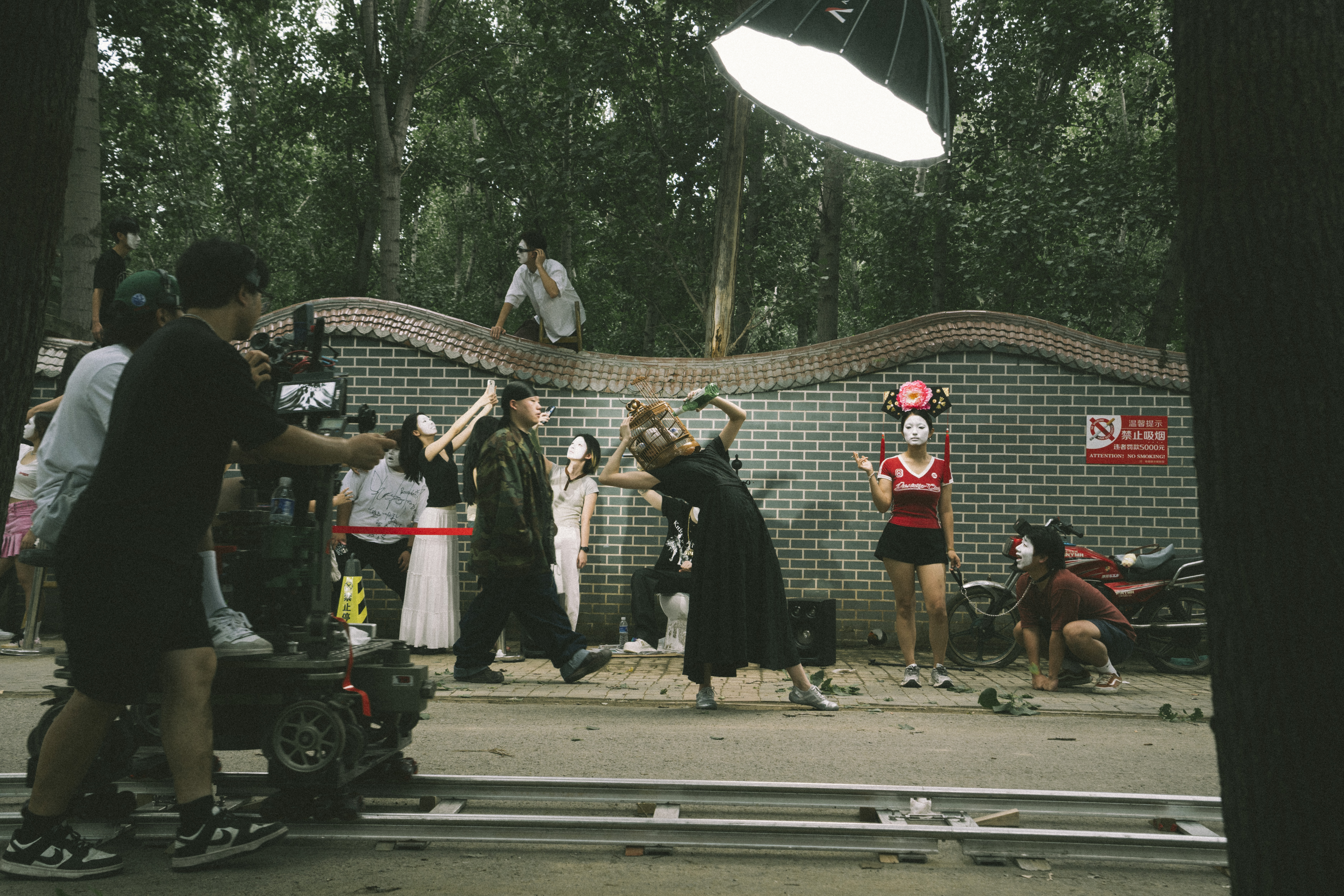
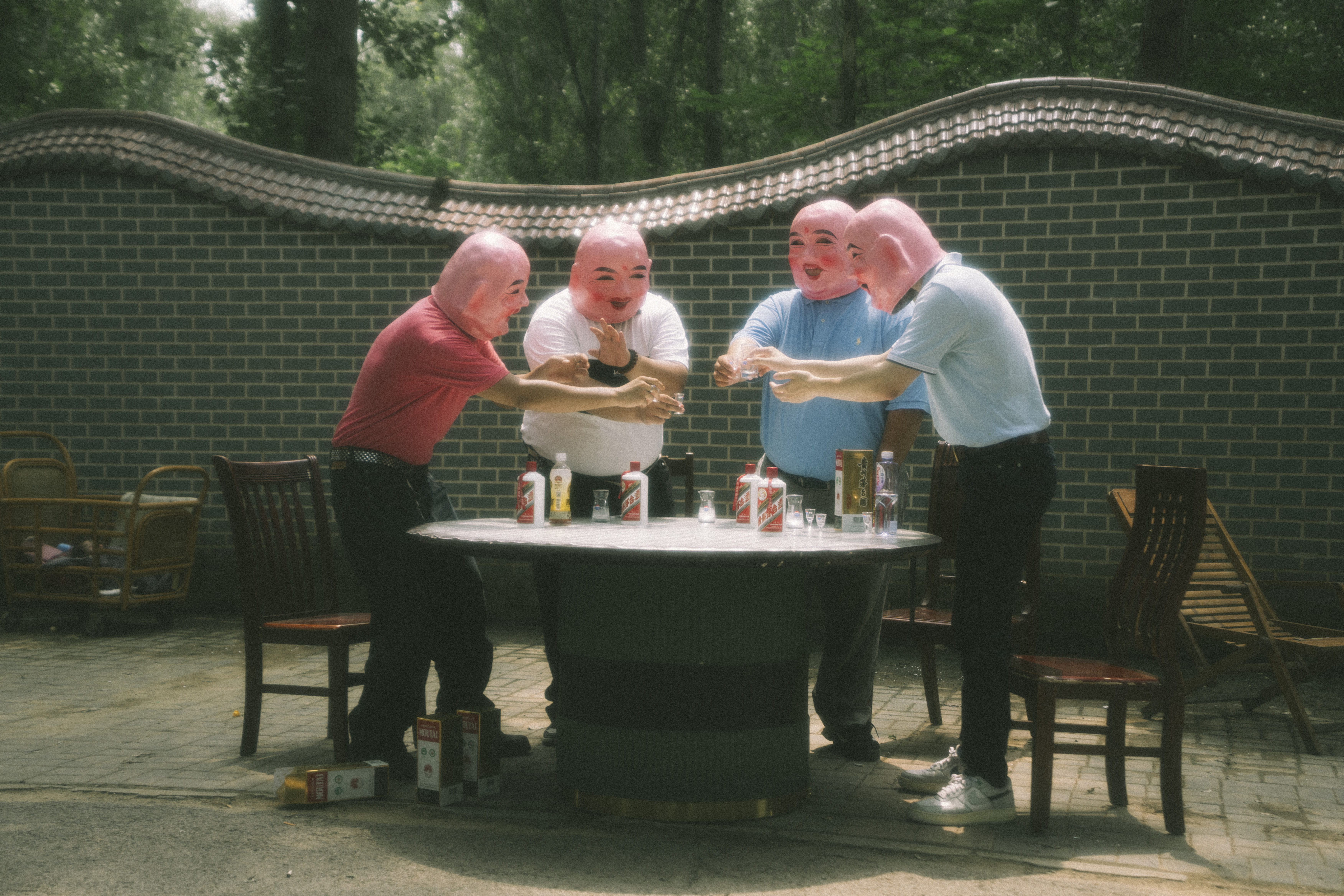
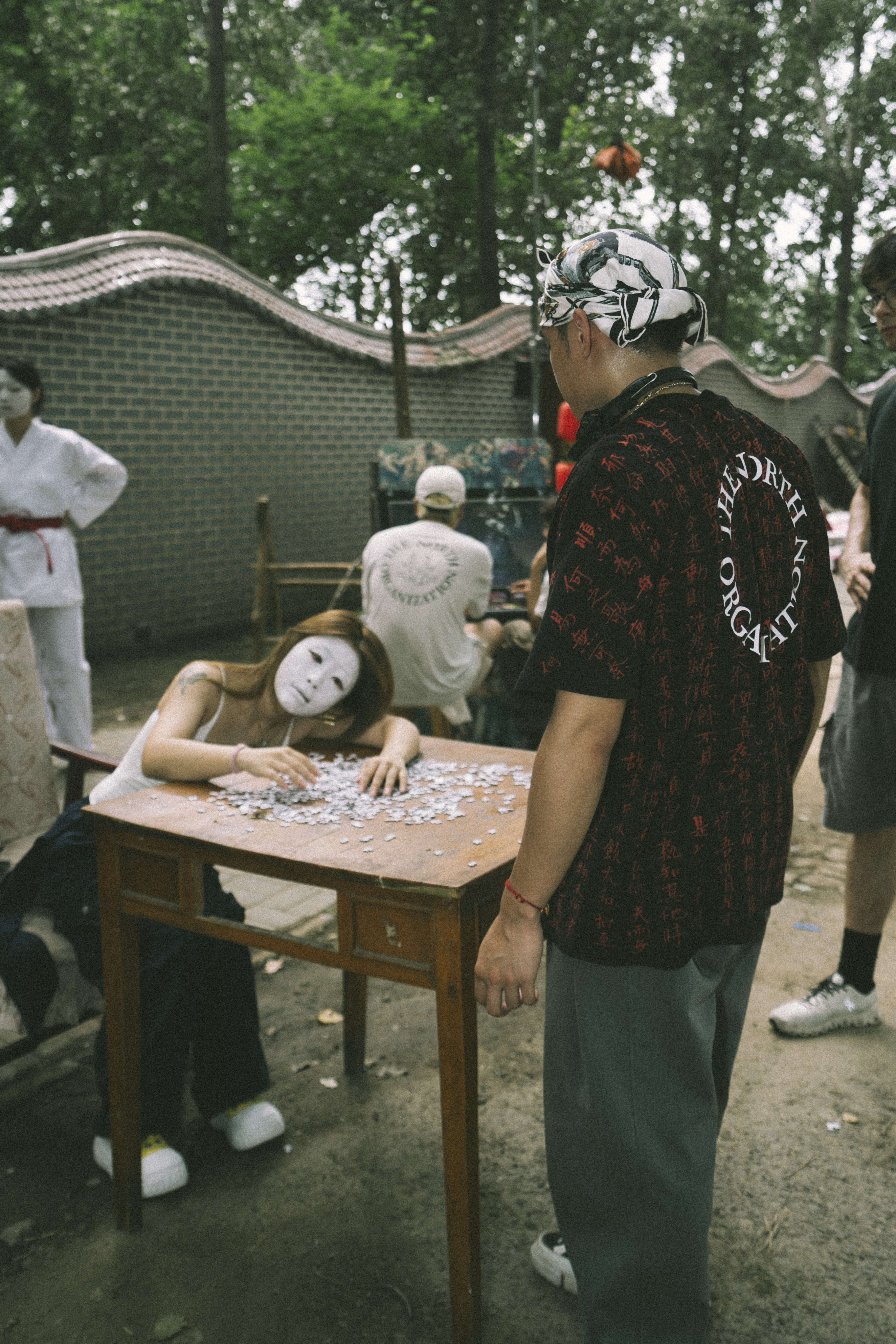
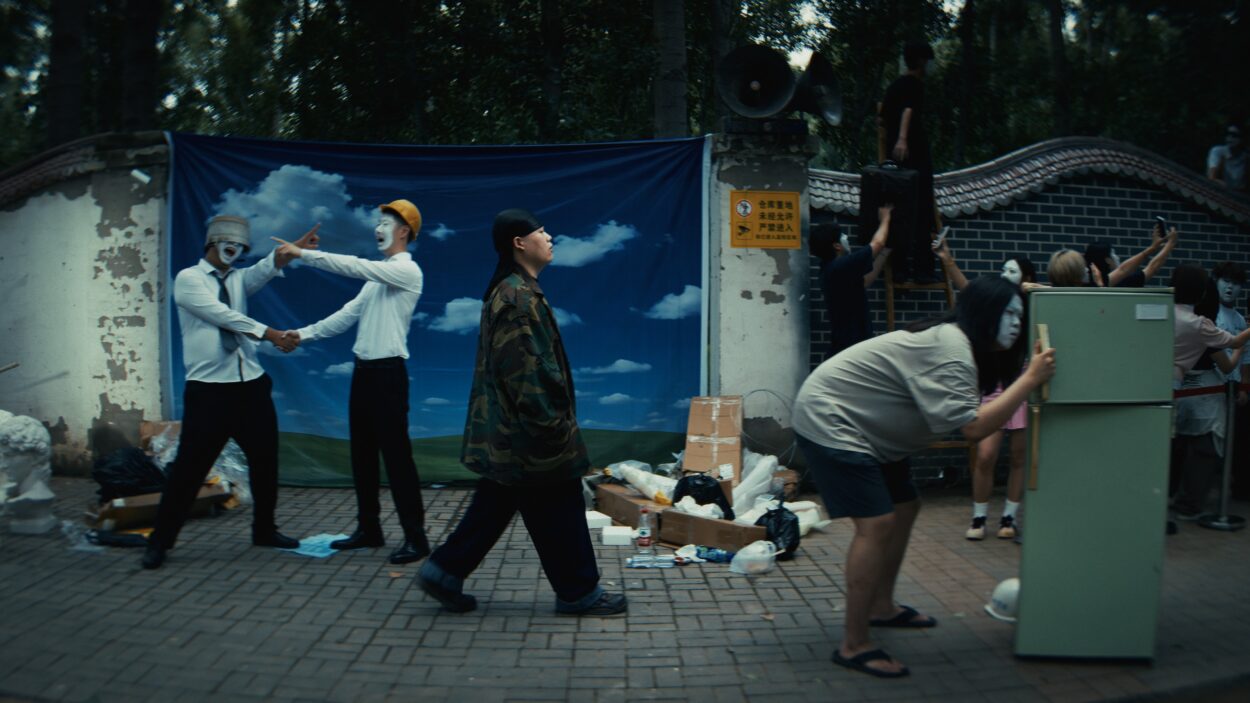
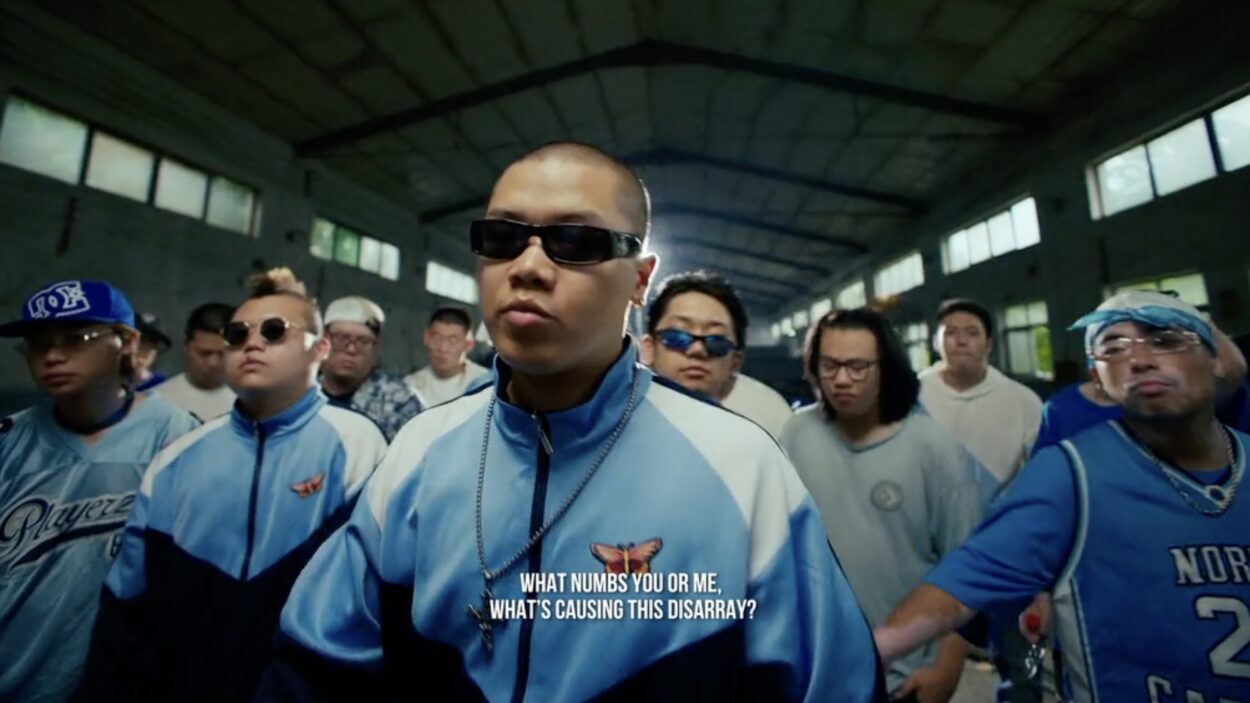
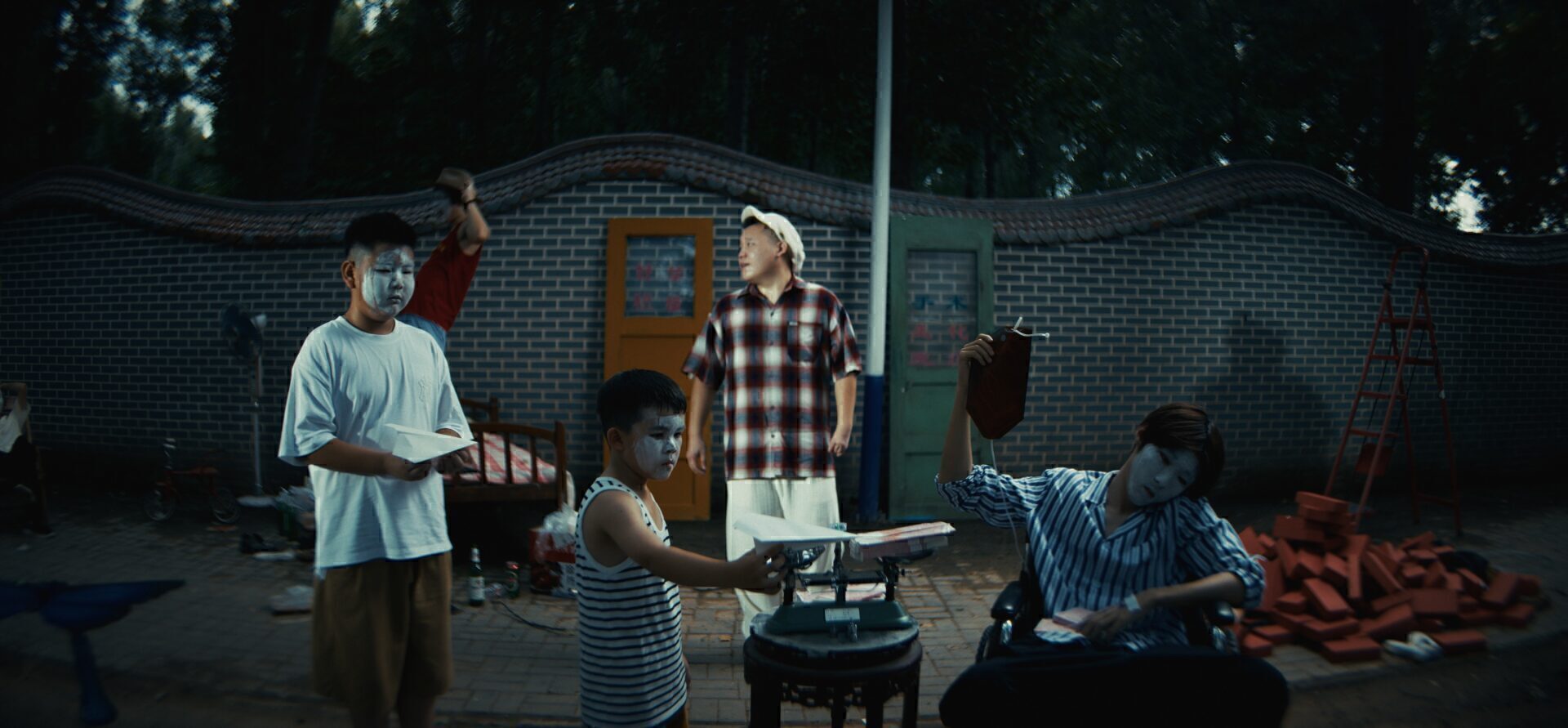
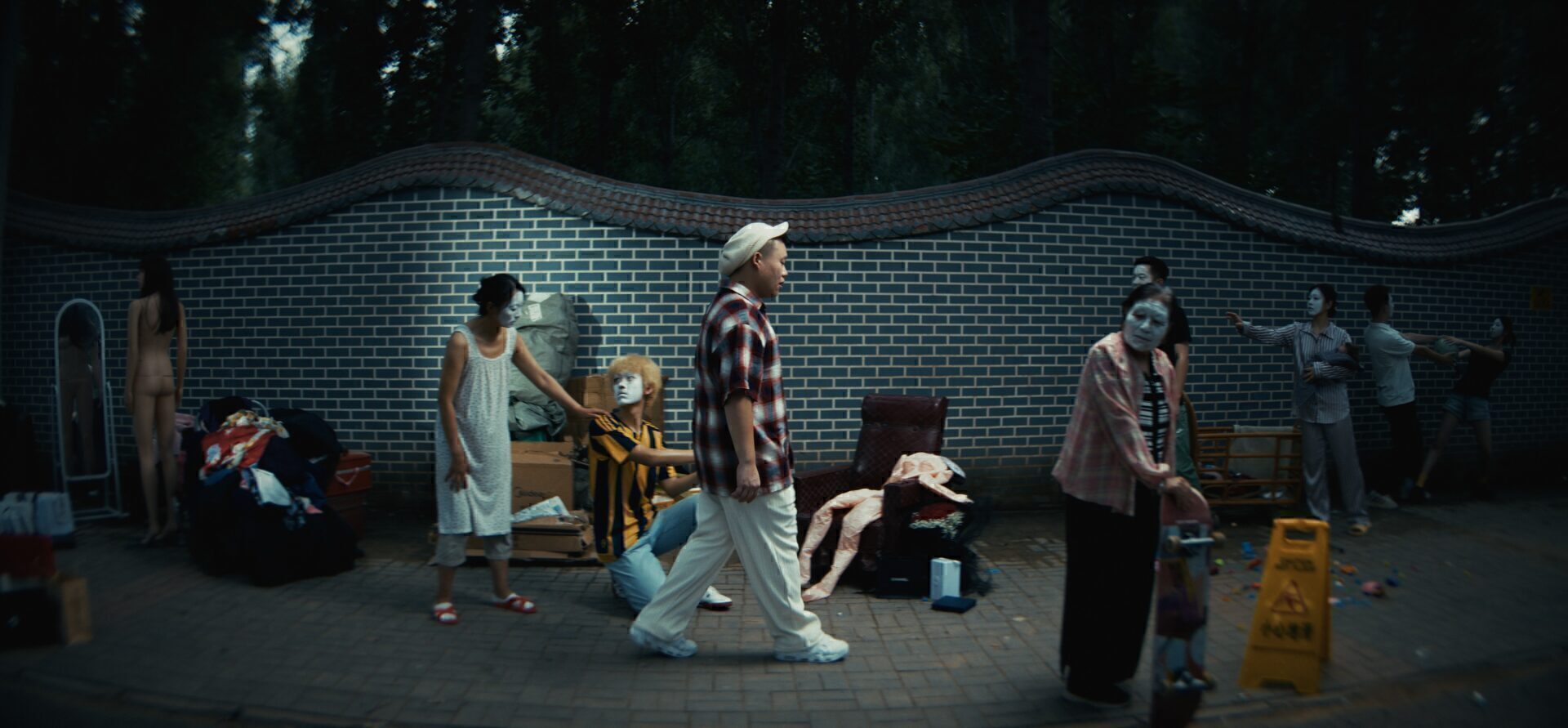
Your video for Shawty Sweat consists of several long takes down a dreamlike street, and stark animated sections. What inspired the idea, and how close to your original concept is the finished product?
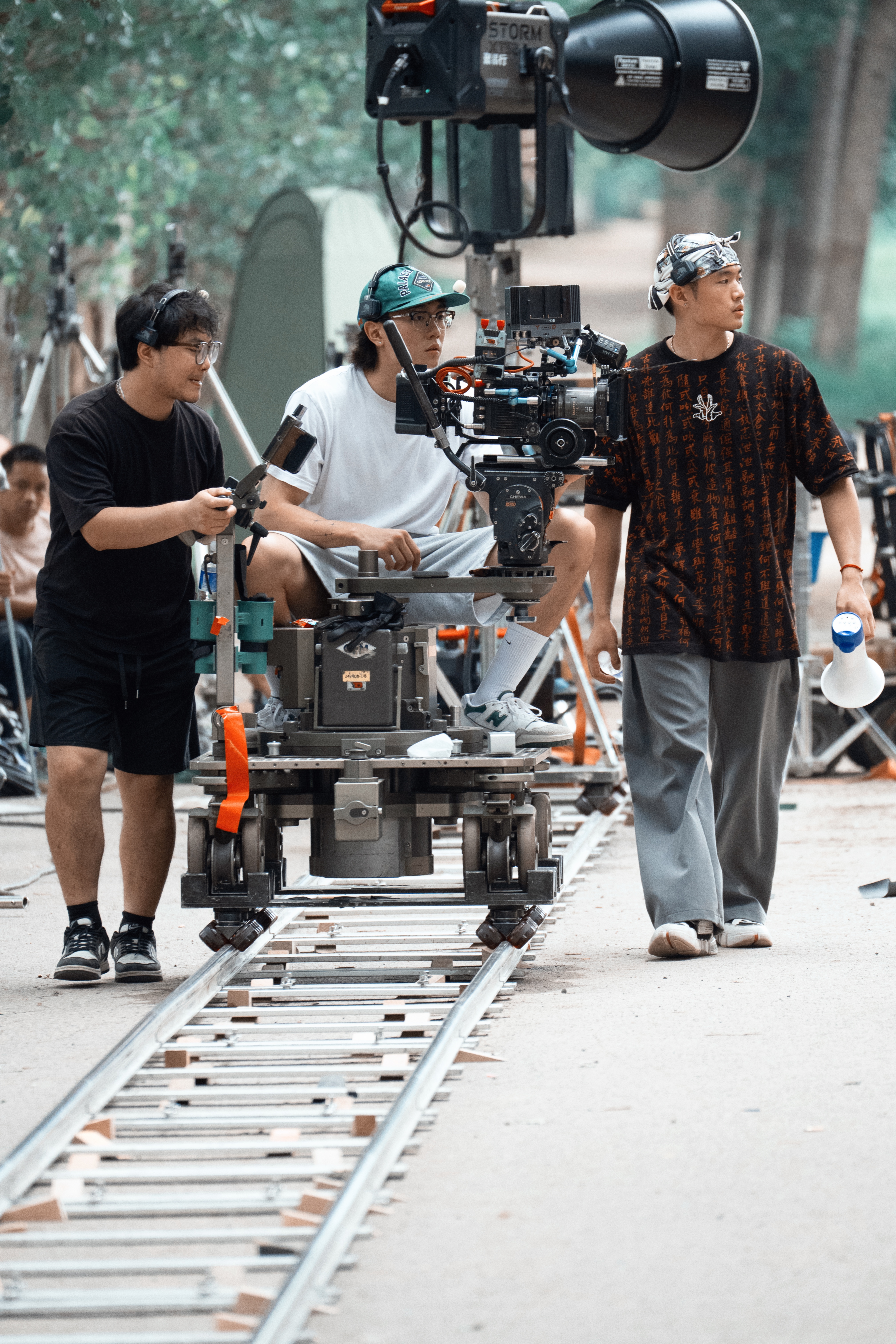
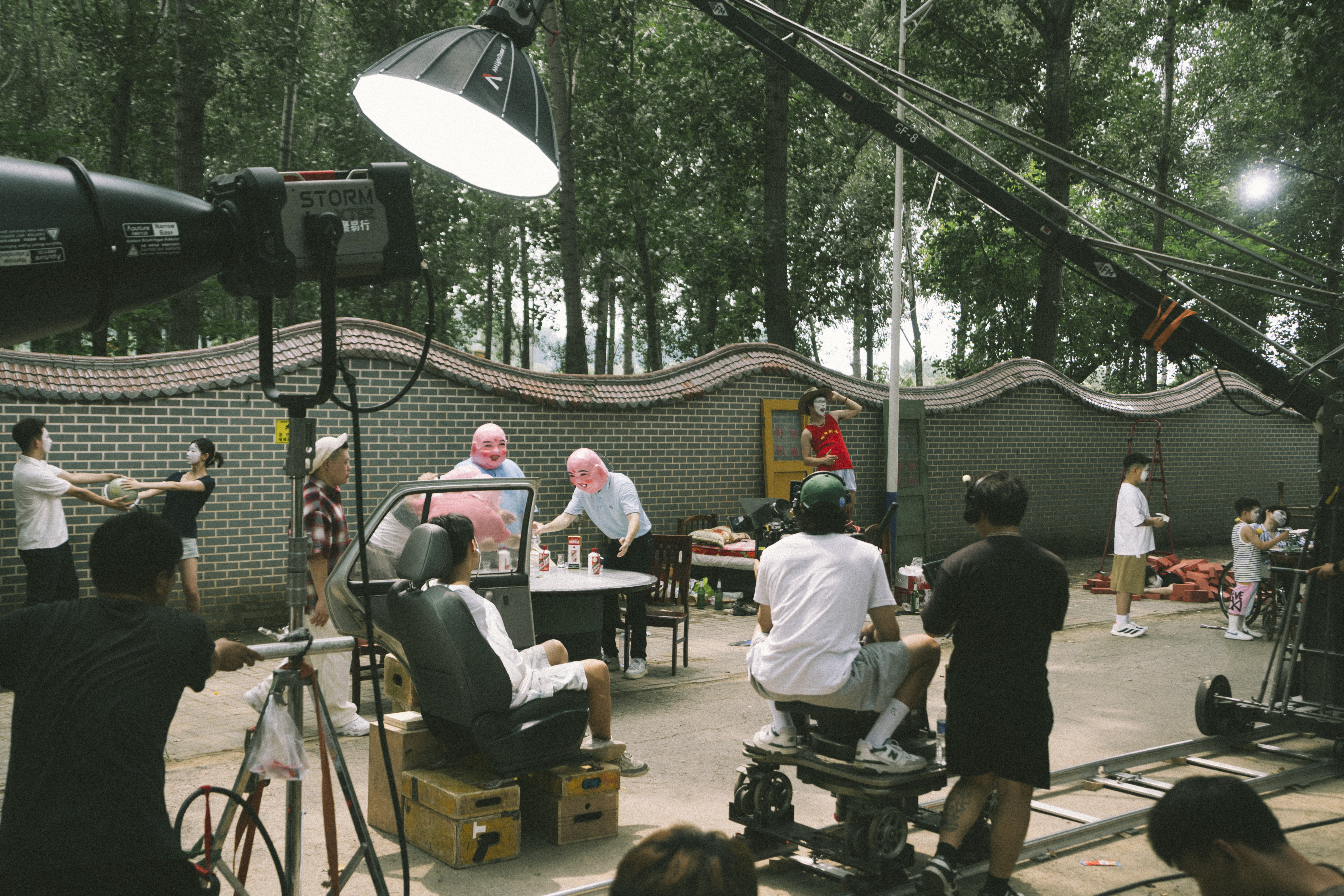
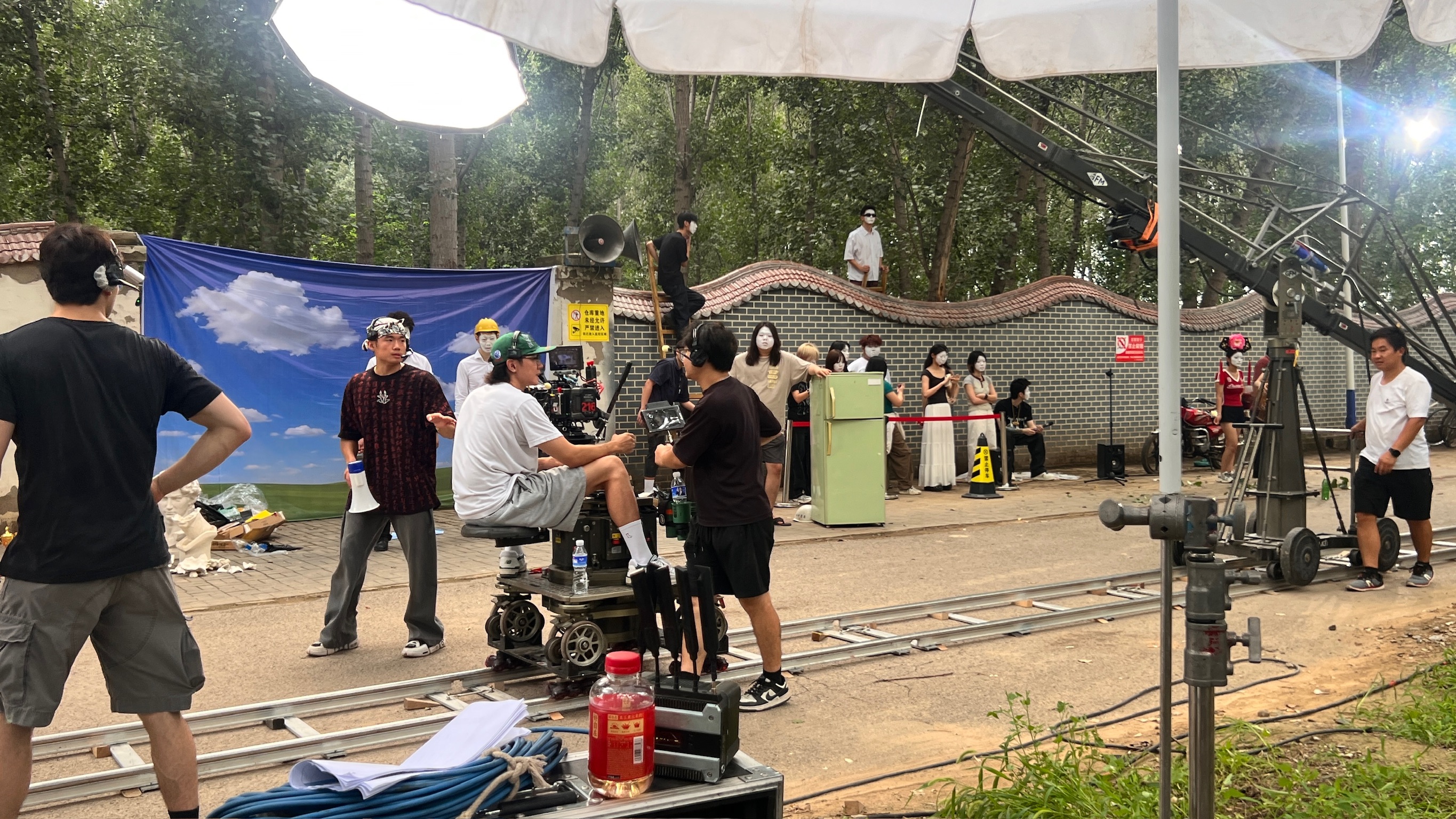
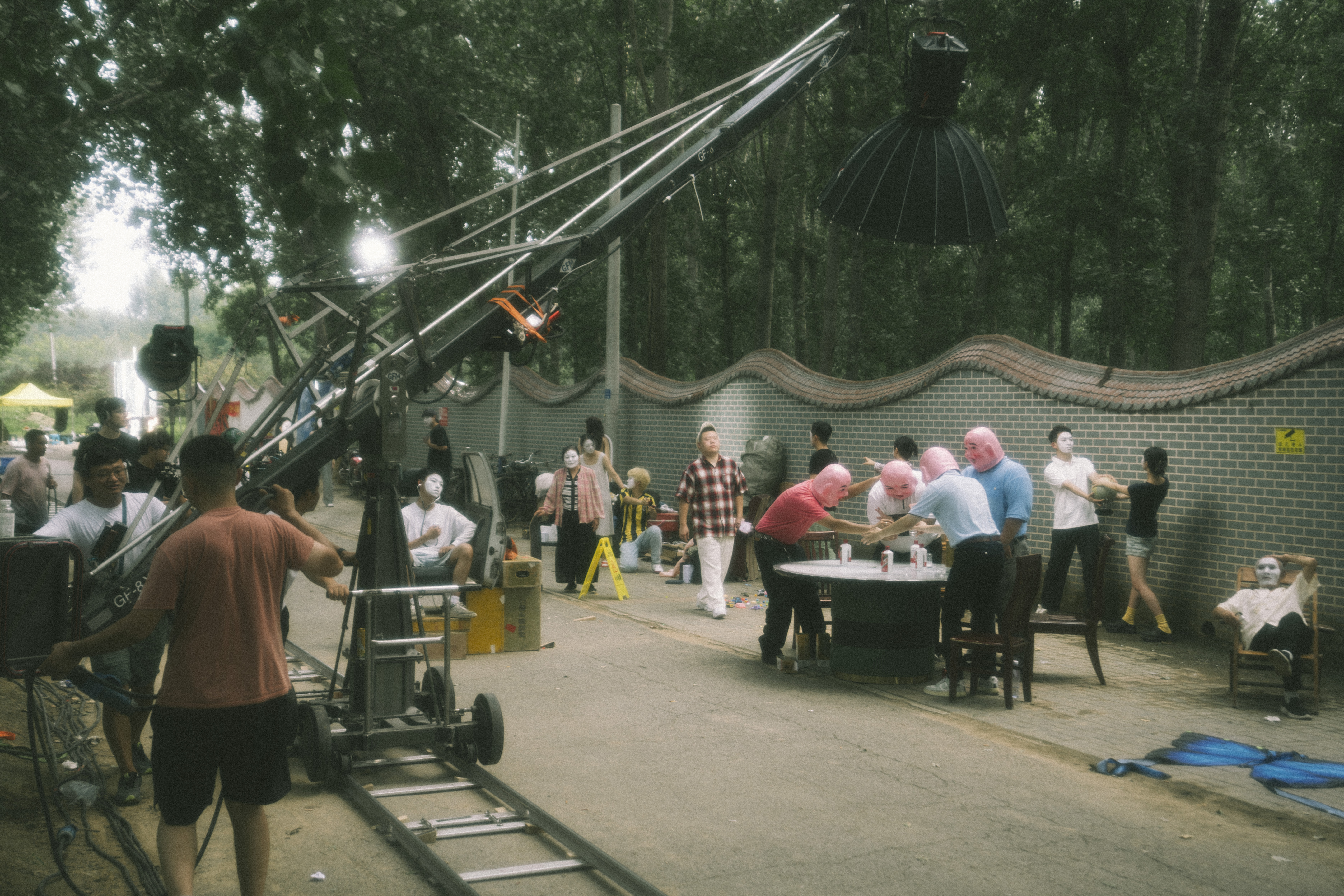
At the time, I was obsessed with a Chinese contemporary photographer, Wang Qingsong. He had a piece called The Night Revels of Lao Li (2000), and it was a horizontal, mural-like photo consisting of numerous scenes, almost like an ancient scroll. I took this idea and implemented it with characters that I resonated with. Because I spent so much time preparing the storyboards, casting, looking for the right location and props, I thought my original concept was 85% close to the finished product, which is not bad at all considering we shot the film on a £7K budget over 3 months.
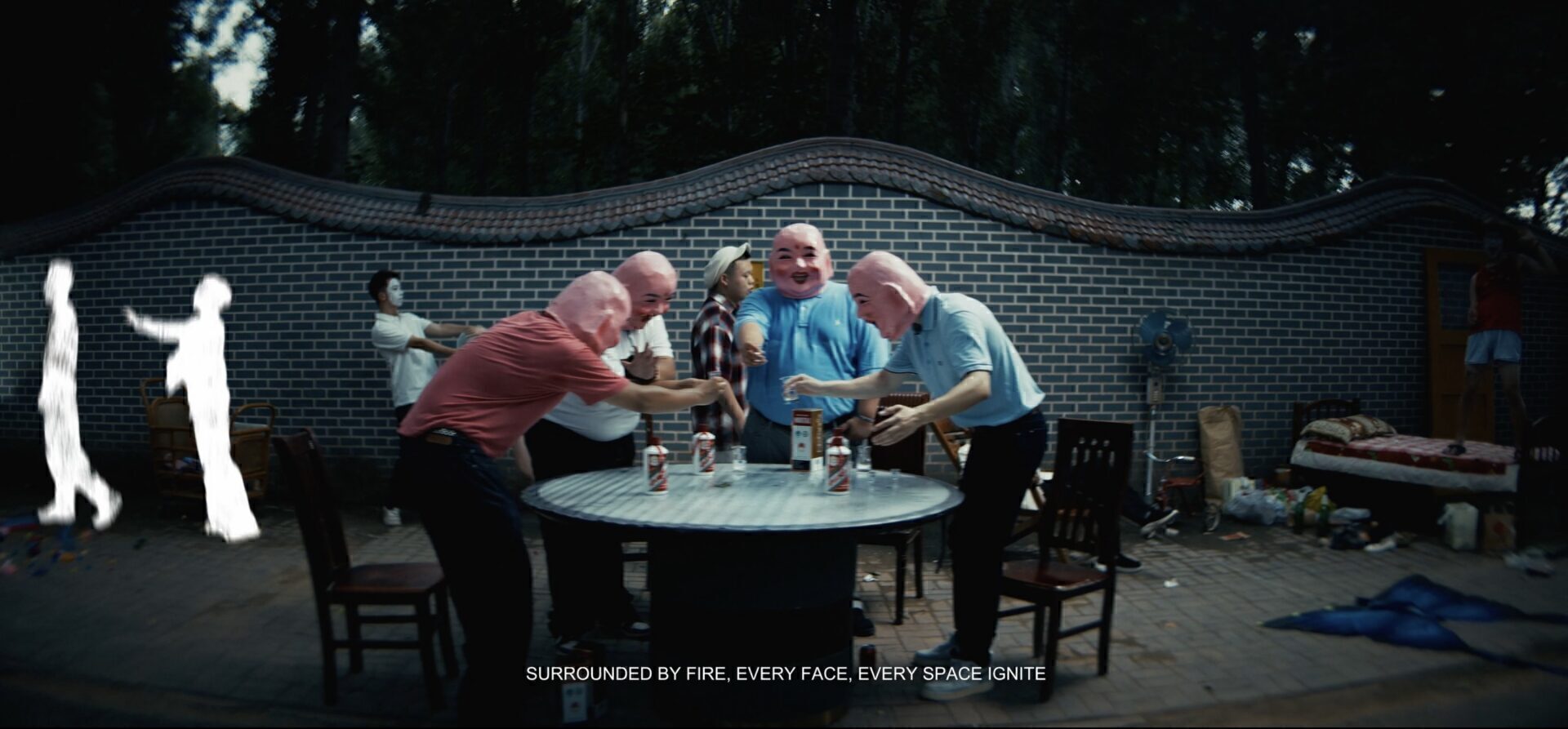
This video was also selected for Tribeca Film Festival. How important have awards and festival selections been in helping you build momentum as a duo?
Tribeca Film Festival was a brilliant opportunity to put ourselves out there. I think the biggest gain from awards and festivals is the credibility they give us, making more people willing to work with and support us. Now we’re being selected by Oscar- and BAFTA-qualifying festivals, which basically proves that we can go further.
Looking ahead, is there a particular kind of film, artist collaboration or creative format that most excites you?
I think what excites me most is the idea of moving into long-form narrative films, having more space to explore strange stories. At the moment, I am very drawn to the writing of Efthimis Filippou and Roberto Bolaño, and the visuals of Roy Andersson. I think I am still in the exploration stage, yet to find my own style.
Knowing how harsh the world is and how hard it is to sustain ourselves as filmmakers, my only wish is to be able to keep making films until I die.