Currents
For people discovering you now, how do you describe yourself as a director?
I approach each project with an exploratory mindset. I’m interested in emotionally driven narratives and creating immersive, atmospheric worlds that feel slightly off-centre.
Where did you grow up, and what first pulled you toward filmmaking?
I grew up in Madrid. I was drawn more to experiencing things, watching, noticing the world around me. Filmmaking only became real when I realised it was a way to capture that curiosity and shape experience, movement, and emotion into something tangible on screen.
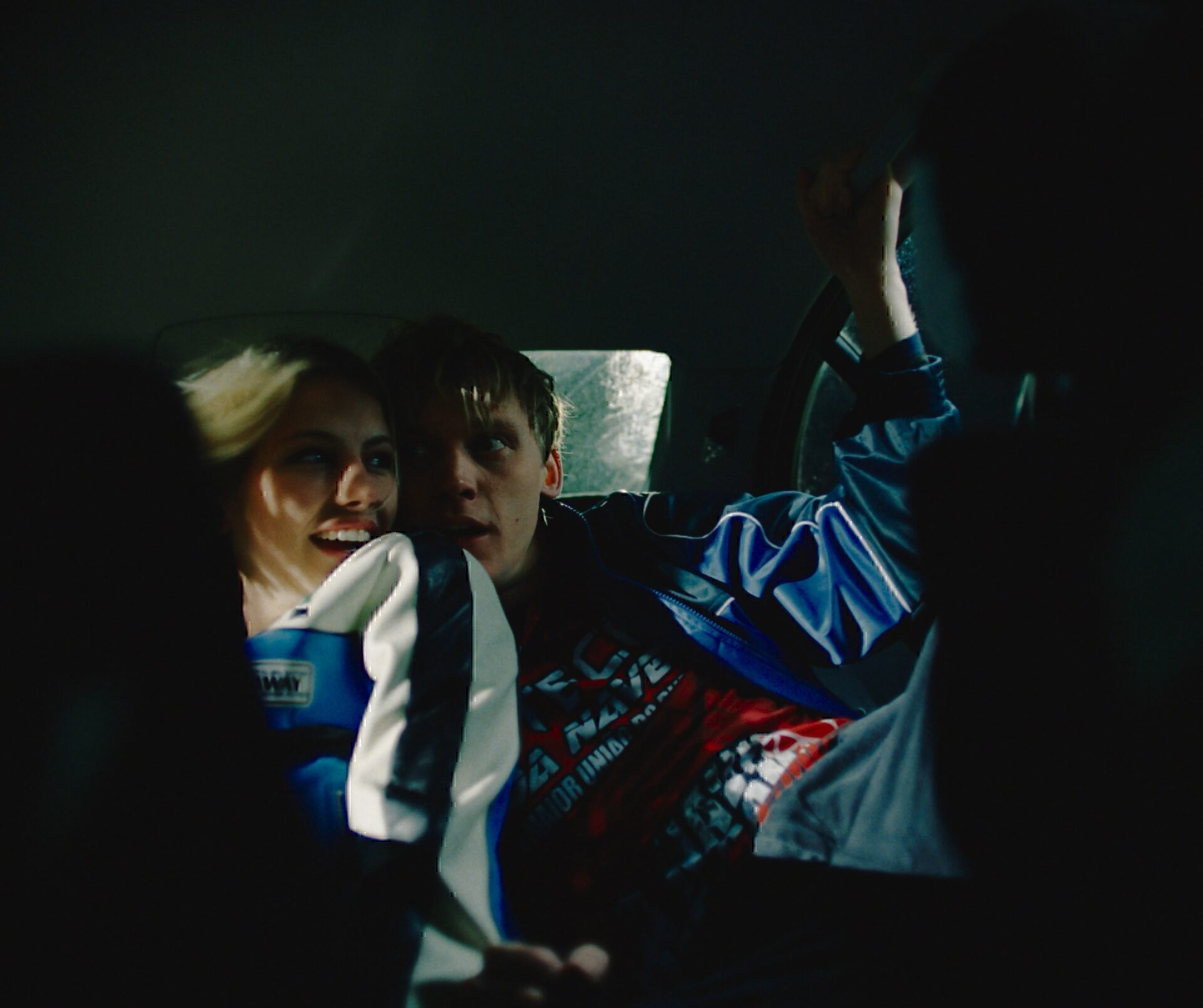
Currents
Was there a specific film/video/artwork that made directing feel possible for you?
Not necessarily, no. If anything, film felt impossible to me for a long time. From a voyeuristic POV, watching something great can make you feel completely removed from it, at least at the beginning. You admire instead of criticising.
What made filmmaking feel possible wasn’t inspiration, it was immersion. Getting soaked in the craft. Being on sets, understanding how you light a shot, how performance shifts with the smallest adjustment, how much of it is craft and collaboration rather than mystique.
Once you’re inside the process, it stops feeling untouchable and starts feeling real.
How do NYC and Berlin differently affect your work and your headspace?
Both cities are incredibly vibrant and constantly stimulating, which can be exciting but also overwhelming. It’s hard to find focus when there’s always so much happening around you. They keep your head spinning, in good and challenging ways.
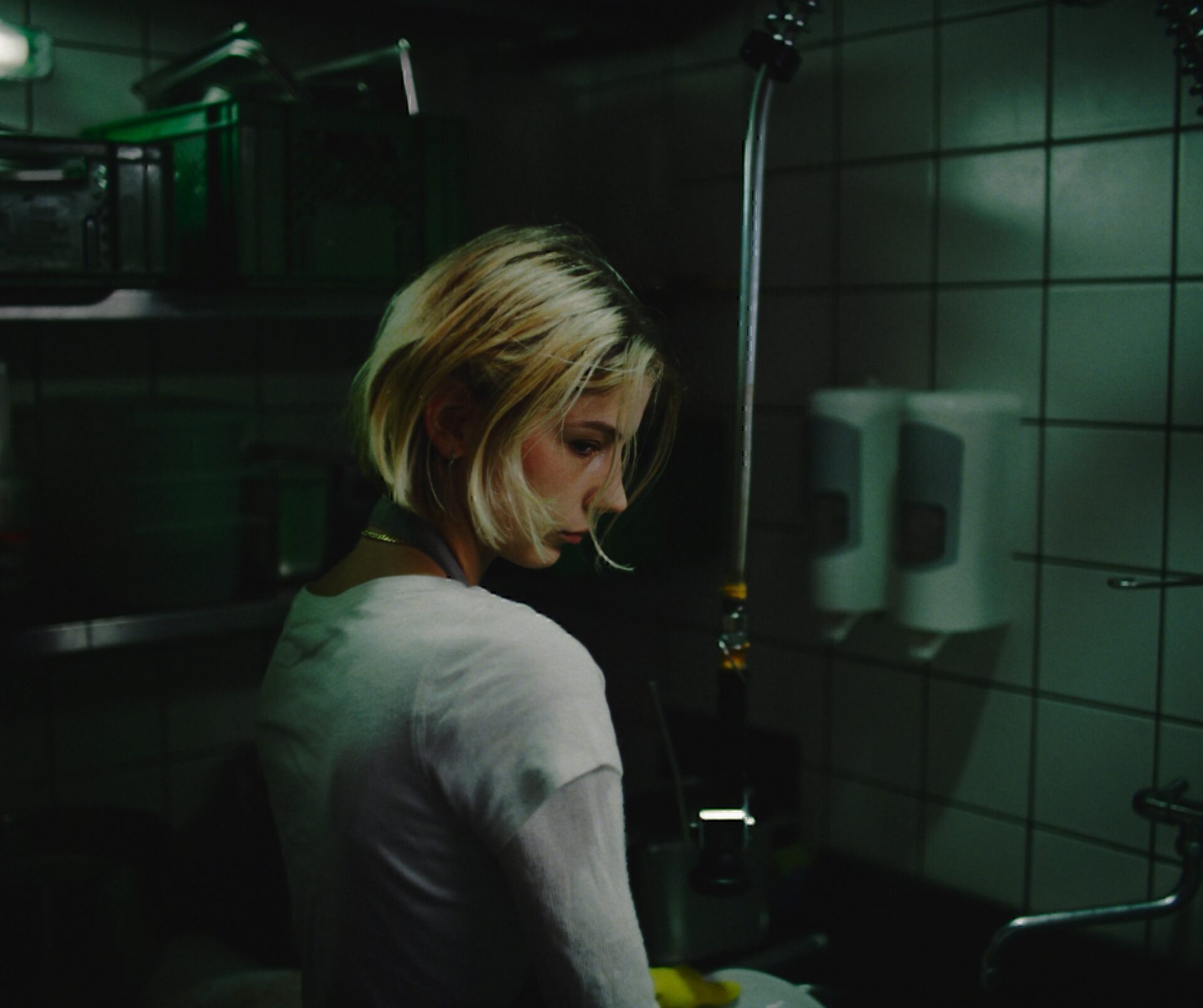
Currents
What triggered the idea for your short film Currents?
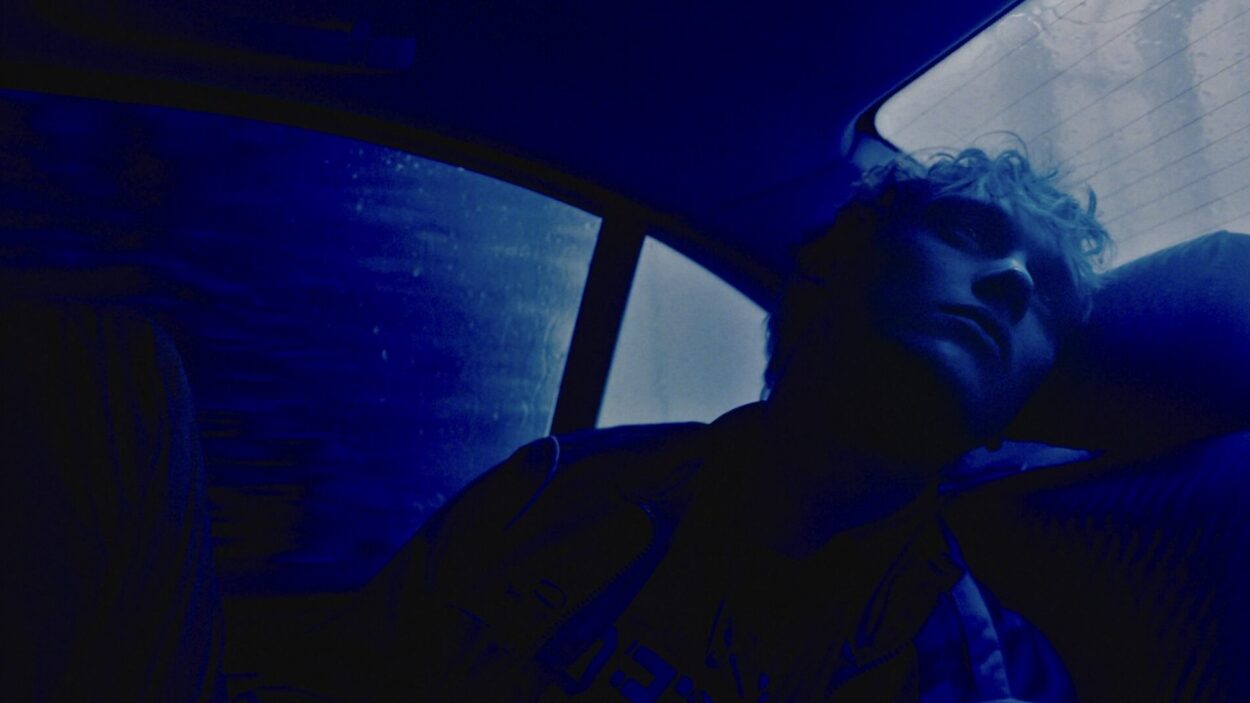
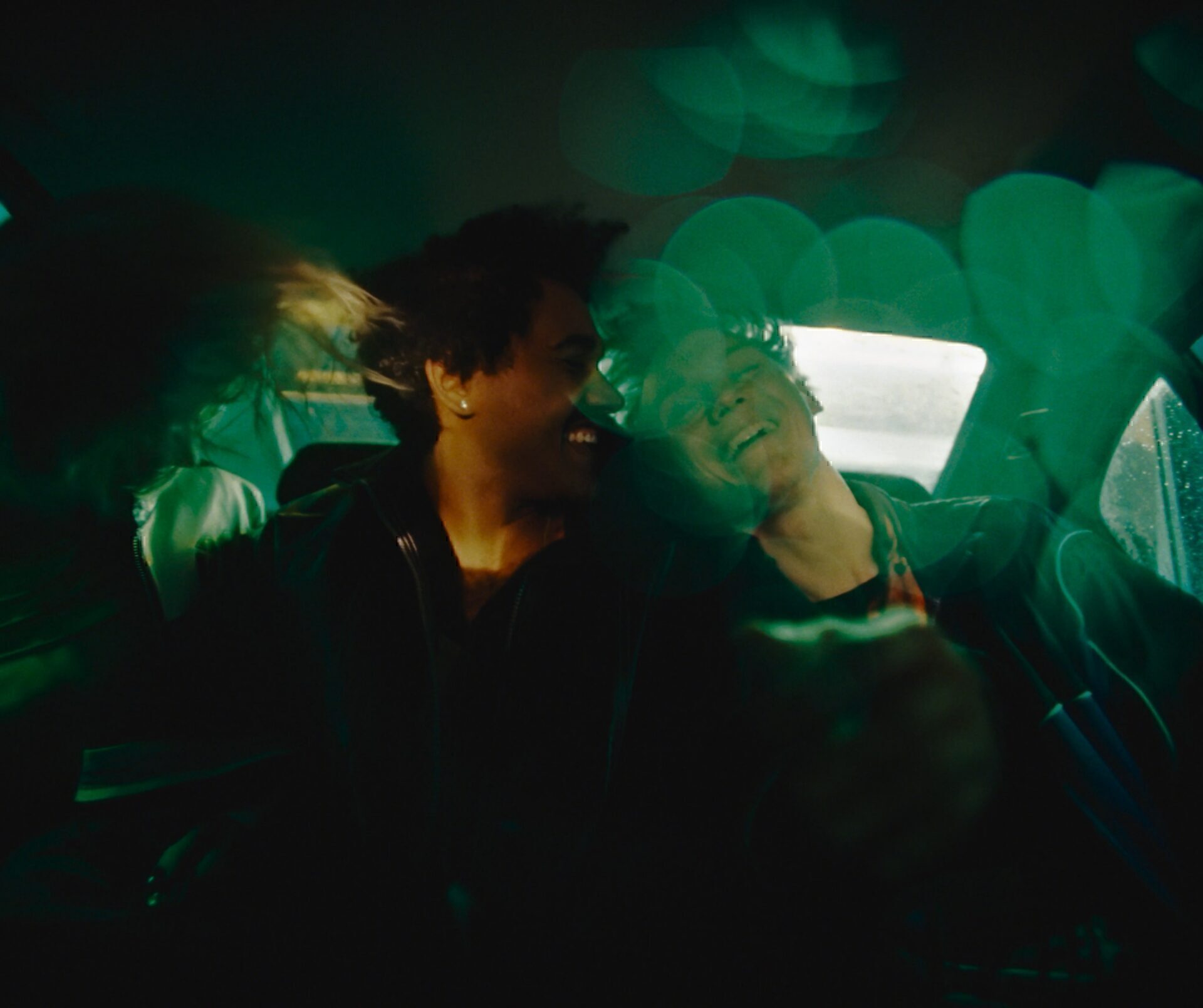
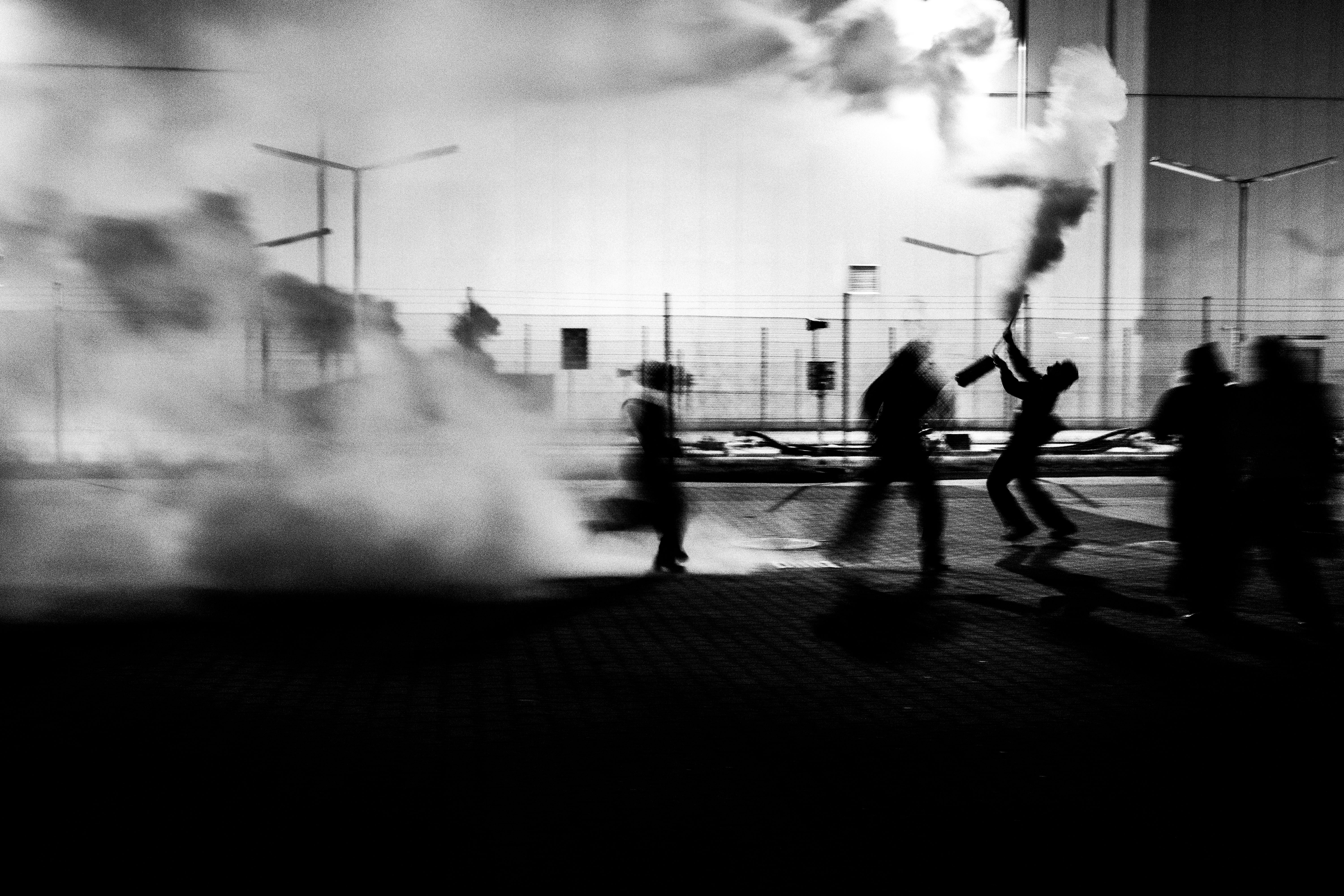
Car washes have always fascinated me. They feel like suspended spaces, temporary bubbles where time pauses and you’re sealed off from the outside world. There’s something strangely protective about them.
I started wondering what would happen if that protection was punctured. If reality suddenly forced its way in and shattered that sense of safety.
Now that I think about it I also remember rolling down the windows at a car wash when I was 8 and being screamed at by my dad. That was probably the start of it.
And what was the first seed for Against the Skin?
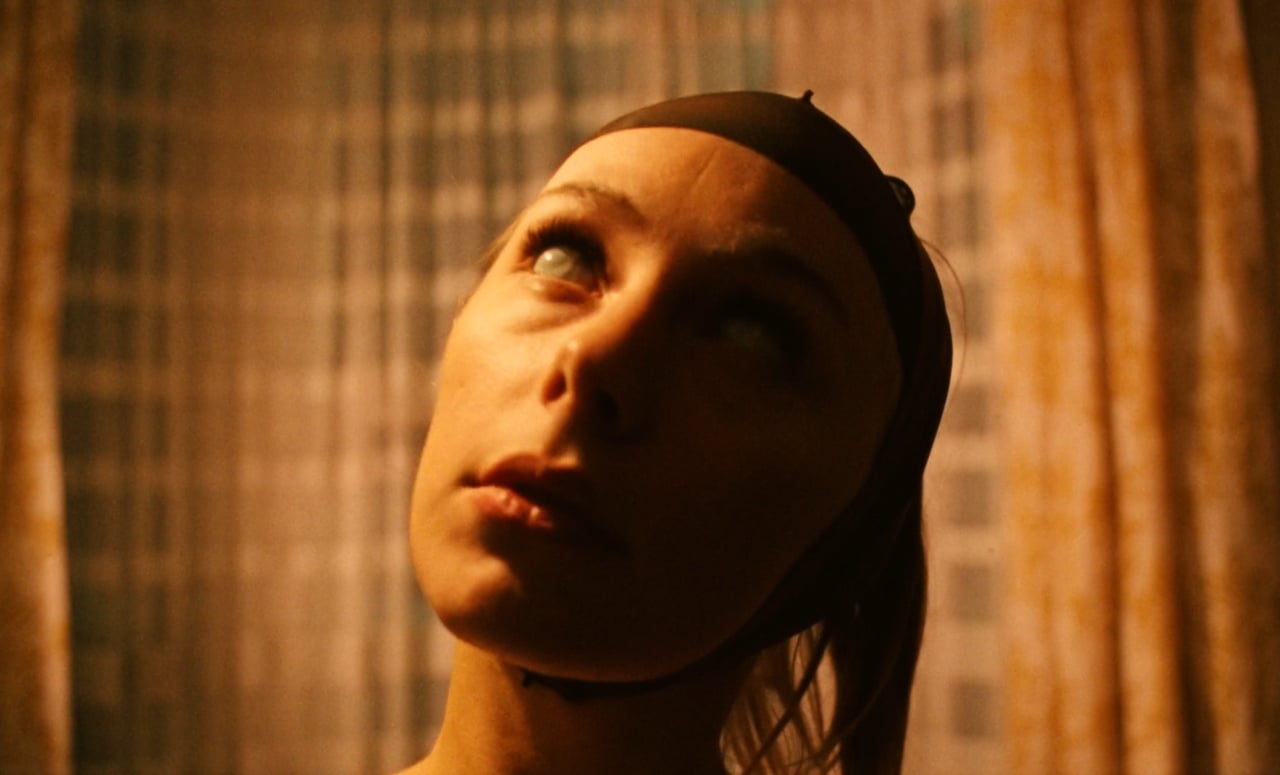
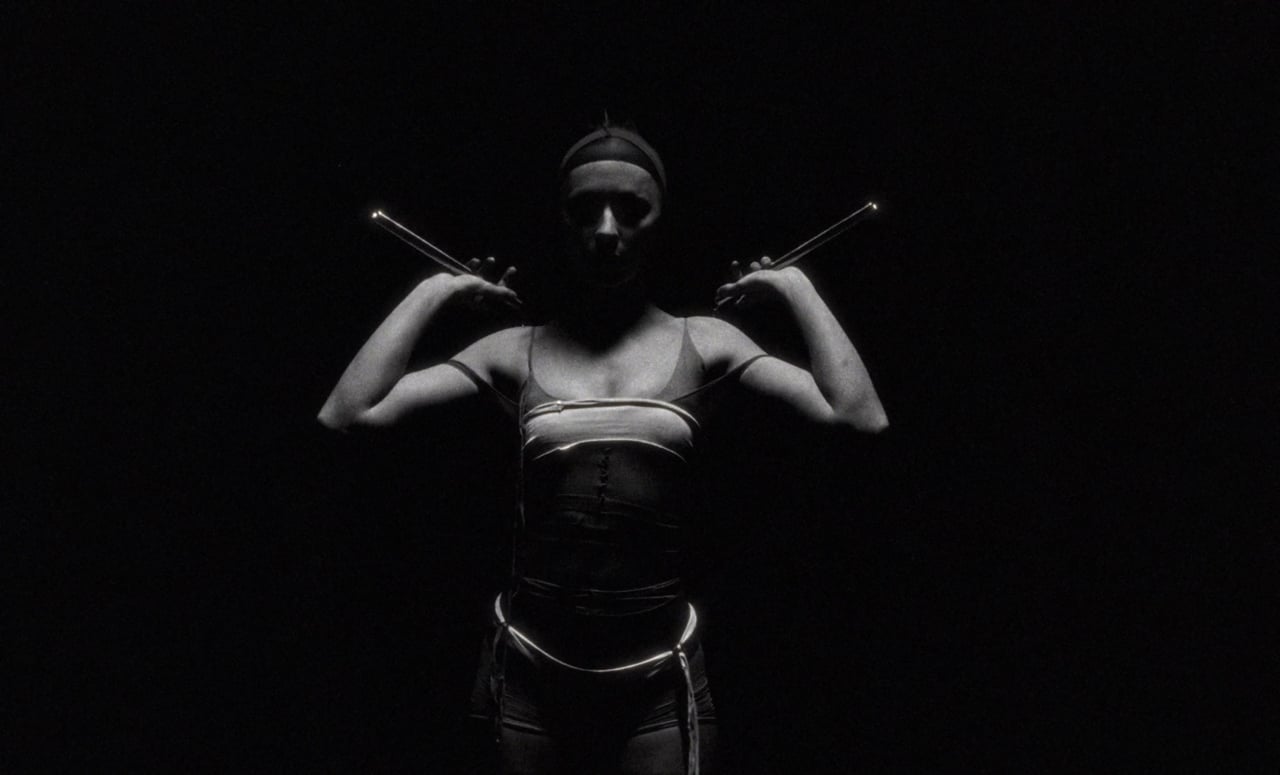
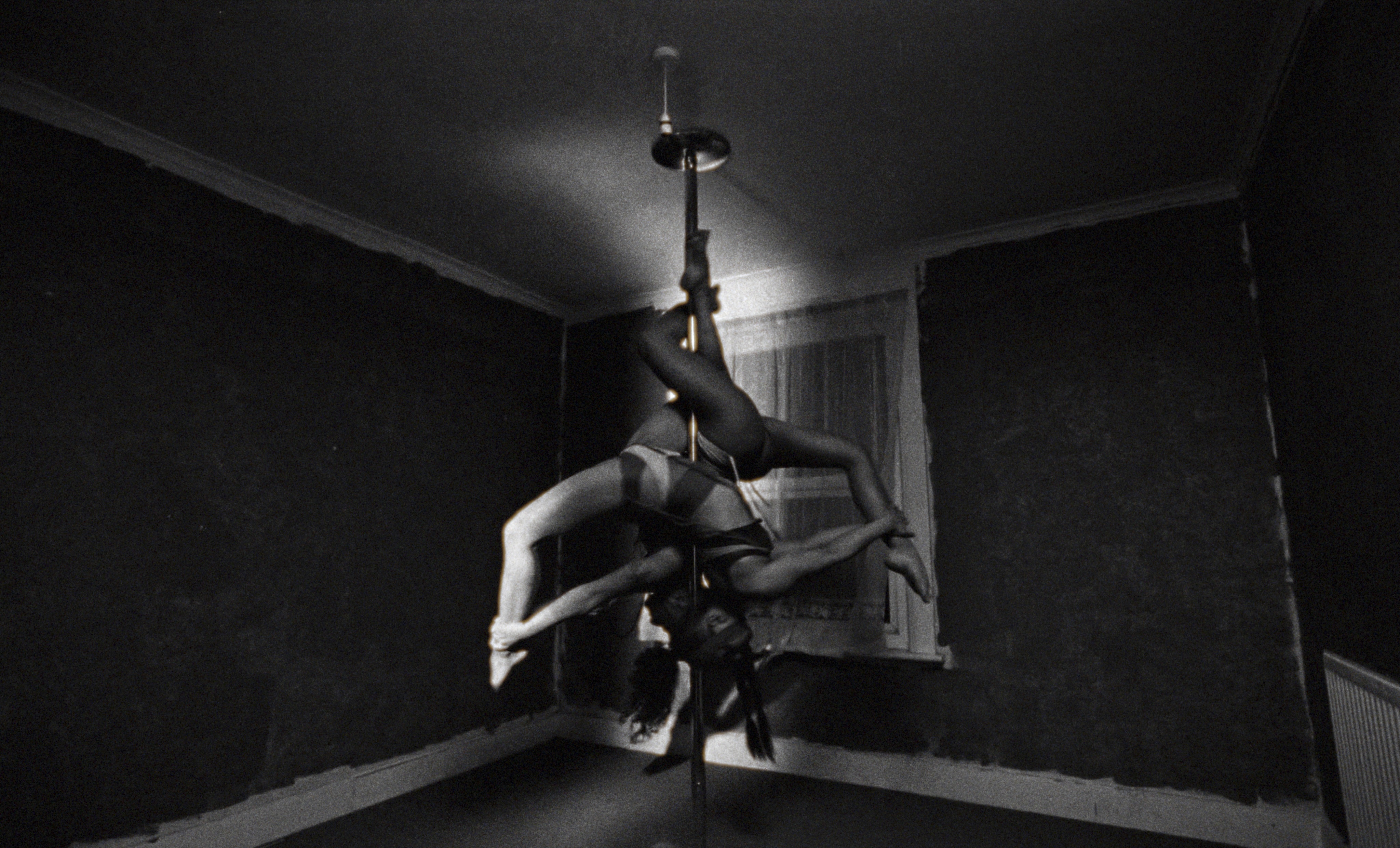
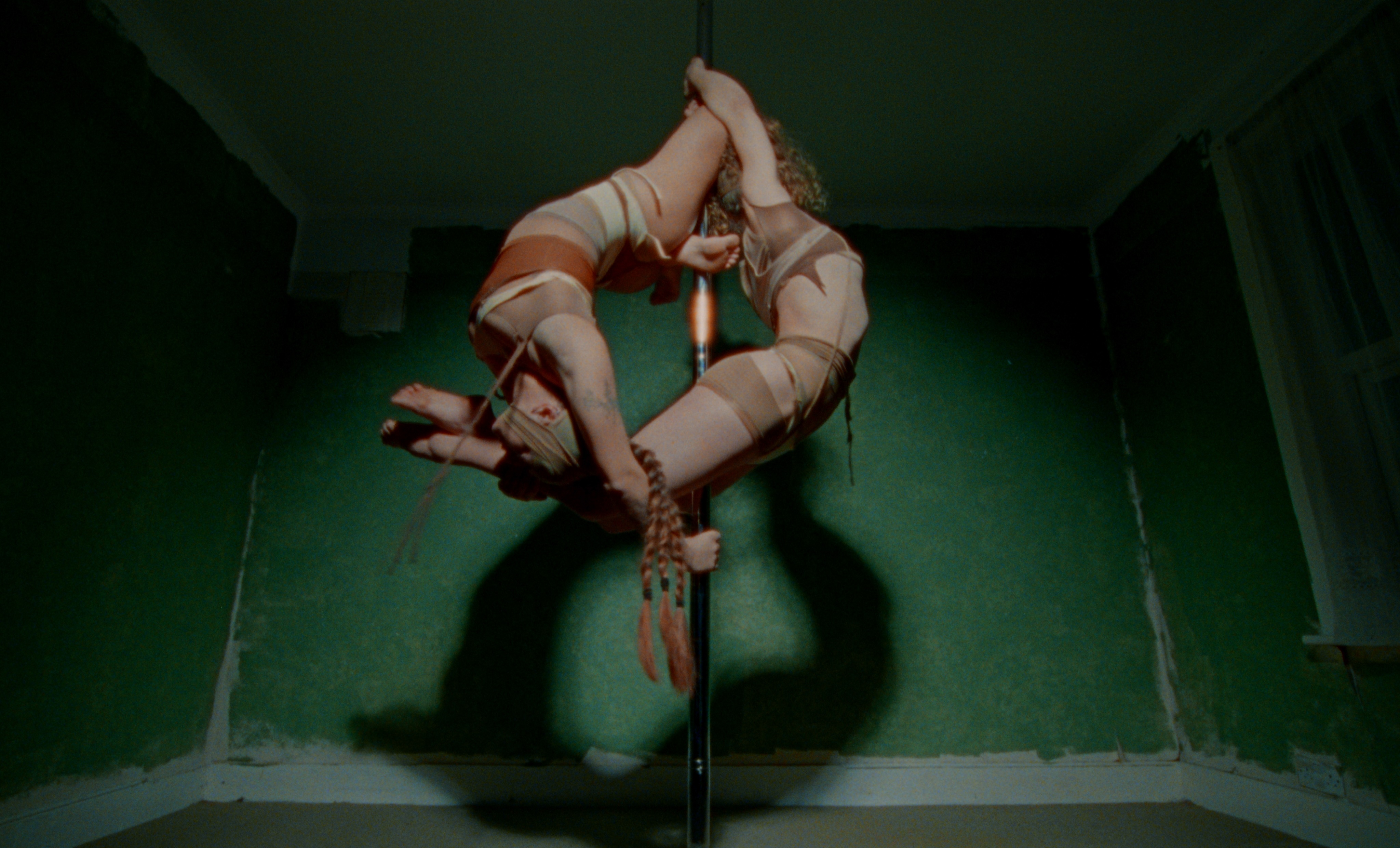
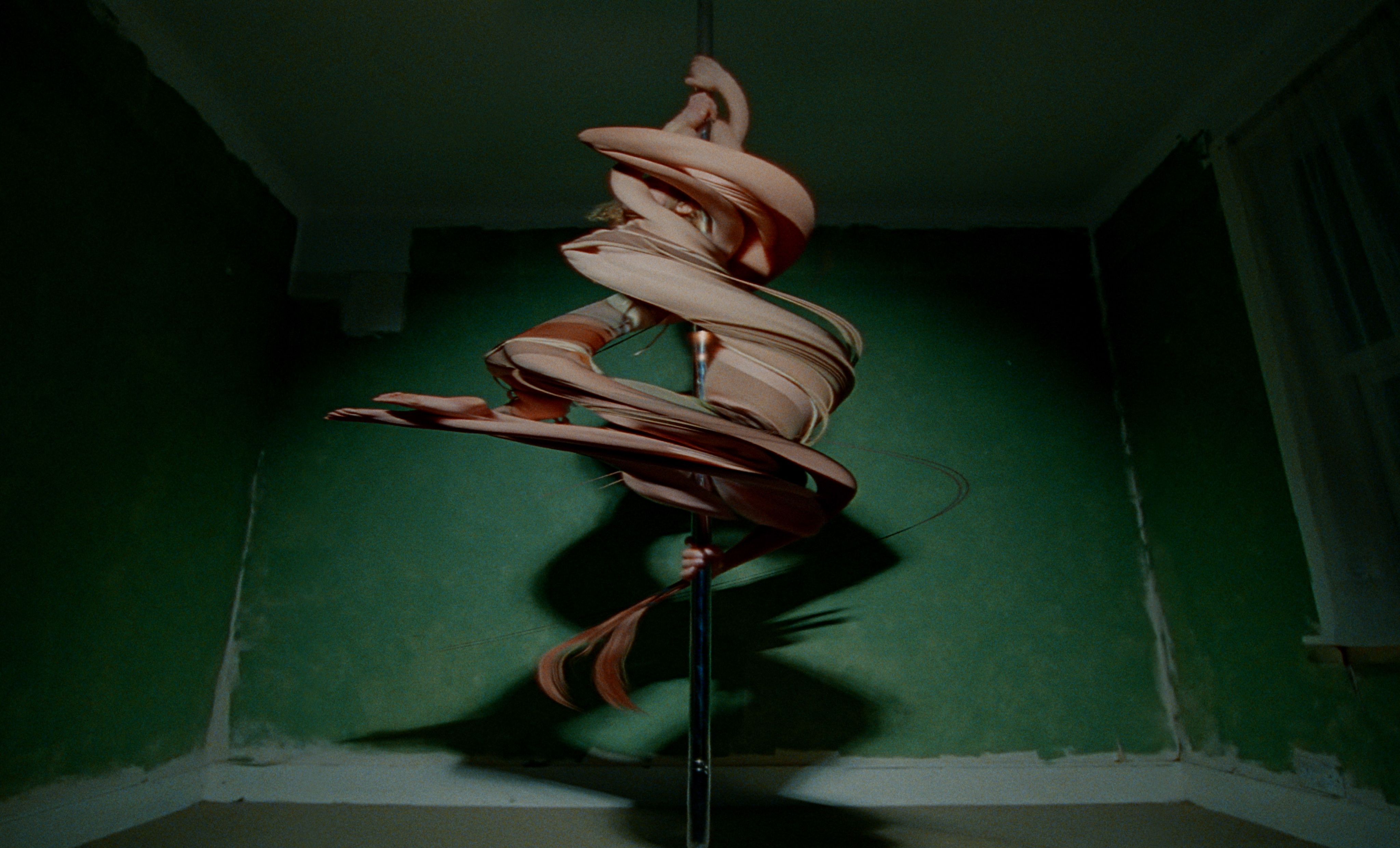
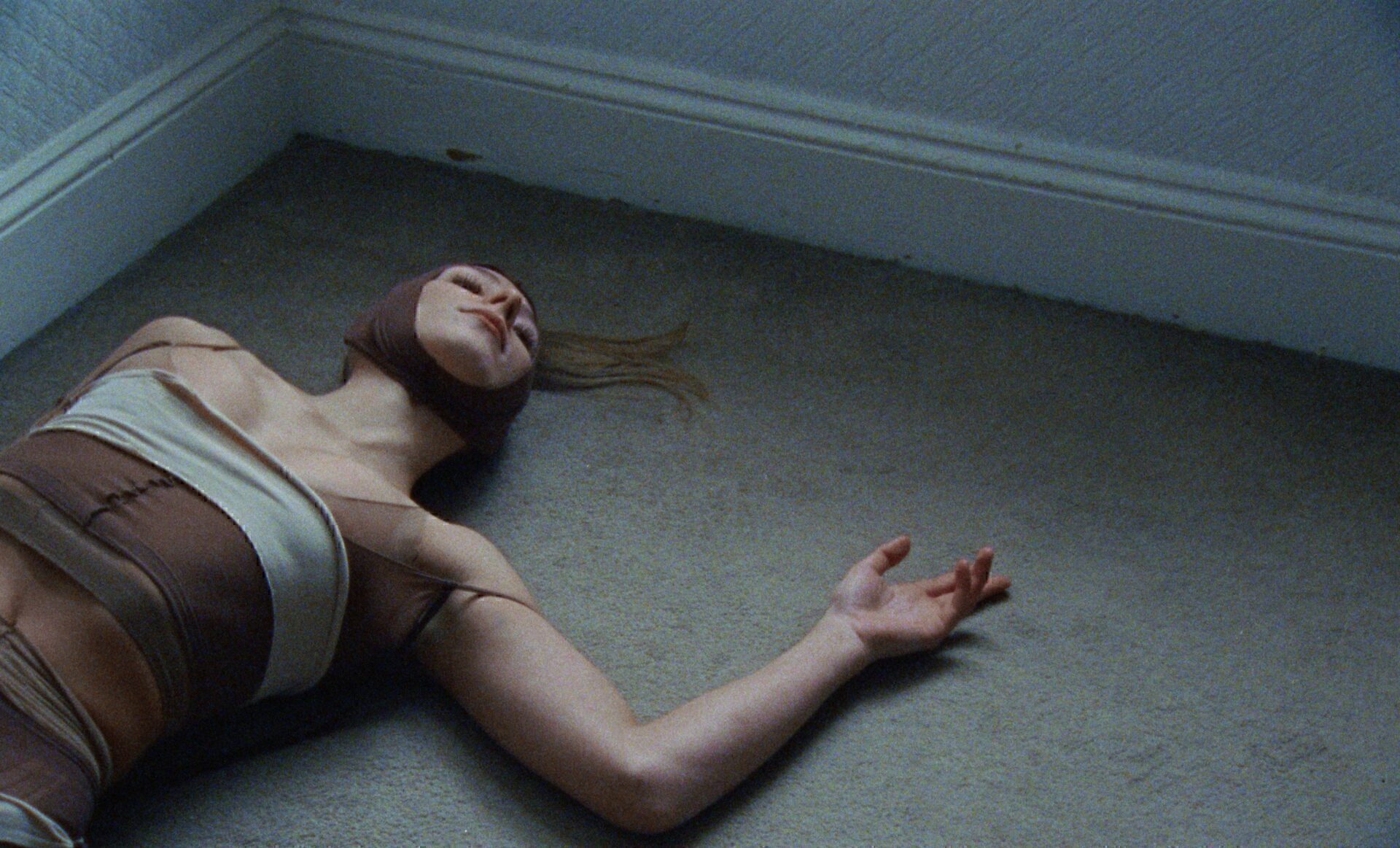
Spinning and repetition. The idea of the body stuck in a loop.
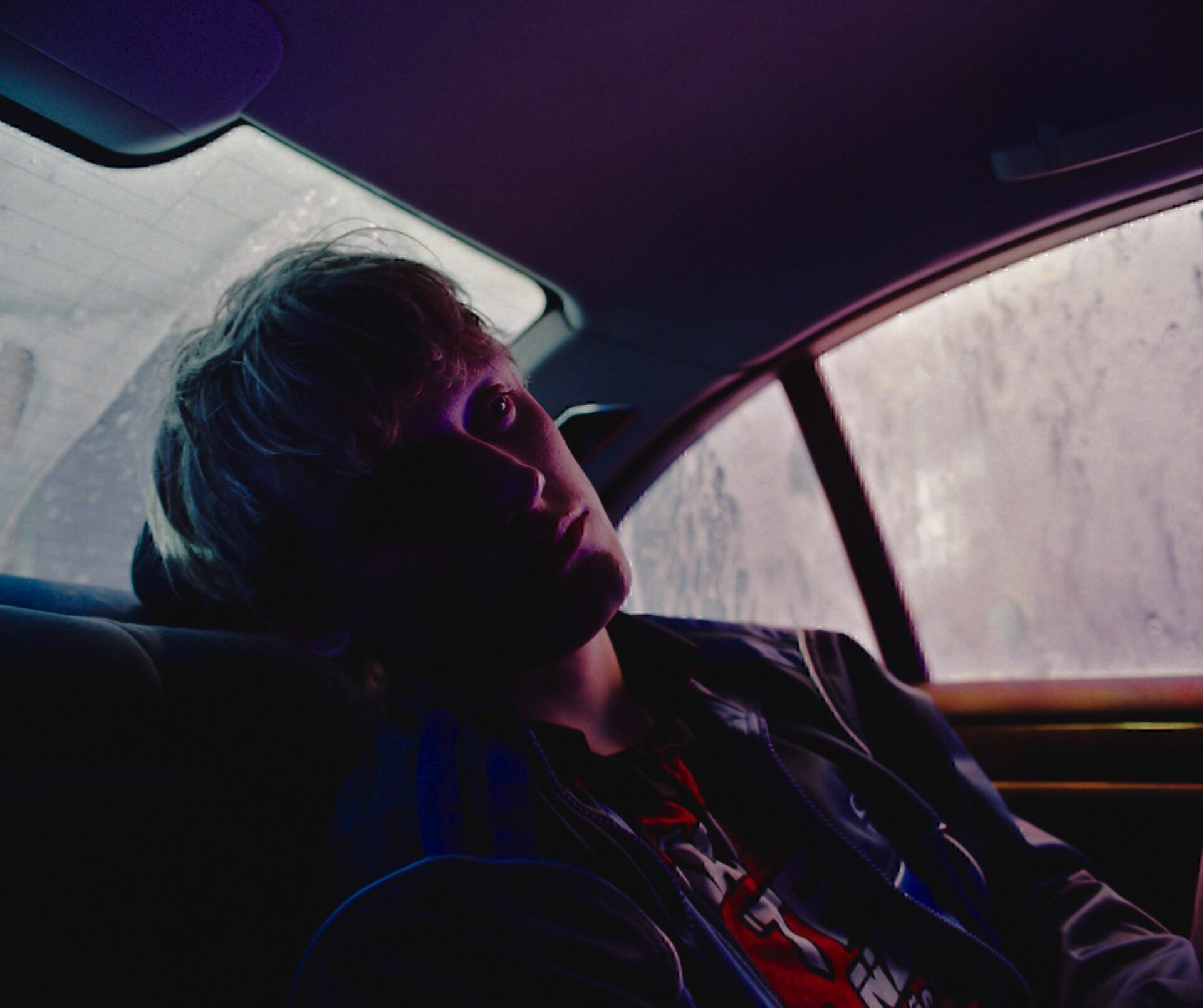
Currents
Your visual language across both films speaks of an in-depth knowledge of vfx, lighting, pacing, and movement. Where does that come from?
A lot of it comes from intuition, filtering what feels right and what doesn’t. It’s a constant process of instinct and refinement. I use VFX as a way to push reality slightly further than what’s possible in-camera, at least for now. It’s less about spectacle and more about extending the emotional and physical world of the film.
How do you build mood technically – lens, light, texture, frame rate, edit rhythm?
All of those elements are tools. I have preferences, of course, but they should never lead the work. The idea dictates everything. The technical choices are just there to bring it to life.
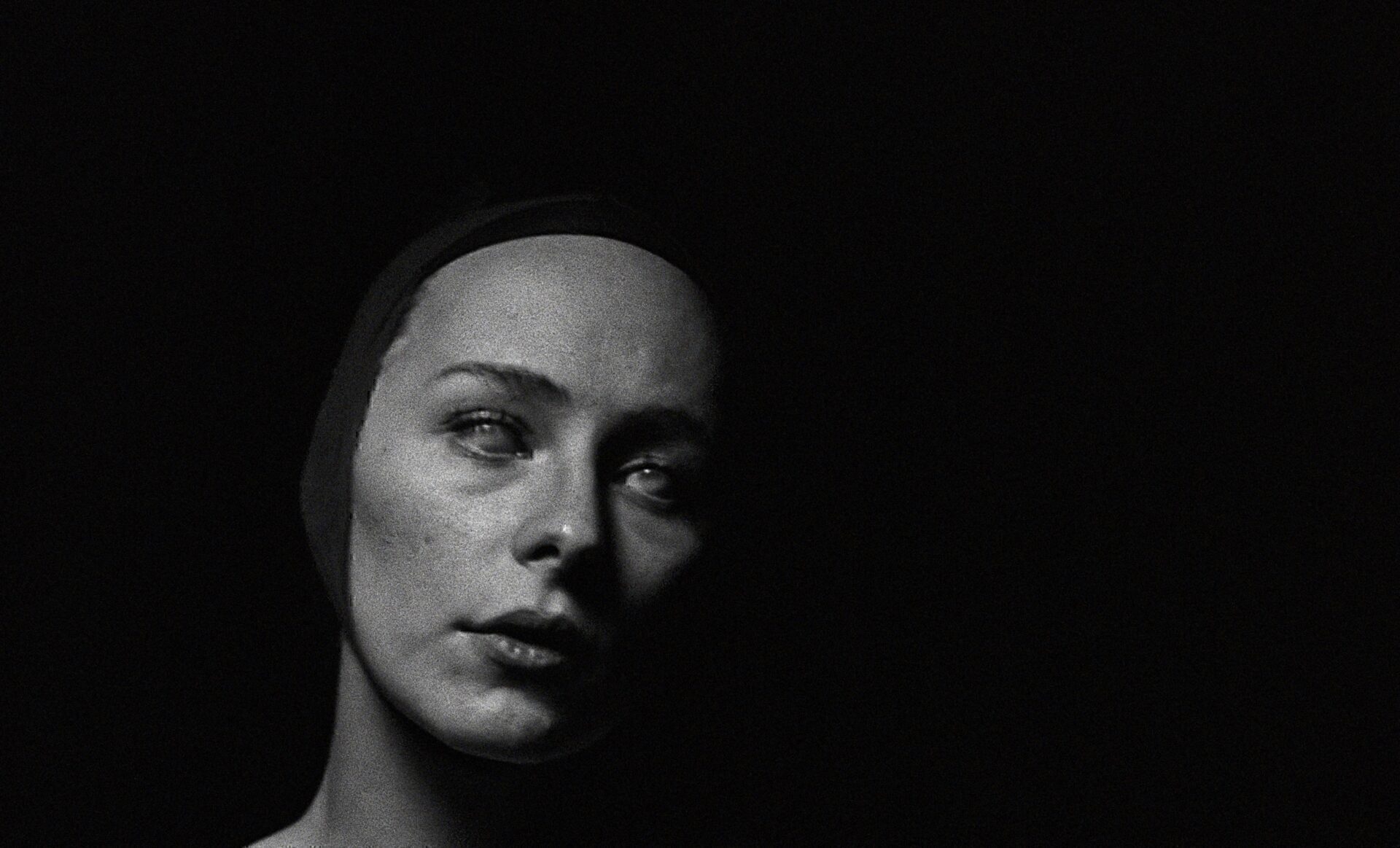
Against the Skin
When you start a piece, what comes first: image, movement, sound, or emotion? Do you storyboard or write a detailed shots list – have you already paced out the edit in pre-prod?
It really depends on the project and its resources.
I’ve approached projects without a shot list at all. Just visiting the location five or six times and almost “jazzing” the shoot based on what feels right in the space. Commercials rarely allow that level of looseness, so those are usually much more storyboarded and tightly planned.
With Currents, we had the time to do both, spend time in the locations and build a shot list from that immersion.
I do think it’s important to have a sense of pacing while you’re shooting, almost editing in your head and knowing instinctively when a cut should happen. But there are always surprises in the edit.

Against the Skin
Your work feels very body/movement-led especially with Scarlet Finnan in Against the Skin. Did you know Scarlet before you wrote the film?
Scar is an incredible performer and a stunt artist. Pretty sure she’d be pleased if anyone set her on fire. We actually had our first call just three days before shooting, while picking out props in the taxidermy section.
What role does music/sound play in your decision-making while directing?
Music and sound design are central to how I work. You can have an image that isn’t perfect, but if the sound is right, it hits. It rarely works the other way around.
I usually have music, scores, or specific sounds in mind while shooting, but they often evolve in the edit. I always create playlists for each piece to capture the mood sonically.

How do you protect experimentation when schedules or budgets are tight?
I try to make experimentation part of the workflow rather than treating it as a luxury. Even on tight schedules or budgets, it becomes an integral part of how I work, not something extra or optional.
Whose work keeps you sharp right now—film, fashion, photography, choreography, music?
Theo Lindquist is doing some incredible work. I was fortunate to collaborate with him on The Afterparty for Lykke Li’s new album. Theo also taught me to lose brain cells while coming up with an idea meaning that if something feels easy it probably is not right.
We’re dealing with a bit of an epidemic of visual language right now. Everyone’s building on what already exists, and there’s pressure to reference something familiar in order to validate your ideas. That can easily kill originality.
I try to stay sharp by stepping slightly outside of that loop.
Against the Skin
What are you absorbing outside of film that directly feeds your direction?
Mostly life. Being in the wrong place at the wrong time, and occasionally the right place at the right time. Those experiences feed the work more than anything else.
I’m also reading Grand Rapids by Natasha Stagg at the moment. I’m drawn to her detached, observational tone and the way she captures atmosphere and emotional distance.
Against the Skin
You’ve recently signed to ANORAK – at this stage, what would be your dream brief/collaboration right now?
ANORAK have been really great. I actually started there as an intern four years ago, so signing with them feels like a full-circle moment. It’s special to be represented by a place that shaped you early on.
In terms of a dream brief I’d love to do it all. To keep strengthening my voice within commercials while continuing to collaborate with the artists I genuinely connect with. Every brief has the potential to become something special, it’s really about finding the right alignment and pushing it as far as it can go.
How do you want your work to evolve over the next 2–3 years?
Hopefully by making my feature happen 🙂
PS: SPREAD THE WORD
Peace !




Behind the Scenes