
Matt:
Maybe we just talk through some themes. Should we start with how we know each other? Is that interesting?
David:
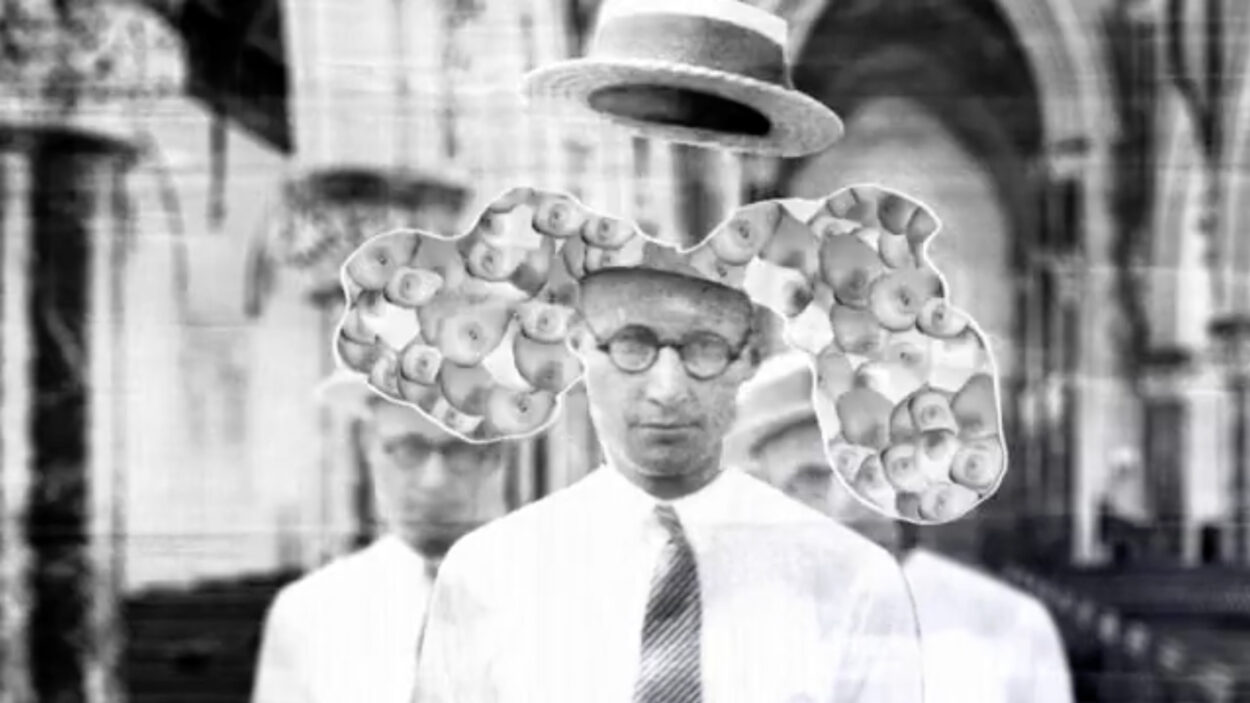
I love that. From my perspective, we first connected when you saw my Moray McLaren video. Was that sent to you by Bart from BlinkInk, or did you find me another way?
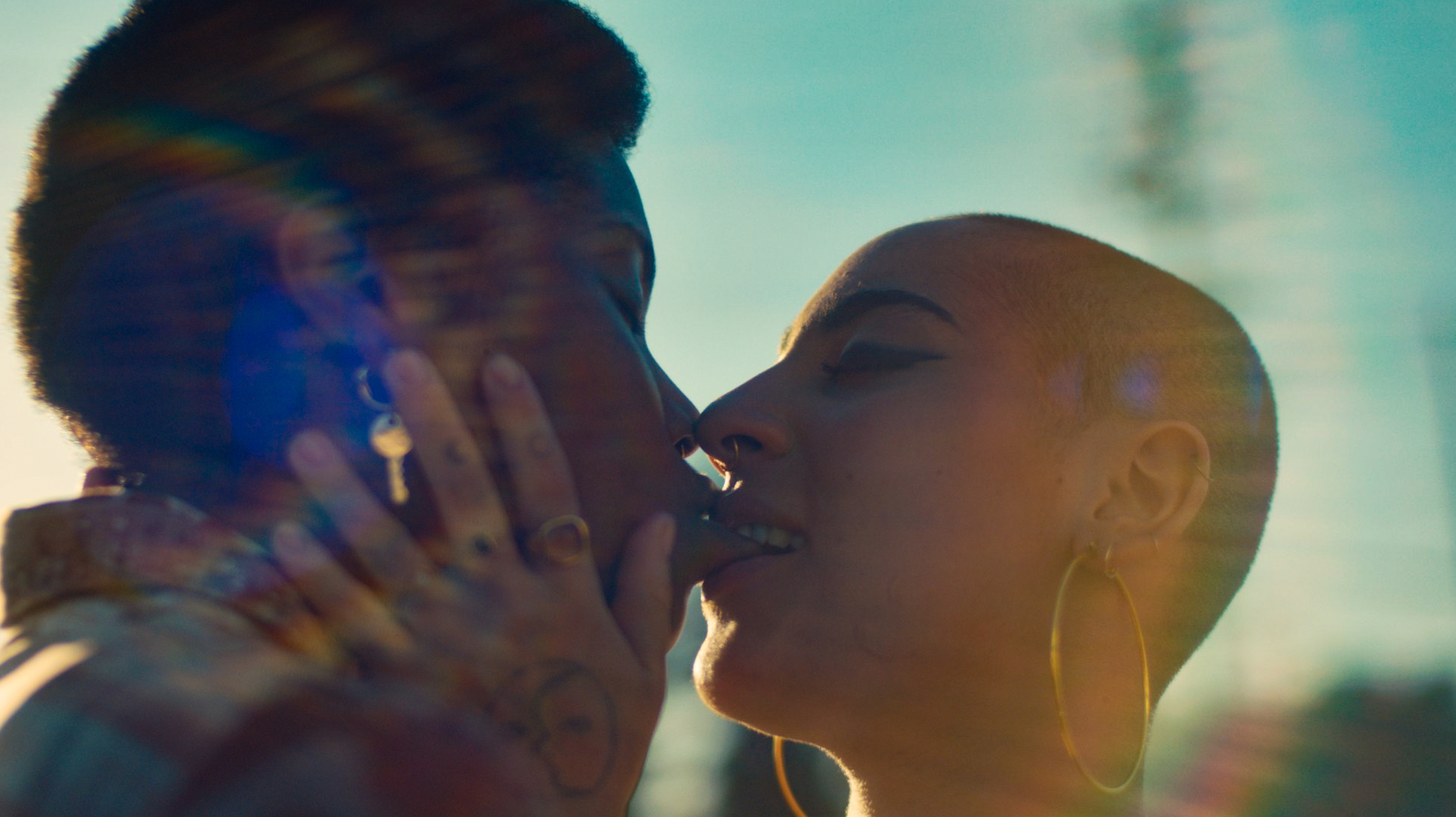
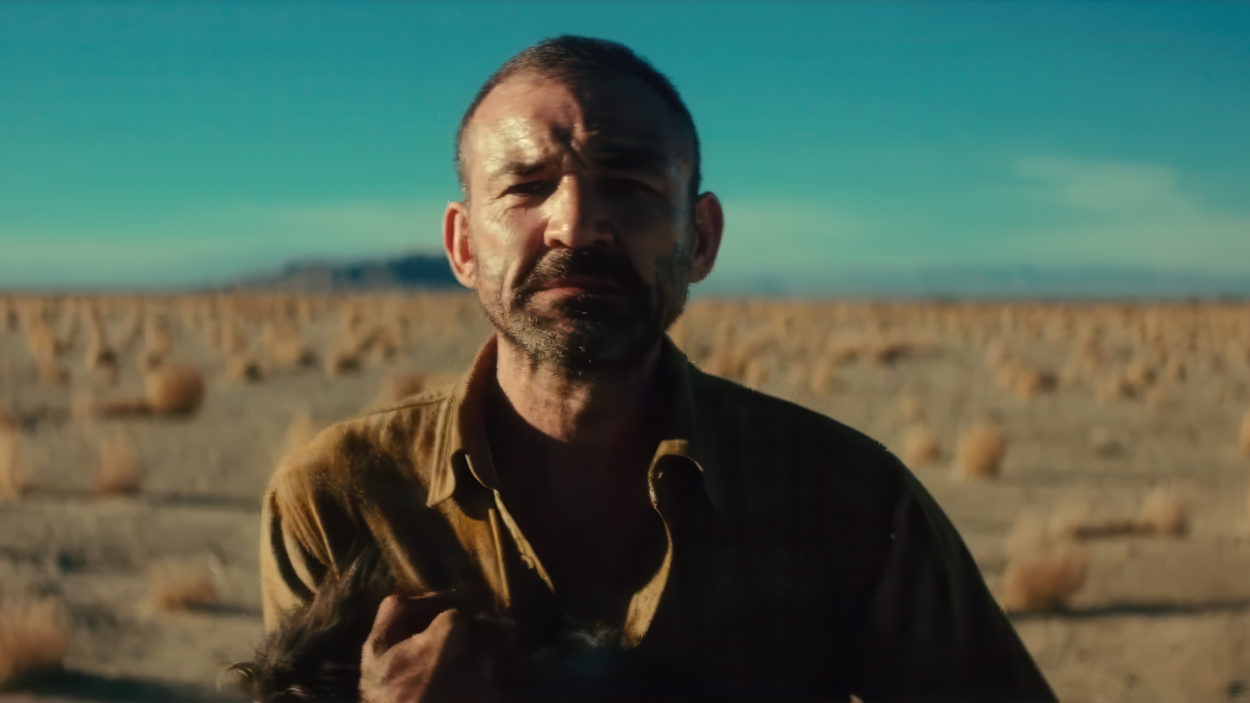
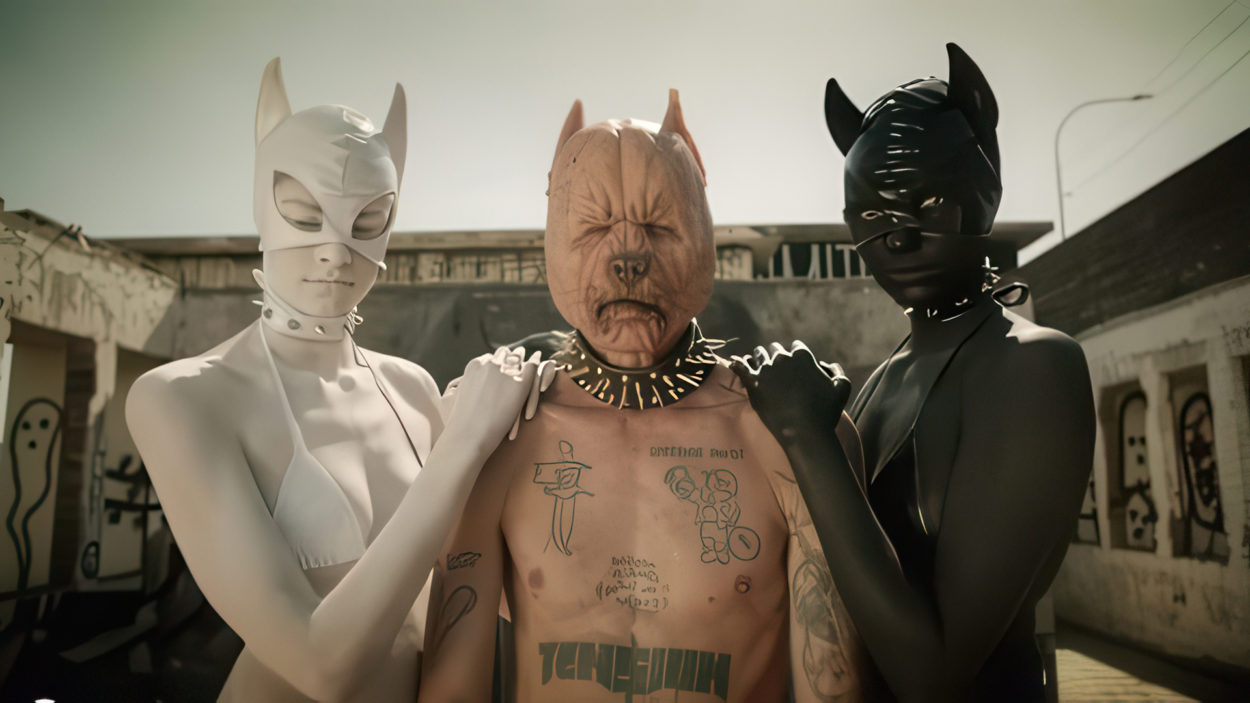
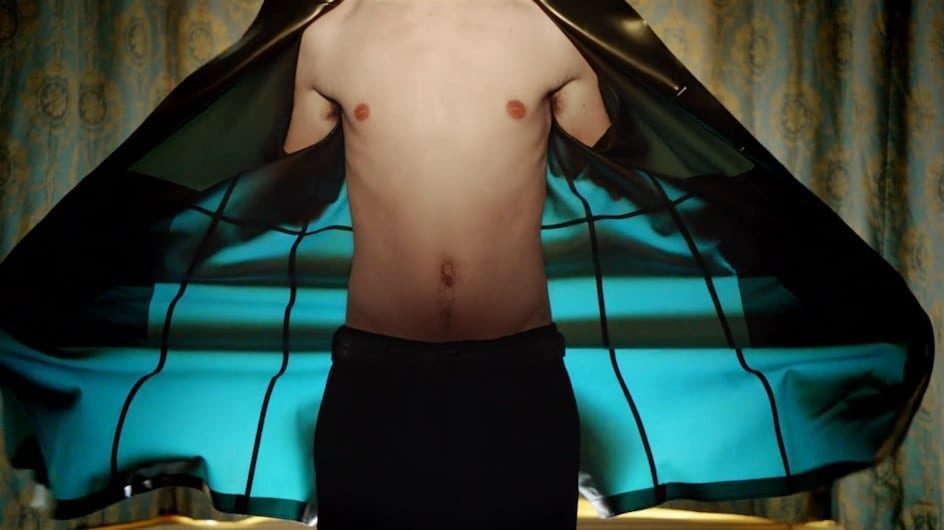
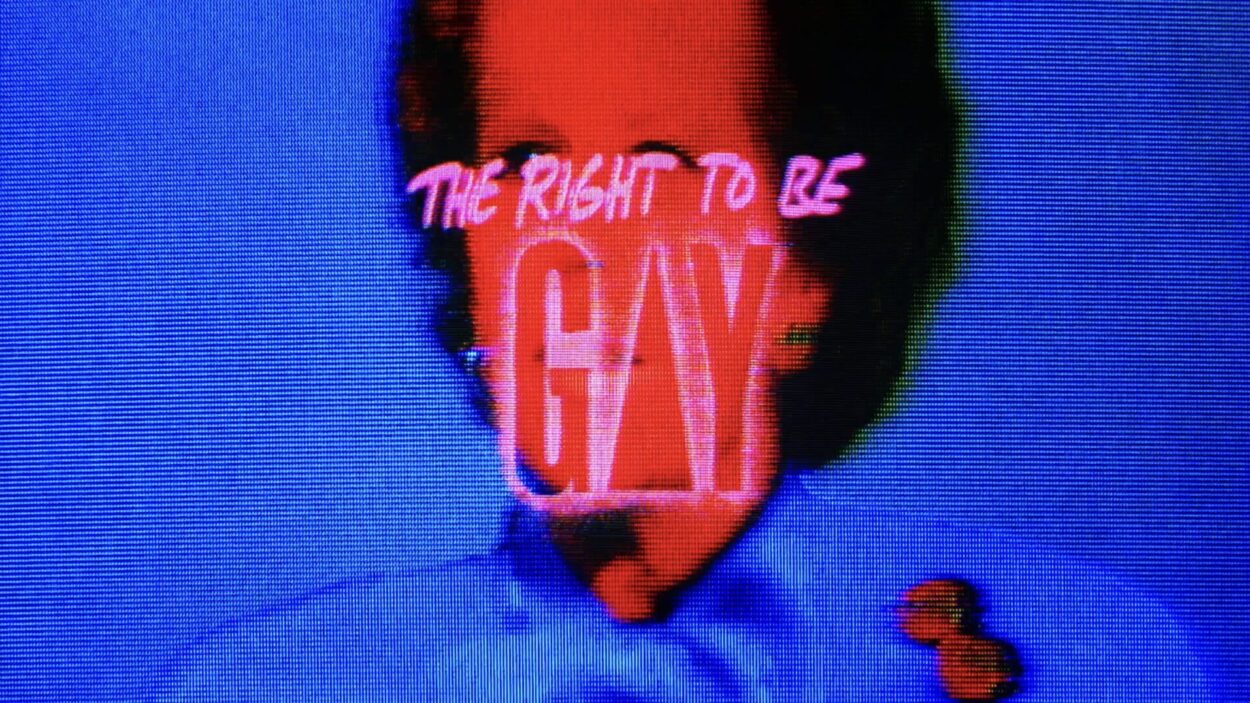
Matt Lambert: Sizzle for Object + Animal
Matt:
Yea, I was meeting with the Blink crew and they showed it to me. At the time I was also working as a writer-editor for Motionographer—which parallel to directing also led to curation. I curated F5 Fest with Motionographer, where I commissioned early shorts which included folks like the Daniels (their film Pockets) and yours.
After that came Bare Bones, the London collective I was part of where we started to collaborate. But was there something in between?
David:
Yes—Playgrounds Festival. You invited me and Champagne Valentine to join you on the Young Directors panel in Tilburg. Bare Bones came after that.
Matt:
Right, the era of festivals. Motion design and animation were still carving out space outside the traditional industries. We were on that little circuit, bumping into each other, talking about our work.
And then Bare Bones. I think both of us had commercial careers quite young—straight out of school, really. We landed in that world quickly and that became a space to play.
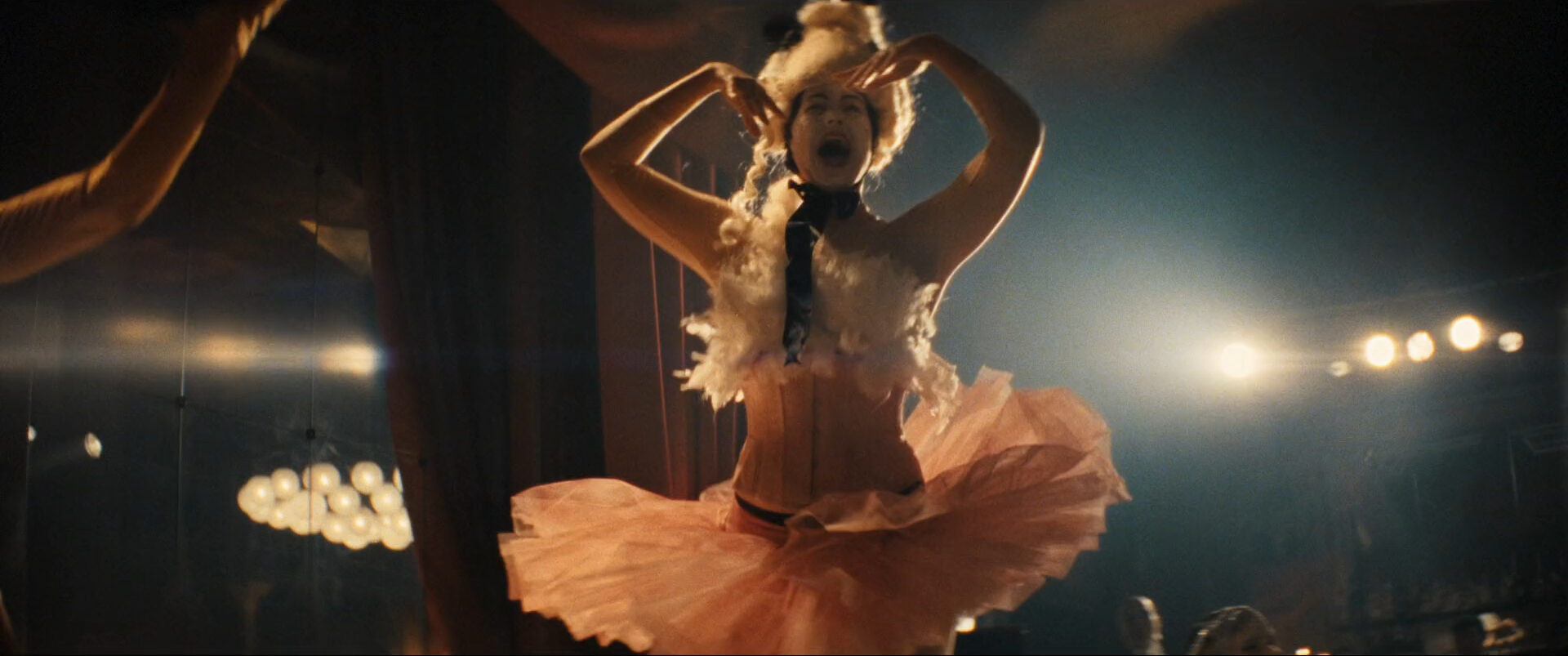
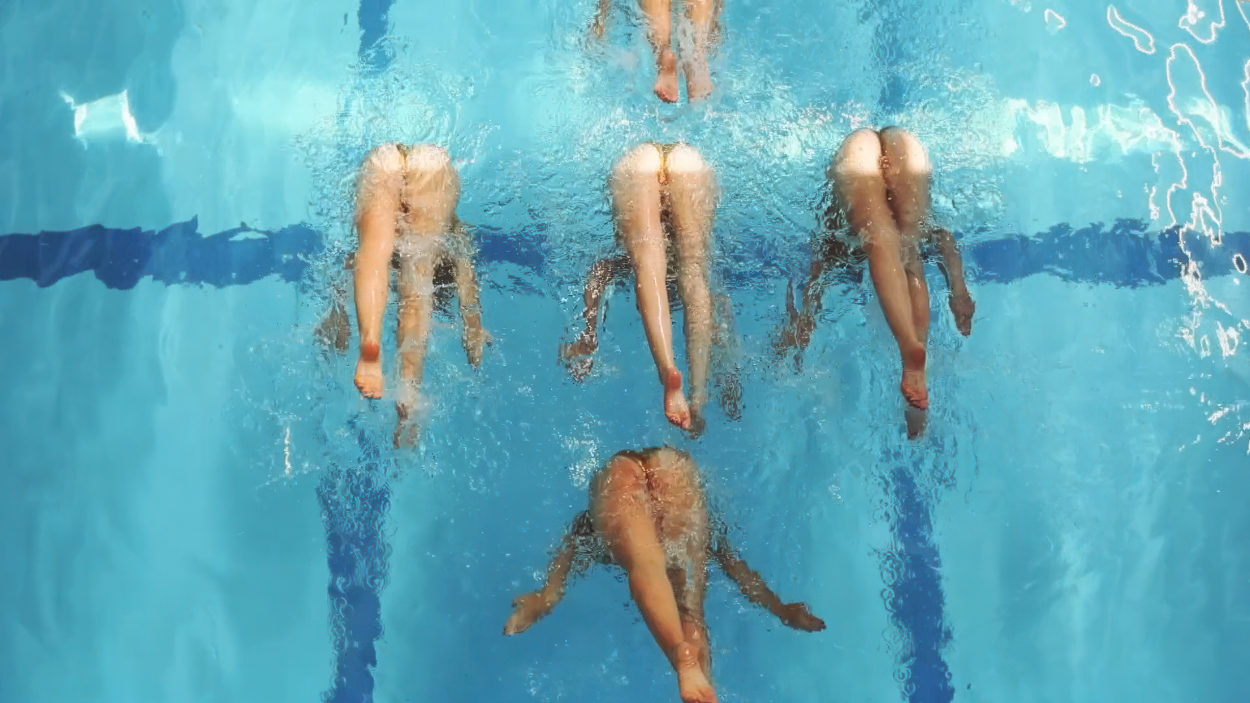
Matt Lambert: Eldorado Teaser DC
David:
I remember you telling me about a film you’d made—was it a short or a commercial? It was a Coke can deteriorating on the street. That was the first piece of yours I saw. Very CG animation oriented.
Matt:
Yea. I was living in London then, working as an art director in Soho, for animation, motion design and VFX. Discovery Channel gave me carte blanche to make my first short, so that was my first official directing project. It was really about how small actions have lasting environmental consequences—essentially a recycling story, but with an approach on how to touch broader themes that have carried through my work since.
Bare Bones was different though. It was a collective with people like Harry Malt, Chris Bianchi, Steph Von Reiswitzz, Niall O’Brien, Neil Fox, LeGun and Heretic. Illustrators, printmakers, photographers, writers – and I was making short films and inviting friends to do the same. A space to play. And somewhere along the way I’d forgotten I was allowed to do that. That’s something we seem to keep having to remind ourselves of—play isn’t just part of our careers, it’s part of who we are as human beings.
When it works, the commercial world acknowledges that play and lets us do it on a bigger scale. But Bare Bones was purely self-driven—making things with no commercial strategy, just because we wanted to – had to. It was a no-budget, no-rules space. And everyone jumped in. We were all hungry for it. Coming from animation and motion design, many of us had landed in commercial work too quickly and needed to remind ourselves of why we started.
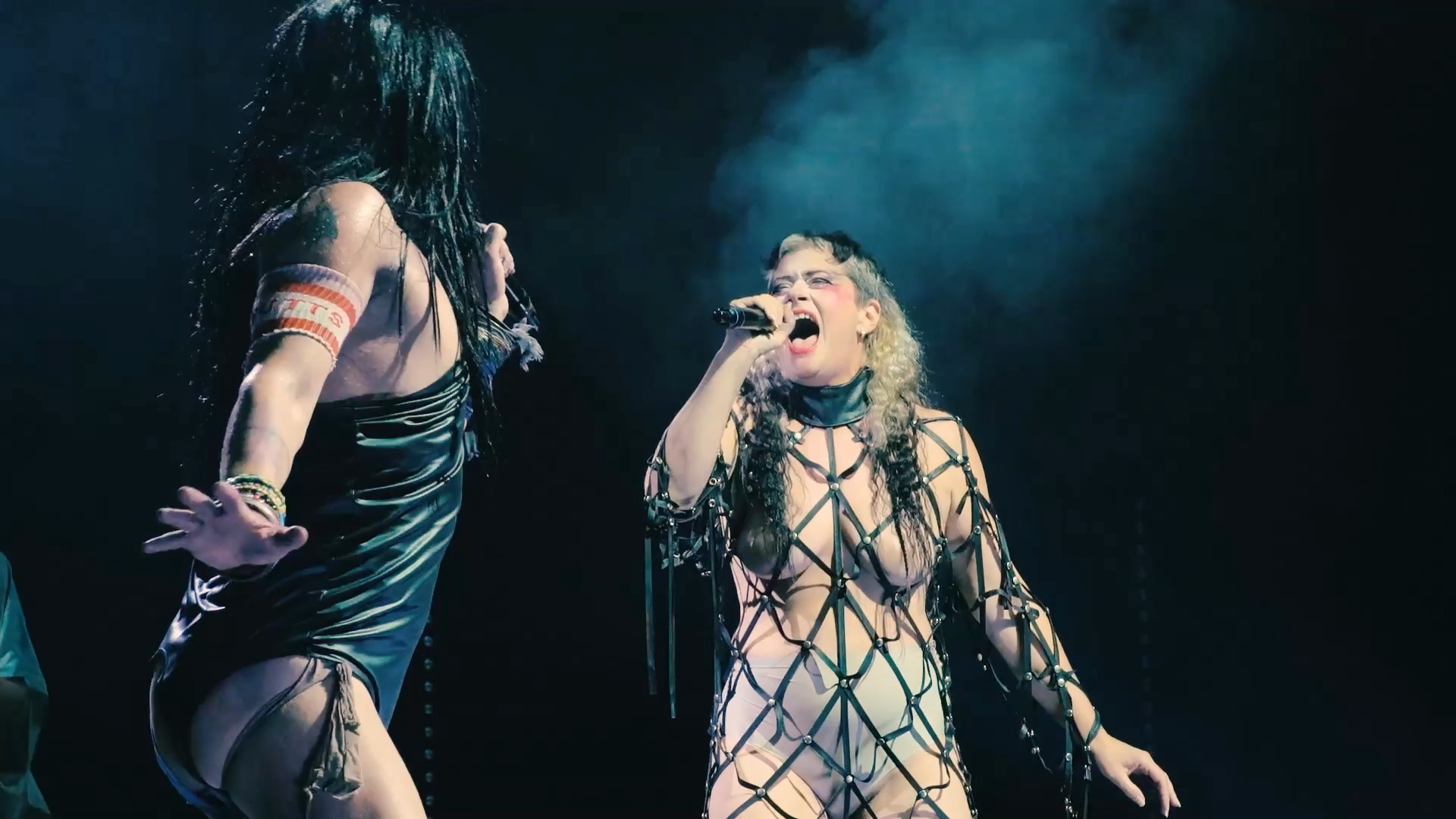
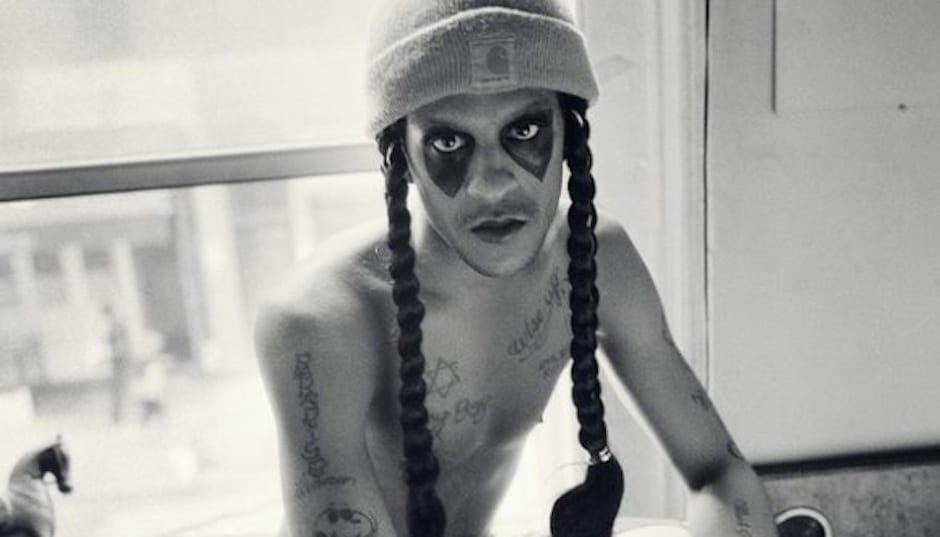
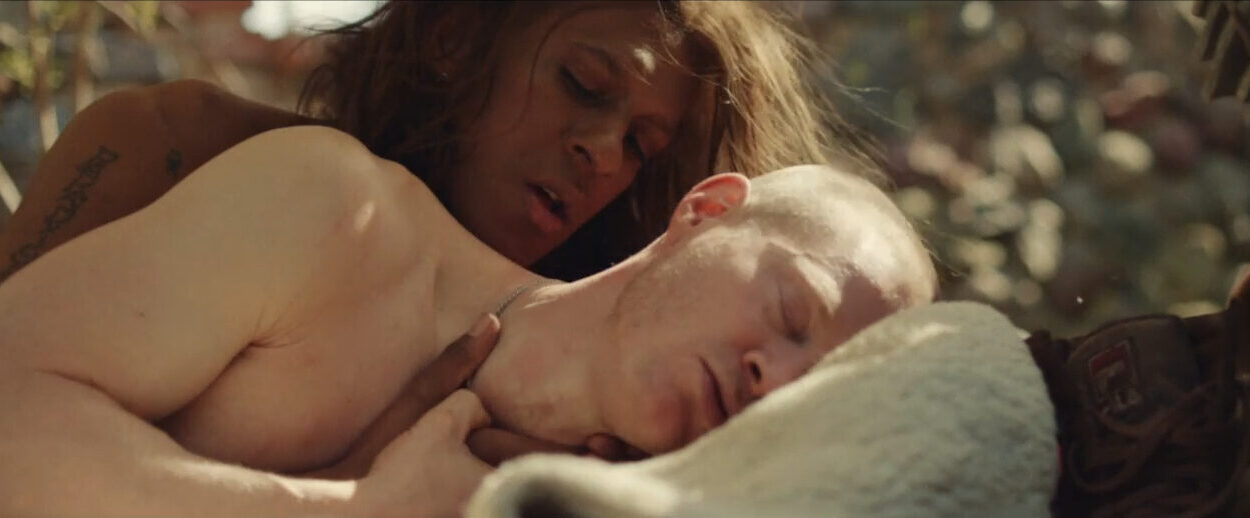
Matt Lambert: Sissy Smut 4 – Christeene x Peaches
David:
It was fun. It was a party.
Matt:
Exactly. We had the biggest one at the Red Gallery near Old Street. Our work mostly lived online back then, so it was exciting to share it with a live audience. You and I even did visuals together.
David:
For Caribou, wasn’t it?
Matt:
Yes, Caribou was DJing, and Bo Ningen live. You had your face submerged in a fish tank, spitting glitter out into a camera fed into a VJ set-up. Early days! I think we were basically making our own Artbeats stock footage live.
And maybe that’s the thread: the live element. Looking back, Bare Bones was the start of us craving that real-time reaction to our work. For me, it was one of the first times I felt it. And I think both of us have carried that into live performance ever since.
David:
I think what this really touches on—and I’m sure it’ll come up again—is the importance of friendship between us as creators. You’ll say, “Hey, I’m doing visuals for a sex club,” and I’ll think, oh right, visuals! It reminds me to play, to try something. And maybe I’ll do the same for you. There’s a kind of creative yo-yo between us. I’m always aware of what you’re doing, and you’re aware of me.
Matt:
Exactly. We’ve always had this little pod of friends we came up with. Even though we’ve gone down different paths, we haven’t really. I think about people like Andrew Huang and others—we’ve all found our own specific language. Not everything is intensely personal, but most of us dive deep. Sometimes at the cost of sleep, sometimes obsessively.
I don’t always make the seemingly smartest strategic decisions, but in hindsight they often end up being the right ones. It all makes sense later. For me, it’s about building a body of work that eventually reflects who we are as human beings.
And yes, I’m a director, but also just me—doing projects that feel like extensions of my soul. From a curatorial point of view, I realise I want to share. Whether it’s a story, a character, a musician, a performer I want to share why I love them or a version of them.
The importance of Queer history in my work is a big part of that. These little moments—whether a commissioned project or a year-long collaboration with an artist—become part of that history. The work enters into dialogue with it. It’s about preserving what we love, saying, this is why it matters, and making films and work that show that.
David:
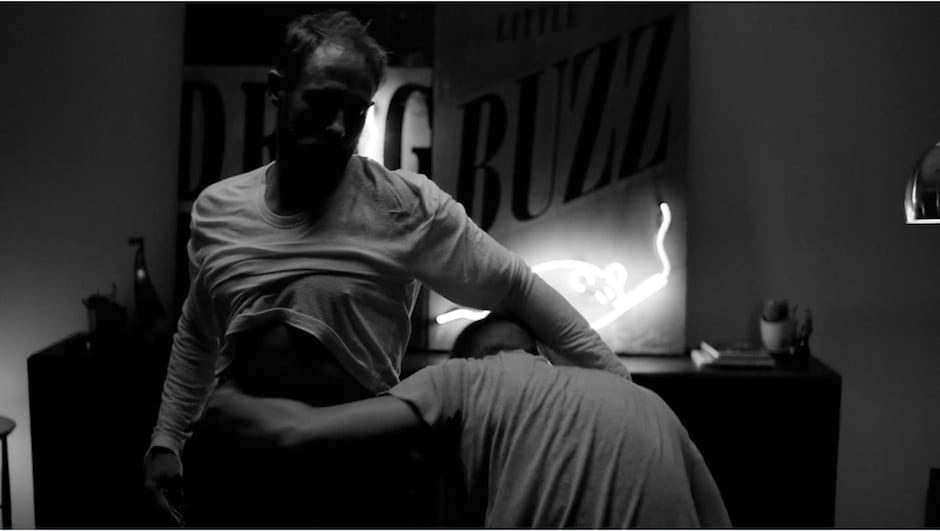
Yes—sharing your joy. Showing how highly you hold something, how deeply you respect it. That’s what I thought about with Deep Clean.
It reminds me of when you were living in NYC after London and suddenly decided to move to Berlin with a camera, just to take photographs. Knowing you came from an animation and motion graphics background, it felt like such a shift. And you weren’t young—you were in your late twenties.

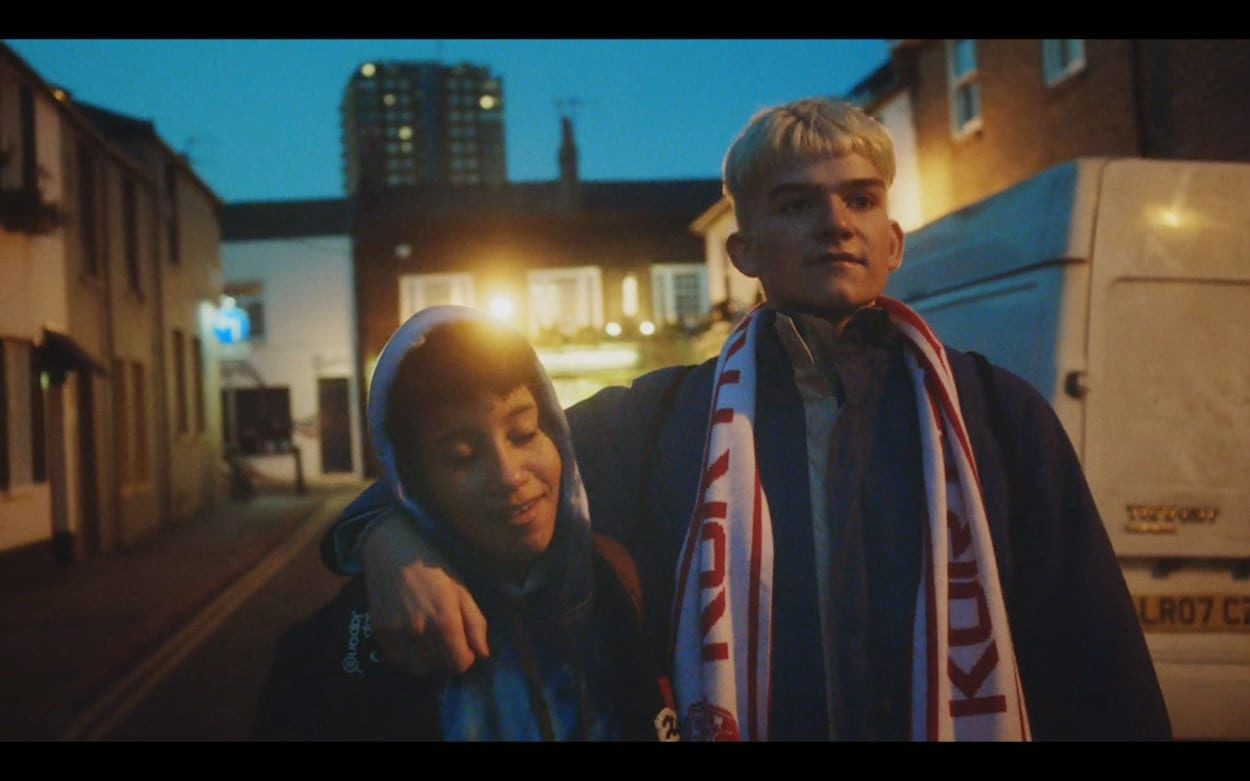
Matt Lambert: Diesel
Matt:
Yeah, 27 or 28.
David:
Right. You’d already built a career in animation, doing amazing work with Jellyfish, and then you said no. It was such a pivotal shift to watch—you’d built this thing and then walked away because you felt such a strong calling. And of course, in hindsight, it makes perfect sense.
Matt:
Exactly. So much of our careers—commercial or otherwise—is about getting closer to the core of who we are. And for us, as queer people, it’s also about shedding expectations. Some of the advice we got early on wasn’t right for the kind of careers we wanted, but we had yet to be presented with alternate paths. People wanted to put us in a box.
Queerness doesn’t define us, but let’s be honest—it’s a huge part of who we are and how we approach work. Back when we were first signed, I was aware of maybe three or four queer directors on big production company rosters in the world. Usually we were the only one on our roster. Often the industry approached us as a novelty, or told us to tone it down. And we had to fight—for casting, for authenticity, for the things that mattered. They wanted us, but at times didn’t want to deal with the way we worked – we questioned a lot.
Over time, those battles changed. Conversations that once felt like uphill fights slowly started to normalise. It’s been amazing to see the shift, and to know we had even a tiny hand in that—alongside initiatives like Free the Work and others pushing for change.
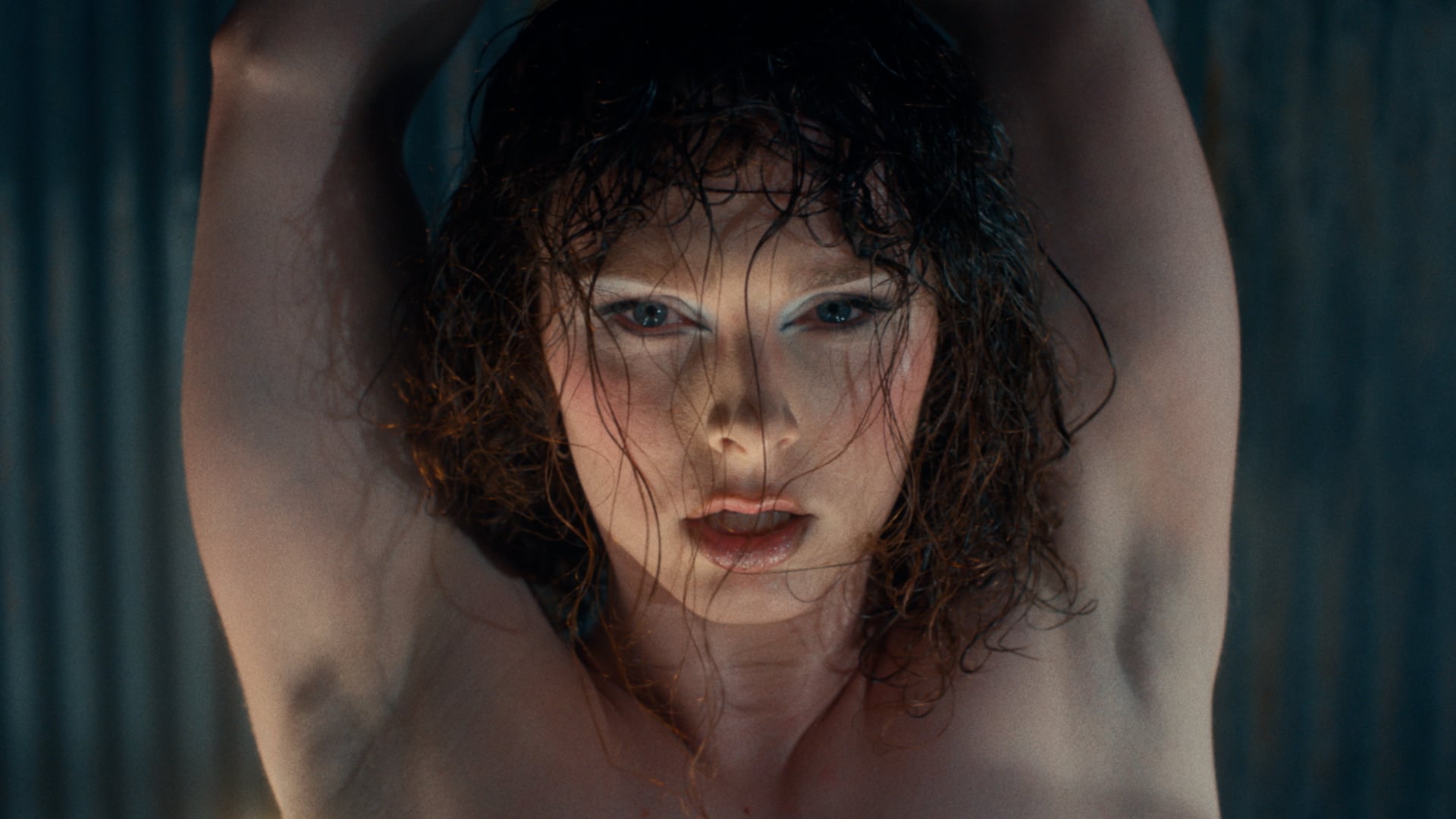
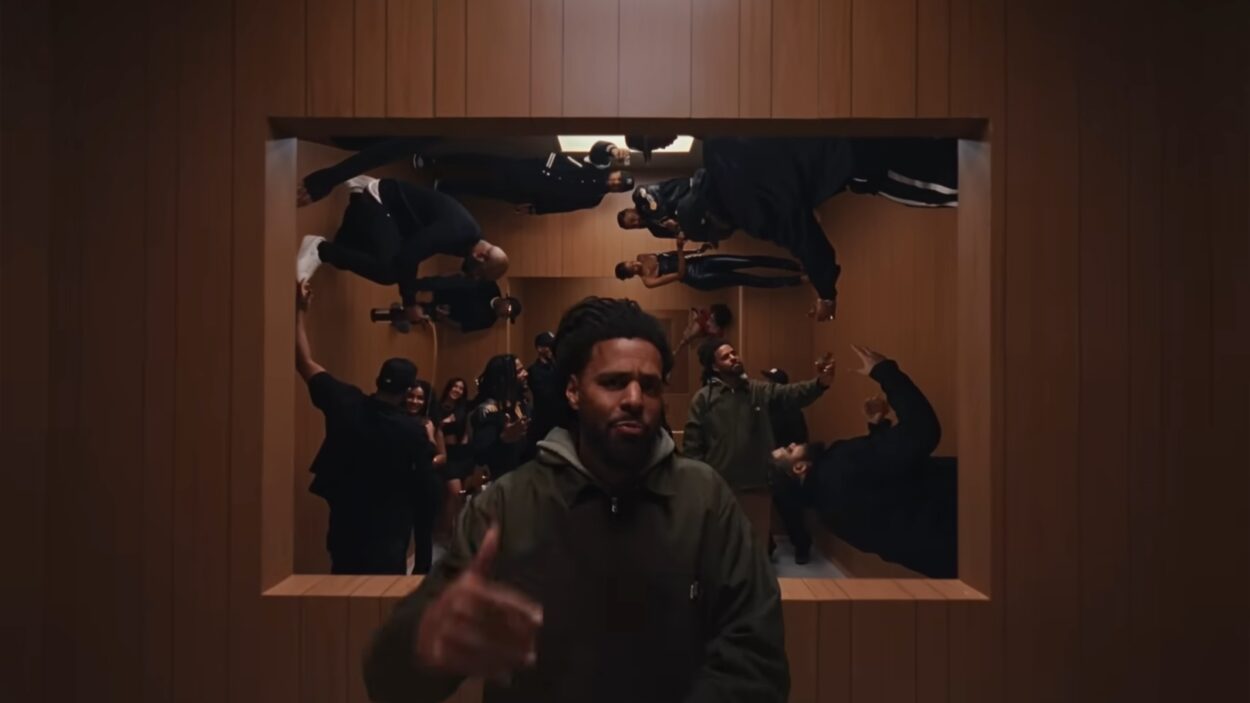
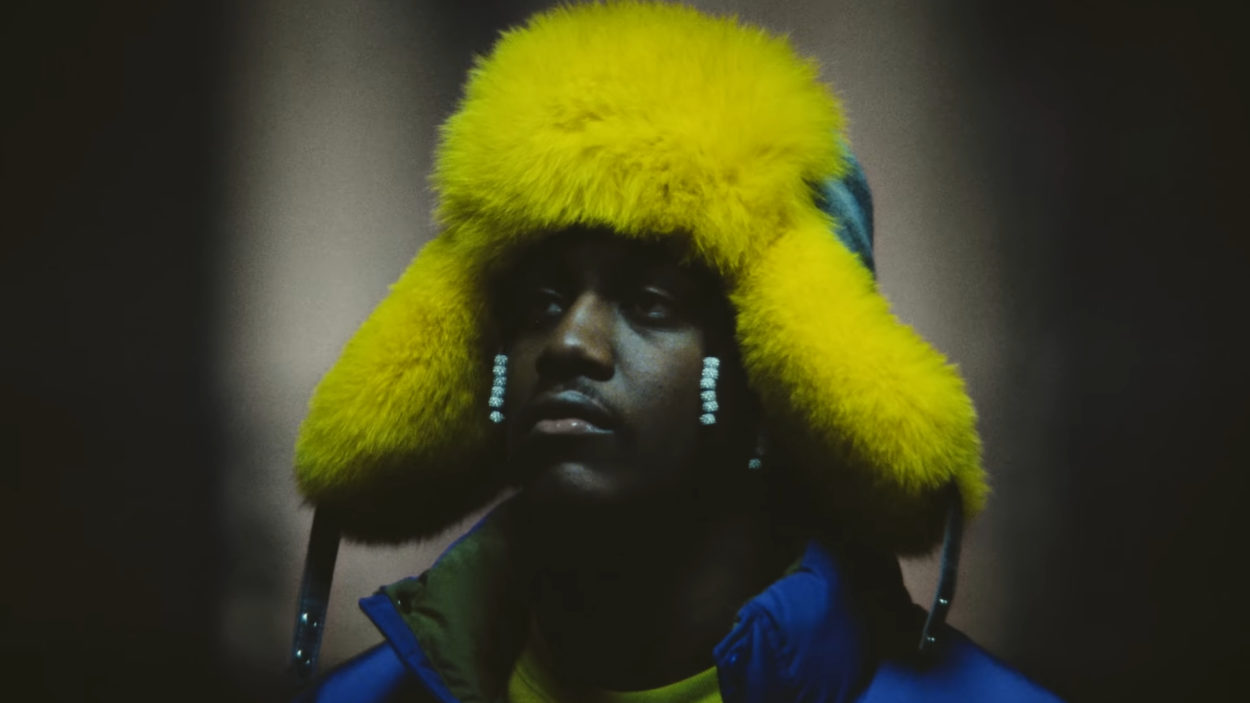
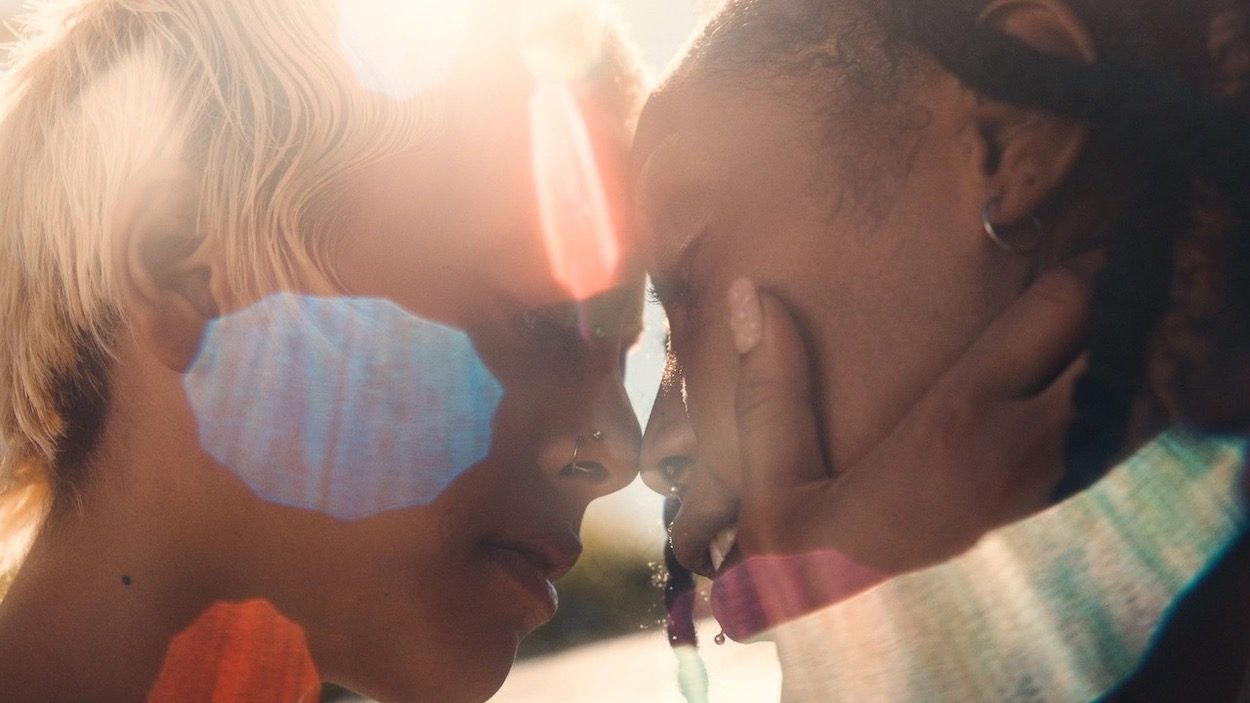
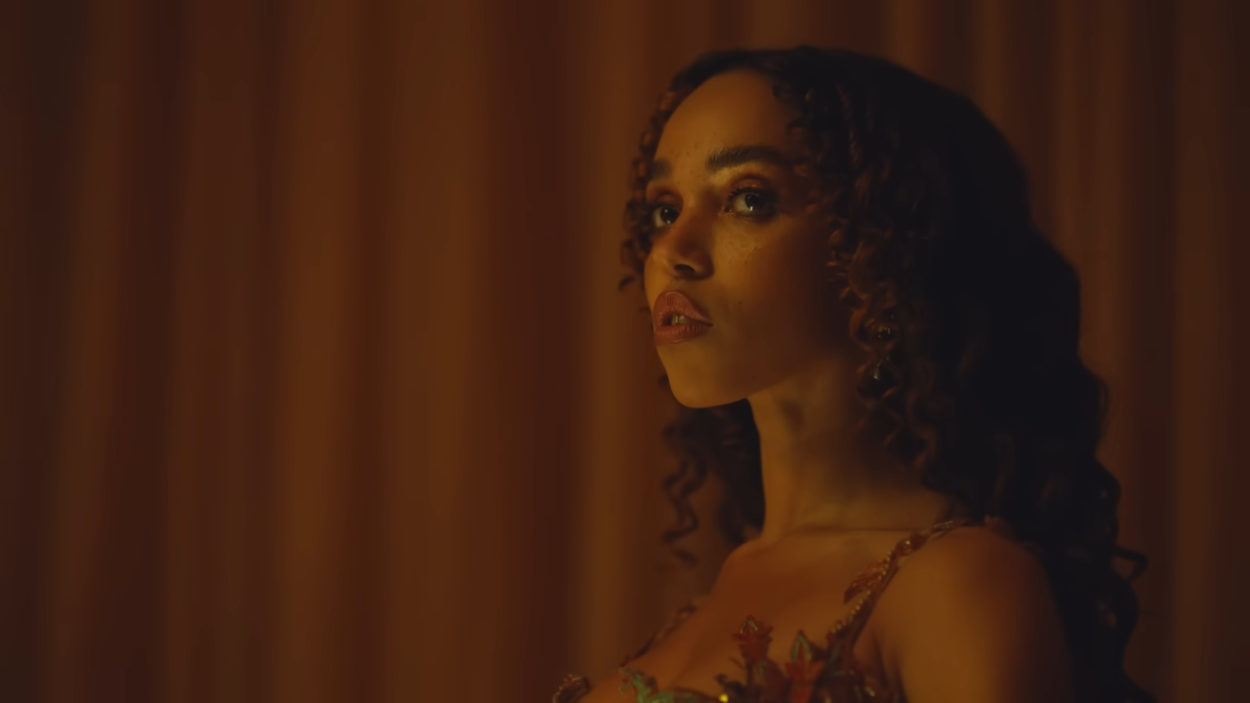
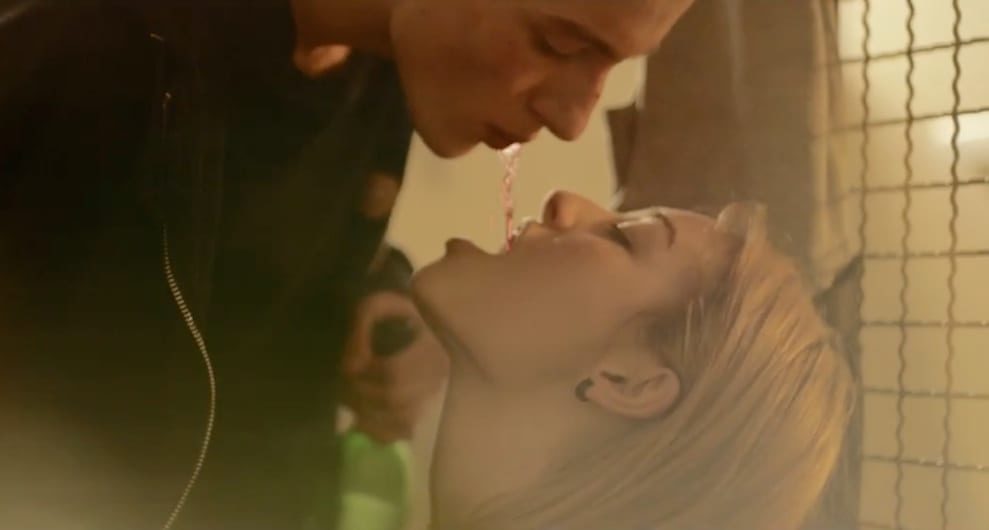
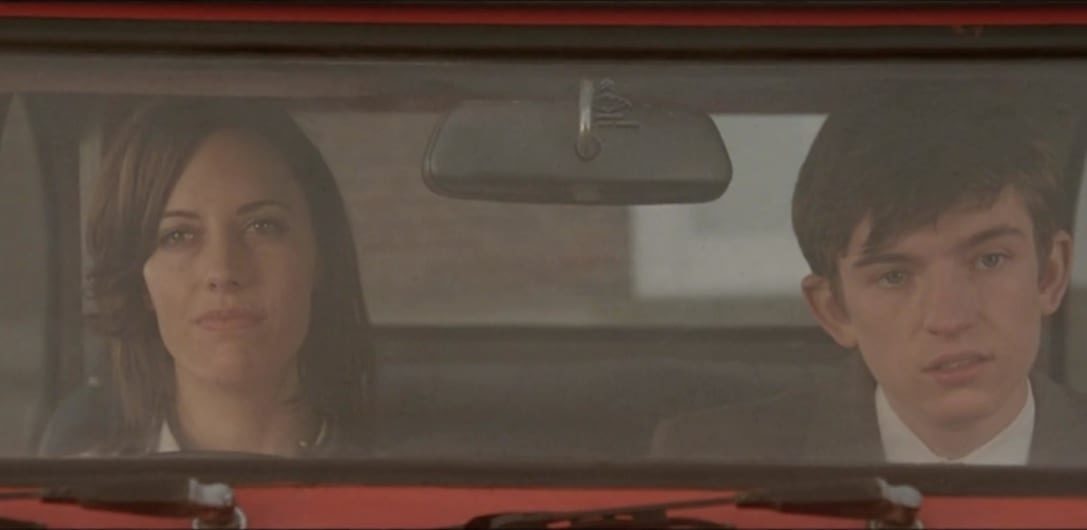
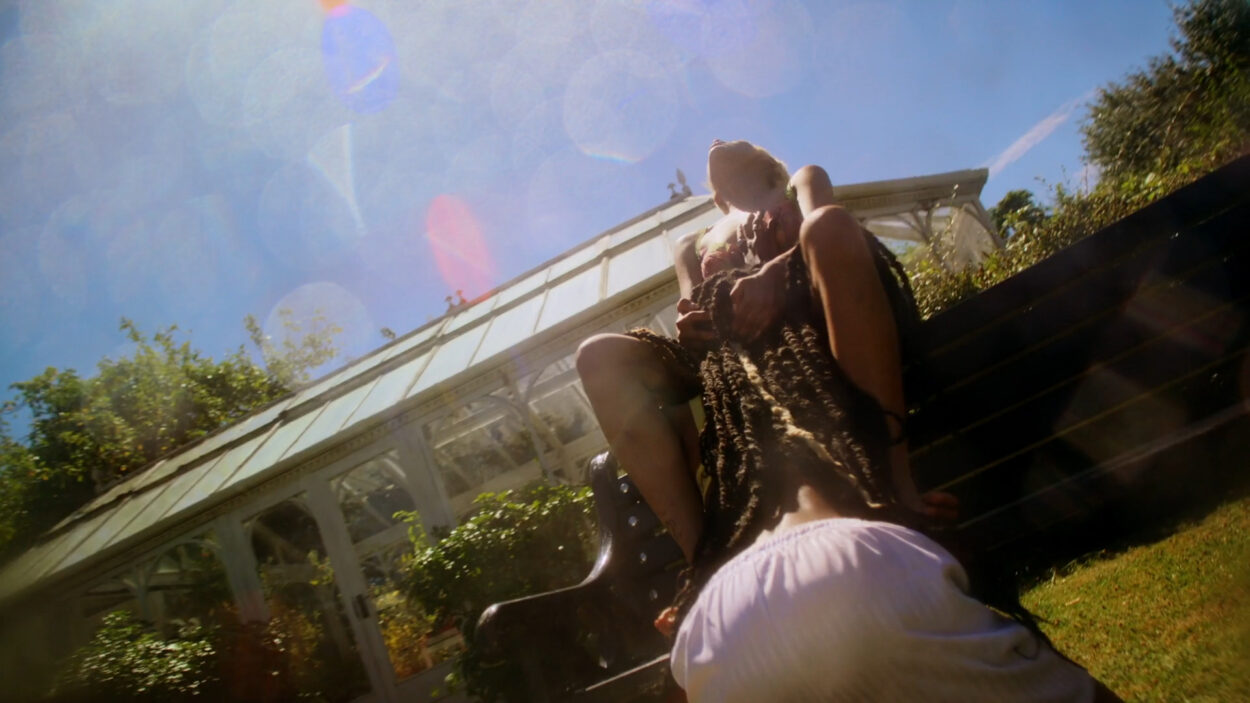
David Wilson: Tove Lo & SG Lewis – Heat
David:
Yes. It’s good to reflect on that shift. Fifteen years ago the industry was still very much a boys’ club. Navigating it was tough. Now, I often find myself on projects with all-female or majority queer teams. There’s such a different energy—you look around and think, thank God we’re in this together.
And being a queer director changes how you step into a space, how you work with talent. Some performers feel most comfortable only with queer or female directors, which is a huge responsibility. Fifteen years ago it was all about where you fit in. Now, it feels like an asset. We can move between different spaces, from alpha male to queer to female-led. That versatility is powerful.
Matt:
And to be clear—we’re not exclusively looking for queer projects. But when those opportunities come, it’s crucial to be considered. At the same time, our perspective—shaped by personal work—has just made us stronger directors overall. Not necessarily better, but different.
Because so much of our work is about celebrating deep nuances of under-represented characters, I’d hope our care for character is really honed now.
Okay, what’s next on our list? This could go on forever—I’m genuinely enjoying it.
David:
We covered quite a lot already—networks, advertising, being queer directors, avoiding pigeonholes, fabulousness, and non-film work.
Matt:
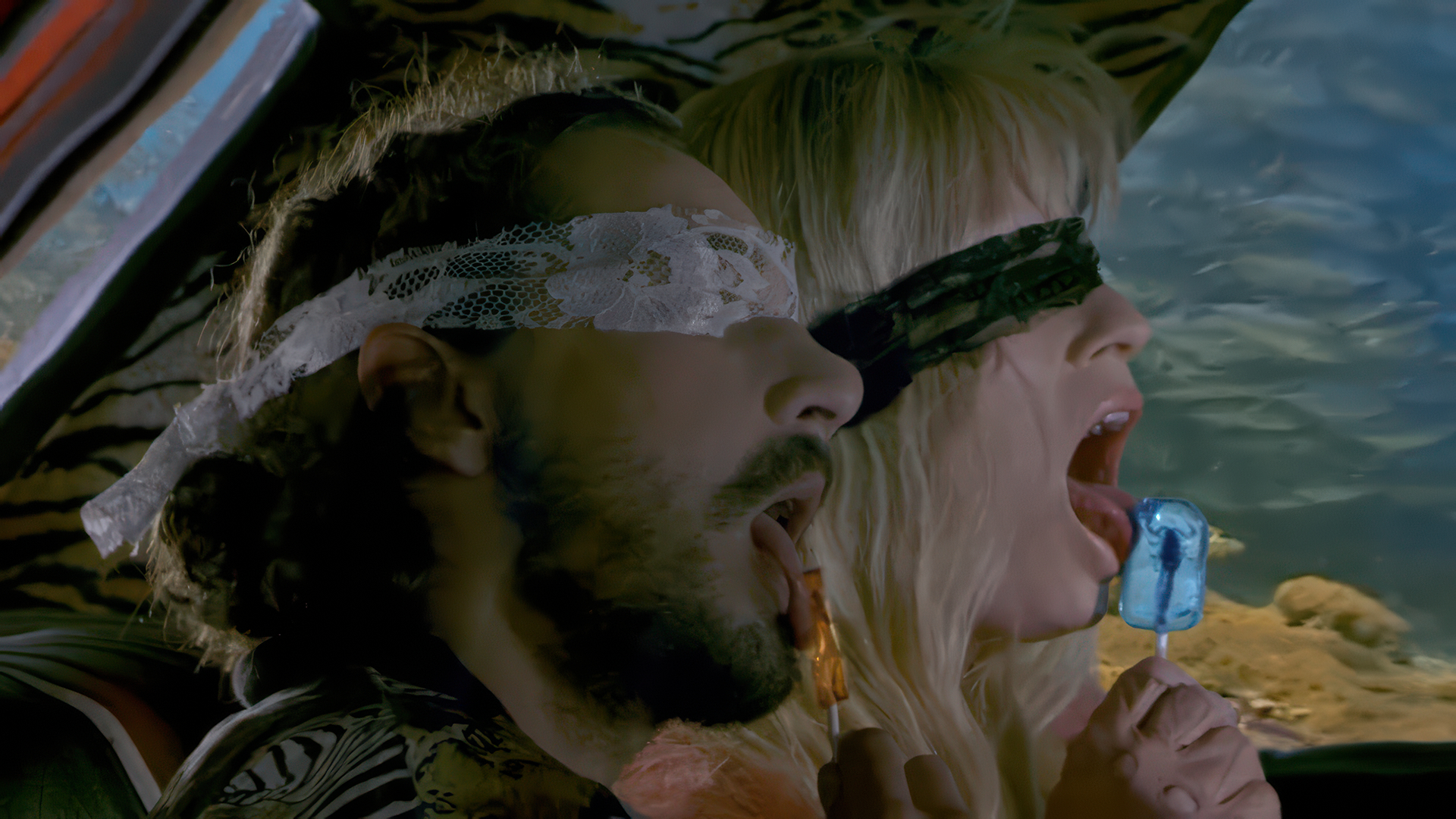
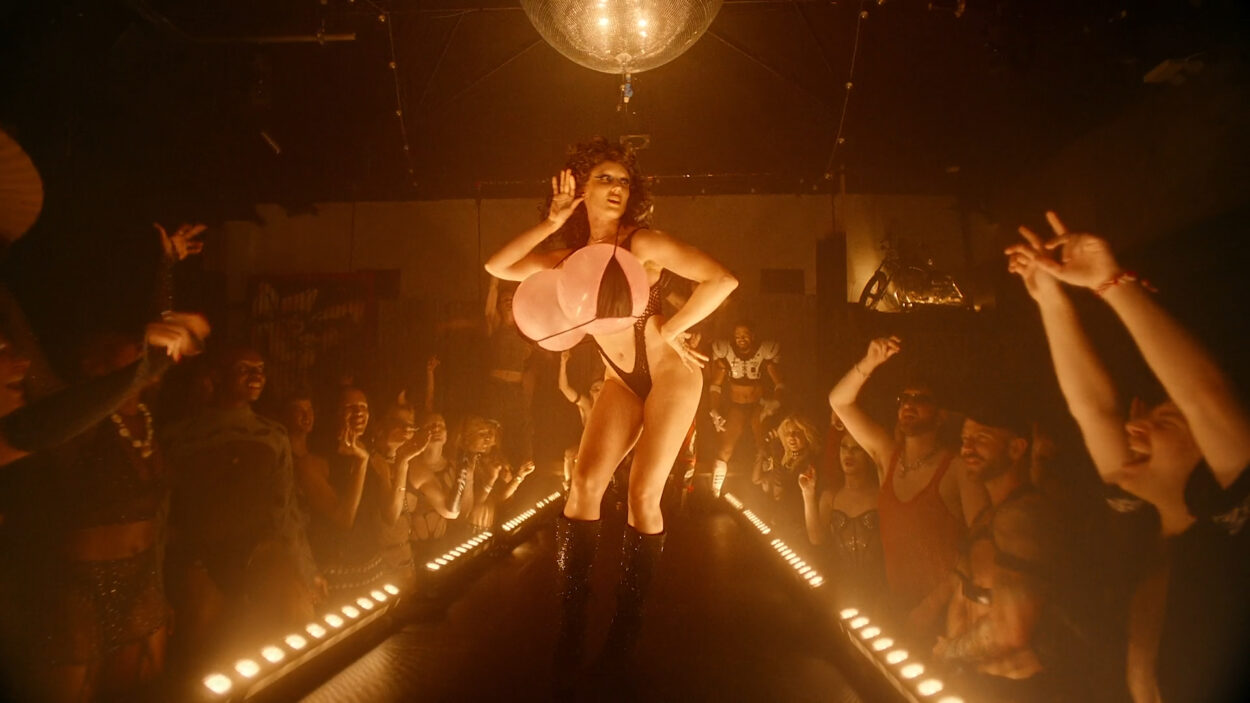
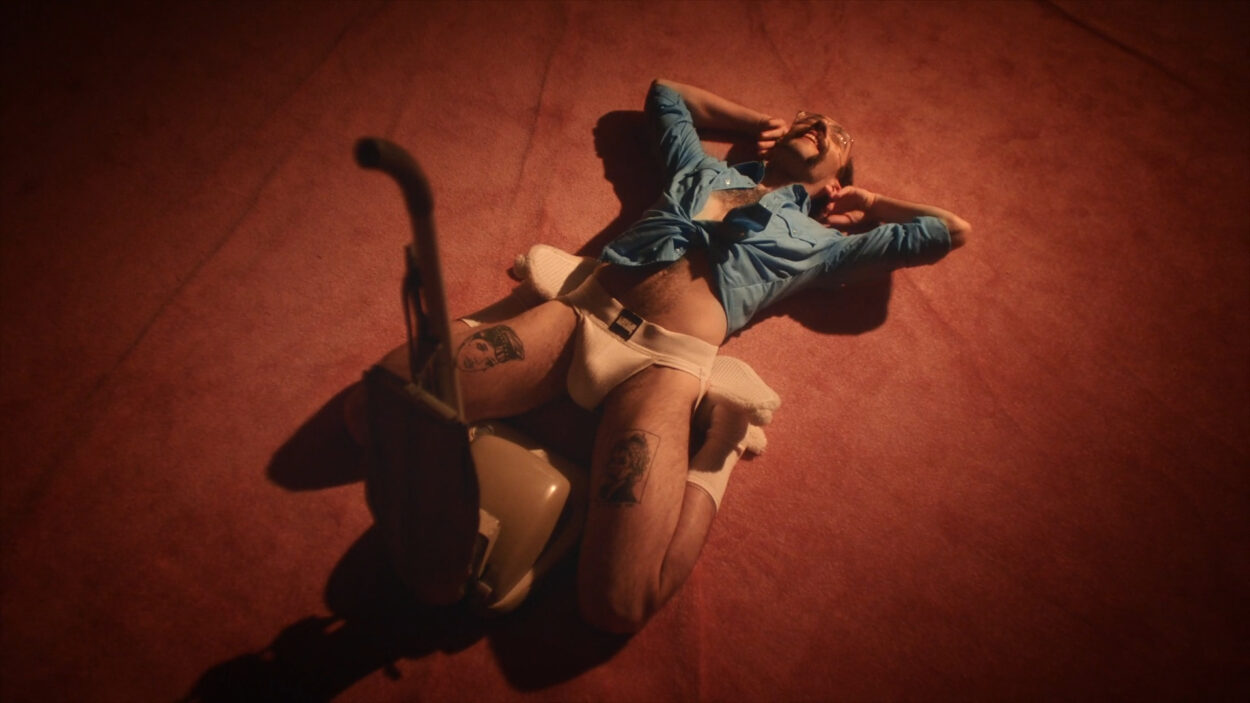
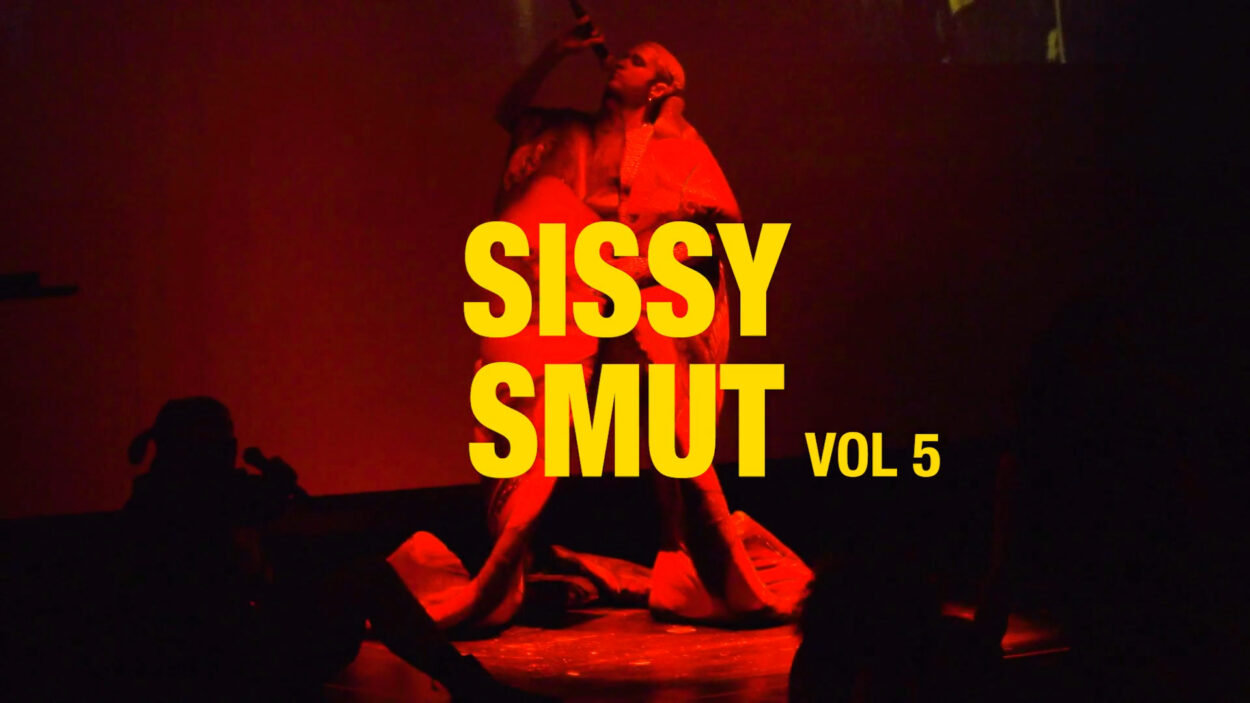
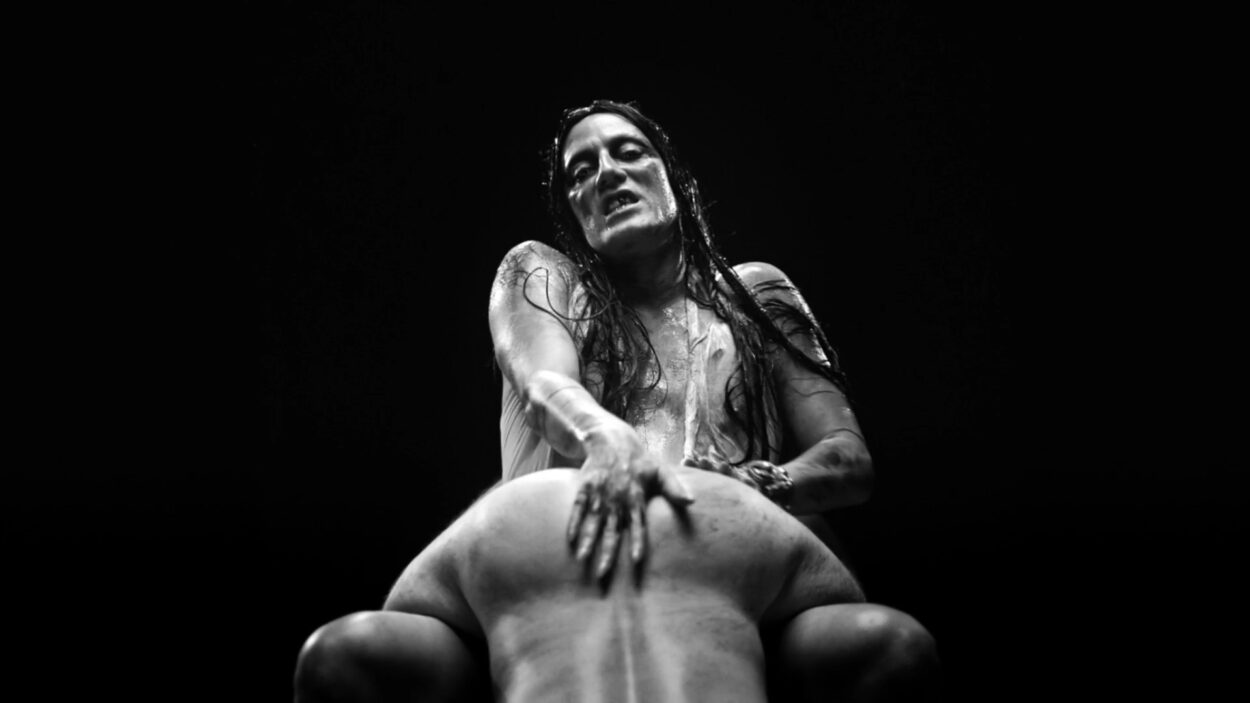
Yes—the live work is a big intersection for us now. I’ve been doing a residency series at the theatre Volksbühne in Berlin called Sissy Smut. It’s part curatorial, part creative direction, part live-stage direction. I screen transgressive short-form explicit queer content—which have included your film Deep Clean—and pair it with live performances. So far it’s included folks like David Hoyle, Brontez Purnell, Christeene, Peaches, lots of fab local performers like Bleach and with my most recent we live-scored one of my films with showtunes with a choir we created called the A-Rousers. It’s always different.
And what about your recent project?
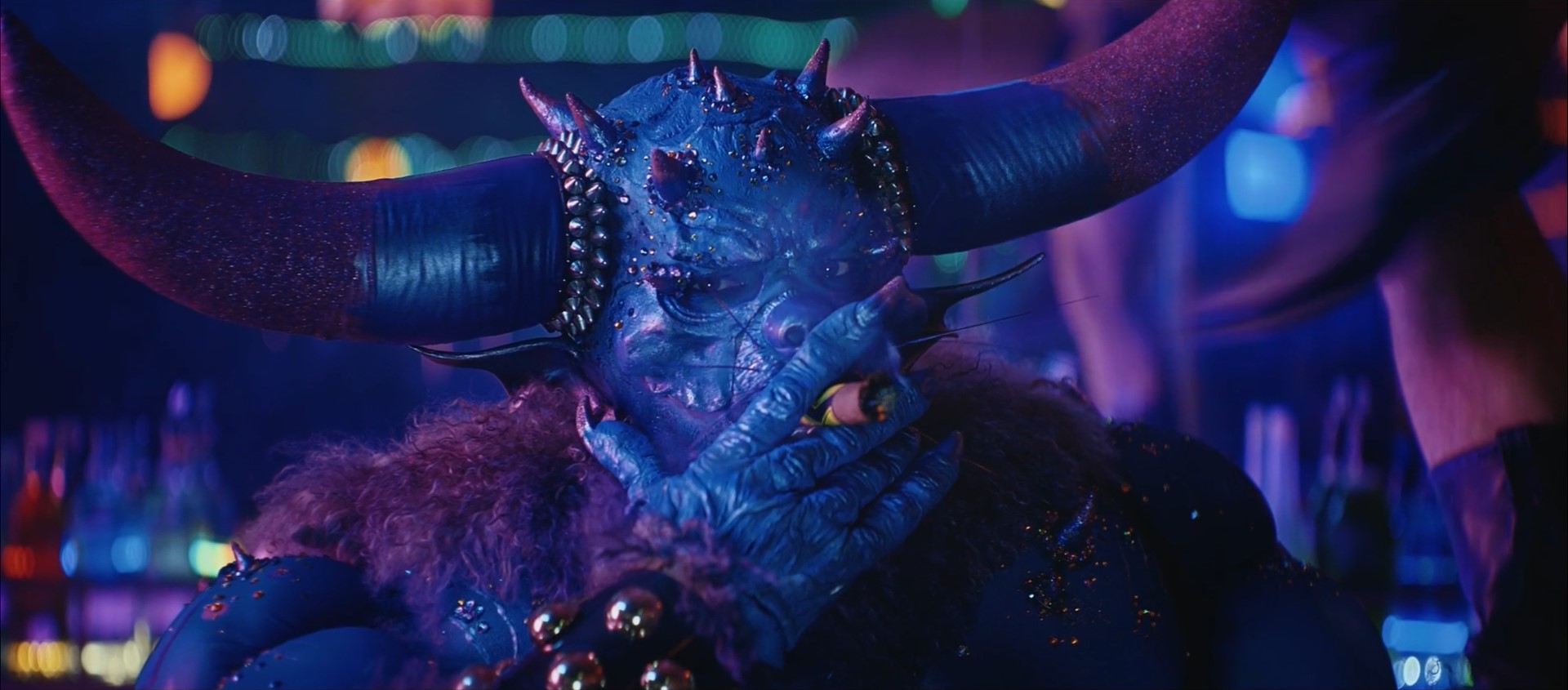
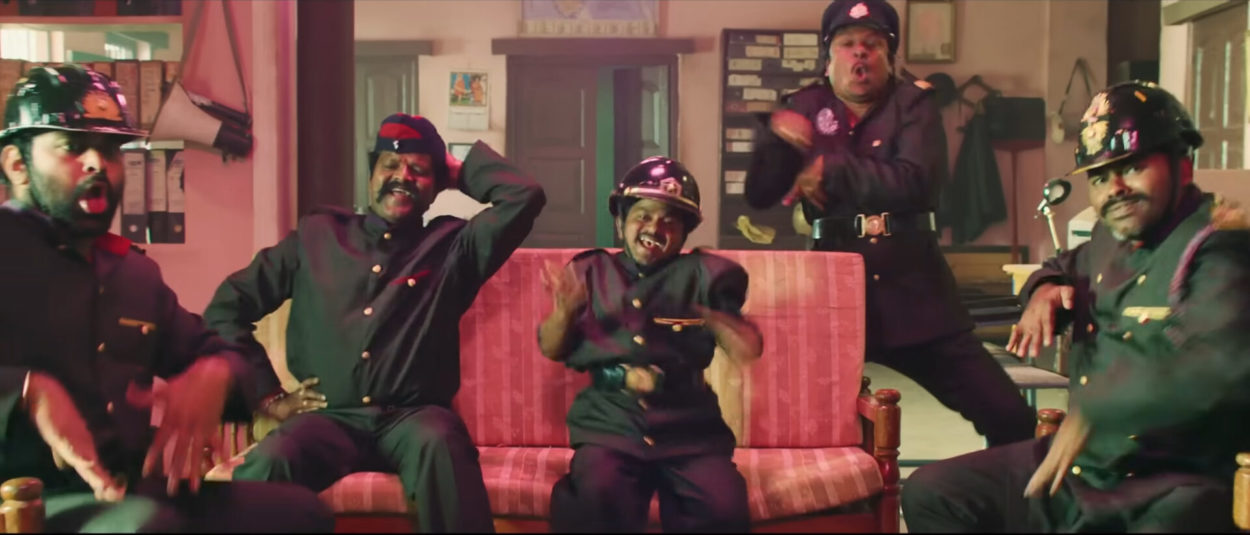
David Wilson: MASSTOR – Self Control
David:
I had two. The one at the Barbican—well, ‘Cabaret’ at the Barbican, as part of Playgrounds Festival. I can’t say I took over the Barbican, but I headlined, which was fun.
I’ve really embraced live work. Film and animation already feel immersive—images moving, sound surrounding you. But when you add performers, movement, smoke machines, the experience deepens. People don’t just watch the work—they step inside it. That’s what excites me.
Matt:
Exactly. Live is such a magical form of world-building. It’s vibration, atmosphere, energy. Film already brings music, fashion, performance together—but live adds smell, touch, the presence of an audience. It breaks down the linearity of film and removes some of the controls we’re so used to on set.
In a way, directors are always throwing parties. Who’s invited? What’s the music? What’s the vibe? Sometimes it’s a dinner party, sometimes a rave. So of course it makes sense to curate live experiences—it uses the same instinct.
Even on set, we curate the vibe—it’s part of directing. It’s taking those moments of magic on set and bringing them into a theatre for our community?
David:
Exactly. Doing live shows also feeds back into film. When I made the ‘Heat’ music video for Tove Lo and SG Lewis, I realised: the best way to work up an authentic queer party on set wasn’t with straight, gruff 1st AD, but with a sassy, sissy MC on the microphone. So that’s what we did. We made an authentic party.
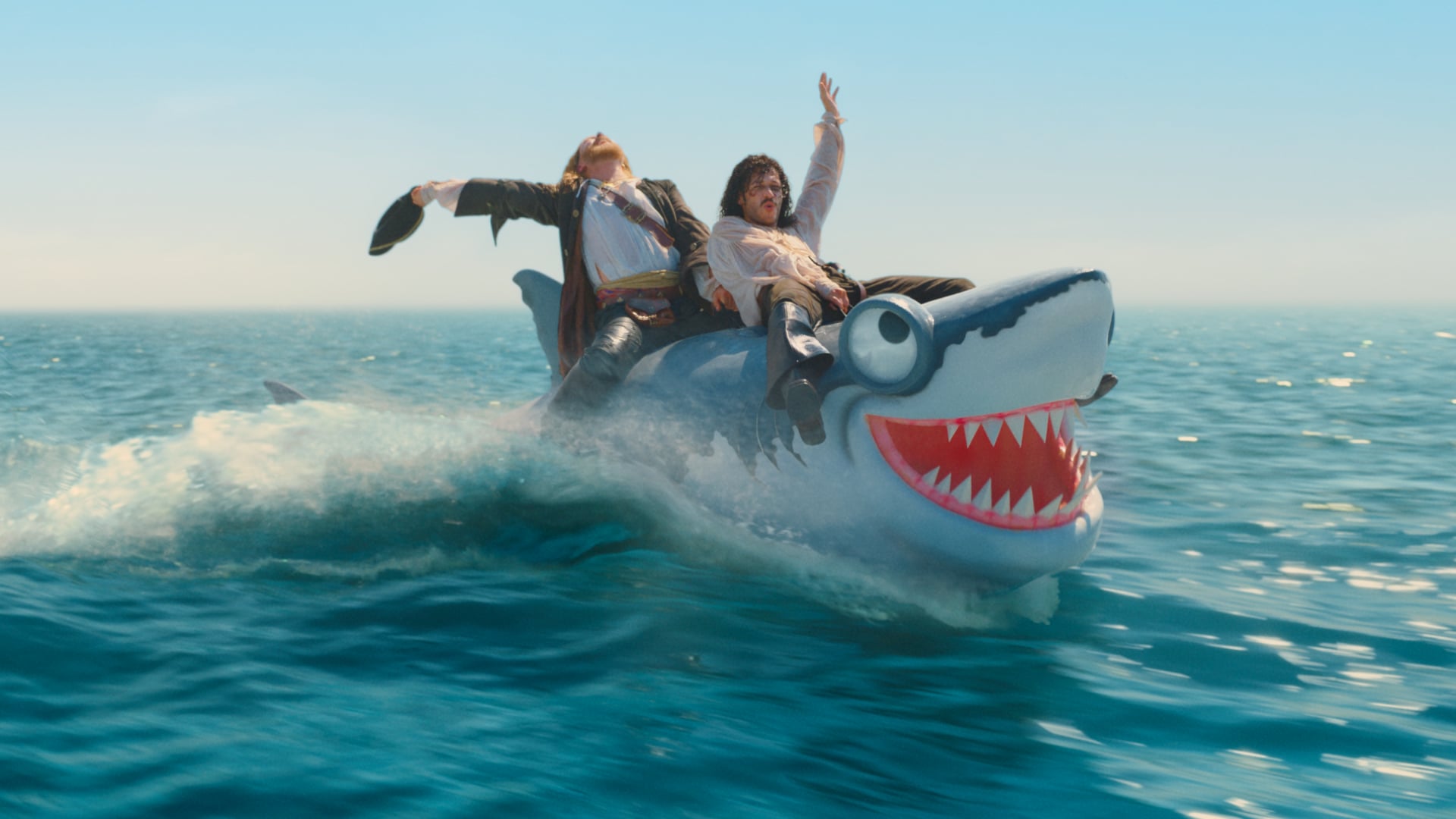
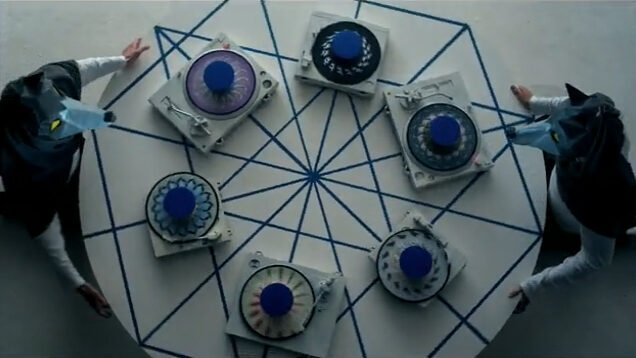
David Wilson: Lipton – Pirates
Matt:
Yes—you’re sharing the beauty of a fabulous shoot day with an audience. Sometimes the shoot itself is more fun than the final cut, and you wish people could’ve seen it. Live allows that.
David:
And commercial sets too—clients and agencies light up when they realise they’ve been invited to a party. For us it’s normal, but for them, being on set is rare. So why not make it joyful?
Matt:
Totally. It’s like inviting a friend into a new party space—you want to make sure they’re having a great time.
I feel like we’ve covered so much. Anything else?
David:
I had written down the unique selling point of being a queer director, but we touched on that already. I think we’ve got loads here.
Matt:
Yeah, this has been really fun. Hopefully people will enjoy reading it.
David:
I think so—I want to listen back myself.
Matt:
Perfect. I’ll stop recording.
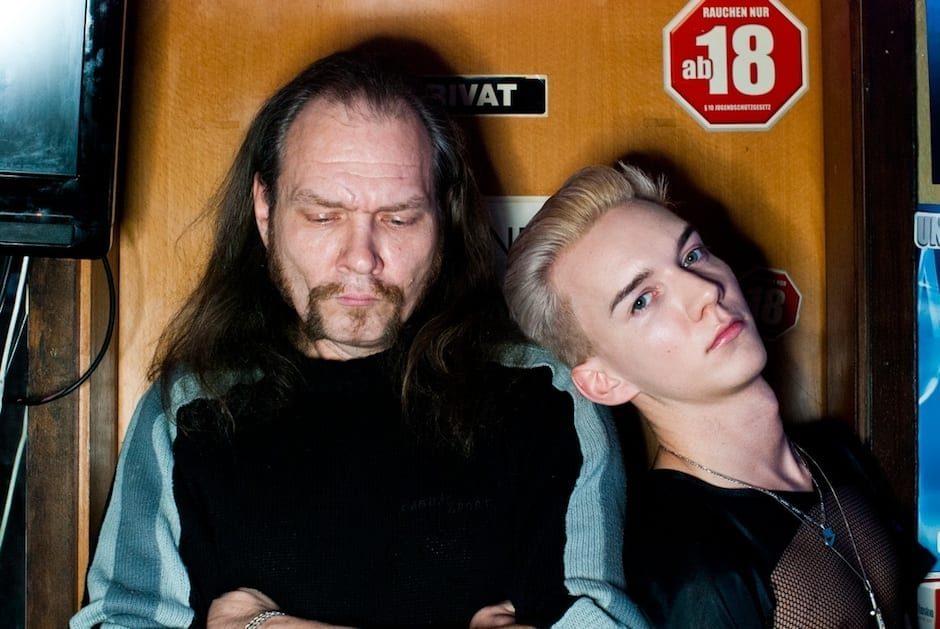
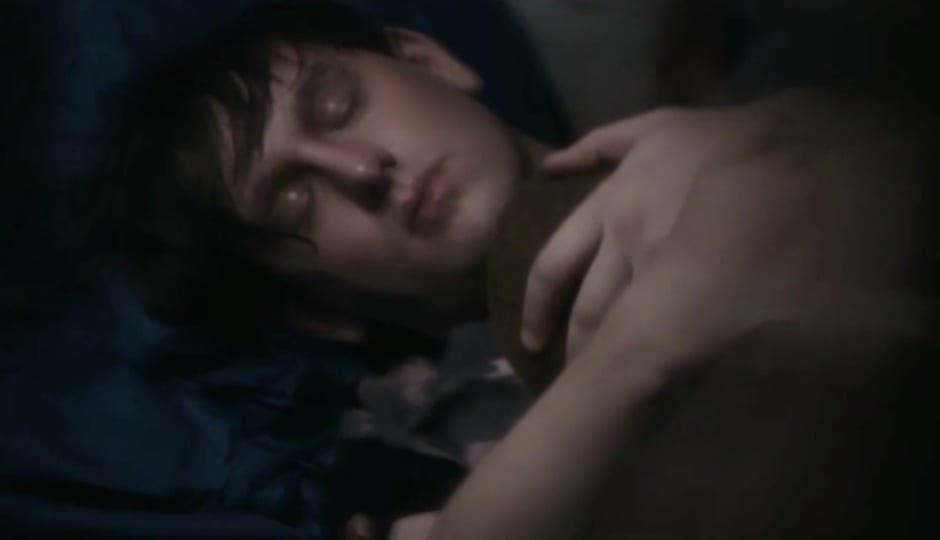
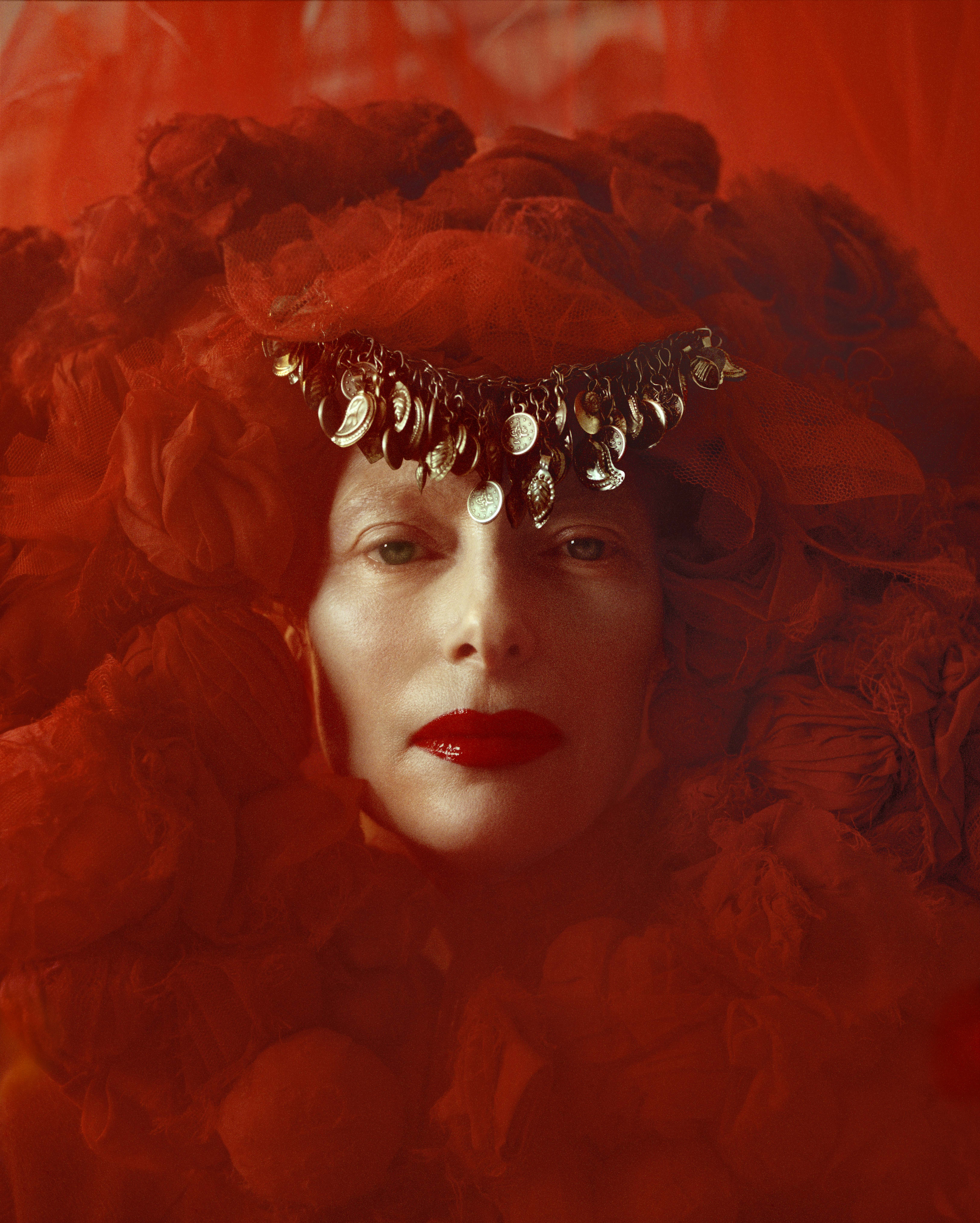
Photography by Matt Lambert

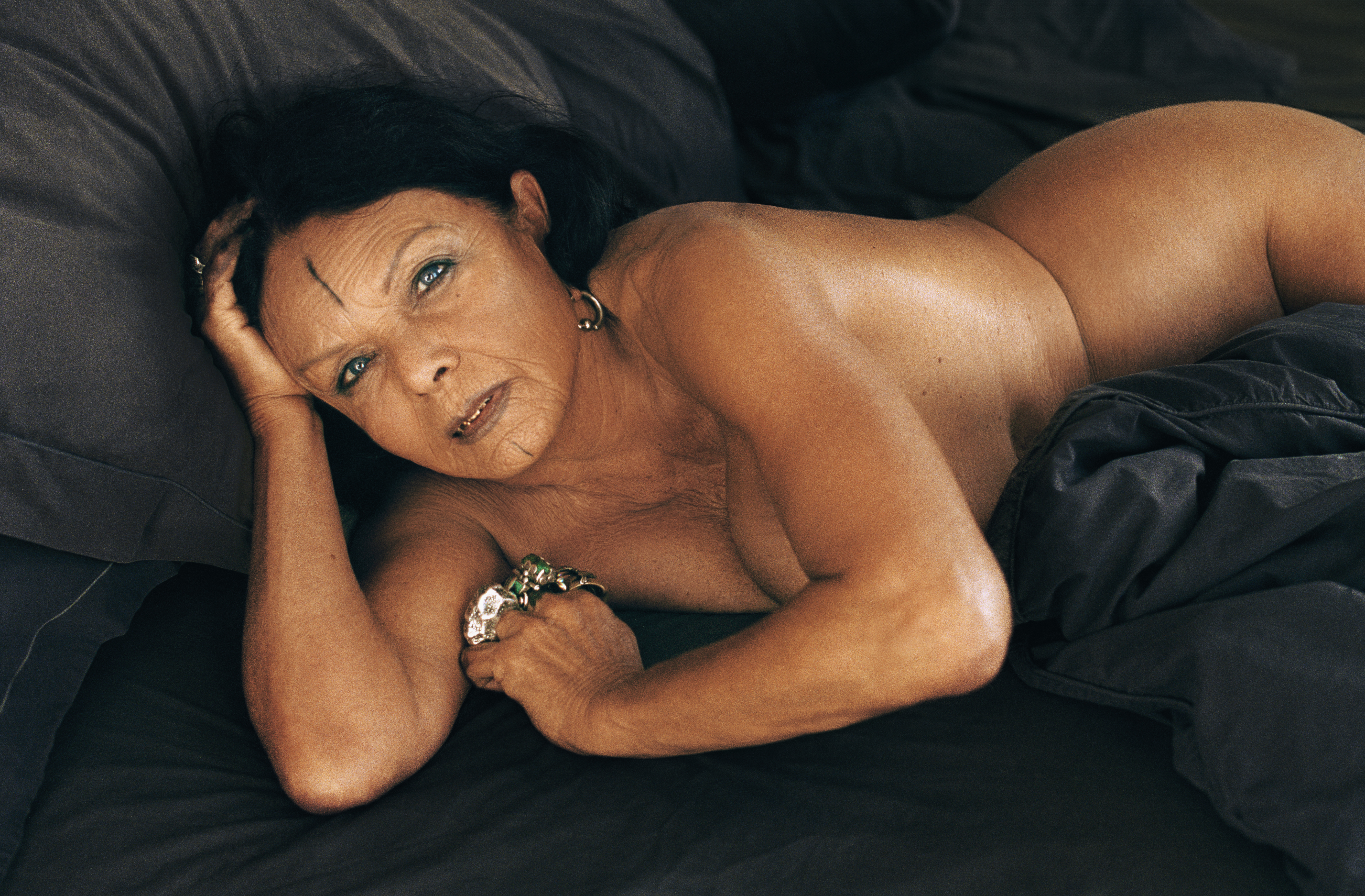

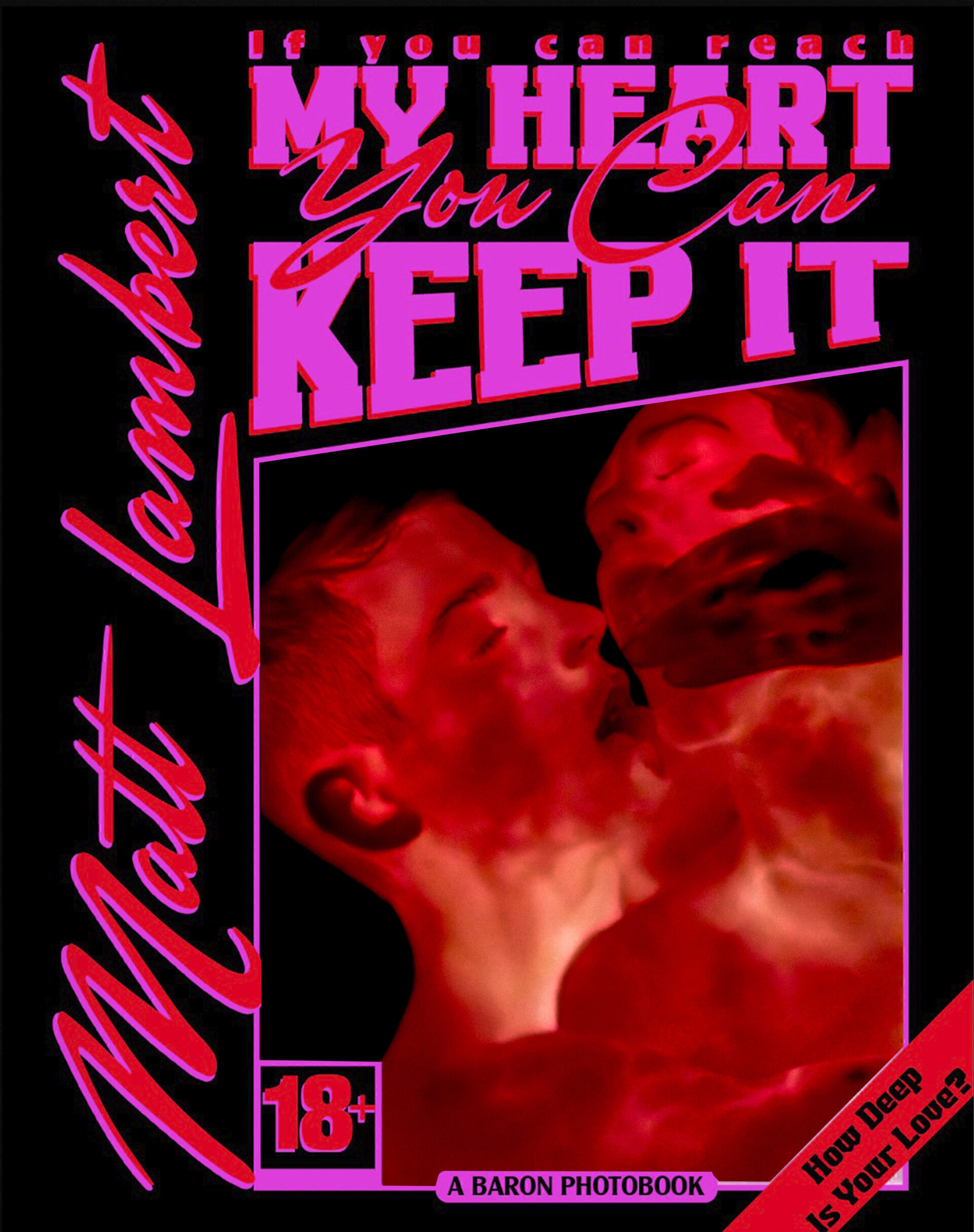
Matt Lambert’s new book coming soon in Fall with Baron Books:
https://www.baronbooks.co.uk/product-page/matt-lambert-if-you-can-reach-my-heart-you-can-keep-it
CREDITS
David Wilson
Website: https://thisisdavidwilson.com
Repped by Biscuit Filmworks
Instagram: @hidavidwilson
Matt Lambert
Website: https://www.dielamb.com
Repped by Object & Animal
Instagram: @dielamb