Adam Muscat
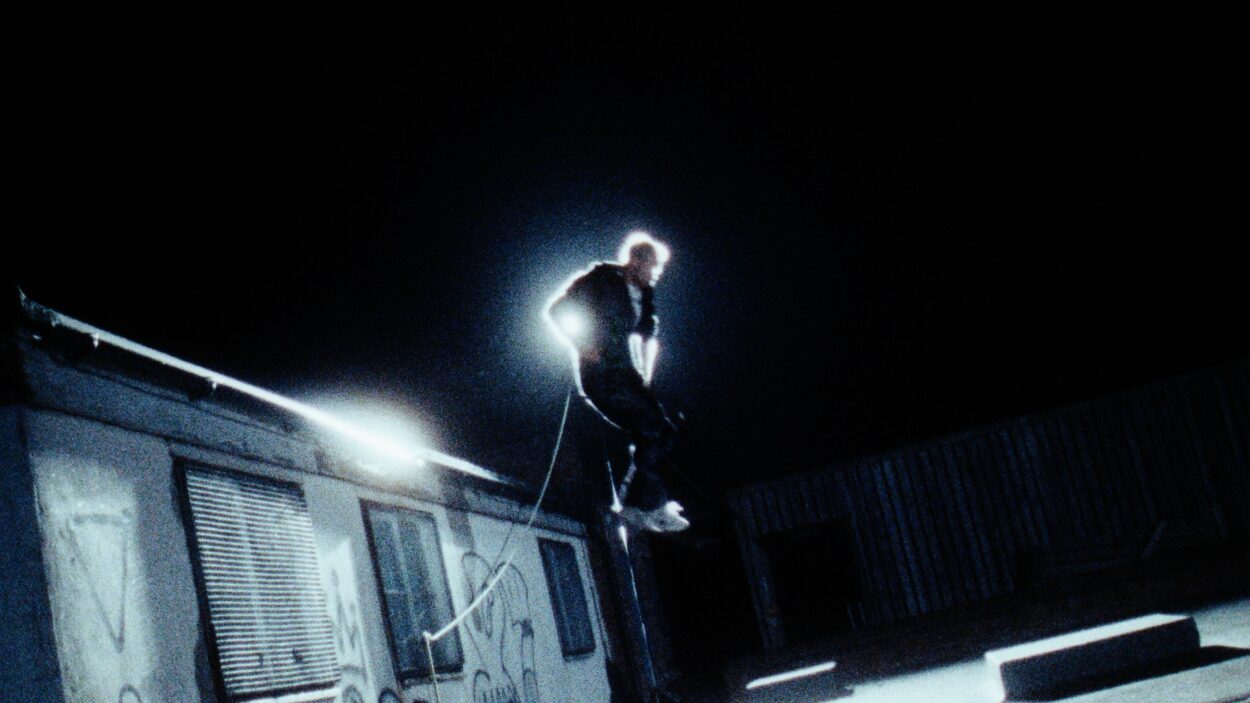
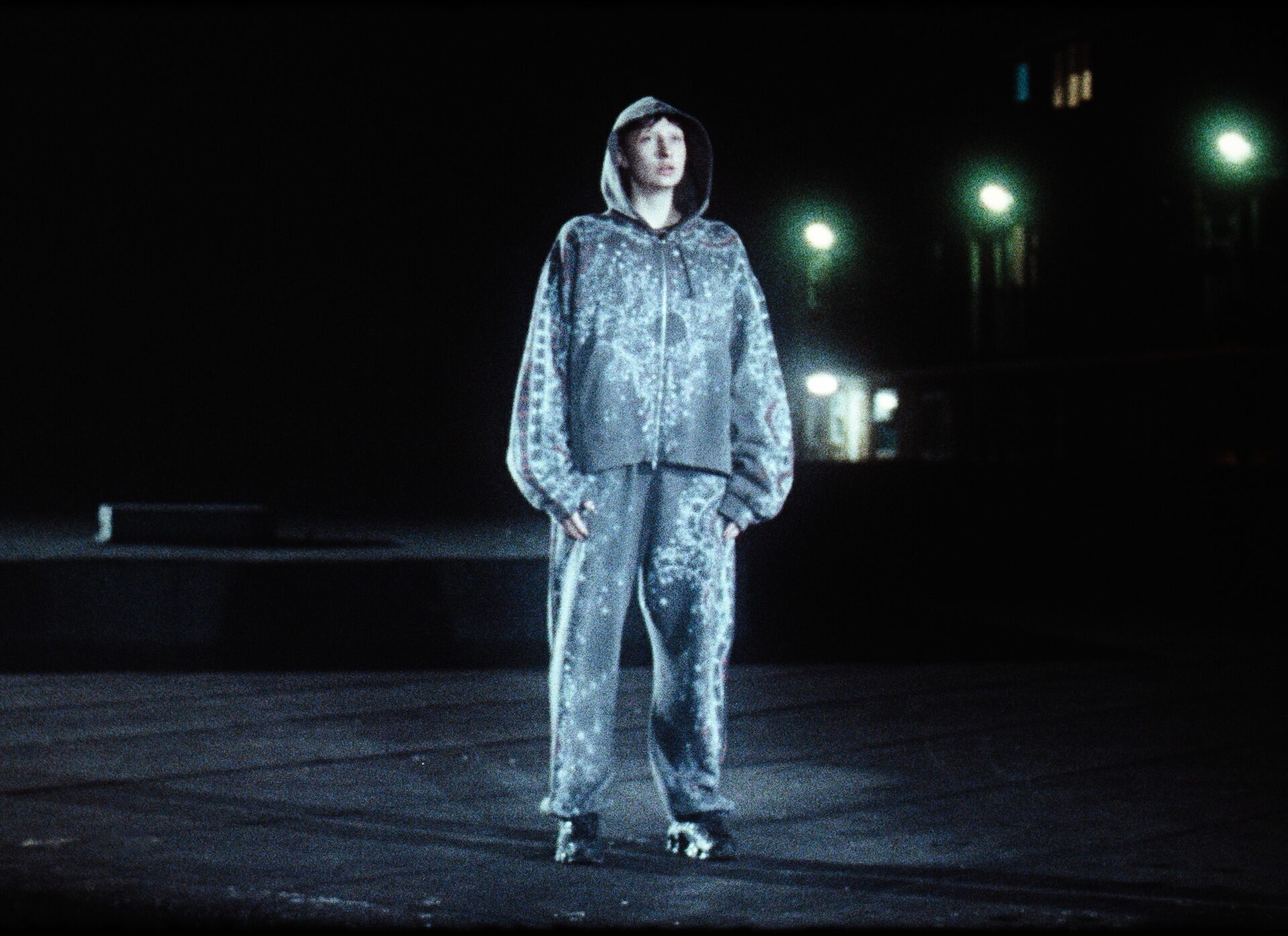
In the Heart of the Flower Citadel sits somewhere between fashion film, installation and moving-image art. How was the vision for this ignited? Working alongside artist-designer nil00, how did you work together to shape its transcendent yet real visual language?
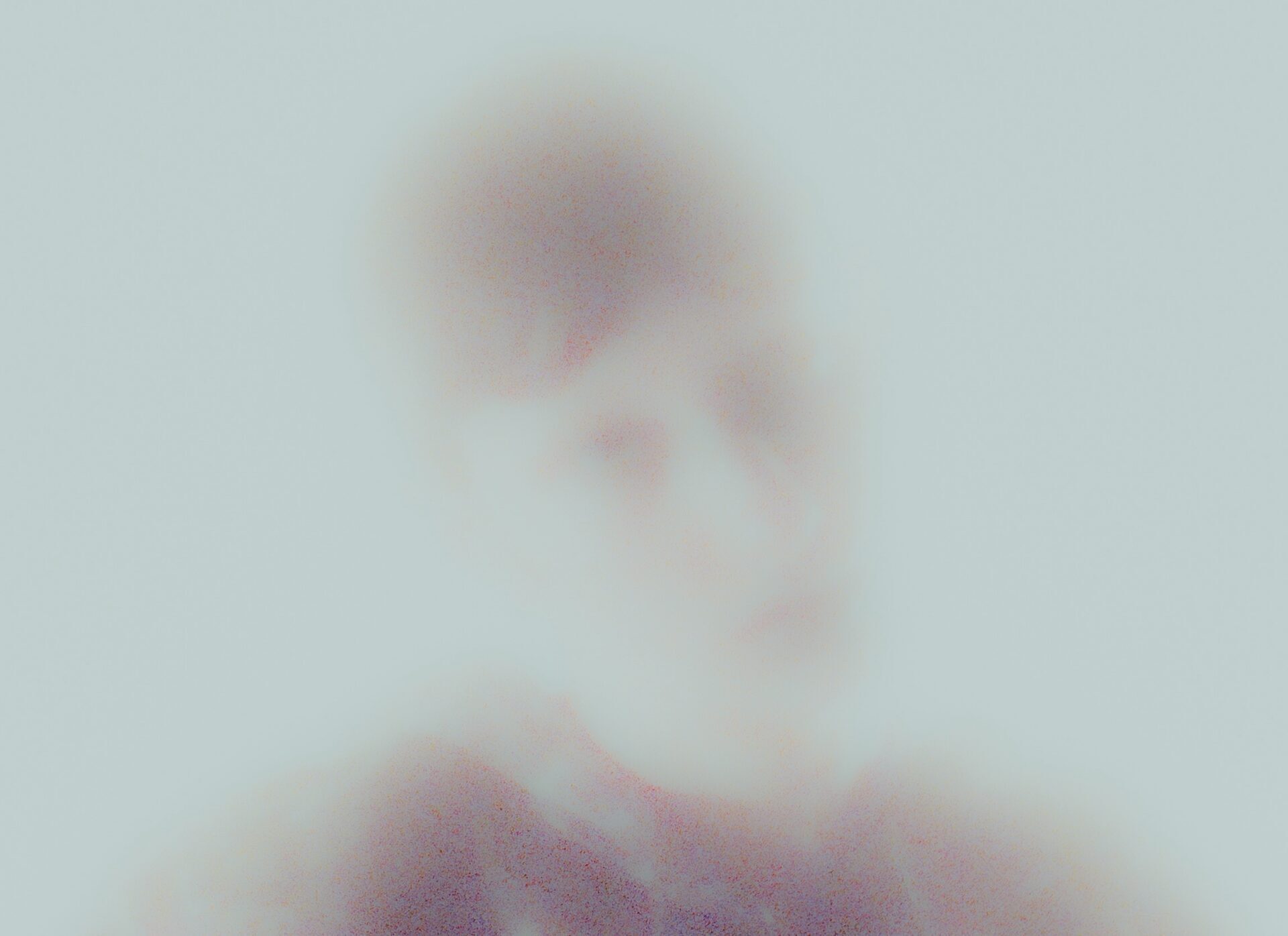
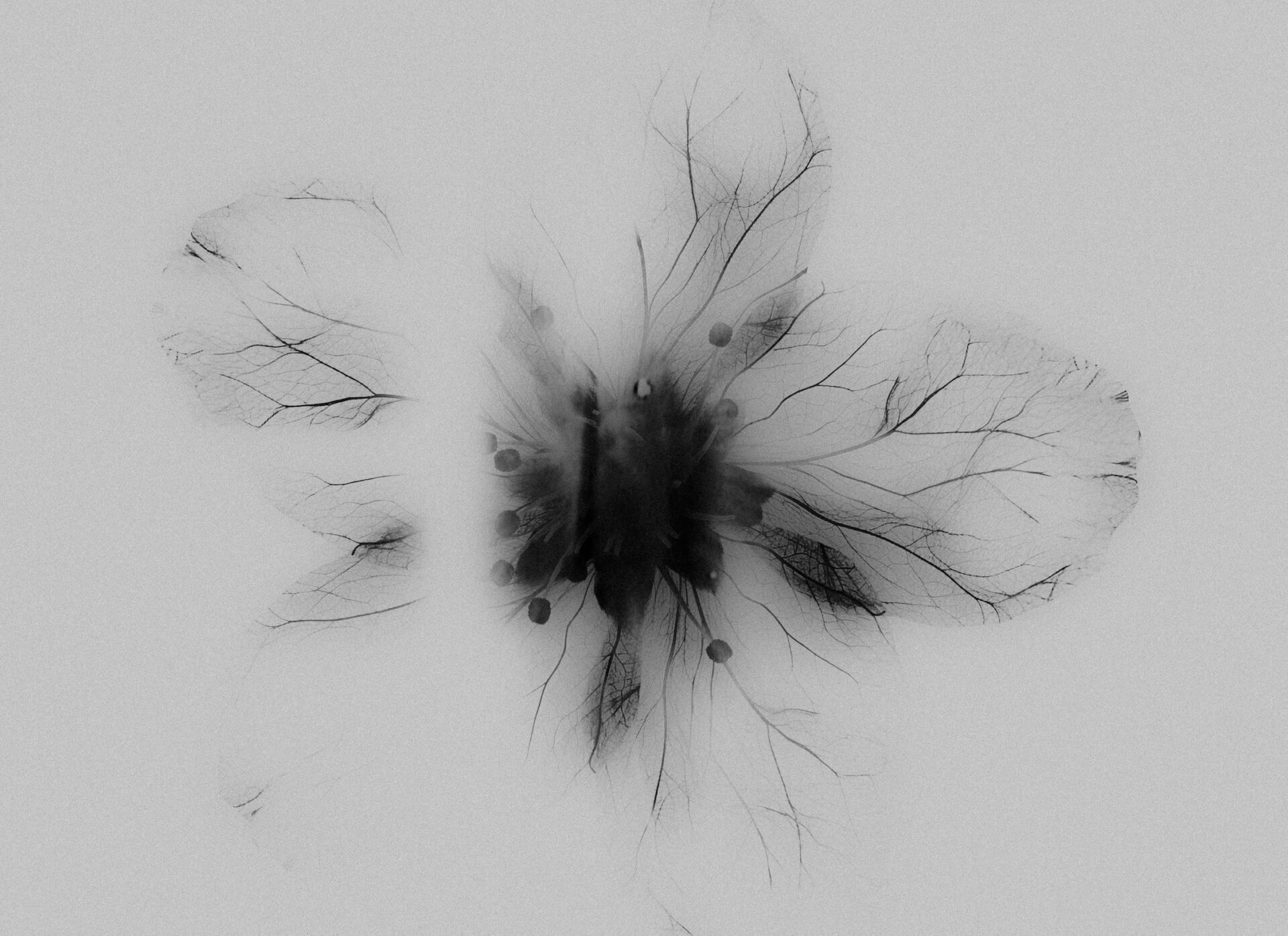
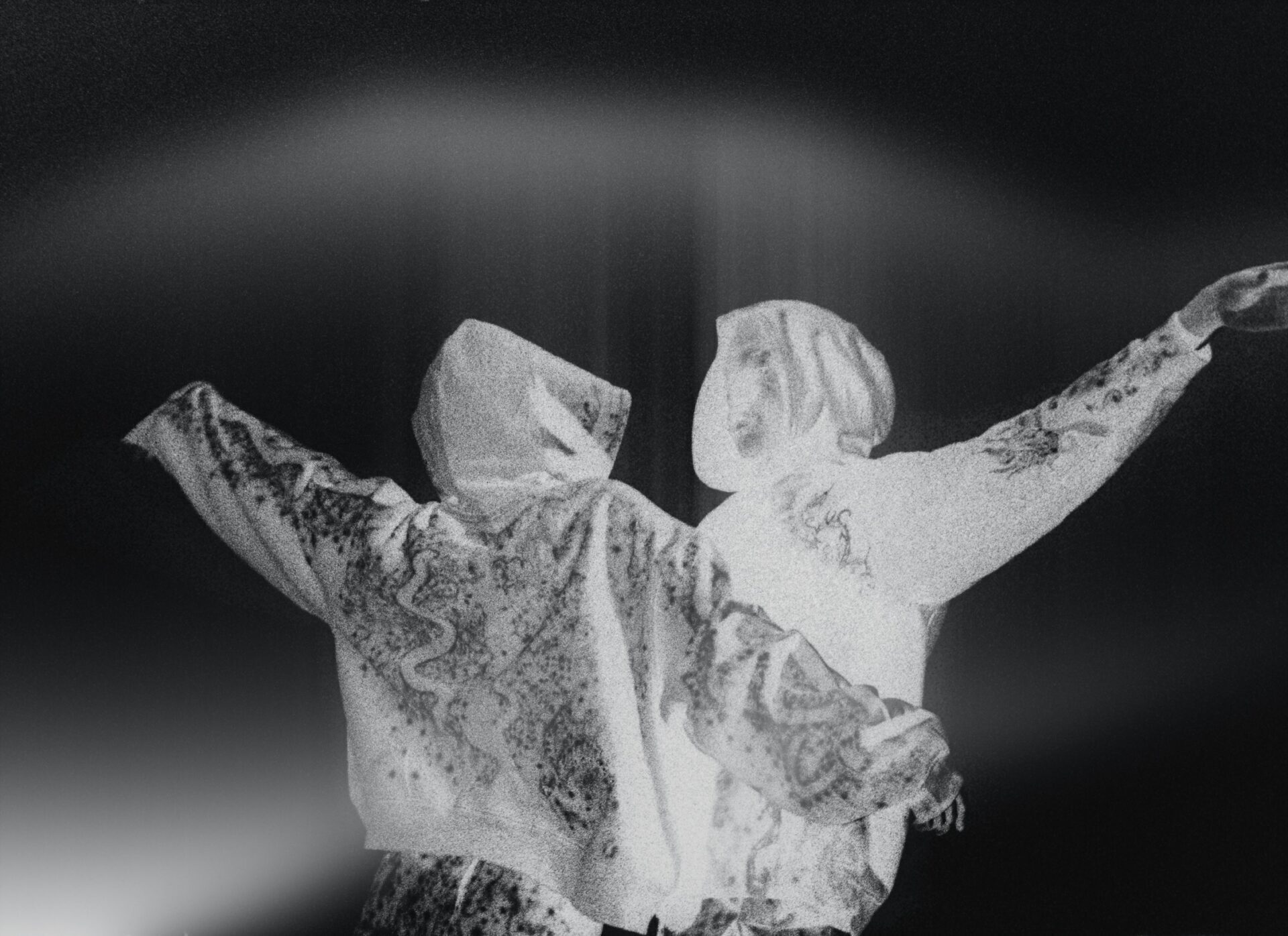
Myself and nil00 both have very distinctive visual styles and we knew from the start that our modes of working would be favourable for each other, that these two worlds would naturally coincide. Although nil00’s brand sells garments, she is an artist, and the way she works expresses that: airbrushed designs painted onto recycled pieces, playing between the real and the ethereal. What I brought to that was my frame of reference, which is traditionally very textural and abstract, and this film was the first time I was able to explore these instincts as a director. Playing with textural elements and moments of the sublime, alongside something human and intimate—whether through movement, pacing or sound— allowed me to create something that could connect with a wider film and fashion audience while still sitting firmly within the dark and textural world of my paintings and installation work.
You’ve built your career as an editor, but works like In the Heart of the Flower Citadel position you as a director too. How has directing your own work changed the way you think about editing?
I think they’re all intertwined. Coming from a fine art background I’m always looking for ways in which my visual language as an artist can be expressed through a medium, whether that be editing, directing, film, installation or painting. In a way I’m working with the same ideas…but the way in which they’re articulated varies. With editing, it’s more specific, because I’m always working with a director or a client. There can be ways I implement visual motifs or ideas through a cut, which correlate back to my instincts. With directing, however, there’s a bit more lead and a bit more control over the creative output as a whole, so I can take those same motifs and turn them into broader, grander gestures. The idea is that all the work sits within the same universe.
The film has already picked up significant recognition, from winning Best Video Art at the Young Director Award to Berlin Commercial as well as being shortlisted at the 1.4. What does this recognition mean to you as an artist?
It’s always nice to be recognised for your work, it was especially meaningful as where and how this work was seen was kind of a difficult question. The film is almost five minutes long, the sound is immersive, shots hold longer than they perhaps should, and none of that is accidental. It’s designed to be sat with, to be experienced rather than consumed. So creating something that deliberately rejects the current trends of short, punchy and immediately impactful meant we needed to find the right audience and the right context. It doesn’t sit neatly in the world of fashion advertising, but it doesn’t quite sit in a fine art gallery context either. That’s why the film festivals felt so important, because the work was delivered to a vast and diverse international audience who were already in the right headspace to receive it.
Fashion campaigns today are more complex than ever, built across multiple formats, tighter timelines and hybrid post-production workflows. How has that changed what it means to be an editor and what do you rely on creatively and technically, to navigate that complexity whilst staying true to your own vision?
It’s always about striking a balance. Working as an editor in the commercial world means dealing with different clients, directors and creatives, and it becomes almost a puzzle to maintain a certain level of integrity within the work. The hero film usually takes up the most time and develops the main creative thread, but with all the cutdowns and formats, it’s about having an eye for detail, carrying elements through and creating a package that comes together as a whole. It’s a demanding job that requires a lot of focus, but it’s the fine details that make or break it.
Whether it’s a highly conceptual project like In the Heart of the Flower Citadel or a luxury campaign such as Tatcha Beauty, your work has a strong sensitivity to texture and pacing and creates a sense of feeling beyond a story. With each new production, how do you balance responding to a client’s vision while staying true to your own creative instincts?
I think it’s about building a portfolio that speaks for itself, so when a client comes to you they already understand the universe you’re offering them. Whether that means full creative freedom, as I had with nil00, where I really pushed the visual language to its edge, or having to dial it back, it’s about staying true to what you want to say. Even with something super commercial, it’s about finding the little nooks and crannies where you can show your flair and speak in a language that is true to you.
Looking ahead, do you see yourself moving further towards directing, or are you more interested in continuing to blur the boundaries between editing, post-production and image-making?
Definitely moving further into directing, I already have music video and fashion work in pre-production and more in the works. But honestly my best collaborators are my friends, and that’s after all how mine and nil00’s collaboration sparked. So I’m initiating projects with people around me who are equally as creatively driven, all of which again blur the line between art, music, fashion and space, and all with the hope that the work is a constant development of what we started with that debut film. It’s strange to think we shot it two years ago and it still feels like such a strong presence in my life and such a large creative impact. But I think it’s time now to push the next films forward, because in the two years since we shot it I’ve been constantly accumulating new skills and influences that are ready to feed into the work. I believe an art practice is a journey and a reflection of your lived experiences, which is why I’ve never been in a rush to push out new work. I wait for the right opportunity, the right collaboration. In a way that’s another rejection of the fast paced digital media culture we’re all swimming in. I’d rather be a director with a less is more policy.