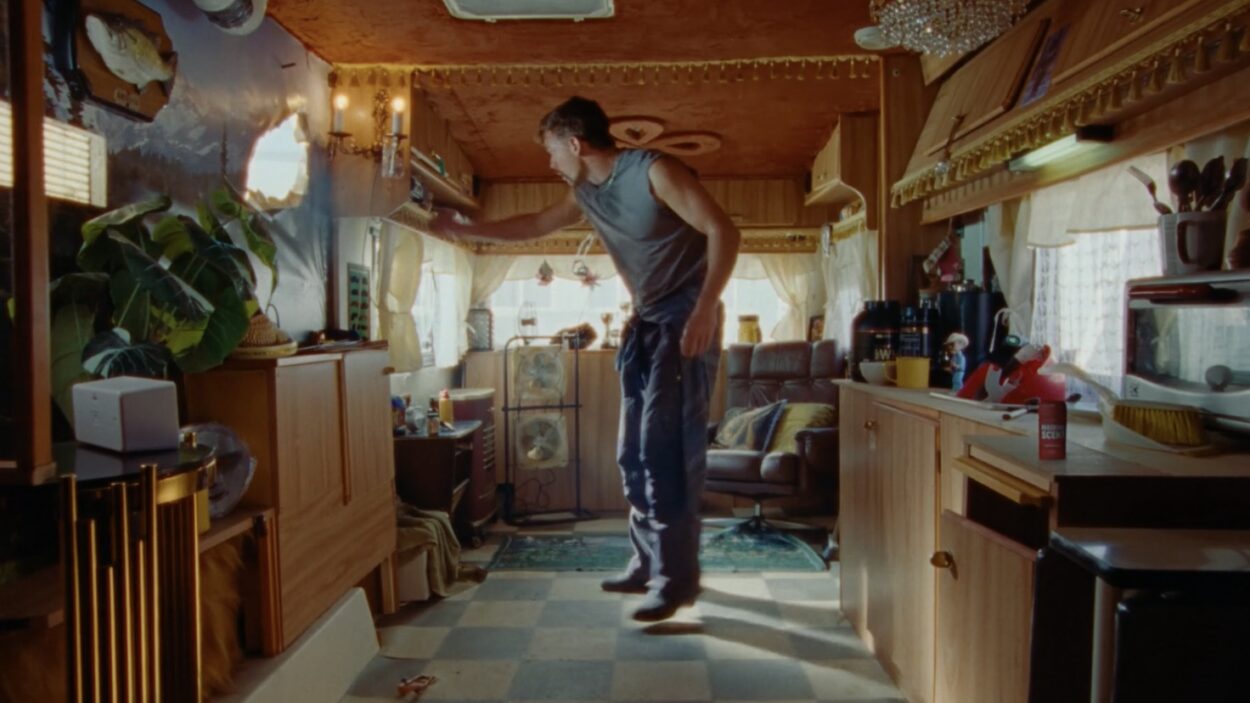
Your work often feels as if it begins in the real world, then quietly slips into something wonderfully surreal. Is that a reflection of how your everyday imagination works — does your mind naturally wander off on these strange tangents?
Yeah, my imagination definitely drifts off into the world. I love observing everyday life and seeing how normal, ordinary things can suddenly turn into something quite surreal.
When I’m walking down the street, I’ll often look at someone, say an old lady, and start imagining what her life might be. Not just an old lady living an everyday life, but maybe she’s secretly a trained karate expert who only gives the impression of being frail because she’s waiting for someone to try and steal her bag so she can fight them.
I love imagining those strange little scenarios happening all around us. We pass so many interesting people and scenes every day, and I like bringing that into the films. Creating these characterful people and giving them a moment to live.
There’s a lovely tension in your films between tenderness and the absurd – characters who are funny, strange, sometimes grotesque, but never treated as jokes. How conscious are you of protecting the emotional truth inside the weirdness?
I think I am conscious of it, yeah. Deep down I’m quite an emotional person, and I love watching really emotional films. I’ve always felt that comedy and emotion come together in a really beautiful way.
I had this eye accident, where I lost my sight in one eye, lucky I’ve had a transplant so I’ve somehow got it back, but around that moment I suddenly felt like I wanted to make comedy rather than more serious films. It made me want to give people something they could enjoy watching in their life. Something they could laugh at, something silly, something uplifting. Because when I was in hospital that’s all I wanted to watch.
But I never want the audience to laugh at the character themselves. I think the character still has to be protected and empowered, even when the world around them is strange or absurd. That, to me, is the coolest kind of comedy.
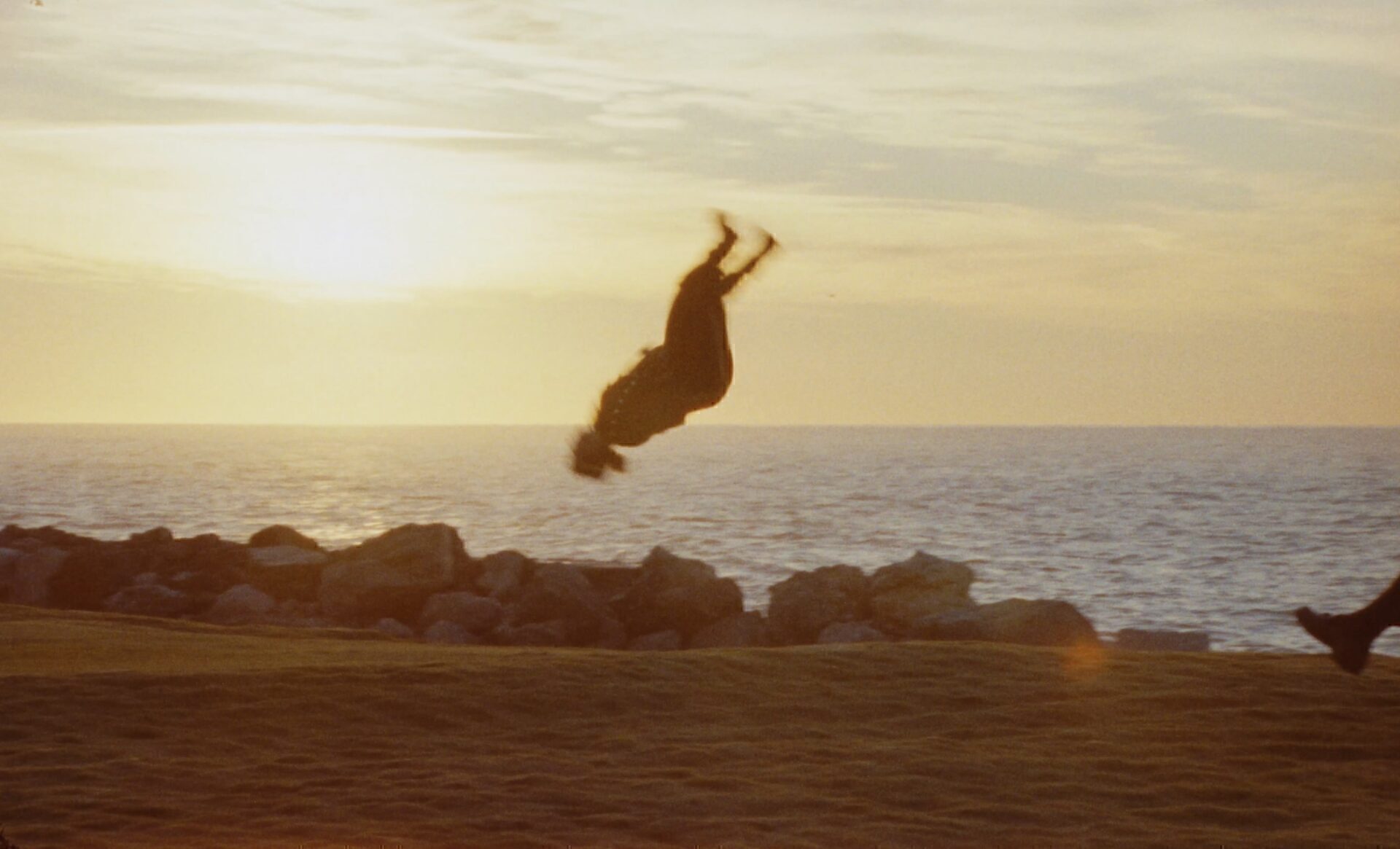
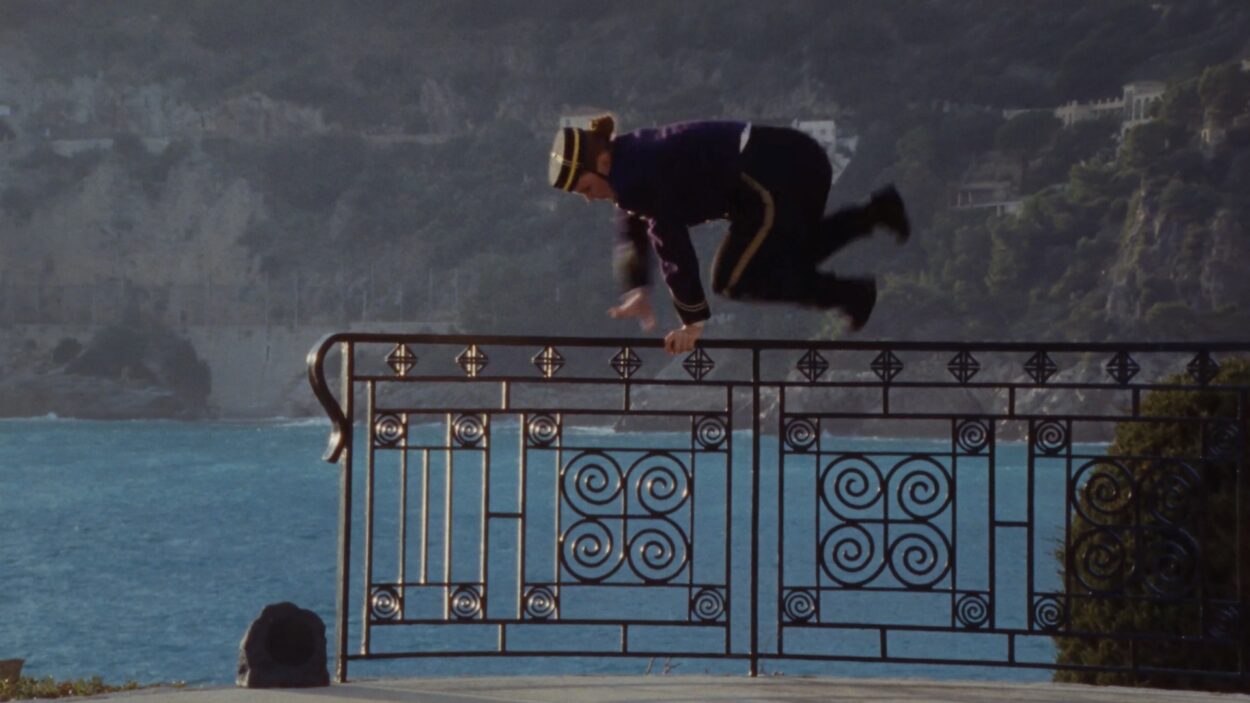
Carry the Heritage turns a fragrance delivery into a chase, a stunt piece and a kind of silent-film caper. What was the first thing that unlocked the tone for you?
I think the first thing that unlocked it was Buster Keaton. I was really inspired by those old silent films, where everything is physical and playful, but still somehow elegant.
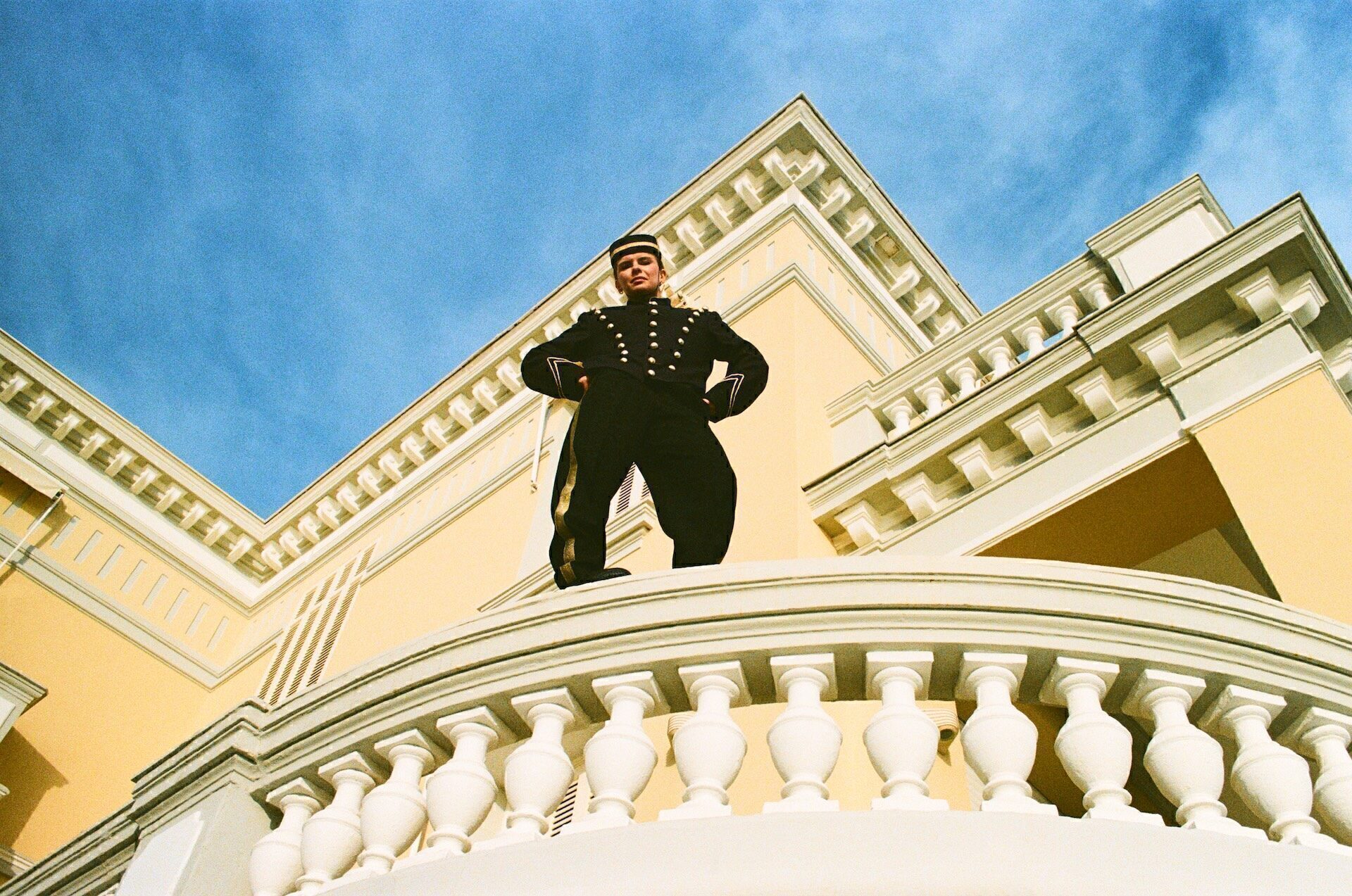
We also had Lilou quite early on, who is this incredible parkour artist, and that opened up the idea of the delivery becoming much more than just a delivery. I loved the thought that this person, who at first feels like a bellboy, has done this routine so many times that they’ve almost turned it into an art form. Maybe they’re bored of just walking the perfume from one place to another, so the whole thing becomes this strange, elaborate stunt.
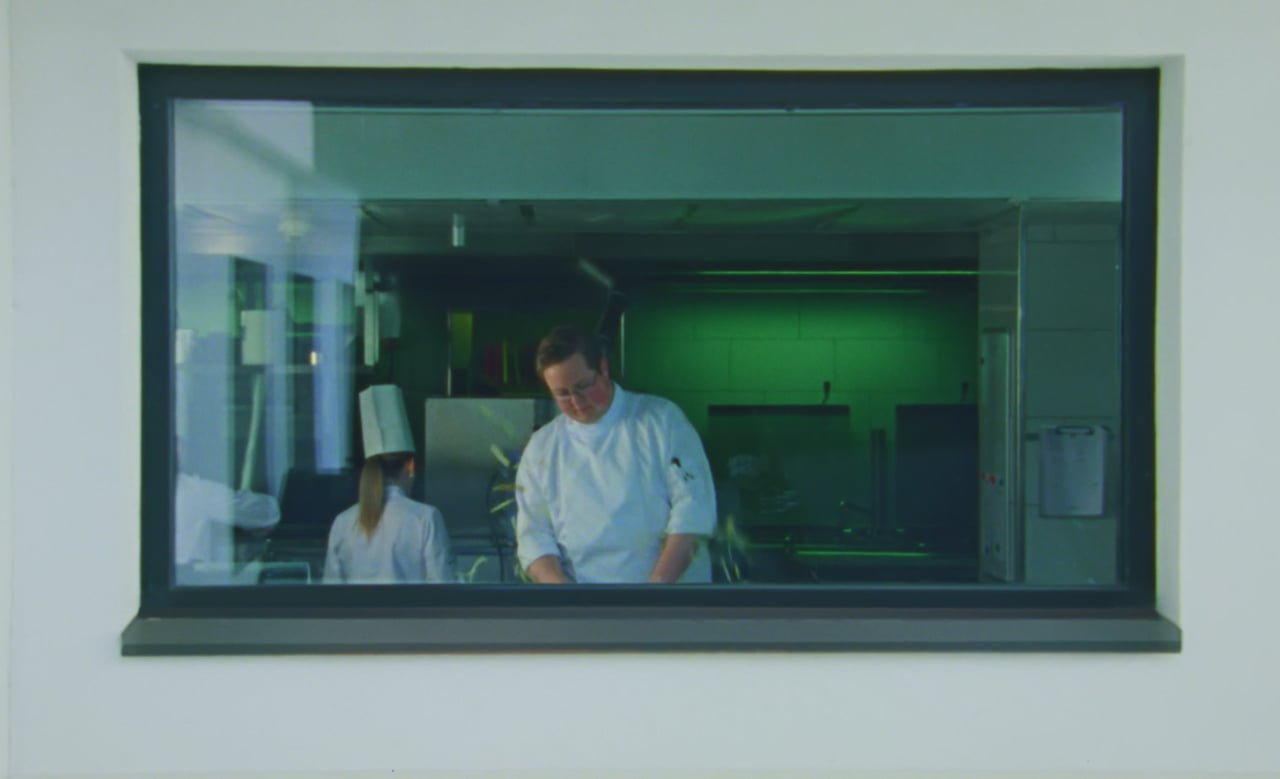
Möehr wanted to bring in the kitchen, the hotel, and people in service, which felt really important to the world of the brand. So it became about taking that simple journey through the hotel and letting a bit of imagination and fun take over.
You mention loving the feeling of old silent pictures, “where everything’s moving but nobody’s explaining anything.” What did that tradition give you here, especially for a fragrance film, where mood has to do so much of the storytelling?
I think, to be honest, part of it comes from the fact that I’m terribly dyslexic. When I try to explain things in words, I often find it much harder. So the idea of being able to explain a story visually, without having to say everything, really appeals to me.
That’s what I love about silent films. Things don’t always need to make perfect logical sense, but you understand the tone, the feeling, the rhythm. You’re carried by the movement.
And for a fragrance film, that felt really right. Fragrance films can often be very serious and emotional, with this big focus on trying to describe a smell, or express elegance in a very traditional way. What was exciting with Möehr was that they wanted to break that up a bit. To bring humour into it, but still keep the elegance.
So rather than telling the audience how the perfume smells, it became more about showing the energy, tone and mood of the Möehr world. Through Monaco, the hotel, the movement, the characters, you start to feel what the fragrance is without anyone having to explain it.
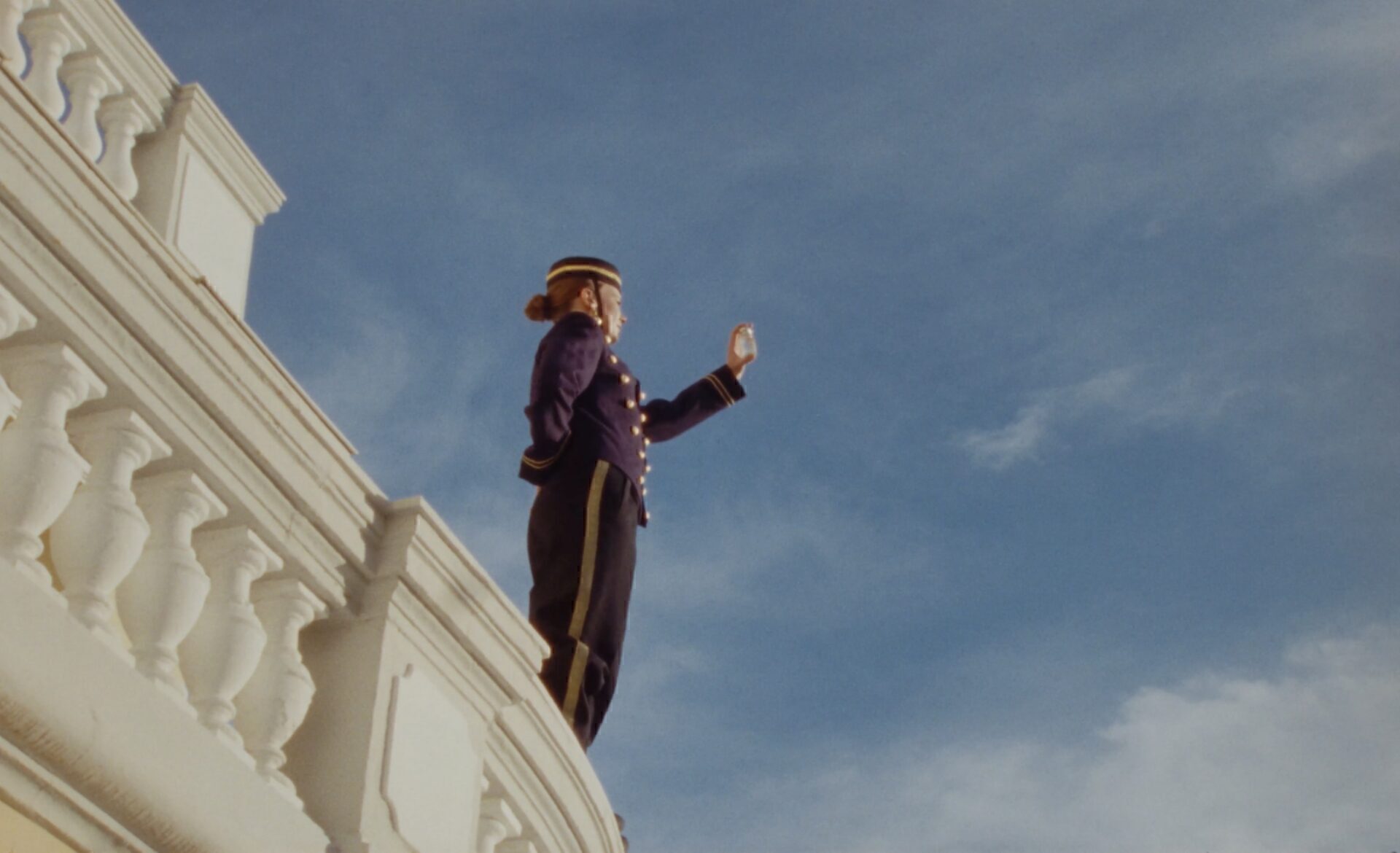
The film has this lovely collision between old-world hotel elegance and physical mischief. How did you balance the refined heritage of Moëhr with something more burlesque, strange and irreverent?
I think the balance came from not treating heritage as something stiff or untouchable. When I imagine that old-world Monaco era, I don’t imagine everyone being serious and perfectly behaved. I imagine people living it up, things feeling a bit wild, a bit chaotic, like anything could happen.
So the elegance was already there in the buildings, the hotel, the costumes, the world of Moëhr. That gave us a refined frame to play inside. Then the mischief could come from showing the life behind that elegance. The service corridors, the kitchen, the movement, the slightly ridiculous journey of getting the fragrance delivered.
Moëhr has this old heritage, but it’s being brought back by young people, so it felt right that it shouldn’t be too polite. It should have charm, silliness and a bit of madness. Elegance is exciting, but elegance with mischief is much more alive.
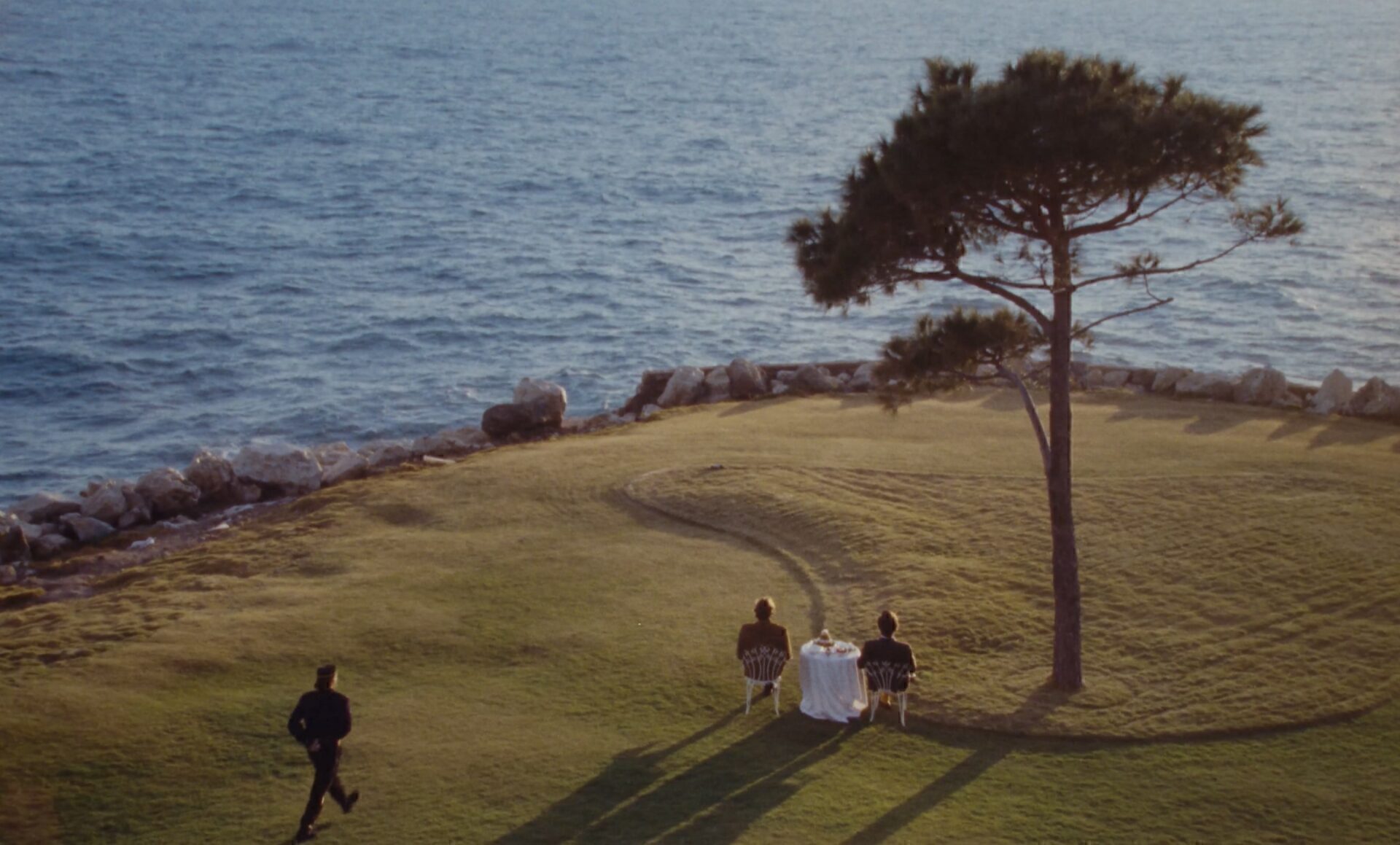
Lilou Ruel brings such an extraordinary physical presence to the bellhop role. How much did her freerunning background shape the film’s structure, choreography and comic timing?
She helped define what was possible. We would take her around these beautiful locations and she’d casually say she could jump from one building to another, over a 50-foot drop, maybe throw in a backflip, and land perfectly on the other side. She said it like it was completely normal.
It also shaped the comedy, because so much of the timing came from how calmly and precisely she moved through these ridiculous situations. The fun was in treating these extreme stunts as if they were just part of her normal working day.
She was crucial to the script, the choreography and the rhythm of the whole film. Without her, we wouldn’t have known how far we could push it.
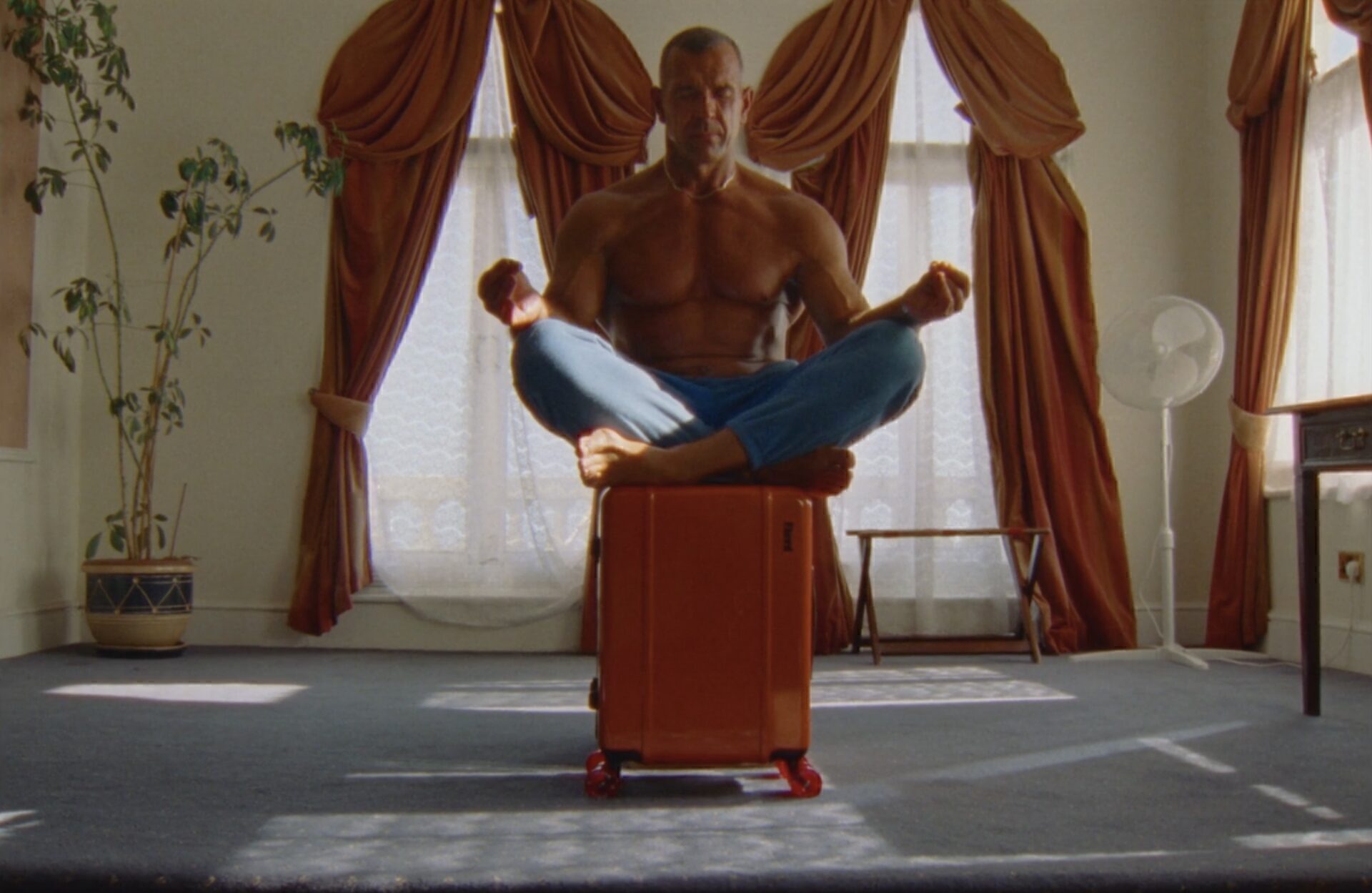
Floyd – Elevating Every Journey Big Or Small
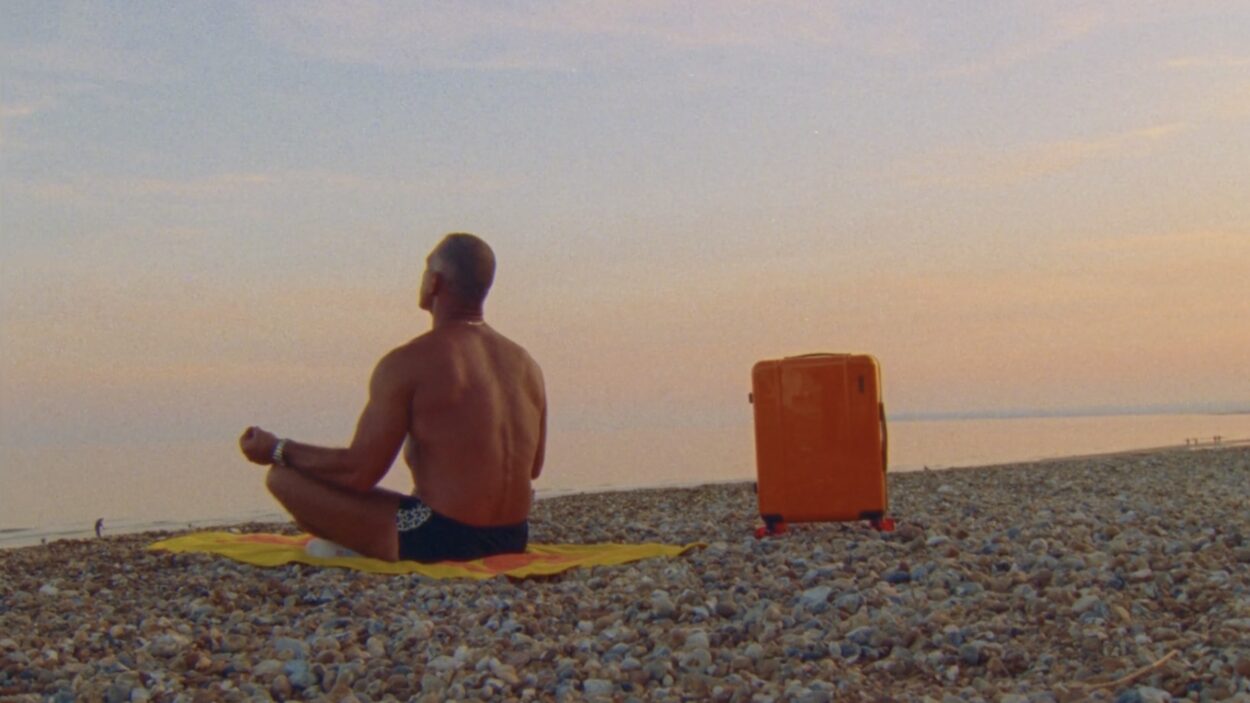
The Floyd campaign seems to have come from a wonderfully odd bit of real-life chance: a broken suitcase, an email, then a call from the CEO. How did that first exchange evolve into a creative relationship — and how does that relationship work now?
The Floyd film was a real magical moment for me. I still think of it as the thing that gave me my break. It started in such a strange, accidental way, with a broken suitcase and an email, but it turned into this opportunity that really changed how I think about work.
What it taught me was to be bold with ideas and trust my gut. If you really believe in something and stick with it, things can somehow work out. Floyd gave me a lot of confidence in my own creativity, because they gave me the space to follow an instinct.
Since then, I’ve realised that I love working in a really collaborative way. I don’t like the idea of just making a treatment, sending over a PDF and saying, “This is exactly what we’re doing.” I much prefer it to be a conversation. Calls, back and forth, getting to know the people, the brand, the world around it.
That’s how I worked with Floyd, and it’s how I’ve tried to work since, with the Almhof Schnieder hotel films and now with Moëhr. With Moëhr, I went out to Milan, spent time with them, saw where the perfumes were made, smelled them, talked about the brand for days. That sort of process excites me much more.
A treatment is a useful starting point, but I don’t think a film is ever fully finished on the page. It keeps developing through conversation, collaboration and trust, right up until you shoot it. Floyd really gave me the confidence to work that way.
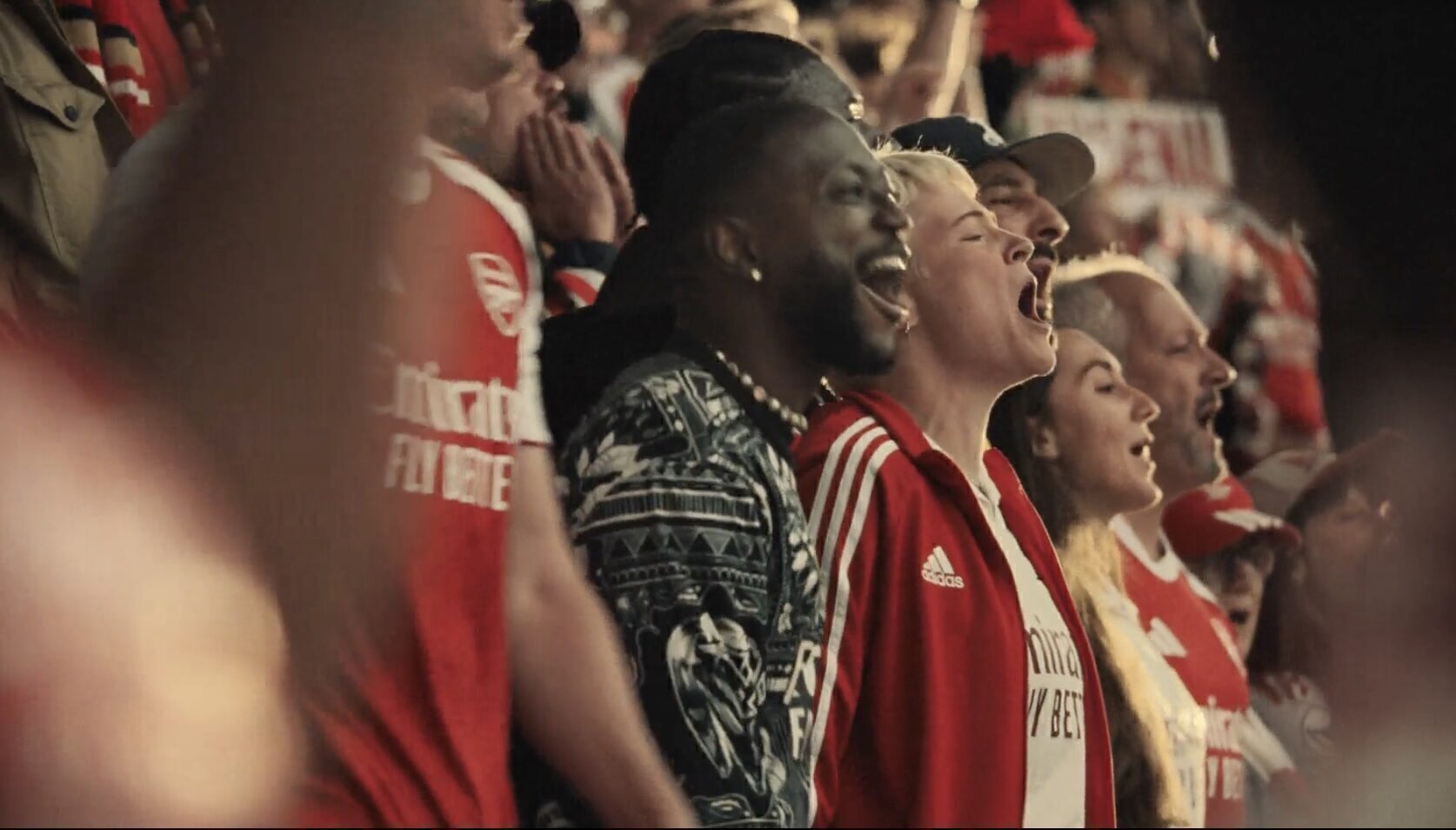
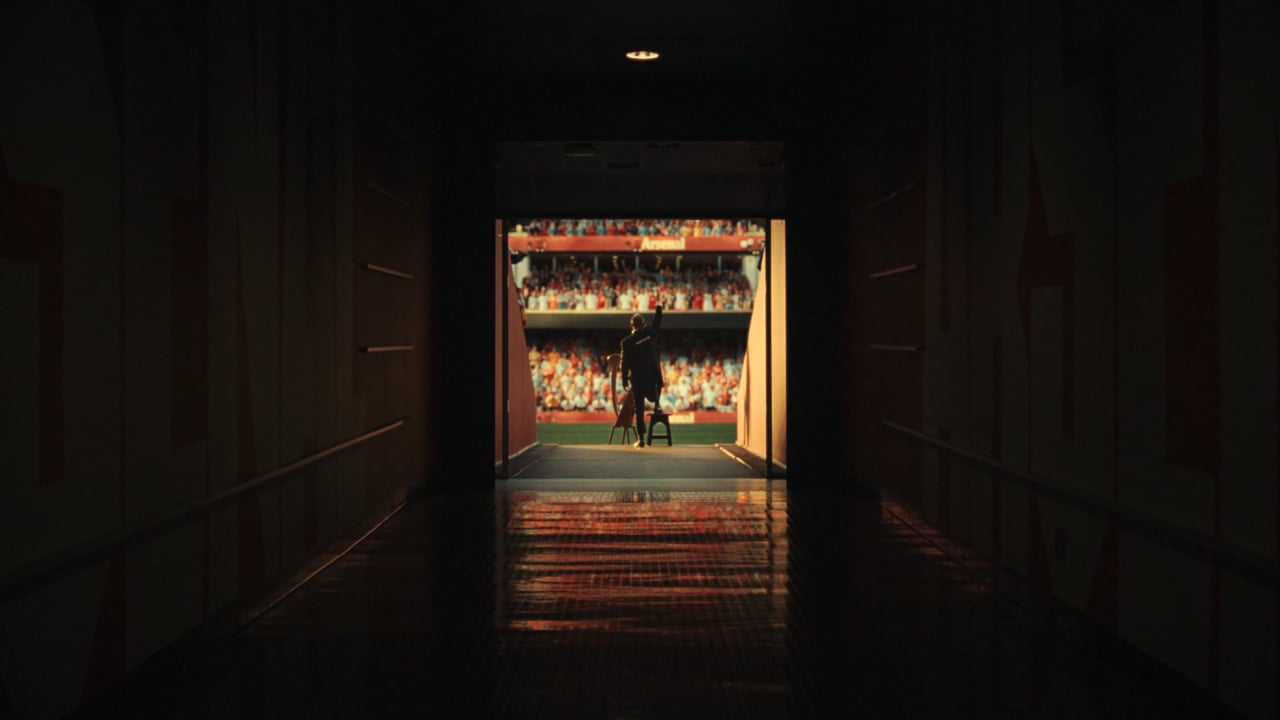
Guinness x Arsenal
You’ve worked across music videos, commercials, photography and shorts. Do those forms still feel distinct to you, or are they all feeding into the same visual language now?
I think what’s exciting is that I’m trying to blend all of those formats together. I grew up in a world of YouTube, Instagram and Vimeo, so I’ve always loved short form. I love that you can feel something in a few minutes, or even in thirty seconds.
For me, the format is just the container. A commercial shouldn’t feel less creative than a music video or a short film just because it’s selling something. You should still be able to feel something from it. It should still have mood, character, rhythm and emotion. And what’s great about commercials is they give you the budget to explore your voice more with bigger tools.
I feel like those worlds are becoming less distinct now, which is really exciting. A short film can be a commercial, a music video can feel like a film, and a photography project can have its own narrative.
I started in music videos because I wanted to find my voice. Now I feel like I’m making fun silly commercials in that voice, and I’d really love to explore that more through my own short films.
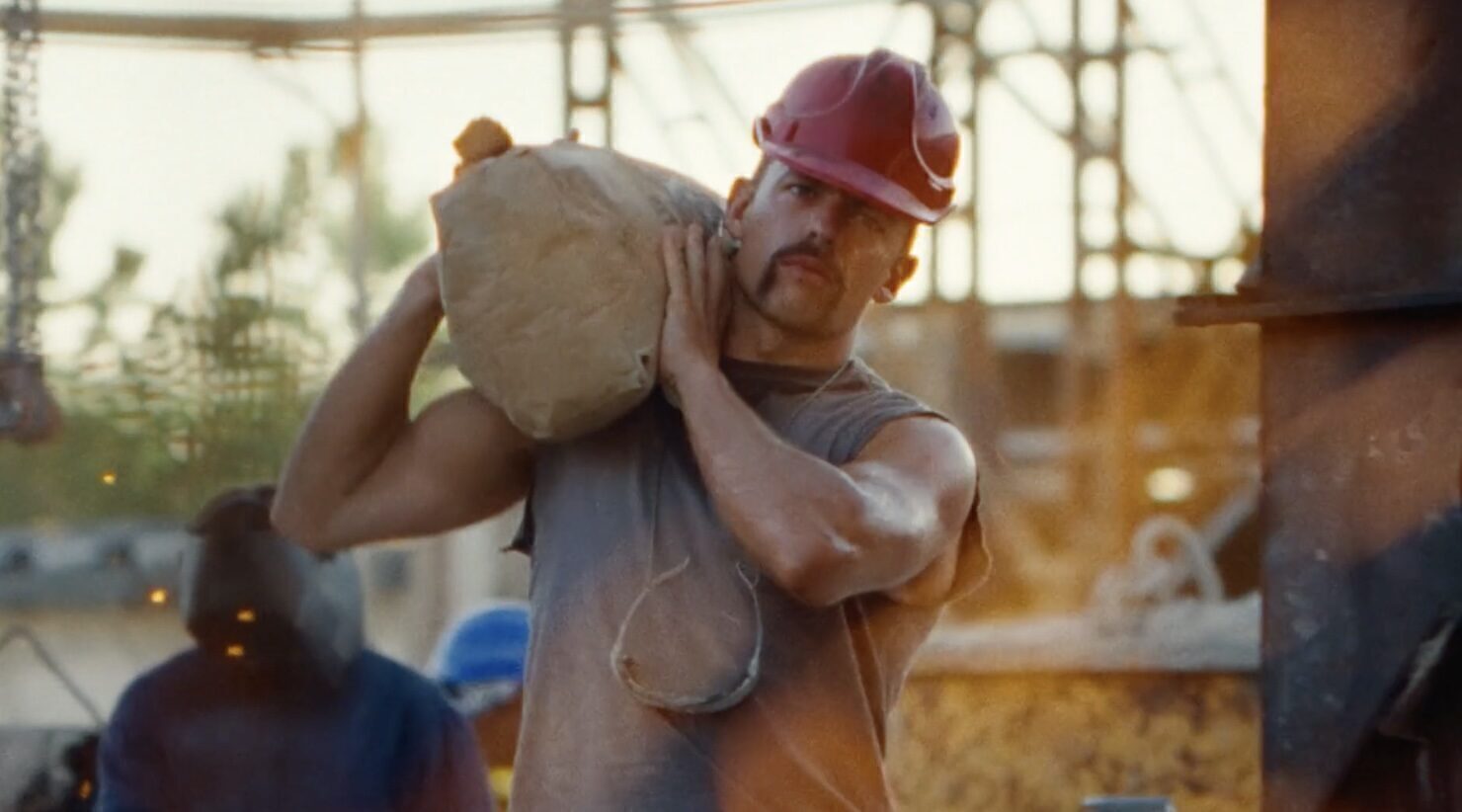
Mando – Don’t Mask It
Your photography has its own narrative pull. When you’re shooting stills, are you thinking like a filmmaker – imagining what came before and what happens next – or like a photographer trying to compress the whole story into one frame?
I’m really inspired by photography that can tell a story. To me, that’s the best kind of photography, where you really feel something from a single image.
I’m obsessed with documentary photography. People like Larry Sultan, Daniel Arnold, Sara Messinger, Davide Sorrenti, Nan Goldin, Martin Parr and so many others have this amazing ability to build a whole world inside a frame. I love the idea of trying to follow in that tradition.
I think I probably approach stills with both instincts. There’s the filmmaker part of me imagining what came before and what might happen next, but there’s also the photographer trying to hold the whole feeling in one image.
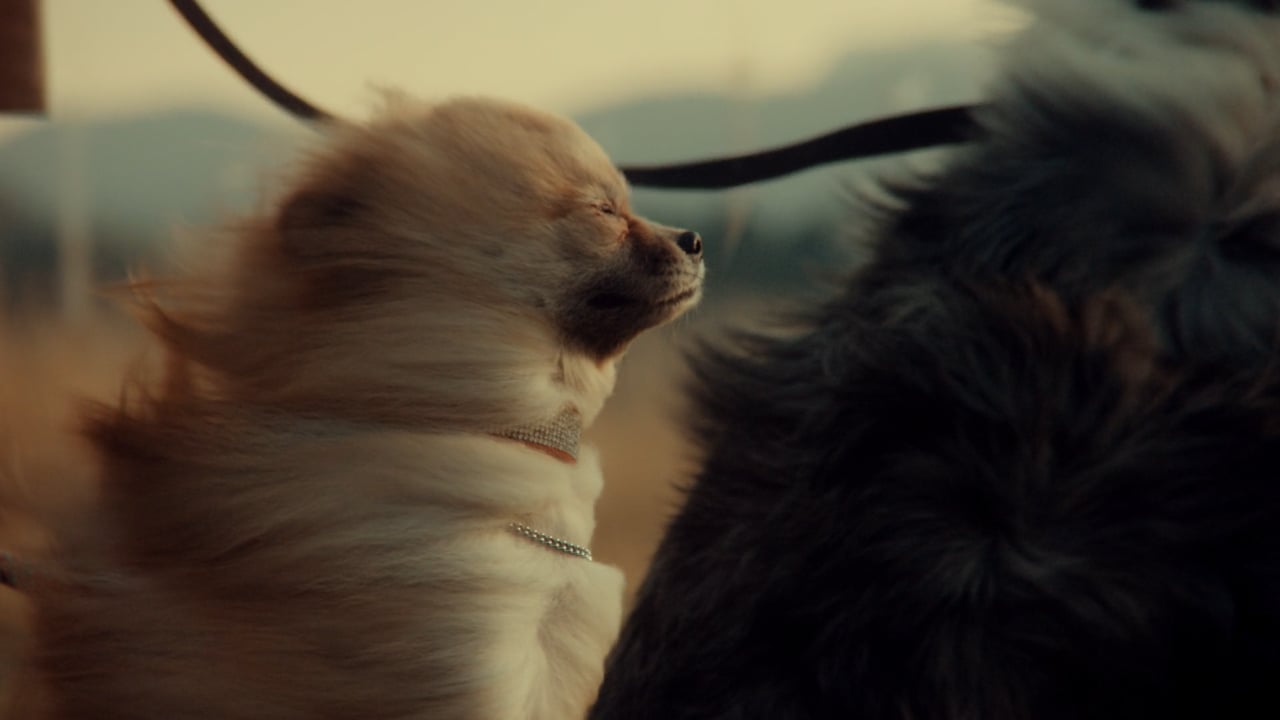
At the moment I’m making my first photo book, The Key to Happiness, which comes from three years of going to amateur dog shows and visiting people at home with their dogs. My last visit was to a woman in Axminster with 17 Chihuahuas, who shows them every few weeks. Those pictures really feel like they tell their own story.
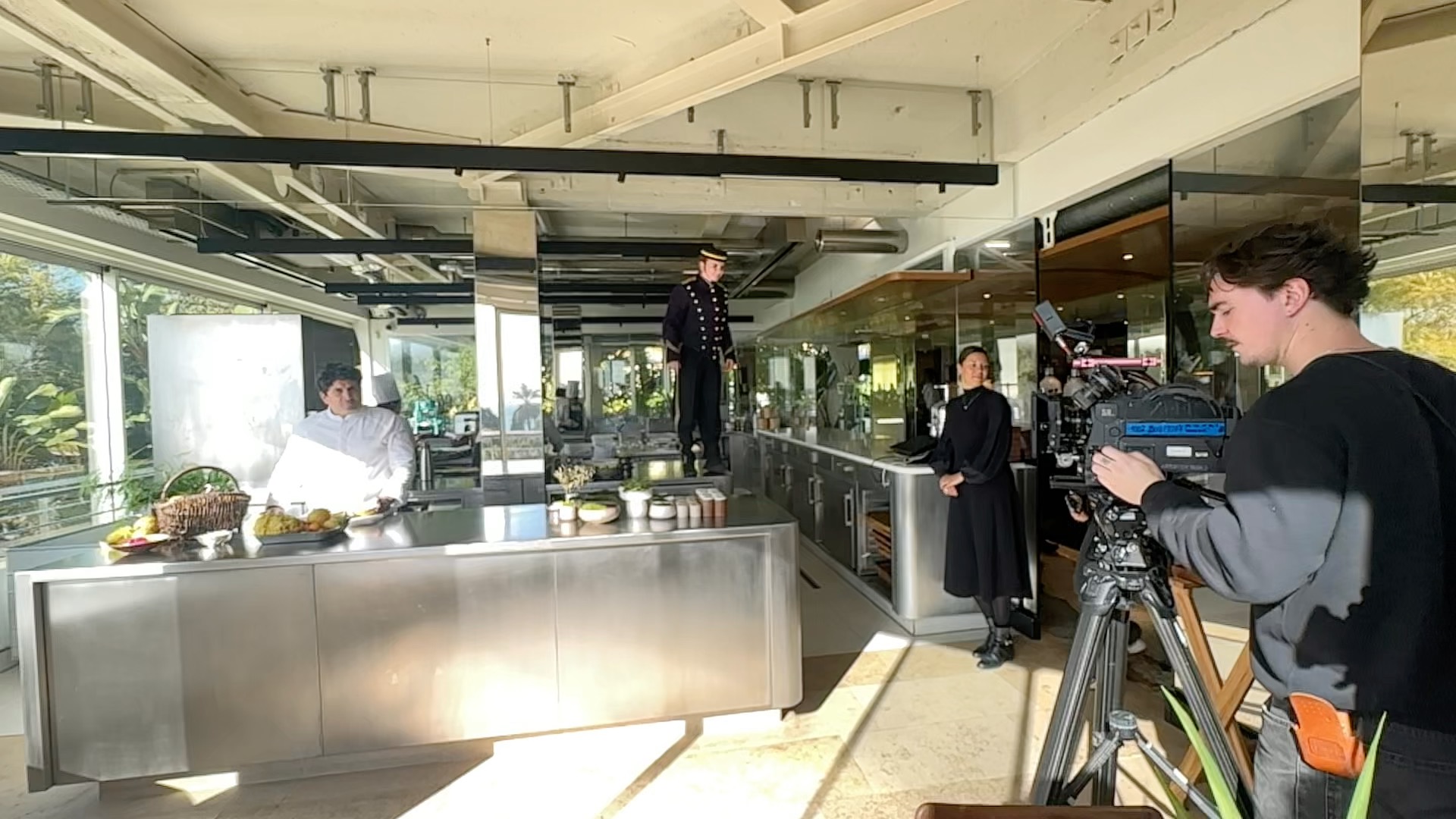
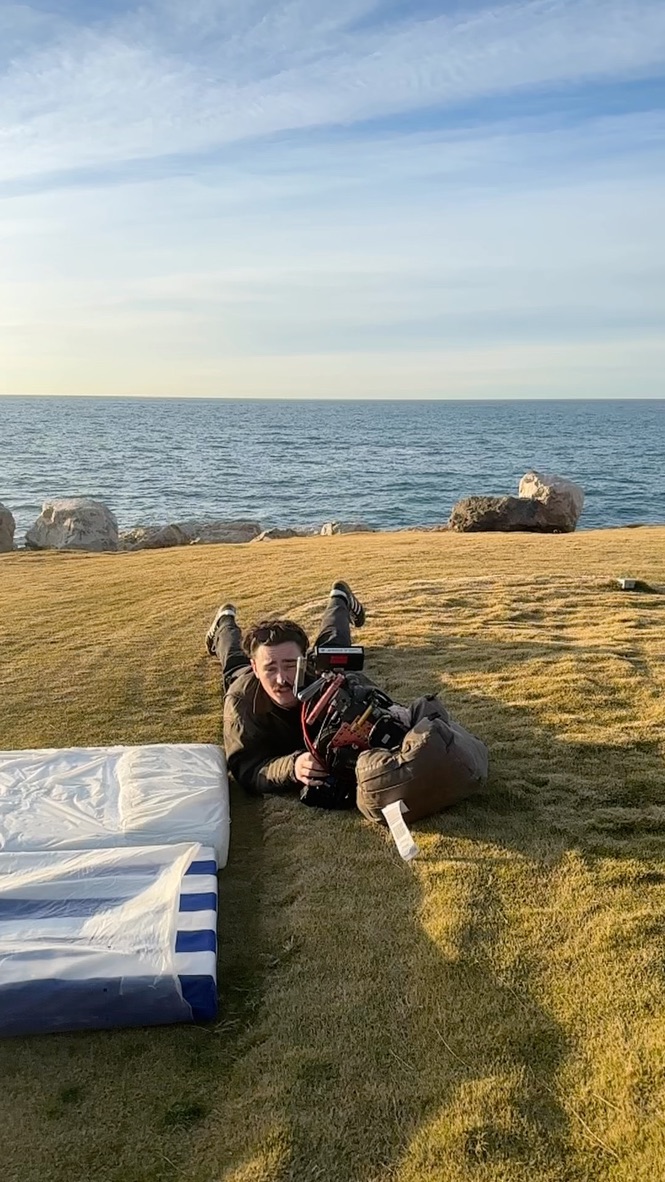
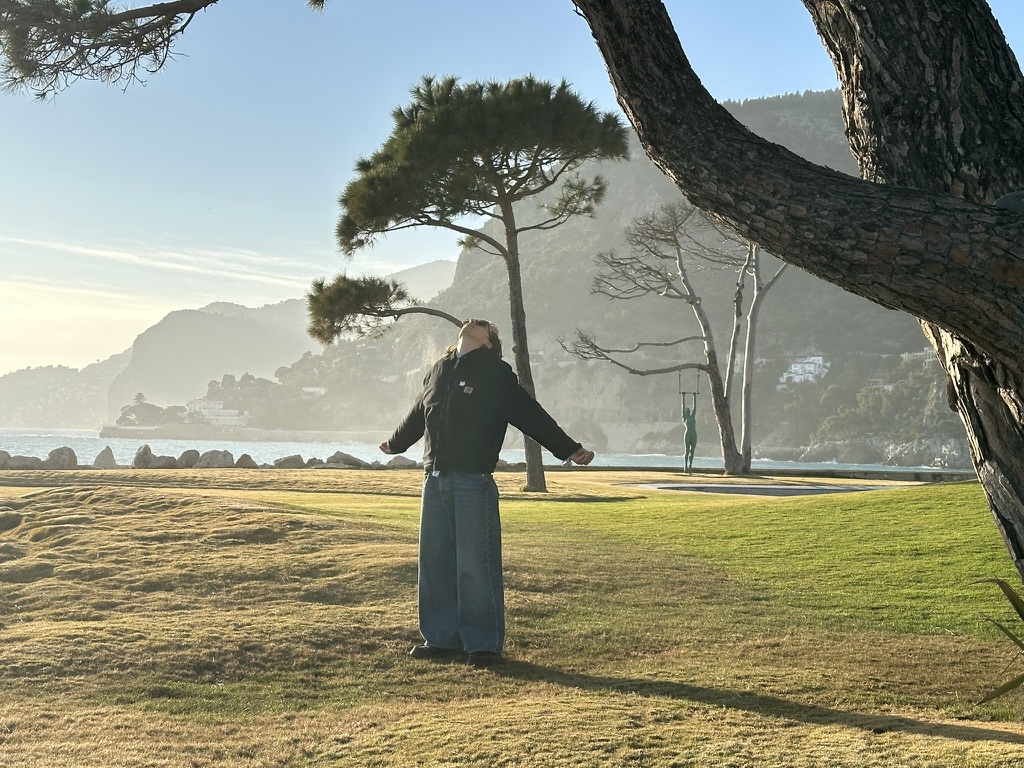

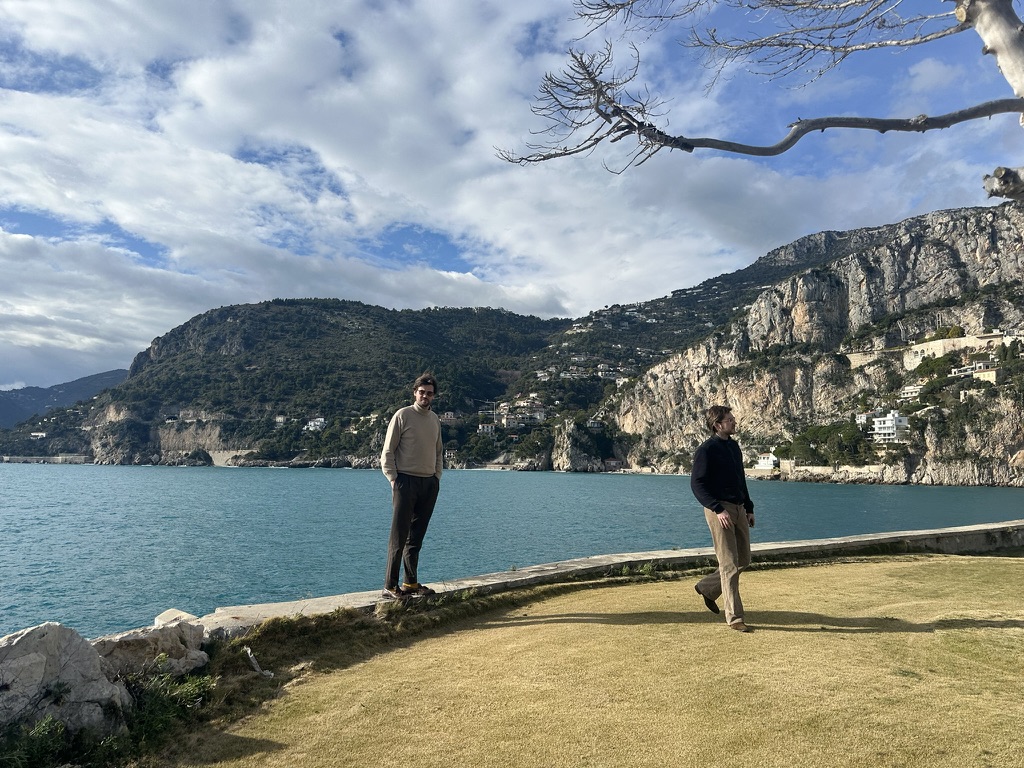

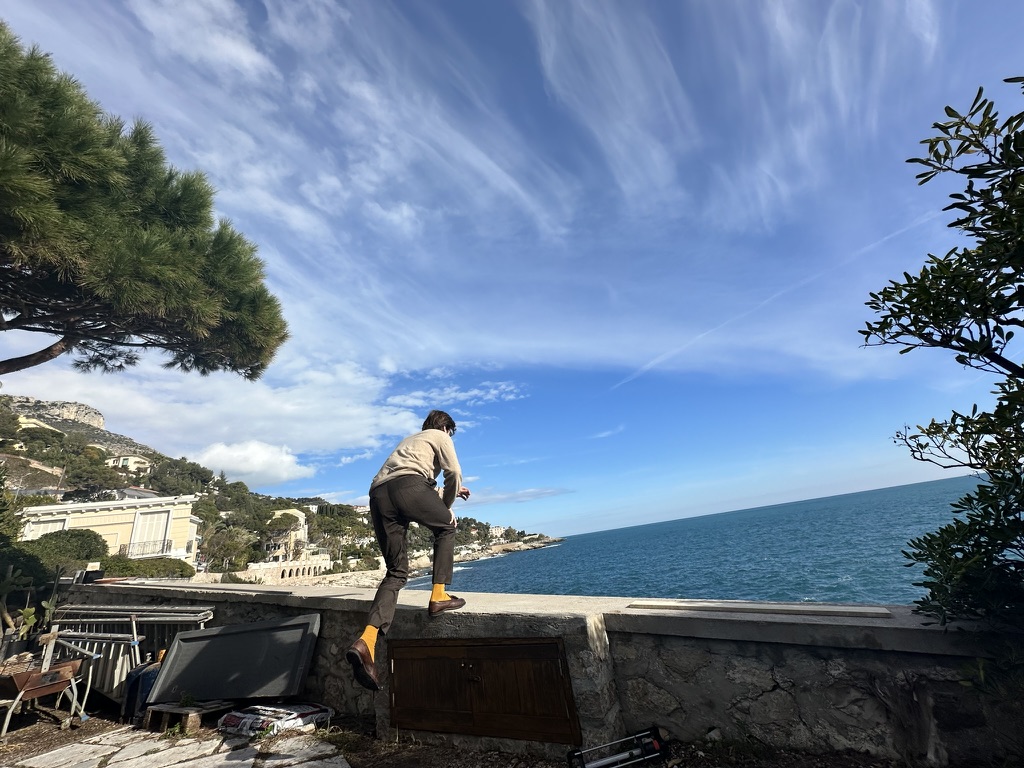
BTS, Moëhr – Carry the Heritage
A lot of your ideas seem to arrive through collaboration – conversations, strange encounters, corners of pubs. How much do you need other people in the room for your creative process before a concept starts to breathe?
I love this question because it definitely describes how i work hahaha. I think a lot of my ideas come from real life, from bumping into people, strange conversations, random situations, corners of pubs. That’s when things start to feel alive.
I really believe in getting out into the world and meeting people. In this digital world, where so much happens through screens, I think you lose something if you’re not actually sitting with someone, hearing how they talk, seeing what excites them.
I learned through music videos, and a lot of that was just going to gigs, loving someone’s music, then awkwardly finding them afterwards and asking if they wanted to make something together. It was embarrassing sometimes, but also exciting. Just going out and finding opportunities.
So yes, I do need people in the room. I can sit alone and think, but the ideas breathe when there’s a conversation. When you’re with someone, things loosen up, references come out, stories appear, and suddenly the thing becomes more real.
For me, that’s what being creative is about. Finding people, talking properly, exploring strange pockets of life, and making something together.