La Força del Liceu feels less like a conventional film brief and more like an emotional possession. Was there one image, feeling or idea that first unlocked your treatment?
From the very beginning, I felt I wanted to make a piece about something invisible and difficult to name: the emotional force that remains trapped inside a theatre after more than 175 years of opera, tragedy, desire, death and beauty.
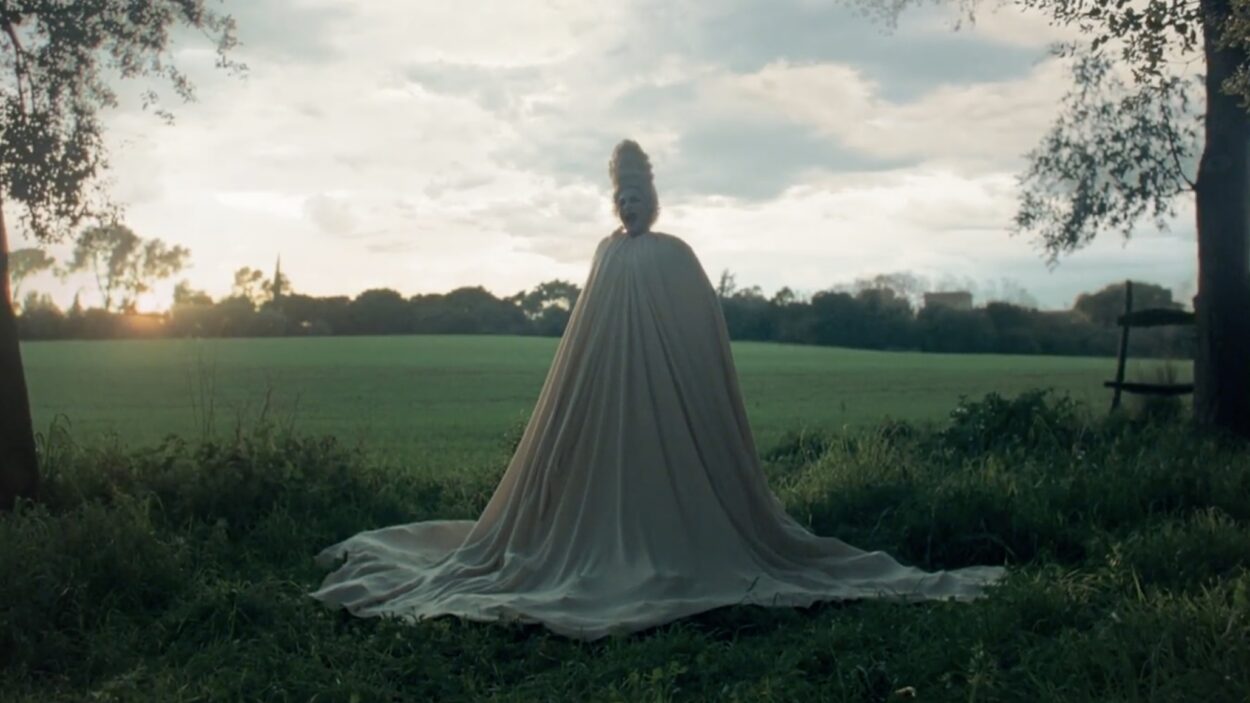
The first image that unlocked the treatment was of her being almost abducted by those forces. I was very interested in the idea that opera doesn’t disappear once the performance ends. It lingers in the space, like an emotional ghost that haunts you through feelings, through places that are very difficult to explain rationally.
From that point onwards, the whole film began to build itself more through sensations and emotional states than through a traditional narrative.
The film opens up the Liceu as a living presence. Were you interested in presenting the season, or in making the theatre feel haunted by the emotional residue of opera?
I felt the best way to honour the season it was not to illustrate it literally. I was more interested in distilling all the emotions you go through when watching an opera, and reinterpreting them through the emotional journey of the protagonist.
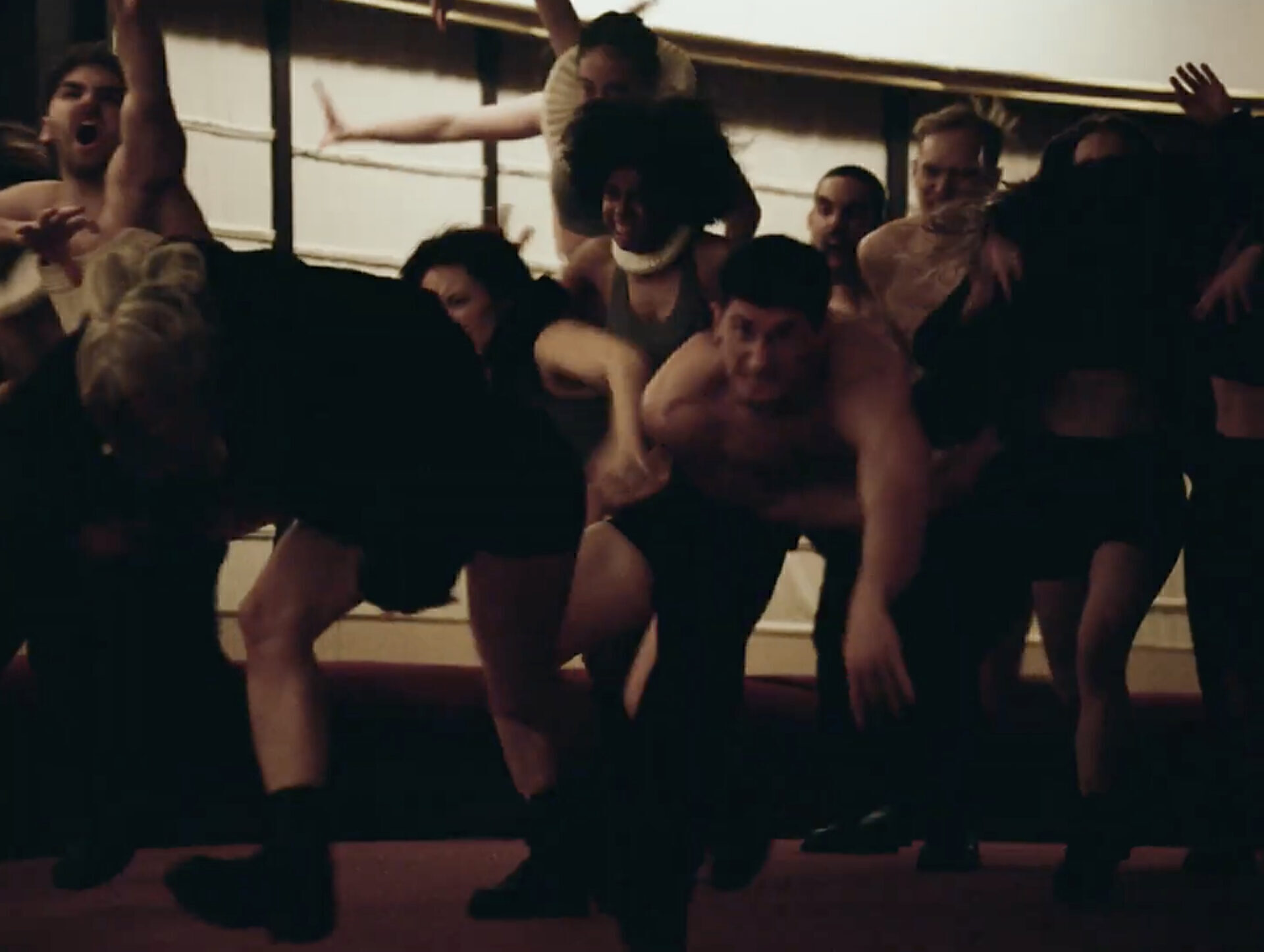
What genuinely excited me was turning the Liceu itself into a living character. Opera has something extreme and deeply physical about it: love, obsession, violence, sacrifice, desire… and I wanted the building to feel impregnated with all of that.
For me, those dancers were almost like blood running through the arteries of the Liceu, slowly pulling you towards the heart of the theatre, which in the end is the auditorium itself, the place where the emotional experience truly happens.
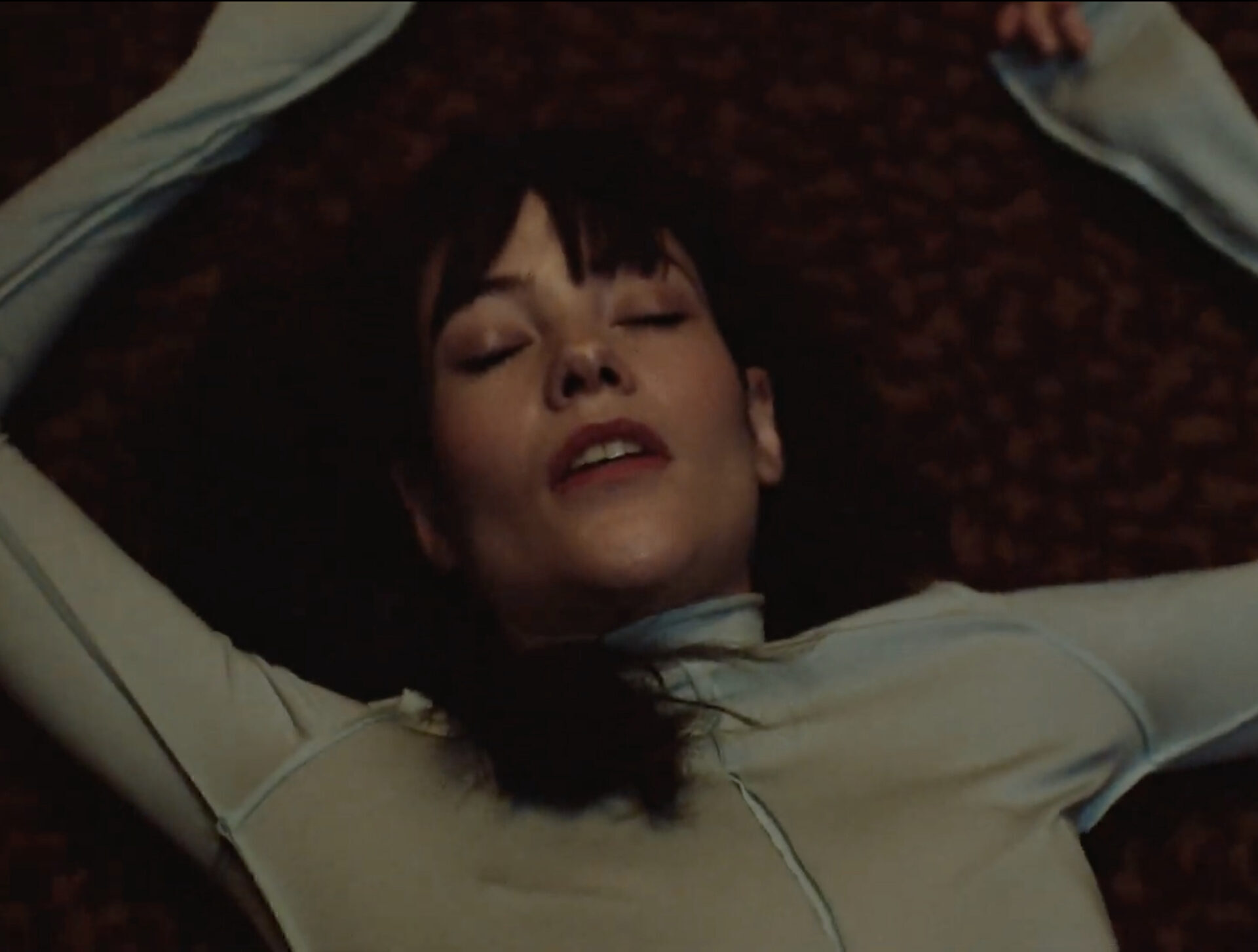
There’s a great tension in the film between elegance and disturbance. How did you find that balance without tipping into pastiche or gothic excess?
It was probably the most delicate balance in the whole project. We wanted to work with unsettling elements, whilst avoiding anything too literal or decorative in a bad sense.
In the end, everything had to feel emotionally truthful. The film is really the internal journey of someone moving through all those extreme emotions that opera can provoke. We tried to make the disturbance emerge more from emotion than from aesthetics.
Very often, what’s most unsettling is what is only barely suggested.
Mireia Oriol’s monologue breaks the spell and somehow deepens it. Was that shift always built into the film’s emotional logic?
Very early on, I felt the film needed to break its own hypnosis at some point, and even laugh at itself a little. To question the question itself. To question emotion. To bring something that could become overly solemn or pretentious back down to a more human place.
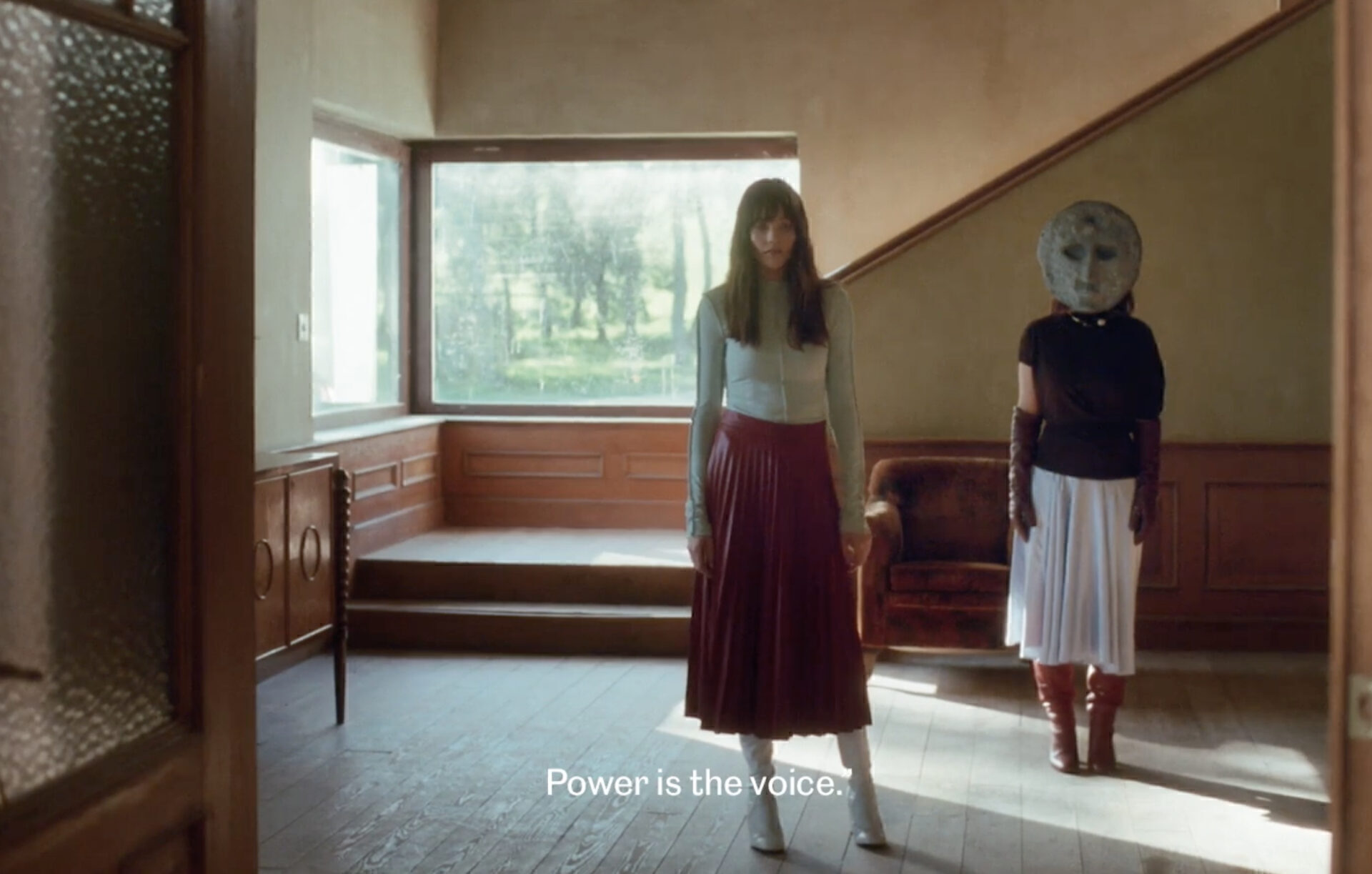
And also to arrive at a very simple conclusion: that opera, ultimately, is the voice. That impossible note that appears trembling in the throat of a soprano.
Mireia’s appearance introduces something far more intimate, human and vulnerable. It was incredible working with someone like her and shaping that moment together. It’s almost as if, after moving through all those huge and abstract emotions, we finally hear a real person trying to explain what it means to love opera, or even to need it.
I really loved that contradiction: that breaking the spell somehow made the film even more human.
How did the collaboration work with Soon in Tokyo and the Gran Teatre del Liceu? Was there freedom to make something more authorial than a traditional institutional campaign?
I think that was fundamental for the piece to exist in the way it does. Both Soon in Tokyo and the Liceu were incredibly brave in embracing a more authorial and emotional approach. Working with Christian, Angelo and Javi was a real pleasure, great thinkers and collaborators.
From the beginning, there was a very beautiful sense of trust. There was space for interpretation, for mystery, and to build something together that could function almost like an emotional short film. I felt a great deal of creative freedom throughout the whole process, and I think that trust can really be felt in the final piece.
You were long associated with Blur, and now Contrario has emerged from the evolution of Blur and Smile. Does this new company mark a new chapter for you creatively?
Yes, absolutely. Blur was a very important chapter in my life and I learnt an enormous amount there, but I feel Contrario represents a different moment, something more personal and more aligned with the kind of language and storytelling I want to explore now.
Contrario really comes from that evolution: from wanting to create a space where we can move more freely between cinema, advertising, fashion and hybrid forms, without feeling the need to fit into overly rigid categories.