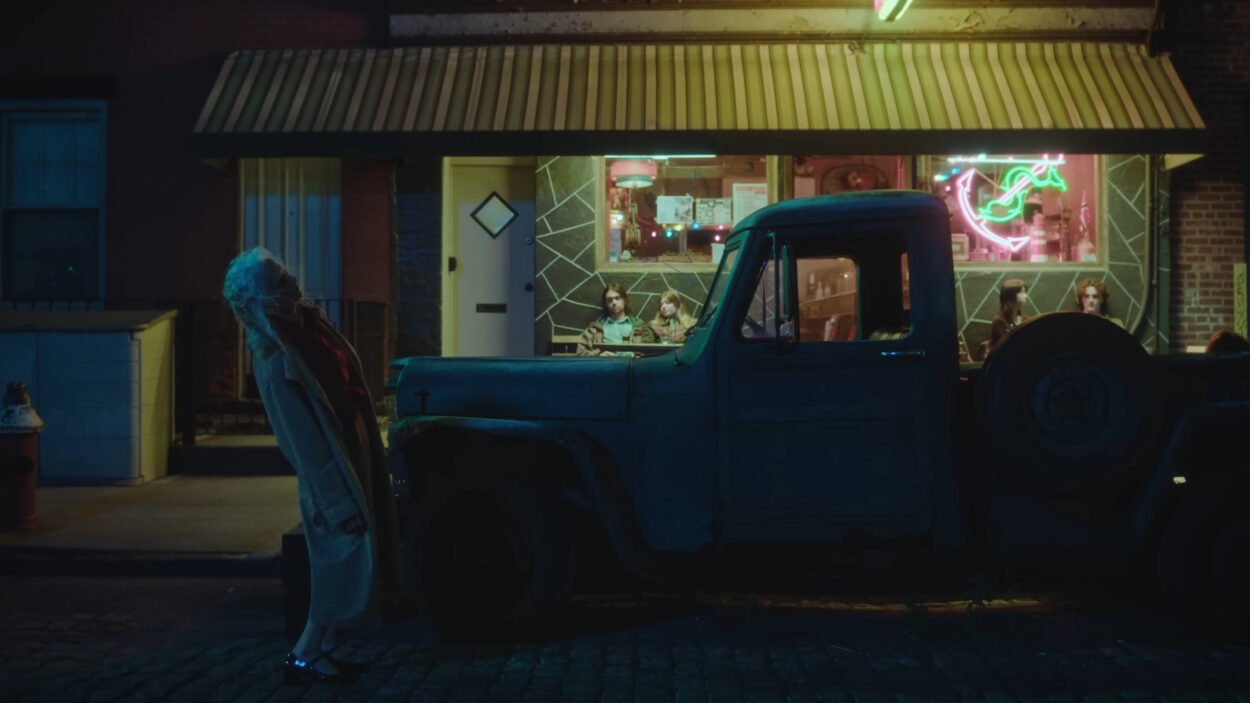
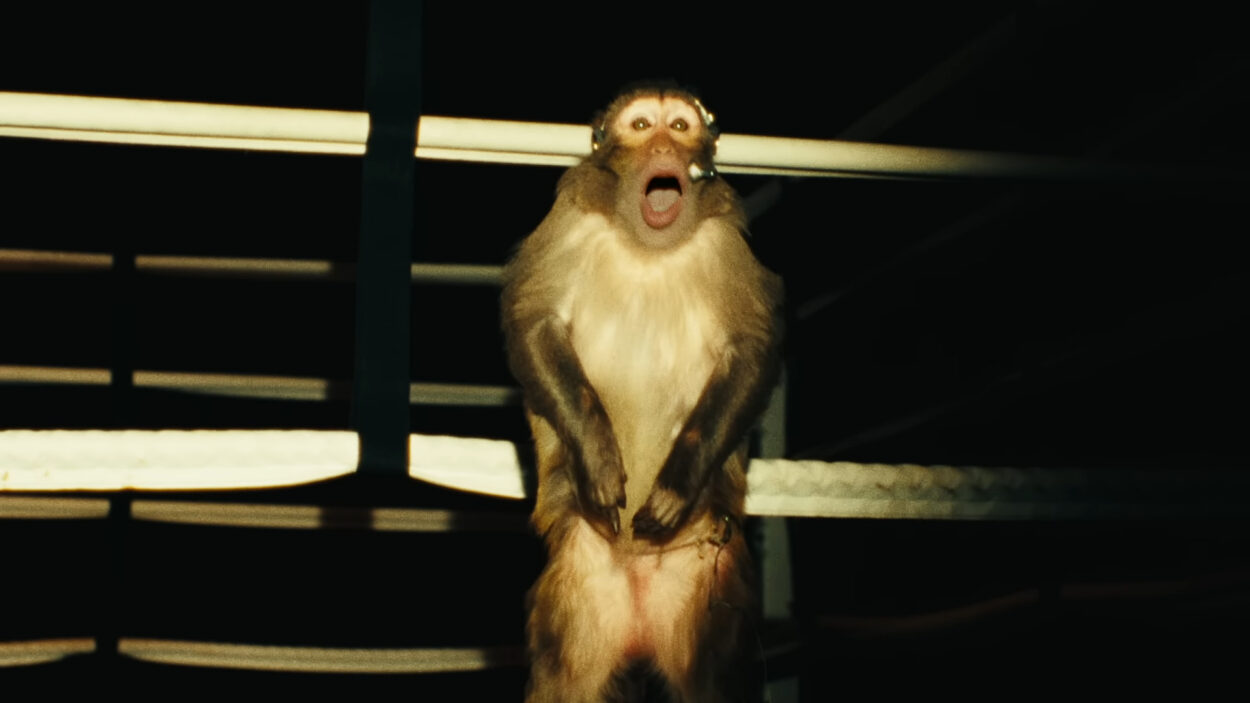

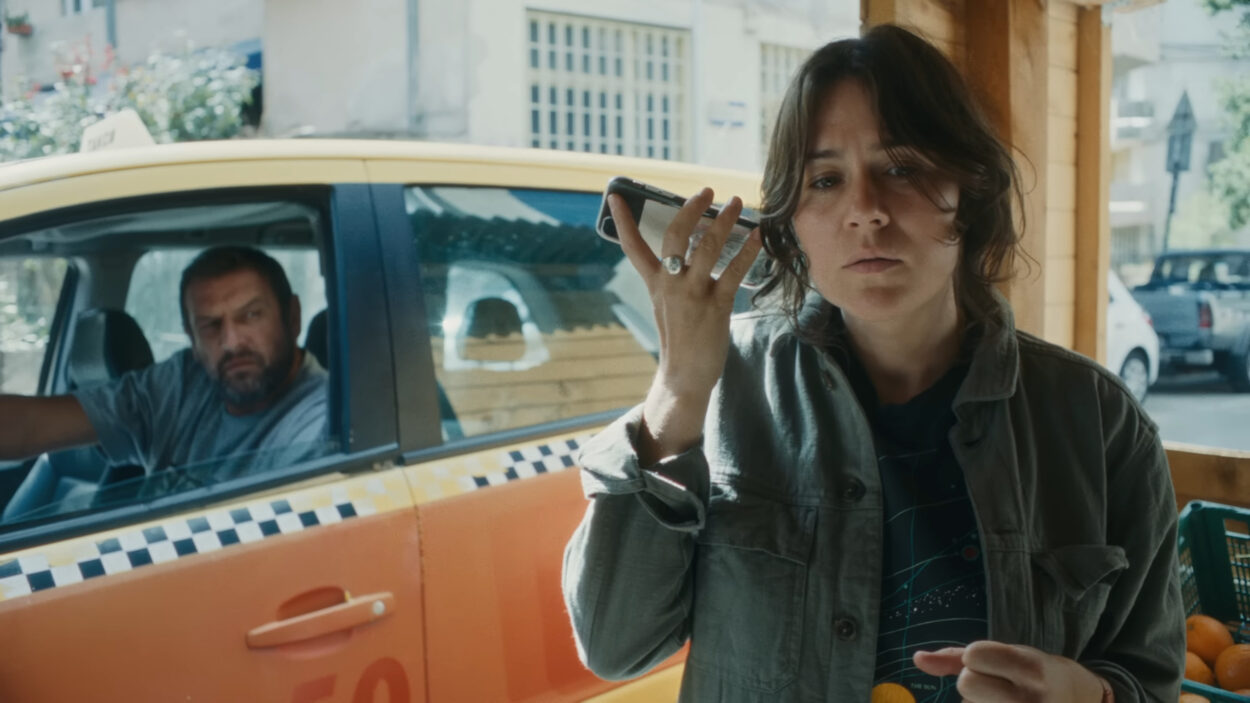


Noel Paul on set for Mitski’s Where’s My Phone?
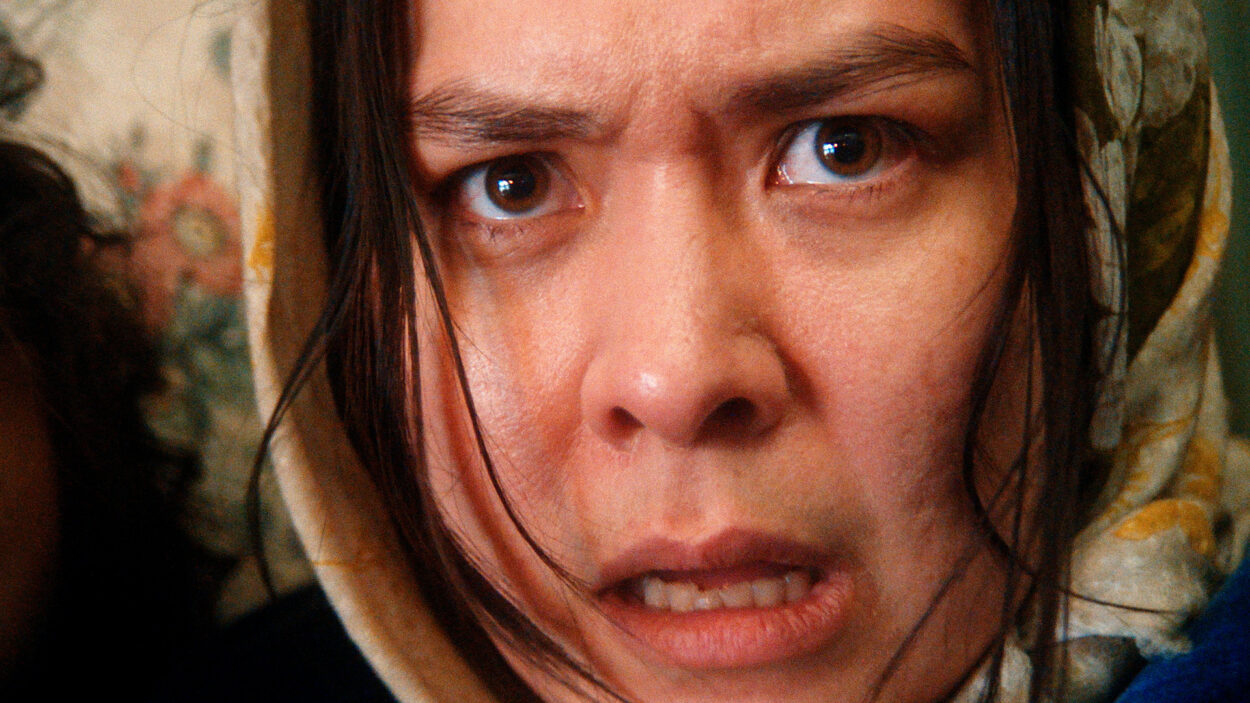
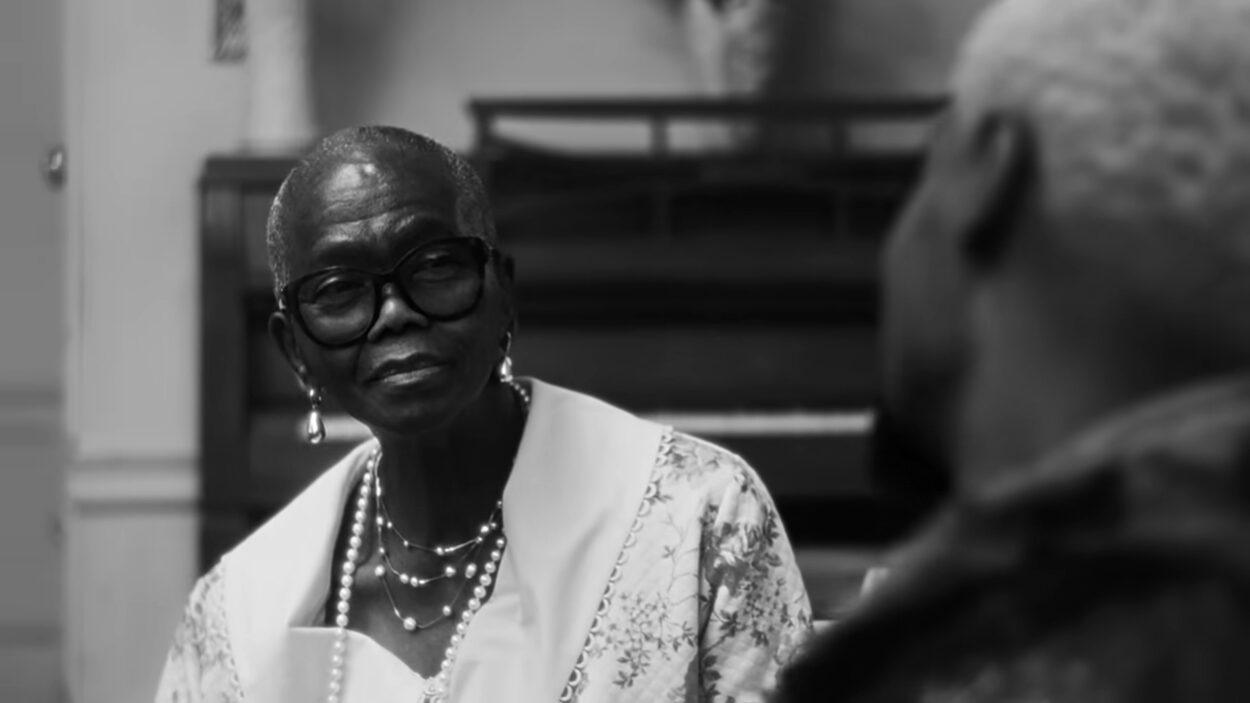
You first collaborated with Mitski on Bug Like an Angel, which centred on a spiralling older woman spurning the help of a friendly street choir (with a solemn, inscrutable Mitski among them). With Where’s My Phone? you’ve gone in a completely different direction: an overprotective guardian(sister?!), an extremely expressive Mitski, and a setting that feels like a half-familiar, half-imagined New England gothic house. What feels different about this collaboration versus the first?
Well a different song calls for a different video, but the nature of the collaboration has been very similar. The concept for both videos was developed in conversation with Mitski. Both videos are ambiguous narratives that rely on body language and gestural movement. Both videos feature surprise choirs. But the specific techniques are different. In Bug, there are only 5 shots in the whole video, Mitski isn’t the main character, and there’s no manipulation of time or space through edits or crazy framerates or extreme lenses. Phone is kinda the opposite of all that.
Your films often have wild, surreal stories packed with humour – but there’s usually a very clear emotional engine underneath. When you’re building a narrative like Where’s My Phone?, what’s the starting point? Is it a specific emotion you want to transmit? A single image or set-piece? Something in the track (a lyric, a rhythm, a tonal pivot) that unlocks the world?
The guitar solo. It’s the most expressive solo I’ve heard in awhile and it’s the climactic final 30 seconds of the 3 minute song. That’s substantial. Backstory: I got my start in music videos because I knew musicians. I knew musicians because I played guitar in a band in Seattle way back in the day. I’ve always been that guy who gets annoyed when you’re in a car and the conversation naturally subsides and everyone starts listening to whatever song is on but then someone tries to revive the conversation—during the guitar solo. So among my first conscious thoughts about Where’s My Phone was “Okay, I have to do this guitar solo justice here.”
Also, Mitski’s prompt mentioned Shirley Jackson’s novel We Have Always Lived in the Castle. I read it and The Haunting of Hill House as a primer before I started brainstorming for the video.
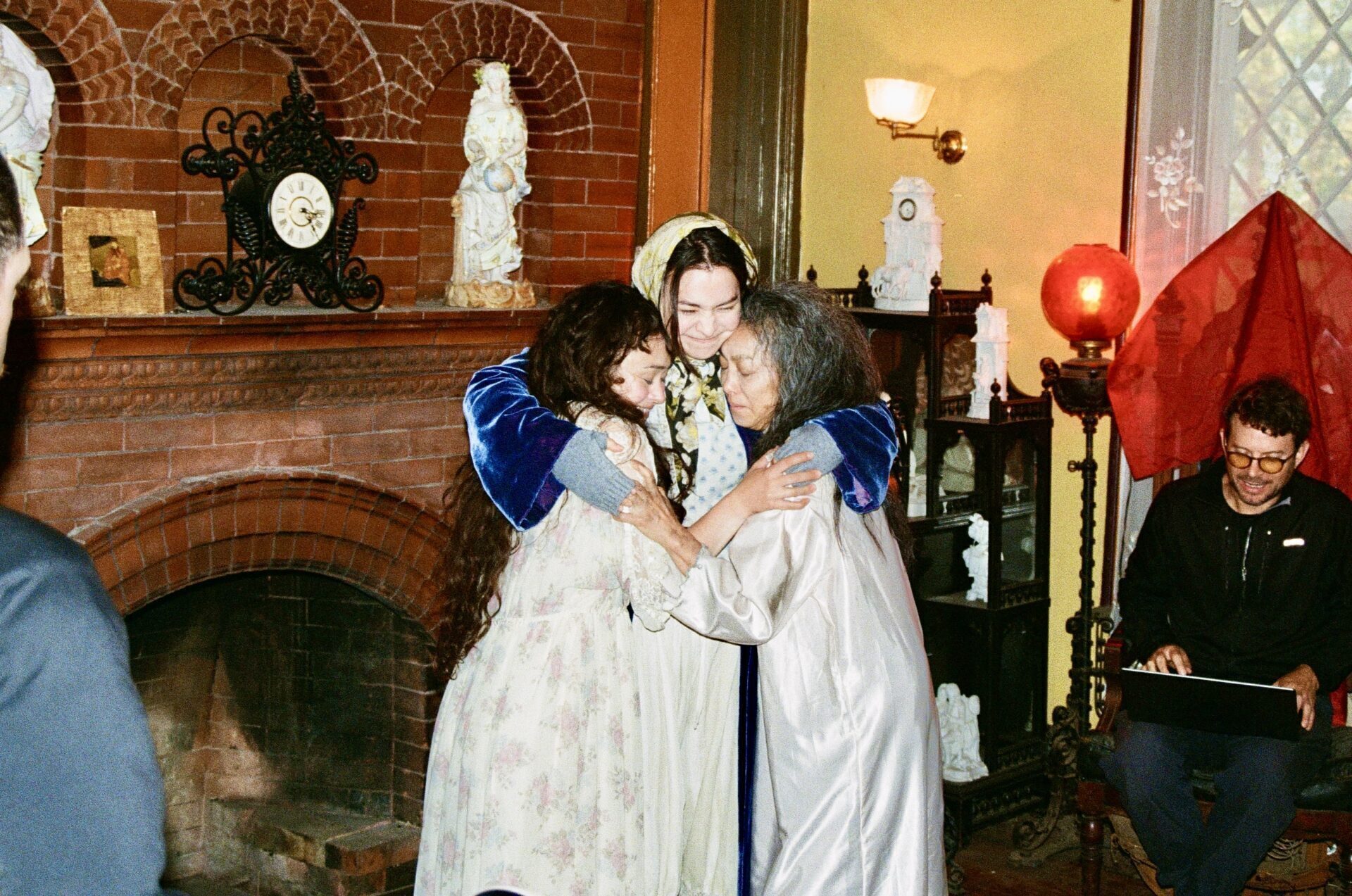
BTS, Where’s My Phone
Do you develop the story primarily in words (beats, scenes, dialogue – even if it’s never spoken), or do you think visually from the beginning (sketches, reference images, diagrams, shot ideas)?
For narrativish videos like this one I brainstorm the action. “Action” in the screenwriting sense. I plan out the structure and think about how much the song can hold and how I’ll film it to create the right vibe.
As for references, I try to be blatant in my attempts to recreate paintings, shots, or even entire sequences from stuff I love, because the references end up being in there whether or not they’re intentional. For instance, it didn’t occur to me that my Black Midi video was basically a straight up homage to Guy Maddin’s short Sissy Boy Slap Party until months after the fact. Clearly it was ingrained in my subconscious. So now I reference it explicitly in almost every treatment I write. It’s also common to write something that feels referential to something you’ve never seen. We’re all feeding at the same trough, more or less. For example, basically my entire crew told me that the Where’s My Phone treatment reminded them of Darren Aronofsky’s Mother!, which I’ve never actually seen. I need to watch it.
Where’s My Phone? is manically paced – constantly flickering between scenarios, details, and little escalations. When you’re designing sequences like this, how much of the edit is conceived in pre-production versus discovered later? Do you tend to write for the cut, or does the rhythm evolve through conversations with your collaborators? And do you still edit most of your own videos?
I do edit my own videos, yeah. I usually start with a clear plan for how the video will cut together, and then it all changes. Things evolve in collaboration with my team and in adaptation to the realities of the shoot. An edit feels whole to me when its grammar and pace are in harmony with the internal rhythms of the footage itself, if that makes sense. For Where’s My Phone, I wanted to edit to feel like a moth smashing repeatedly into a lightbulb. So on set we looked for ways to be a moth, and that produced footage with the right kind of tension and movement.
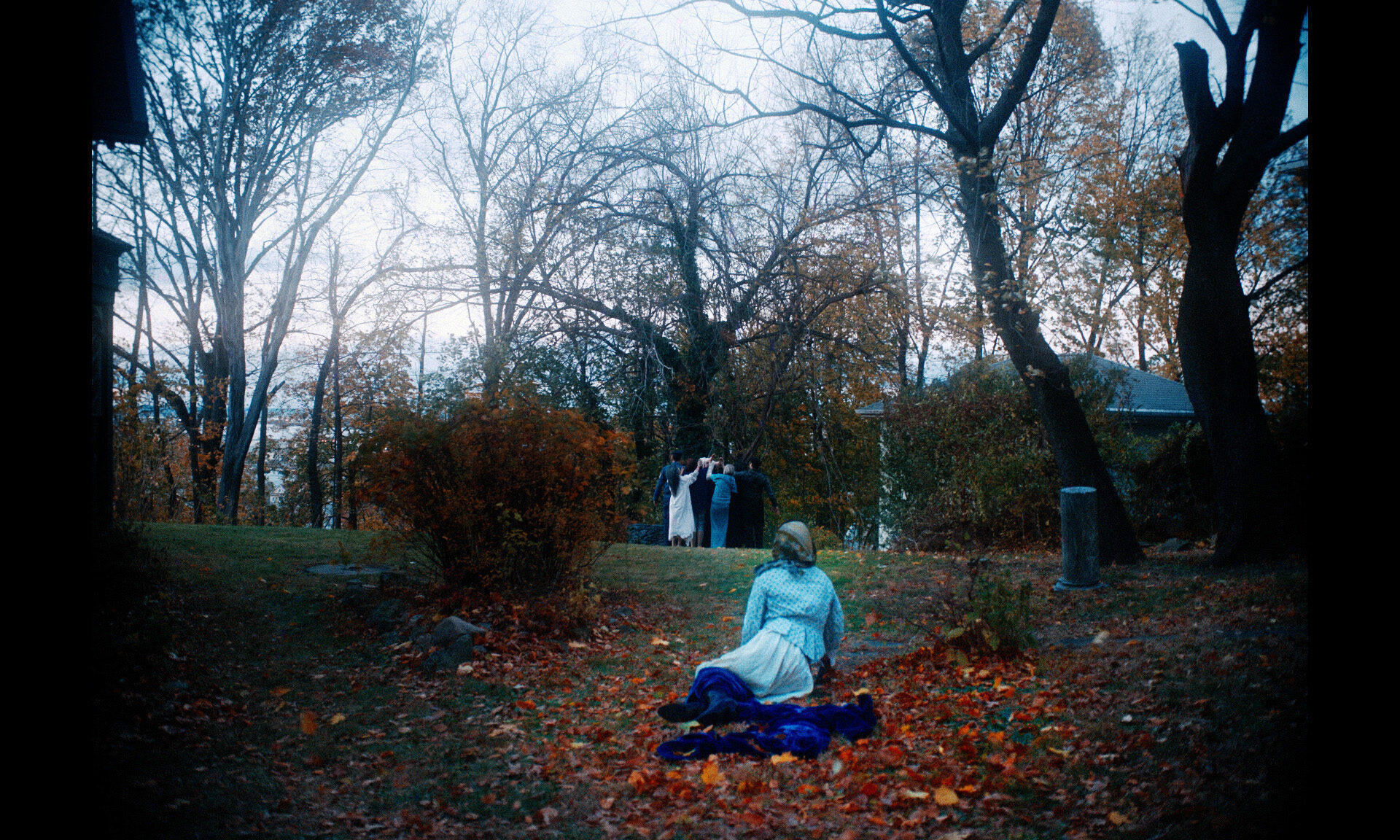
Where’s My Phone?
Even at its jolliest, your work often smuggles in something unsettling or quietly political. Jenn’s Terrific Vacation for Danny Brown is a good example: eviction, shot in black and white, but somehow never sinking into misery. How do you calibrate that balance – making something entertaining and compelling while letting a heavier idea sit underneath without flattening the tone?
Music video is a very playful format. I try to keep that in mind.
Your filmmaking has become increasingly visually experimental, with effects feeling more like a narrative language. Was that a gradual shift over time, or was there a particular moment where you thought: the “how” of the image needs to become part of the story?
I’ve always been intentional about the “how” of image making. You don’t just film a performance, the film is the performance. Some projects want a very light touch, like the video I did for Father John Misty’s Goodbye Mr Blue. The idea there was to shoot as if the video was a series of old candid snapshots, but not in an obvious way that draws attention to that visual concept. On other projects, like my Geese video and Where’s My Phone, the footage needed to manifest a much more frenetic state, and so the techniques were more extreme, more playful. But I wouldn’t say my videos are very visually experimental, really. I’m a very primitive filmmaker. My techniques are old news. But hopefully the way I’m using them to chip away at certain motifs feels personal and has some soul.
What are some of those motifs?
Perseveration—a word I learned from my mother’s dementia—that refers to convulsive repetitive behaviors or thoughts, mental loops, physical tics. Temporal compression by way of slow framerates and slow movement on set. The attempt to evoke simultaneous dissonant emotions, either in the context of a single complex moment or by way of a stochastic barrage.

BTS, Geese – Taxes
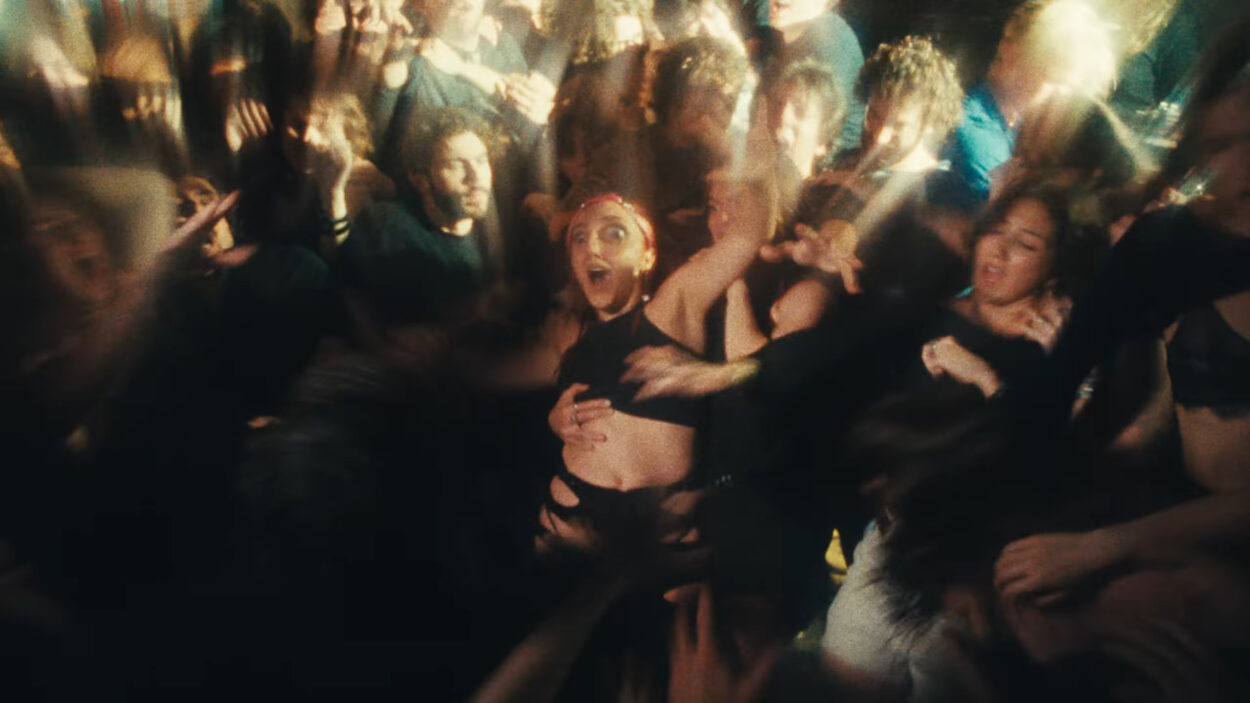
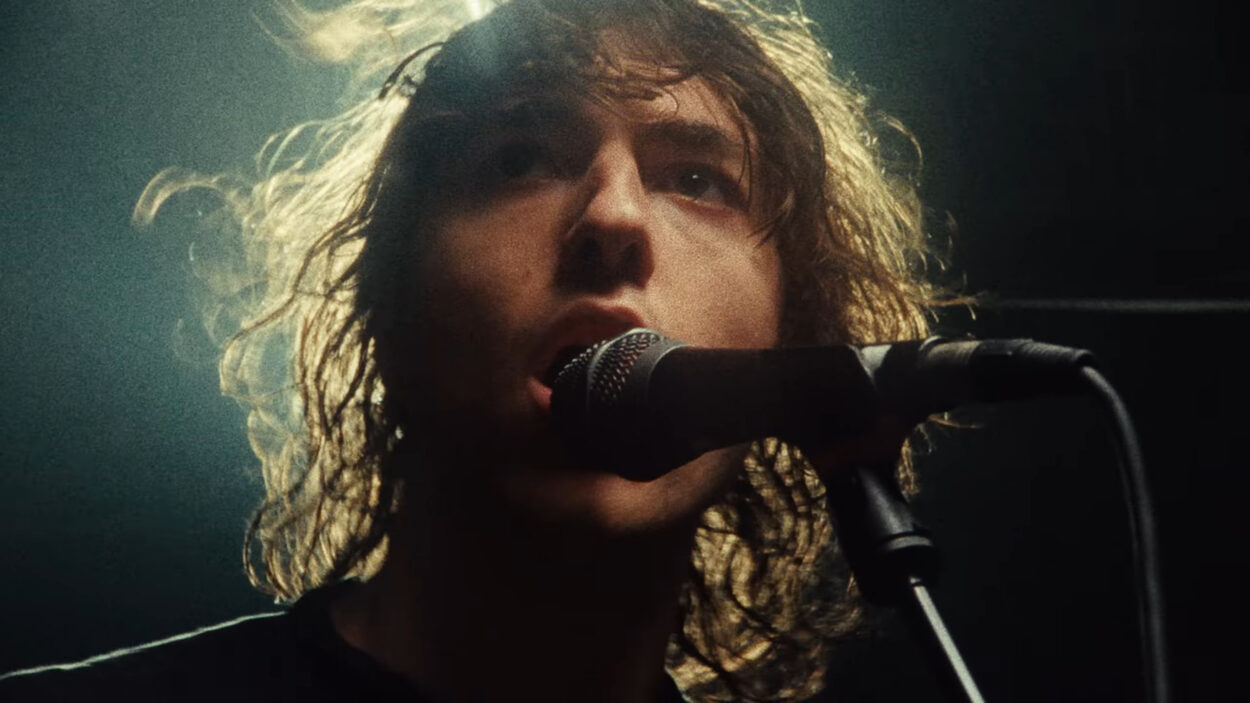
Your video for Geese felt like a barrage indeed, and a real left turn from the more plotted narratives – visceral, abstract, like a roiling mass of clubbing humanity tearing itself apart. It’s compelling and rhythmic in a way that feels totally welded to the track. Can you talk through the concept for that piece, and what you learned from making something so physical and experiential?
Well the band’s brief asked for a docile crowd in a dingy rock club going absolutely crazy at the crucial moment of the song. On its face that’s such a basic, obvious, unoriginal music video concept. I loved it. It’s a sort of test-case scenario for the old highly-debatable aphorism “there’s no such thing as a bad idea.”
I proposed that the first half of the video be a single shitty iphone shot and the second half of the video be a deluge of hyperspeed baroque paintings of damned souls at the mouth of hell. The band fully committed to the bit and I brought on Monica Mirabile, an excellent movement director, to help figure out how to embody the kinds of shapes and movements we needed. We cast about 60 young Geese fans. They were so enthusiastic and fearless, moshing and climbing all over each other all day in ecstatic states. It was a really joyful shoot.
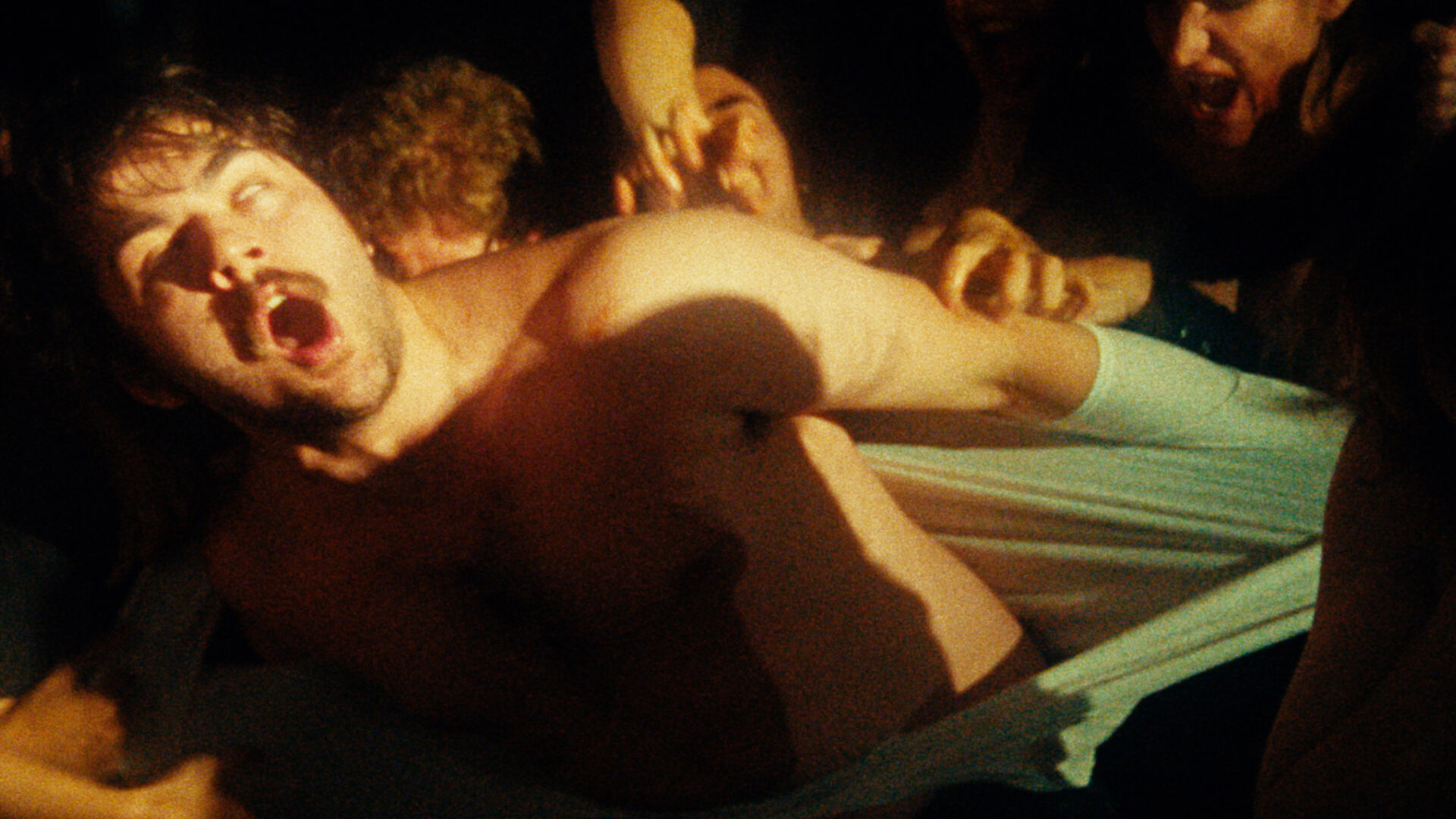
Moshing for Geese – Taxes
Your work often embraces a kind of heightened chaos – blood, sweat and hilarious violence – staged with real precision. What draws you to this physicality as a tool, and how do you approach choreographing it so it feels dangerous, funny, and controlled all at once?
I see most of my work as very messy and sloppy. Chaotic is right. But precision? I wish. The physicality of my videos maybe just comes from how primitive they really are. I had an awesome professor in art school who once challenged me: “Perform your films.” I’ve been unpacking that ever since, from my first student projects to my most recent conversations with Monica and my DoP Ramzi about how to extend the idea of embodiment into every aspect of Where’s My Phone?.
In terms of a scene or a video containing the kind of “all at once” contrasting vibes you mentioned, I guess it’s like how in cooking you want to have all the tastes present in some kind of balance. Bitter, sour, salty, sweet, umami.
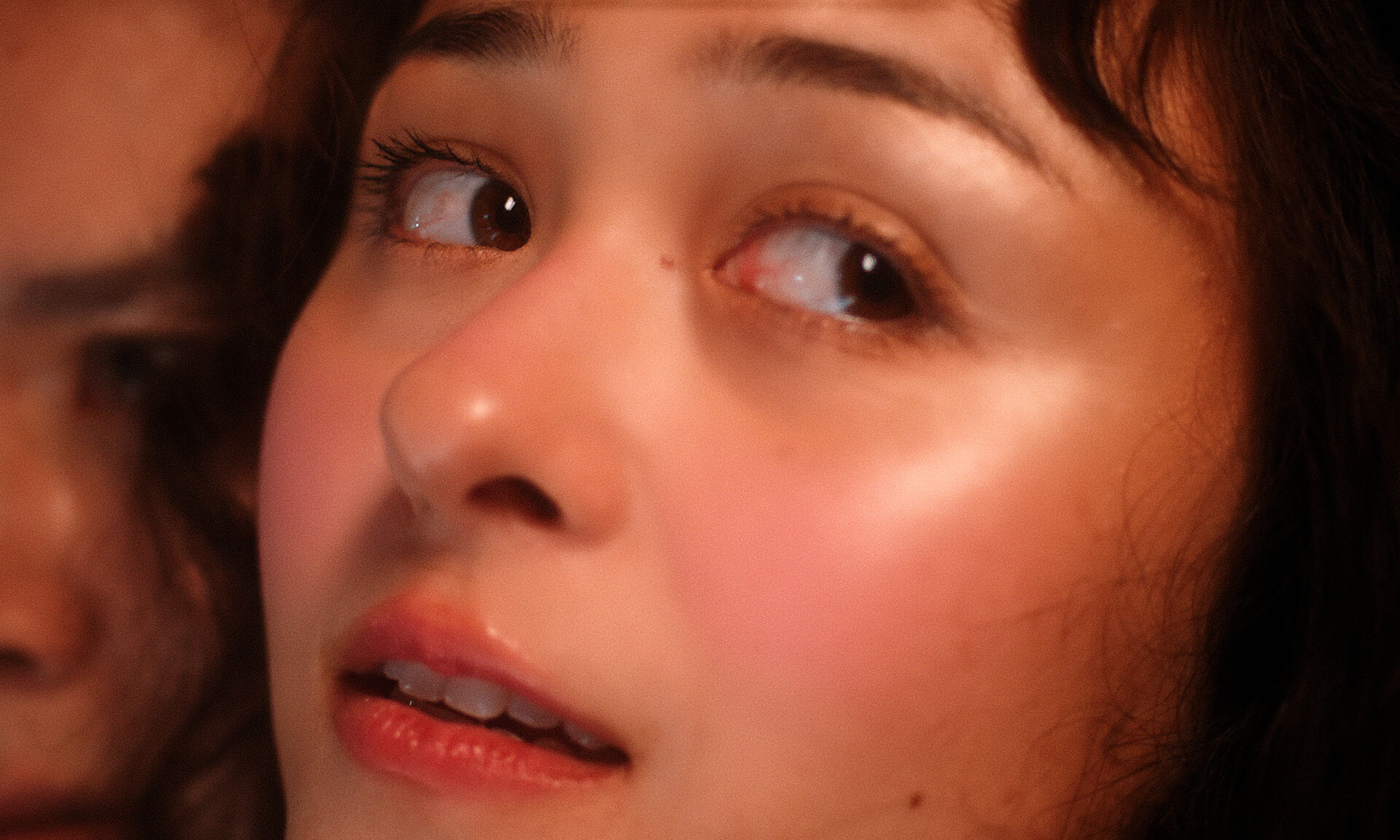
Mitski, Where’s My Phone?
Mitski is one of several artists who’ve returned to you over the years – Father John Misty, Bat for Lashes, Dirty Projectors, Portugal The Man, Rae Morris, The Dø… What do you think keeps artists coming back?
You have to ask them! 🙂