Your stories of Africa speak of an embedded sensitivity of a native-born South African. How would you describe your childhood?
My childhood was in some ways rather unremarkable, but I say that in the most miraculous of ways. Being an only child to a single mother, growing up in recently post apartheid South Africa, I think I was sheltered in a veil of love from what could have been and probably was a much more chaotic childhood.
I was born in Johannesburg but spent my formative years in Cape Town. Being an only child to a hard working mother meant I often spent time alone, so naturally a strong sense of imagination developed. I remember vividly being called a daydreamer by my teachers, not in a positive way though. As a child I wasn’t really aware of the greater world around me and maybe luckily so. I grew up introduced to a more open and free South Africa, but on a subconscious level I think it’s impossible not to be affected by the larger world outside of the loving home that was my childhood.
Although you’ve lived in Europe, something always seems to draw you back to Africa…
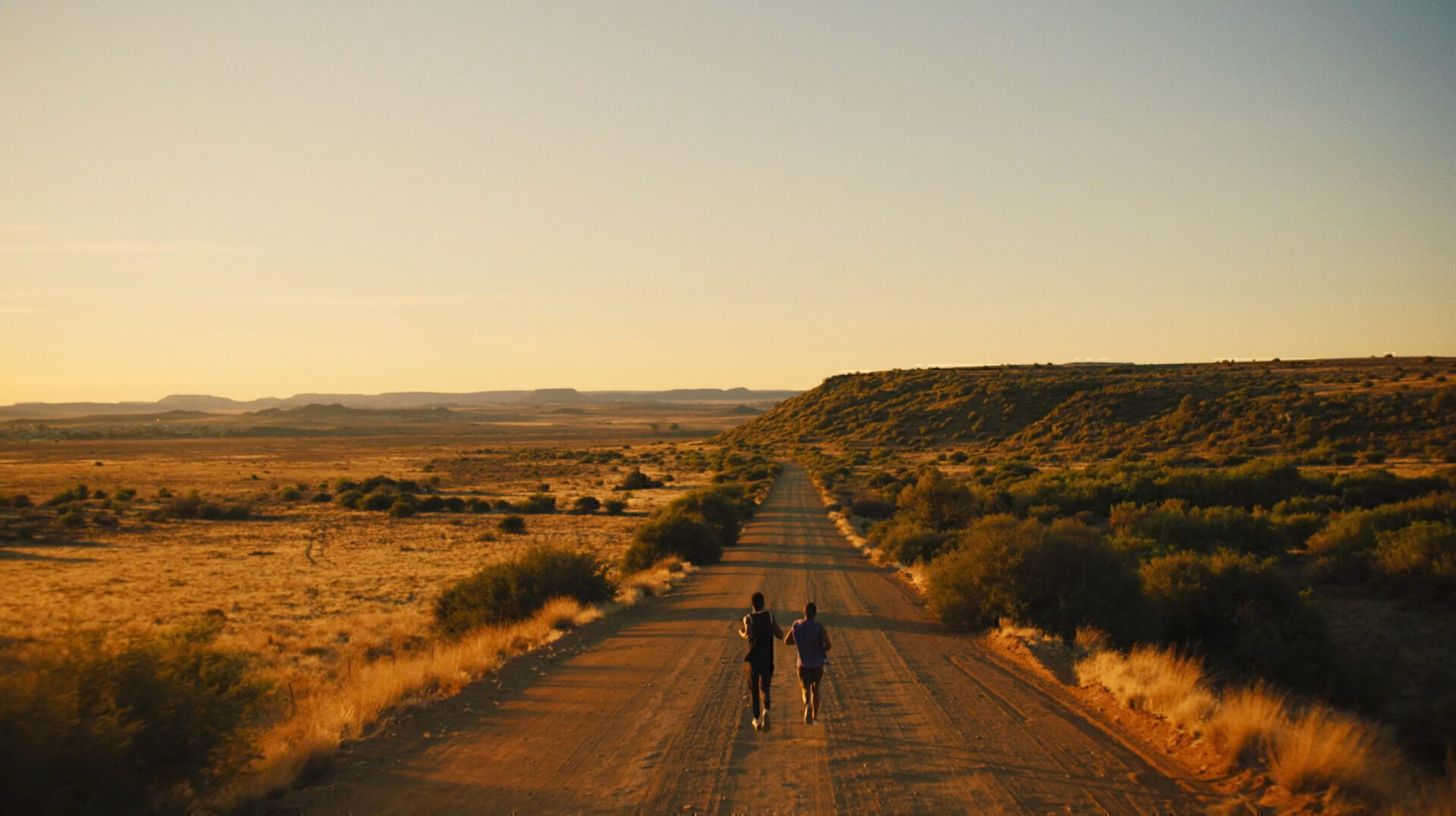
I think your home is always your home, and it might not always be perfect and the grass might seem greener, but there is something indescribable about the warmth of the country that raised you, or at least that’s my experience with South Africa. As cliche’d as it is, “Africa is a feeling” is a real thing, I could live anywhere in the world, and in many senses it could be “better” or have more opportunities being based in a more international cultural hub, and life might take me to live somewhere else one day, but for my soul I will always stay connected to South Africa. If I ever have children I wish for them to grow up here, so leaving would never be of permanence.
As a storyteller/filmmaker there are lots of beautiful, powerful and important stories to tell here, and I find deep inspiration in these stories, and I’m sure to some degree every storyteller will have a deeper connection to the stories that are born from the world that raised them. I think for anyone to be able to tell a great story, you need to find a personal connection to it, where you can immerse yourself into it. I think that’s where the magic often lies, what makes a good story great, it’s that human connection the storyteller has to the material. In commercial work you might need to manufacture it, or search for it, but I find when telling local stories, the connection comes from 35 years of lived experiences so it’s hard not to be deeply connected and inspired by these stories.

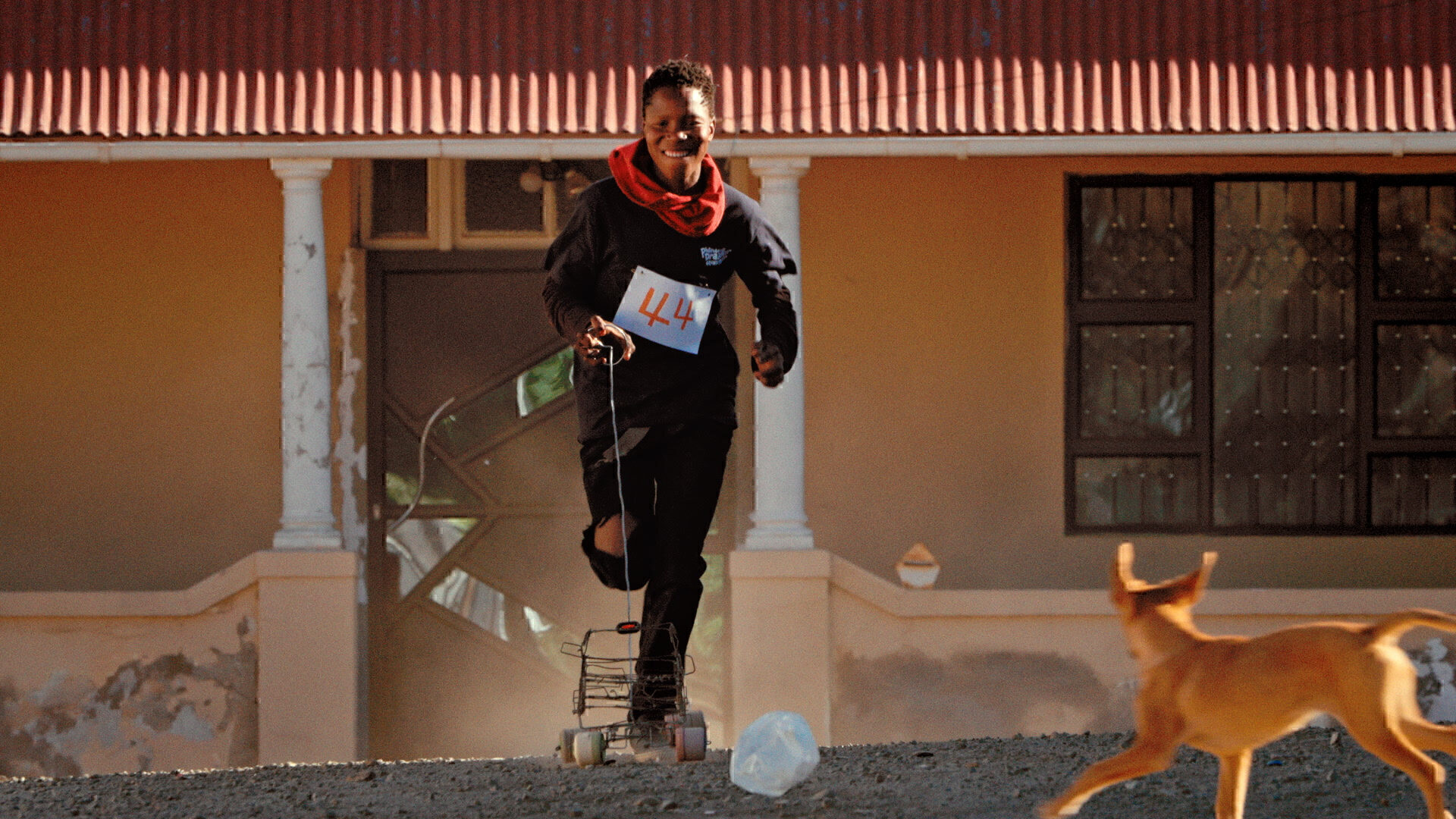
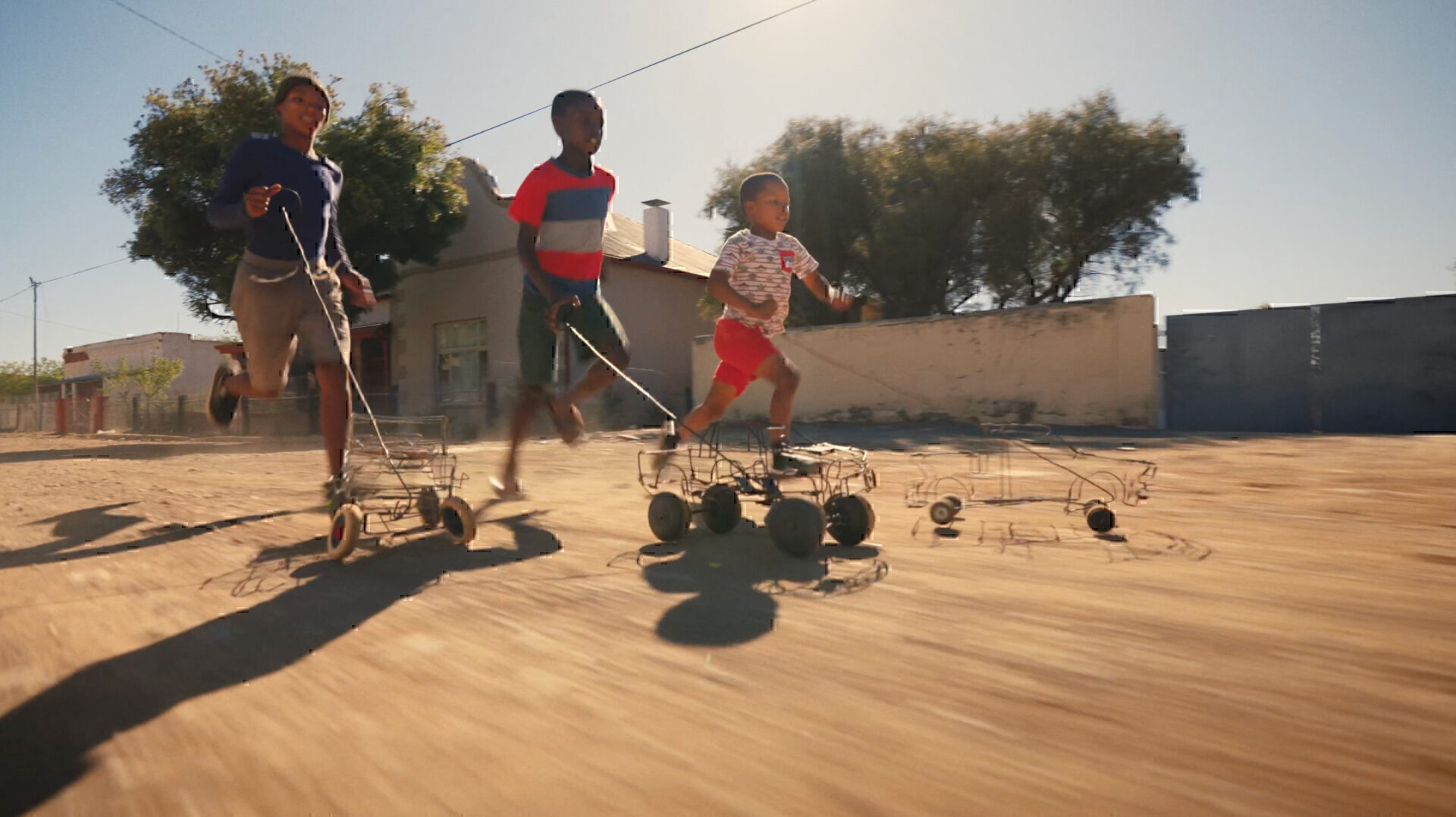
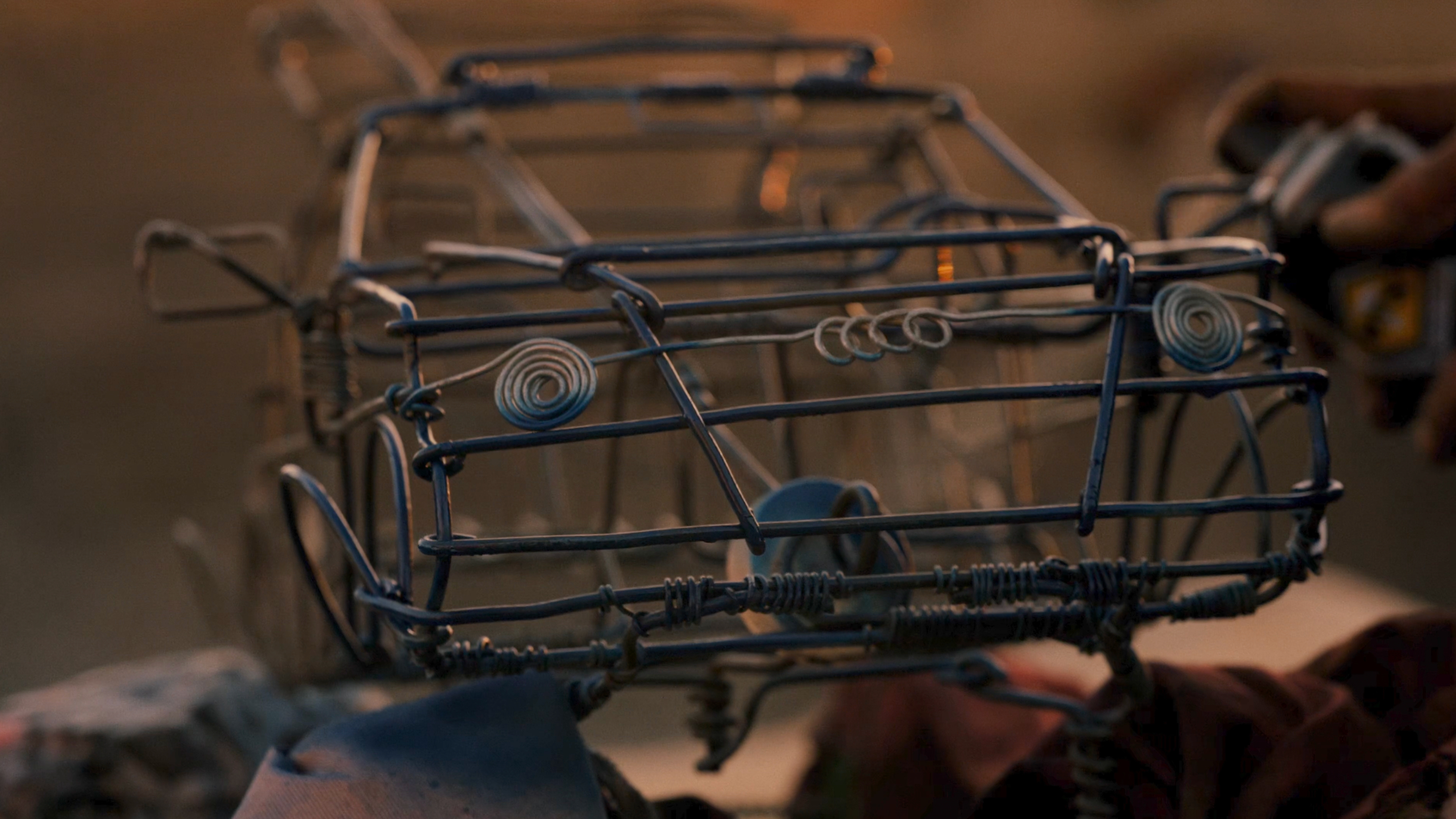
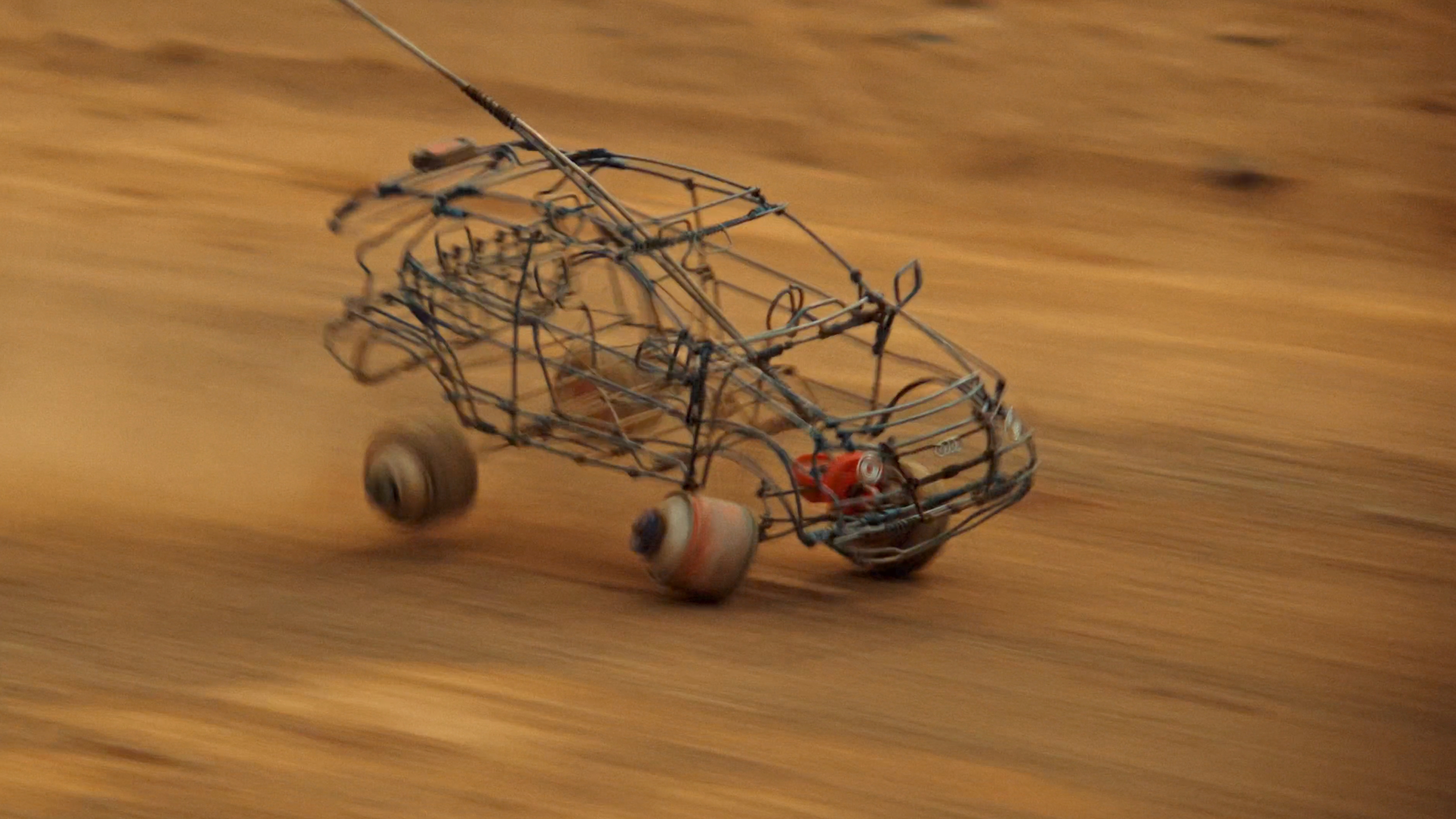
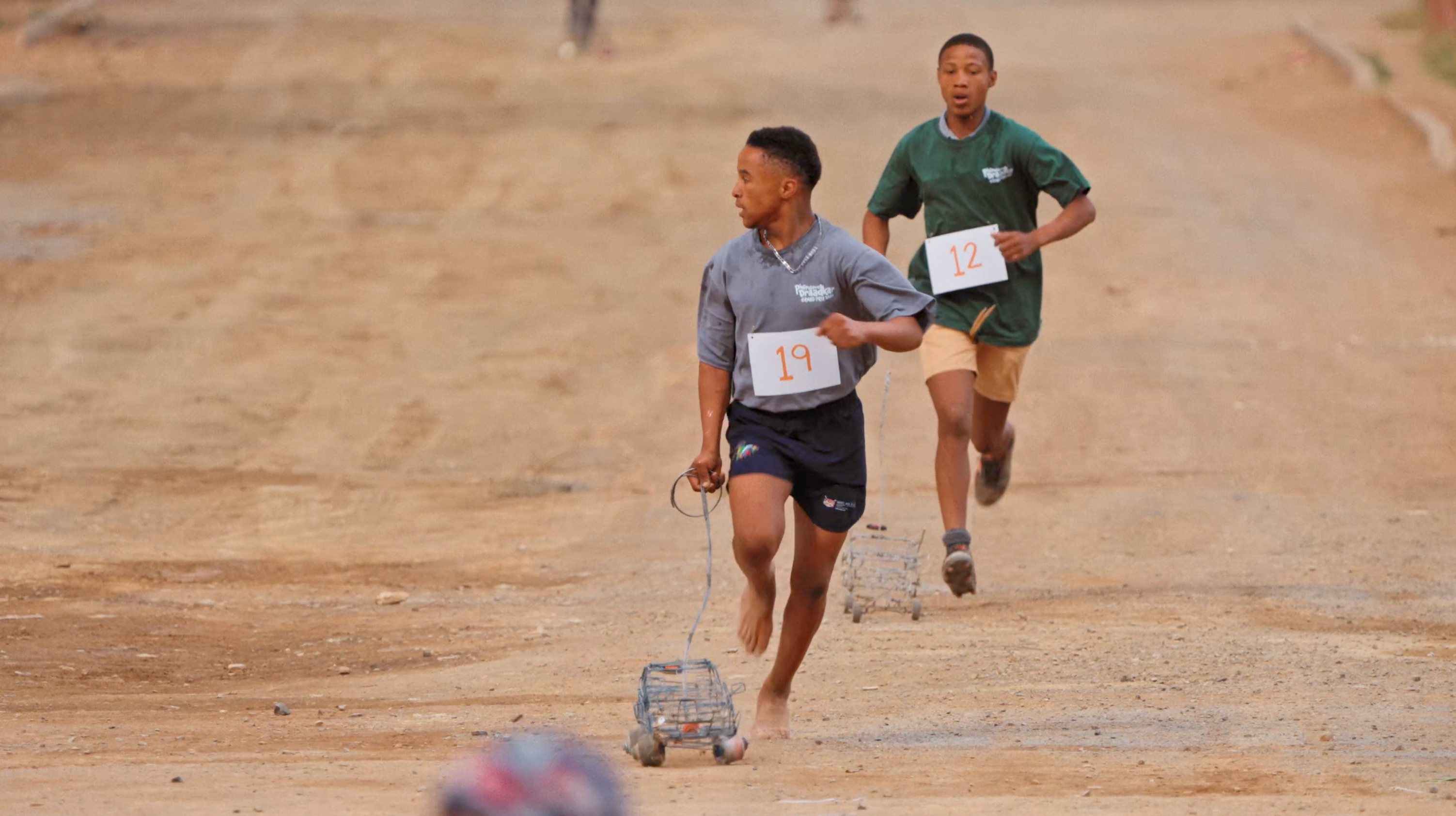
Your latest film – The Philipstown Wirecar Grand Prix, a full-length documentary streaming on Prime Video – has all your hallmarks: cinematic photography, stunning framing with beautiful colour and light, and a compelling story of a community of kids making and racing wire cars made from scraps. It is of course much more than that.
But before we dive into the layers of craft let’s start at the beginning. What were the initial conversations and brief about?
As you can imagine creating a feature film documentary as part of an agency brief required a very unique briefing process, there was nothing shared before the first meeting, as it could only be explained in person, and it needed multiple conversations to understand the project as a whole because from the agency side, the film is only an aspect of a larger ecosystem they were dreaming of creating for the Philipstown Wirecar Foundation. In general terms it became simple, “tell the story of the 2024 Philipstown Wirecar race, with the hope of connecting the viewer to the powerful story of this town and the race.” but what exactly that story was going to be, or how to tell it was a whole other journey. It was only after being awarded the project, immersing ourselves in the town and meeting the children that we could start to fully understand not what the brief was but what the brief needed to become, and even then it was constantly evolving the more immersed we got into the story. For many months even the format was open, should it be a short? a feature? episodical? nothing was prescribed, it was about working out what format honoured the story the best.
It must have been a complex film to work out and arrive at its final structure. Did you workshop the details with the creative team and if so how did these meetings take place and evolve the project?
As with any documentary the story was ever evolving, and there was a constant dialogue between all parties, because of the remote nature of the town, we would travel in blocks and shoot and discover story, then return and edit for weeks, cut little scenes and share wip ideas with all parties, whether it was a theme we were exploring or a character arc that was developing. Then we would return to the town and shoot again and so the story would unfold, and the film would reveal itself. Once we had shot the grand prix we were in weekly meetings with the CGI house in Hamburg, discussing how we could accurately bring the live action race to life in the CGI world that was being built alongside the film.
Were all the different components of the film storyboarded and mapped out in detail in pre-production?
No not at all, in general there were no storyboards, it was much more fluid and reactive than that. Only once the film started to have a structure and we wanted to introduce some specific cgi moments then we did a few storyboards but very minimal. Of course in the cgi race world there was a large pre vis process and signing off shots and angles before any detail rendering was started, but in essence the live action race was the base of the storyboard for the CGI version.
What were the important elements you considered to be vital to the film? Did you create rules?
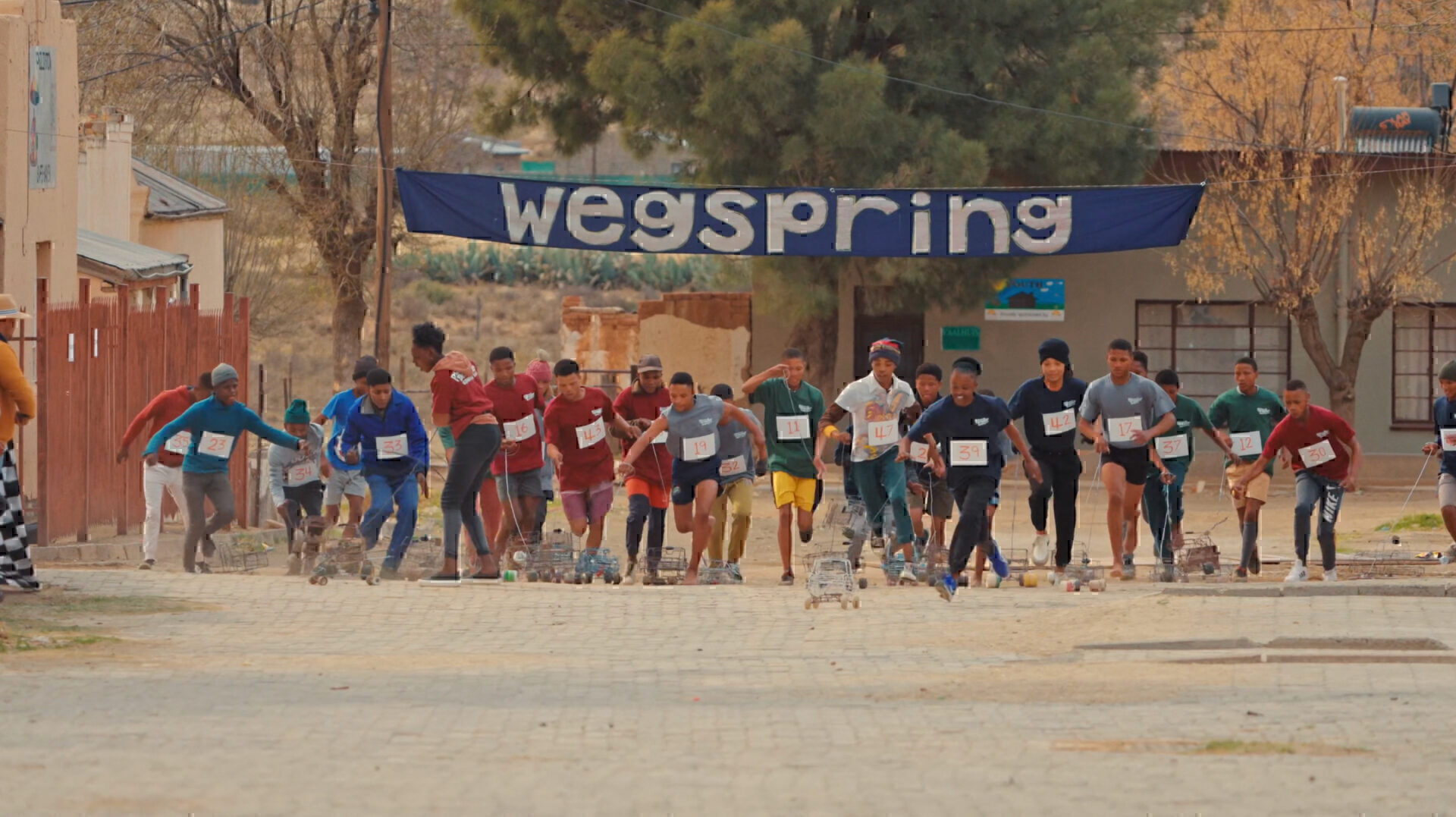
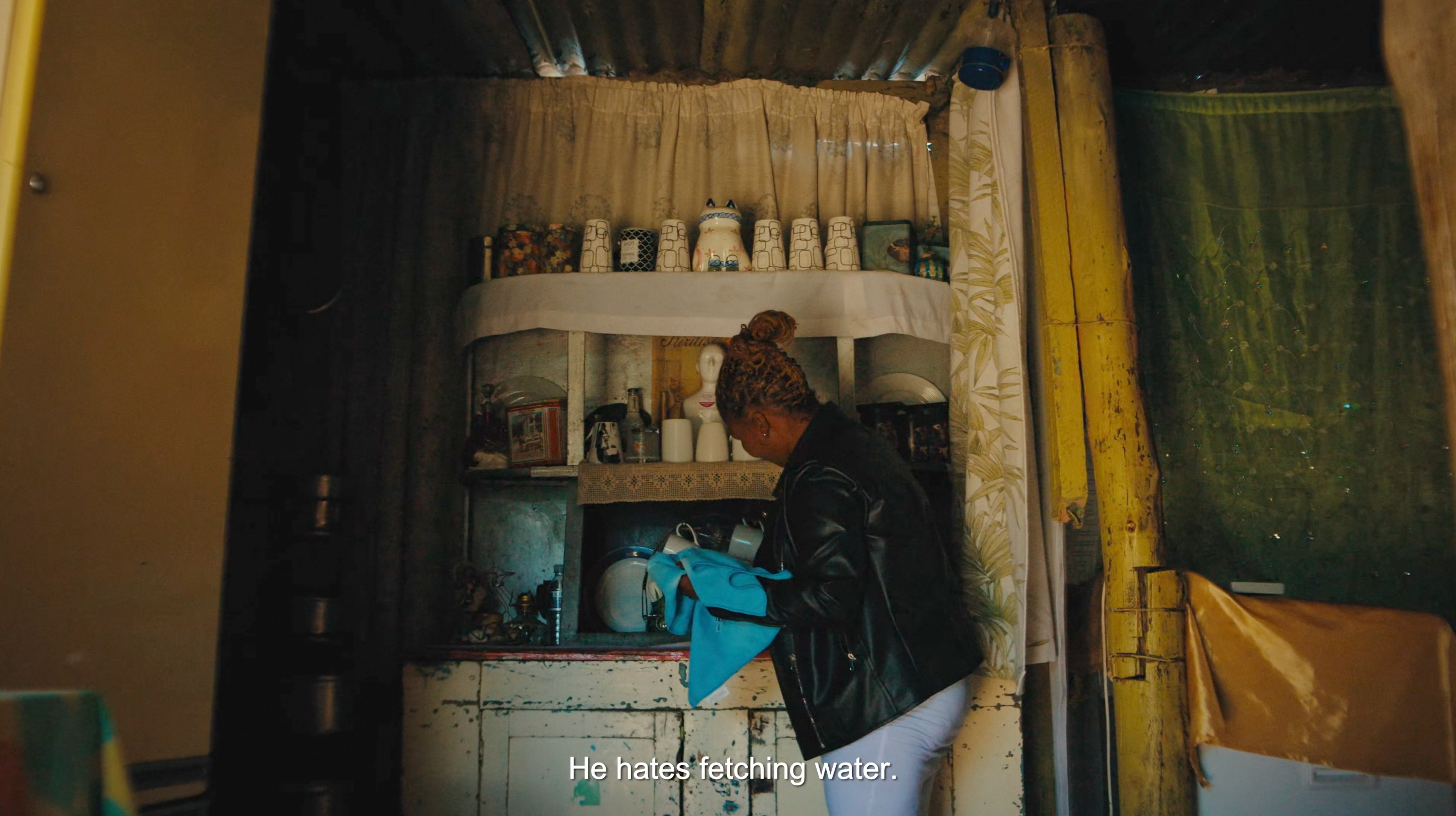
I wouldn’t say there was anything as definitive as a rule, but certainly parameters. Foremost it was to create an environment and a shooting style that made the children feel safe and cared for. I would always prioritise a more comfortable environment for the children vs a more beautiful lit shot for example. Mostly we would try to keep the set ups small and nimble, so that they weren’t imposing on the kids, and also so we could react to them rather than restrict them. We would keep the team around them to an absolute minimum, sometimes it was just Jason cinematographer and Kelly the co-producer who I would be in contact with via an ear piece.
It was wonderful to see over the months how the children became more and more excited about the filming process. This was pivotal to be able to let them tell their story, and not have adults or some sort of narrator fill in important parts of the story. We followed and filmed many adult leaders in the community, but in the end very few were needed and basically only those who represented the Foundation were included. Once we had established their trust and they were excited to be apart of the film, they opened up, allowing us to get more intimate story beats as well as push for some of the more cinematic scenes which takes more time and finessing to film which might have been harder to achieve with them earlier on in the filming process. If there was a golden rule it was to be inspired by and honour the town, and the children, whether this was practical decisions, or creative decisions, we always looked to the town to help guide not only the narrative decisions but also the creative ones.
At what point did you start filming?
The first few months were just research, meeting the people and getting to know the town, intentionally not having any camera department with us, until we had built some relationships with the key people in the community.
After about 3 months I think we started filming for the first time, with the race happening at a certain date. There was a timeline from the beginning and the pressure that comes with that, even though it was a documentary and nothing could be promised in terms of what would be captured in every shooting block. Of course the timeline did inevitably develop as the project progressed, finishing months after the initial scheduled deadline.
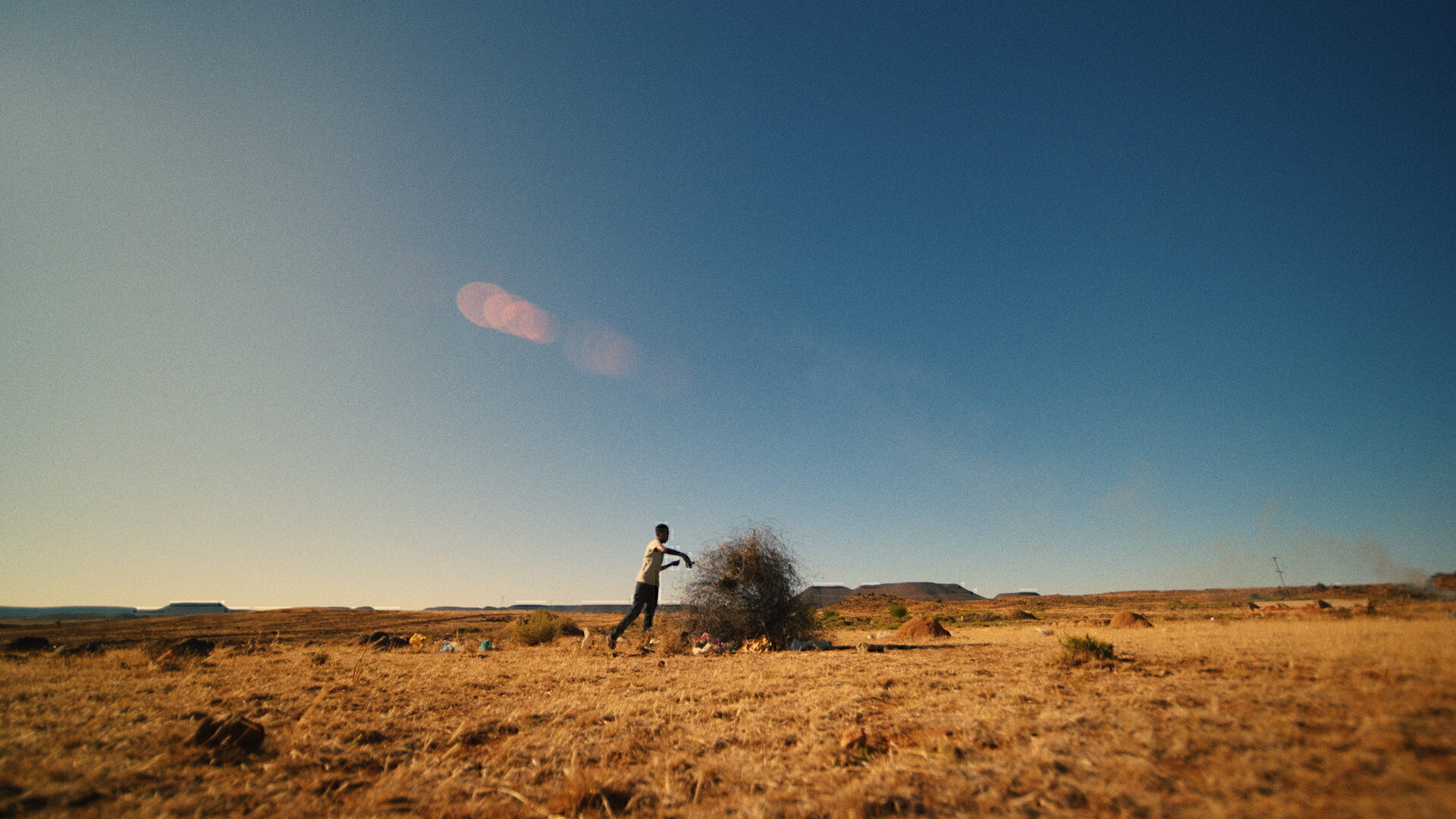
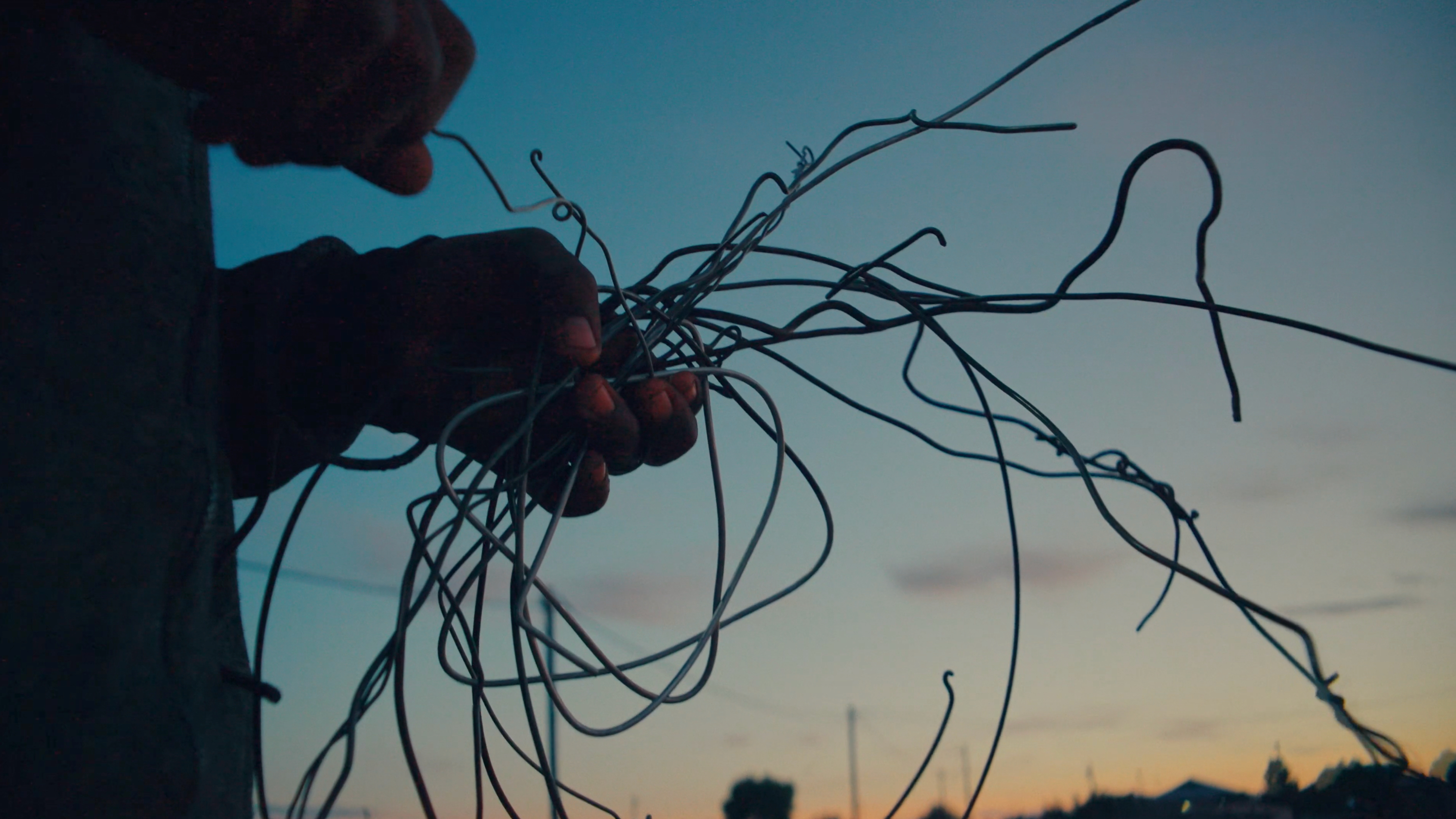
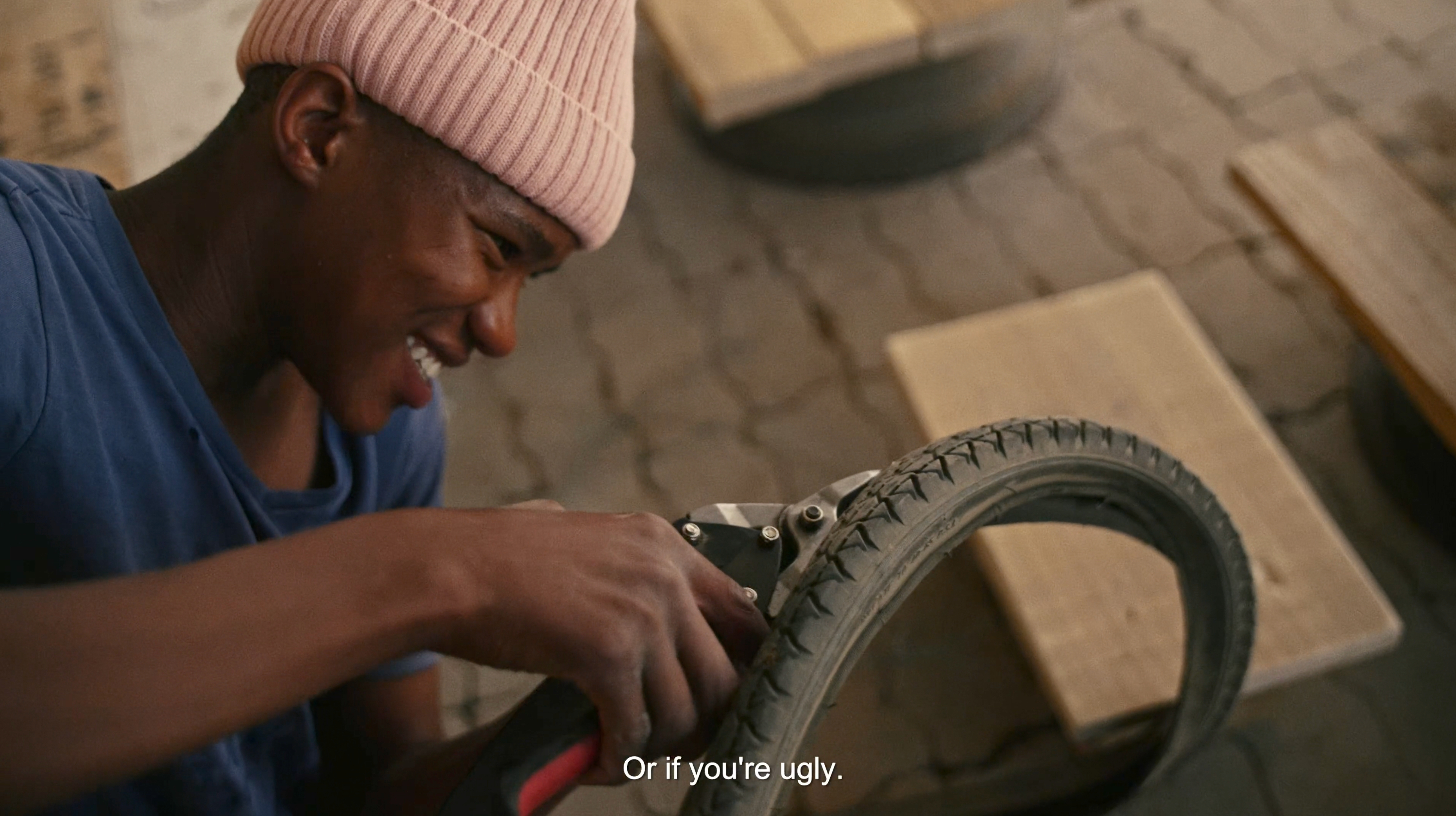
Lutho cutting wire on outskirts of Philipstown
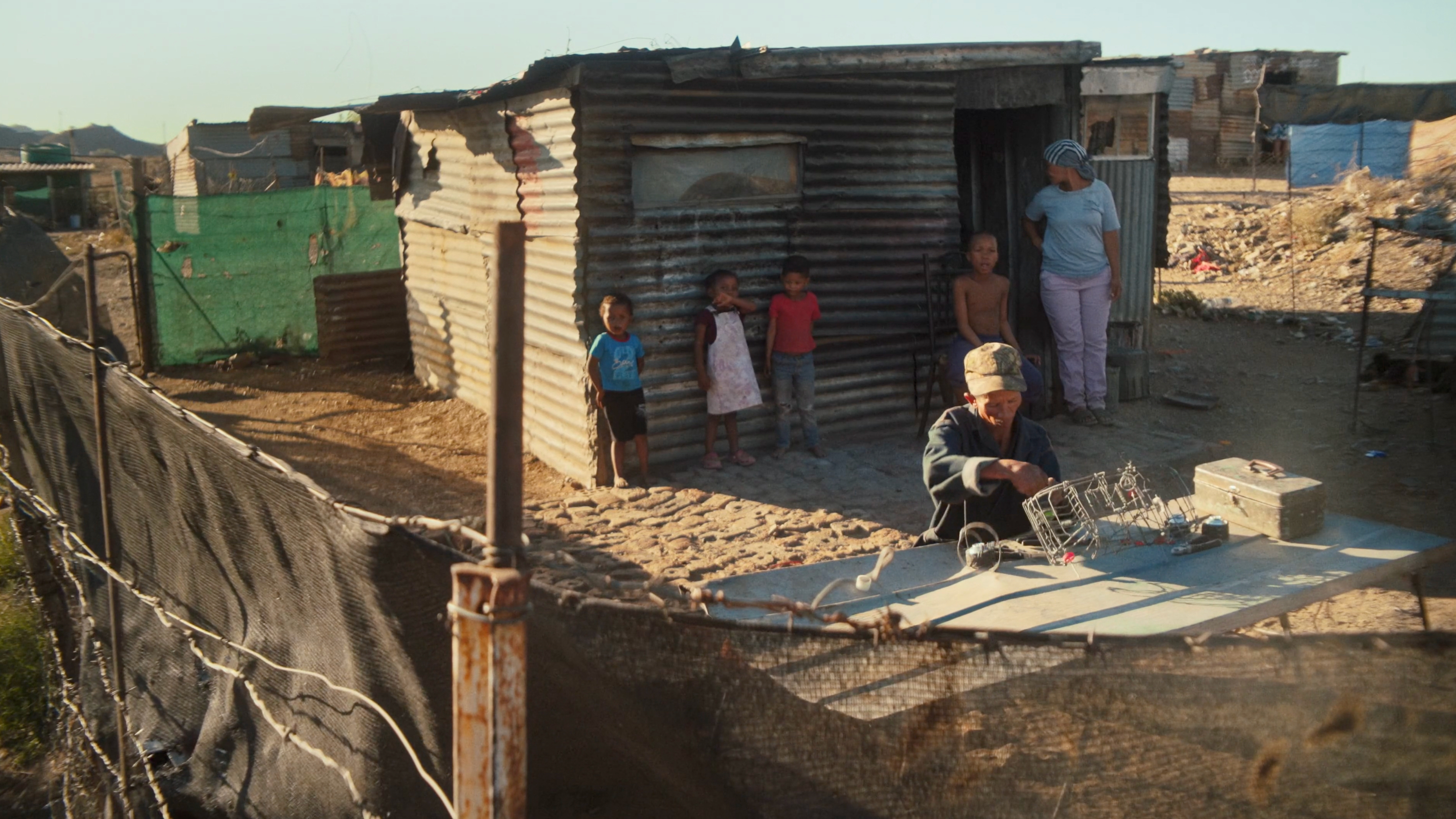
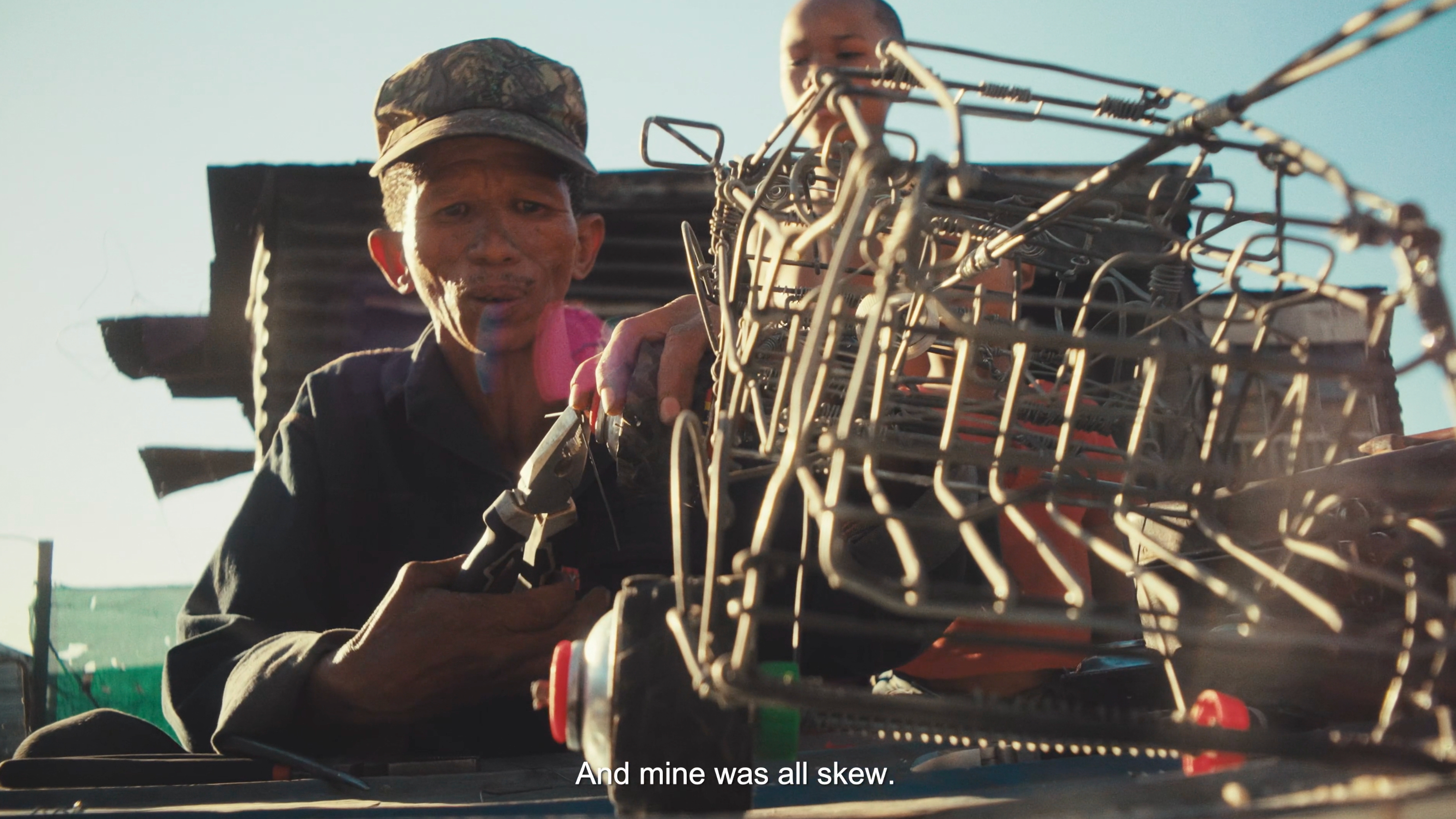
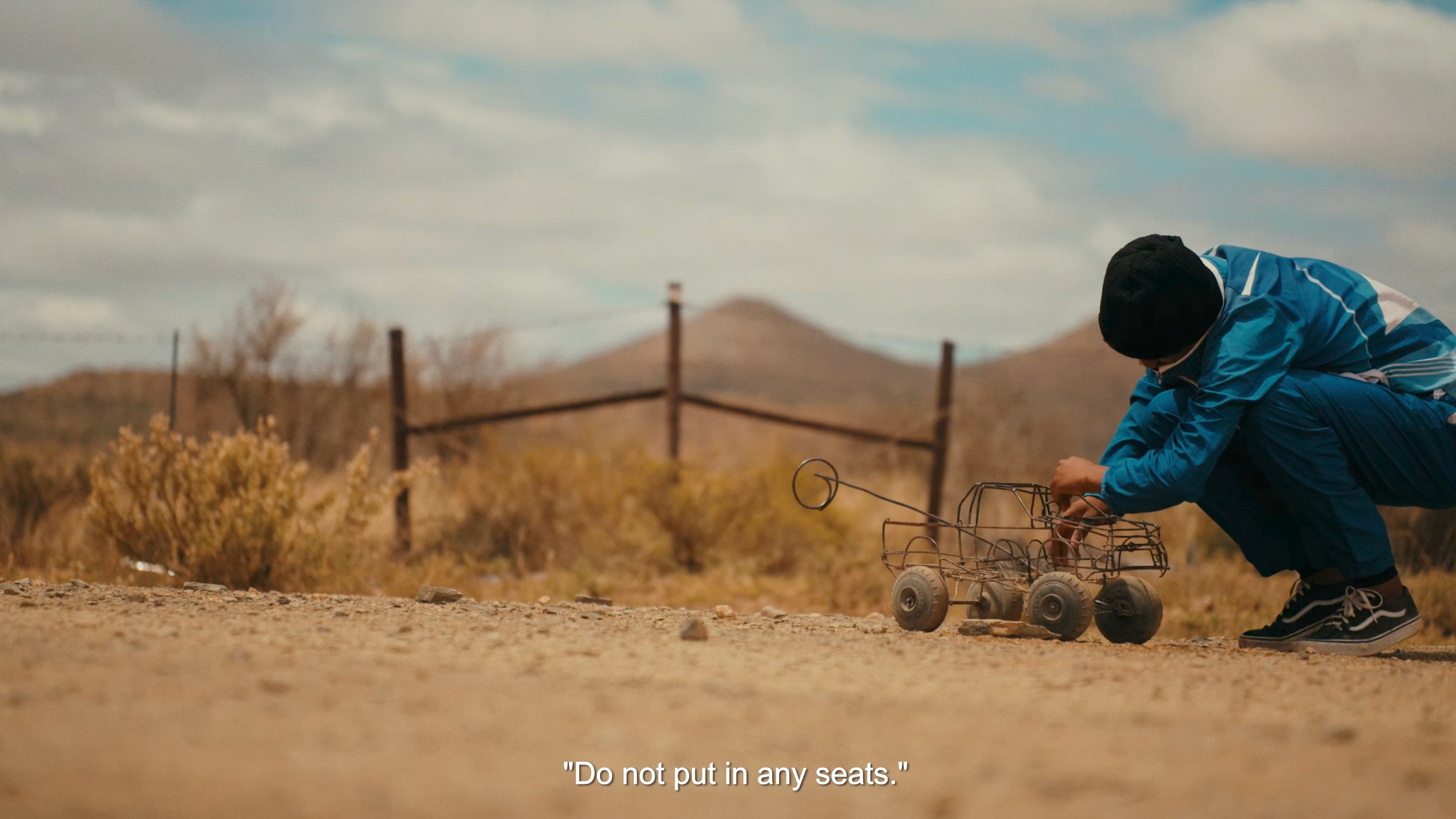
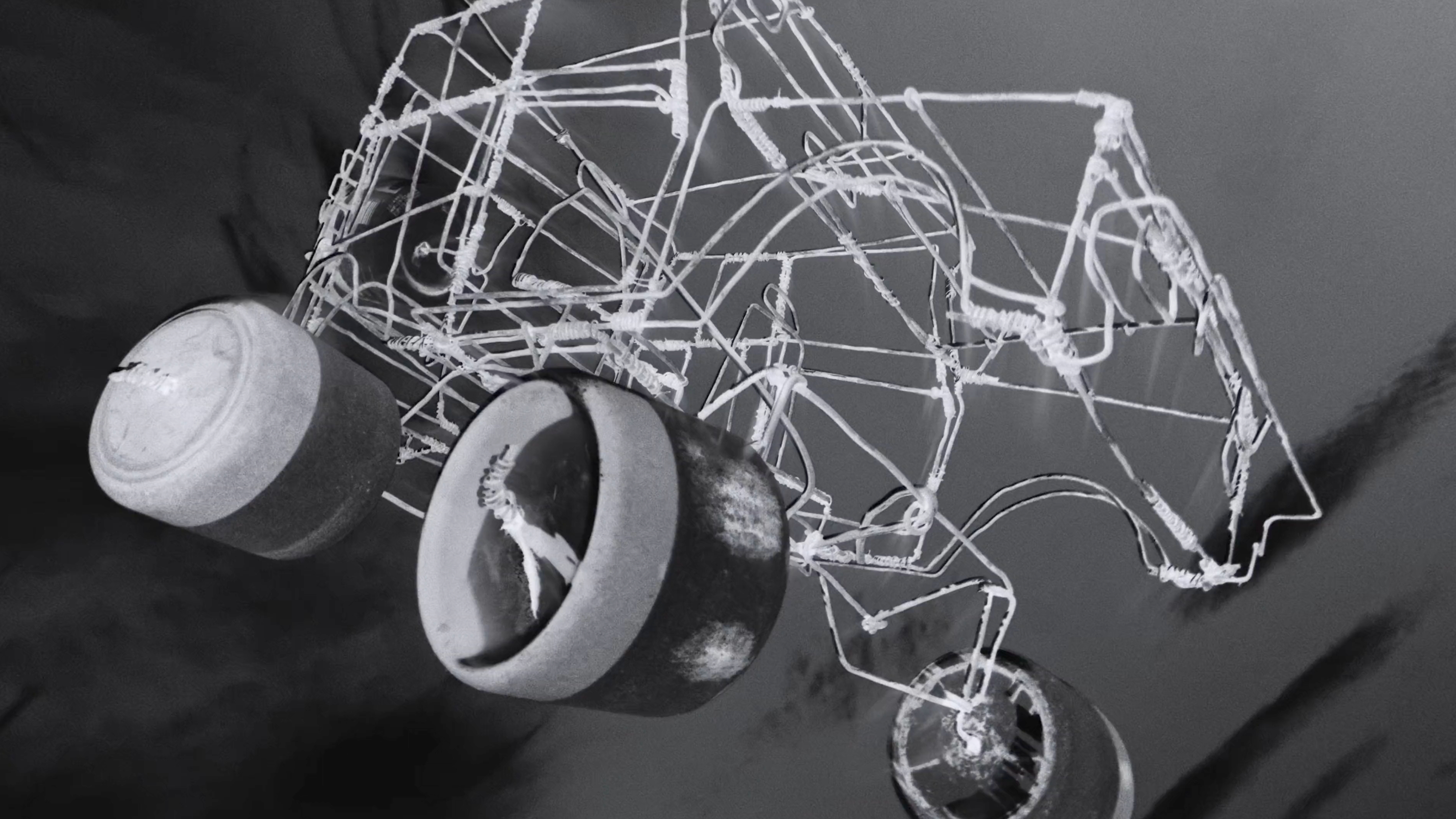
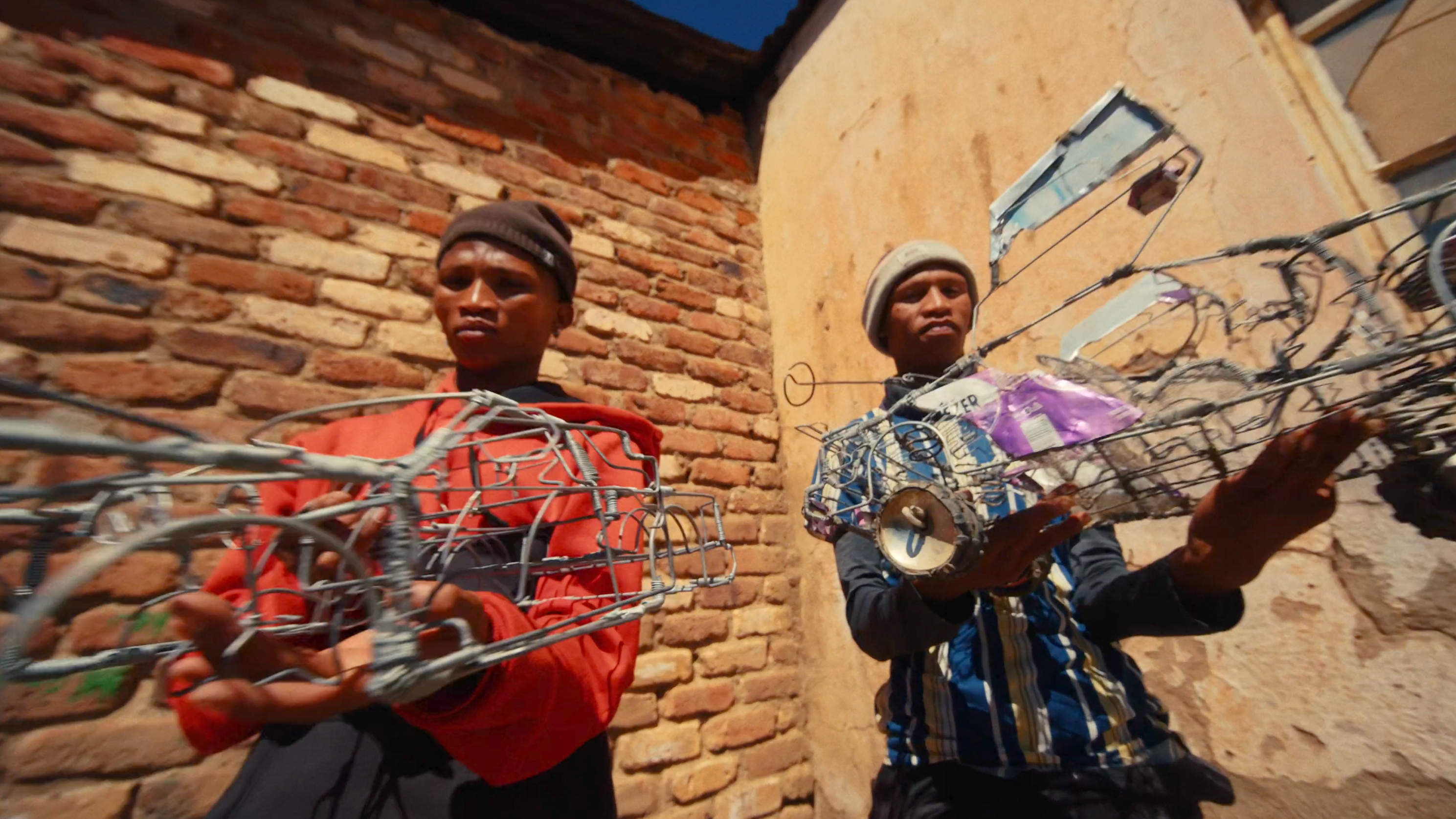
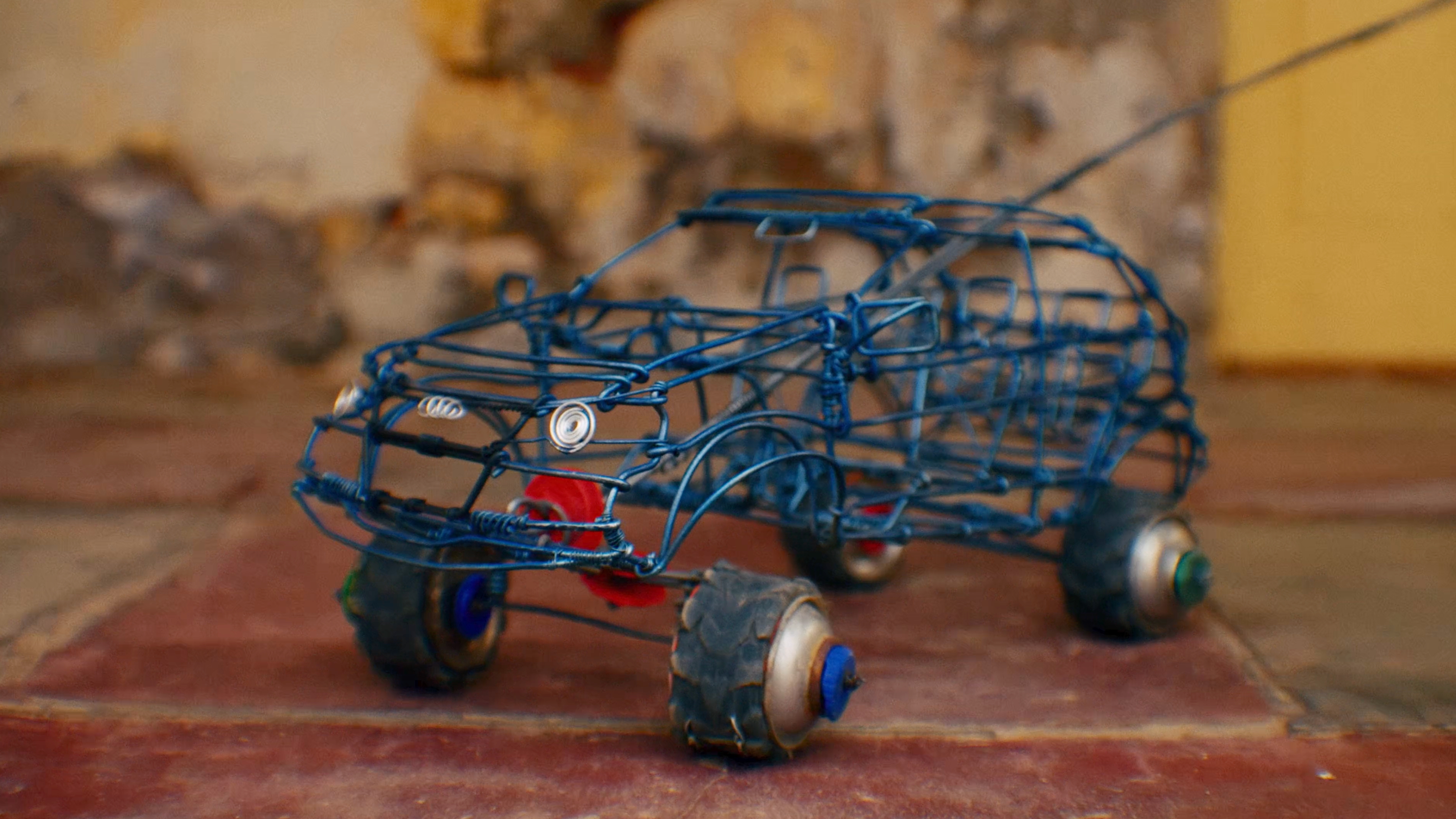
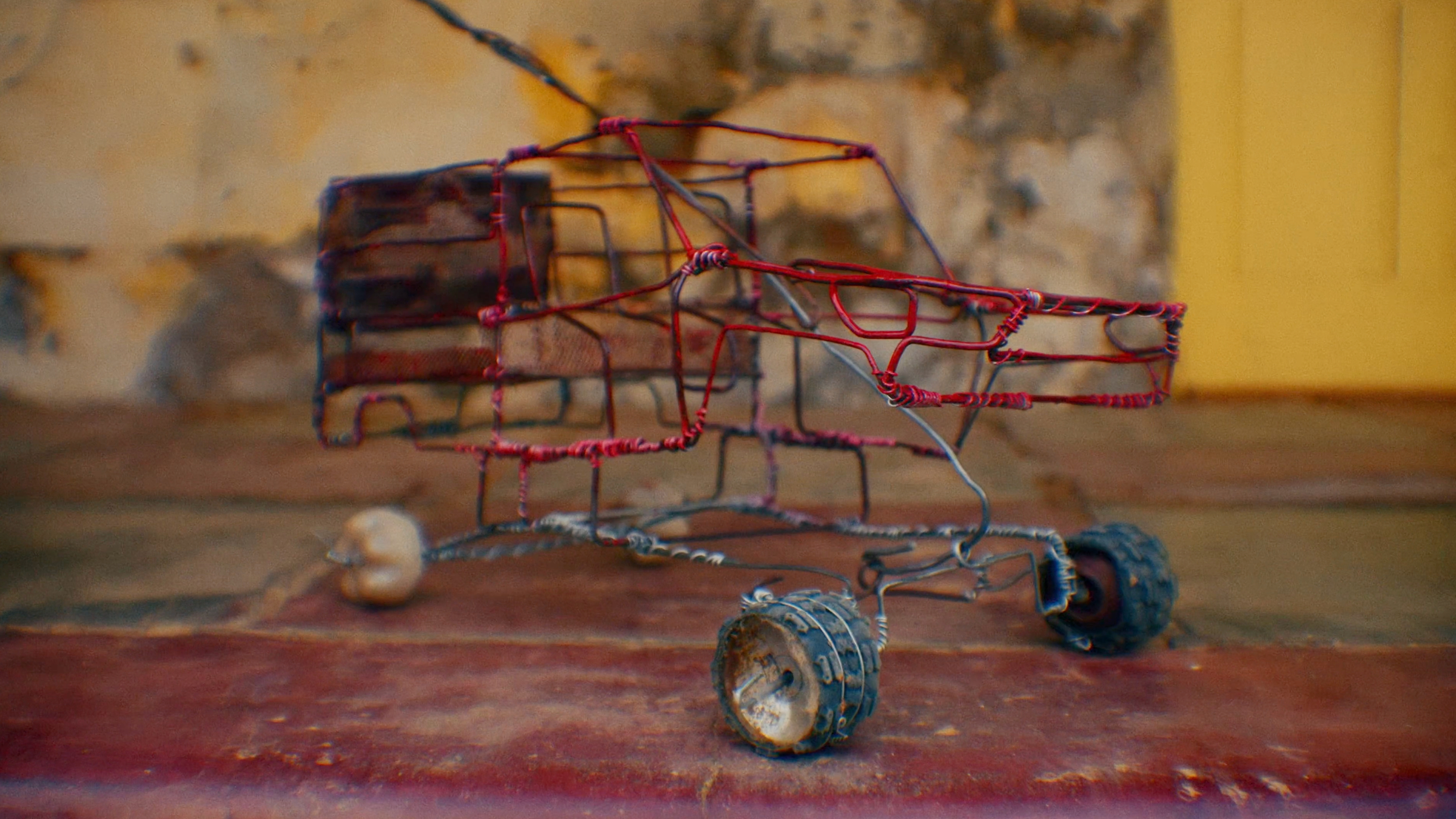
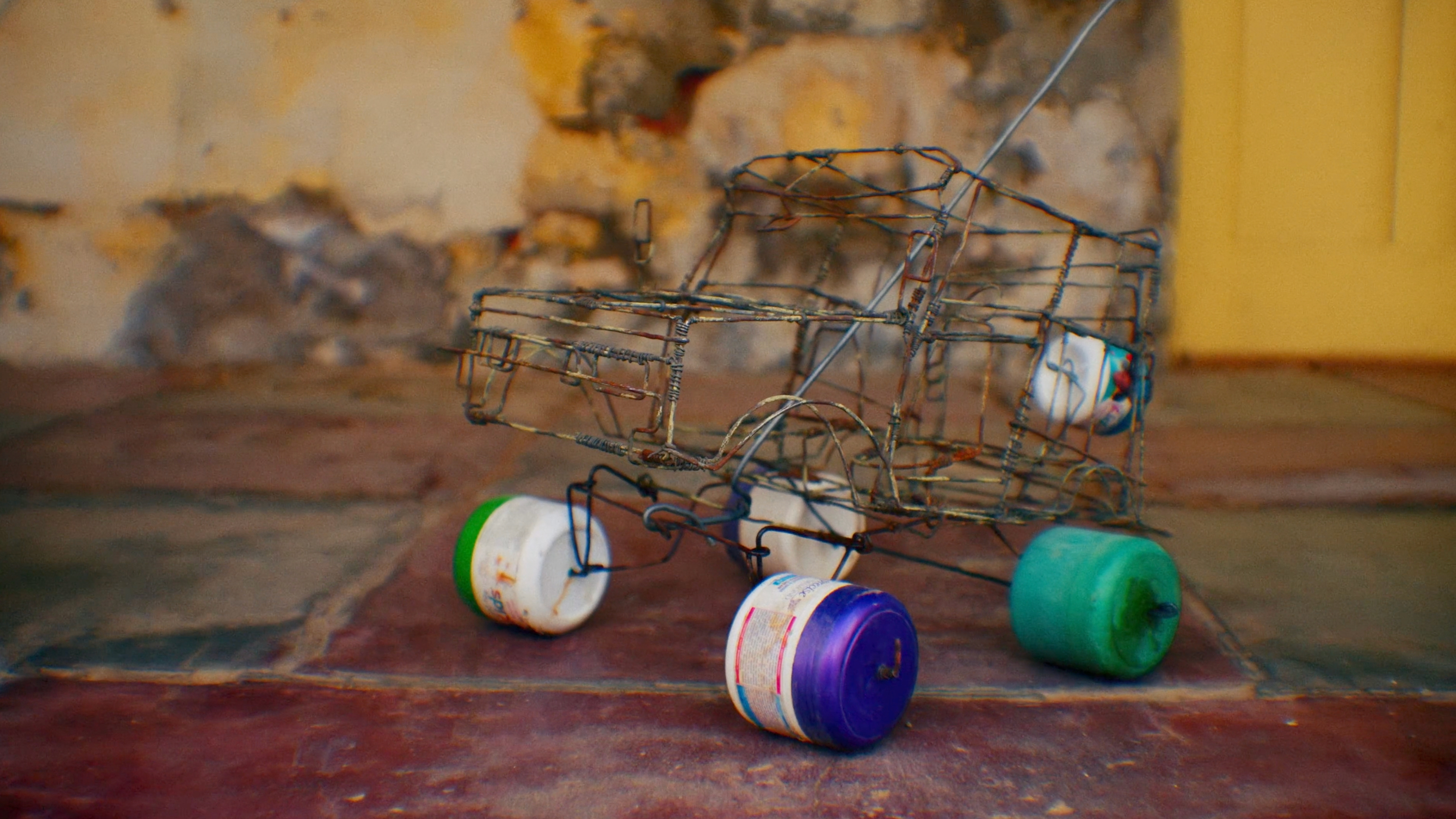
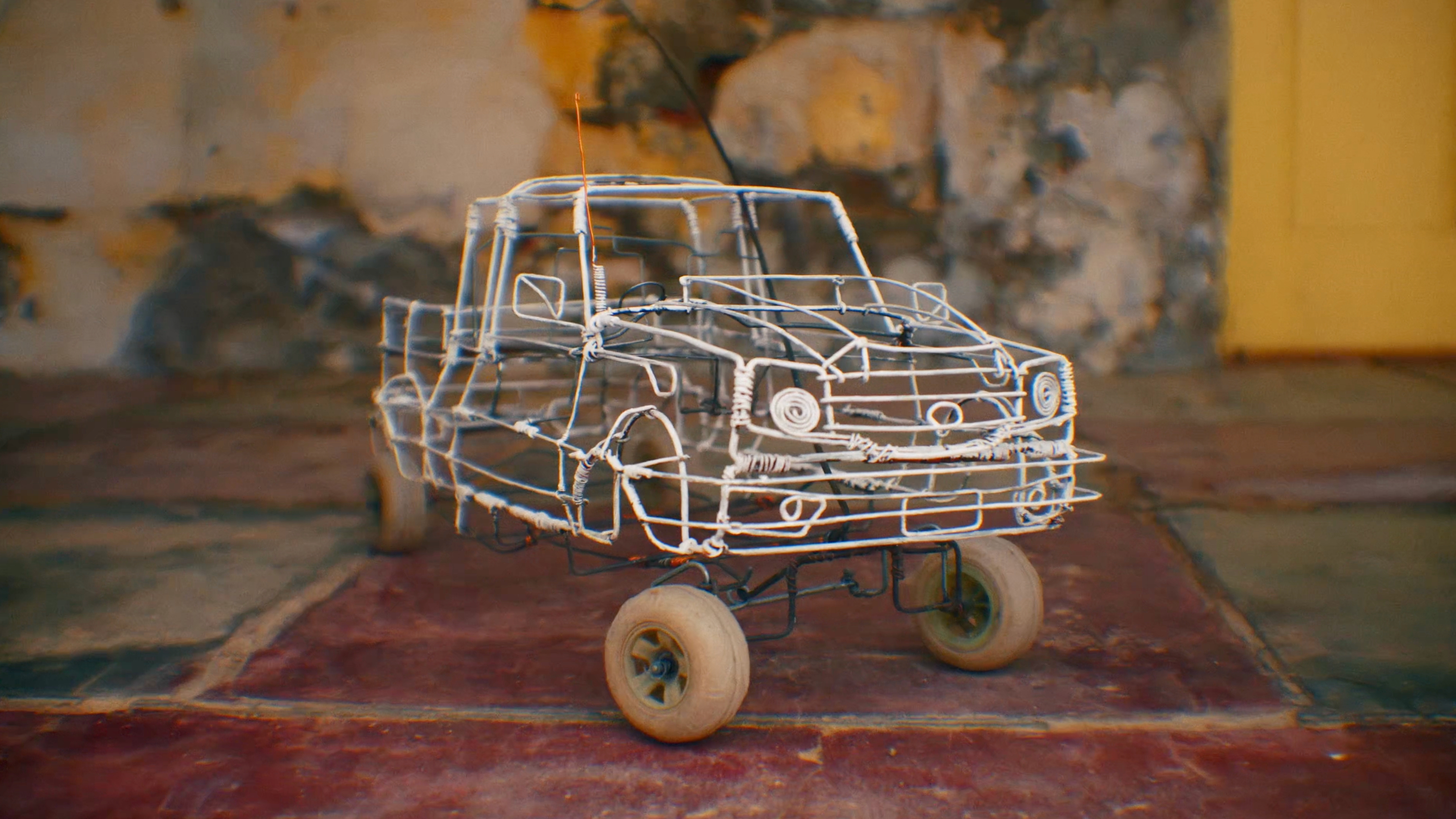
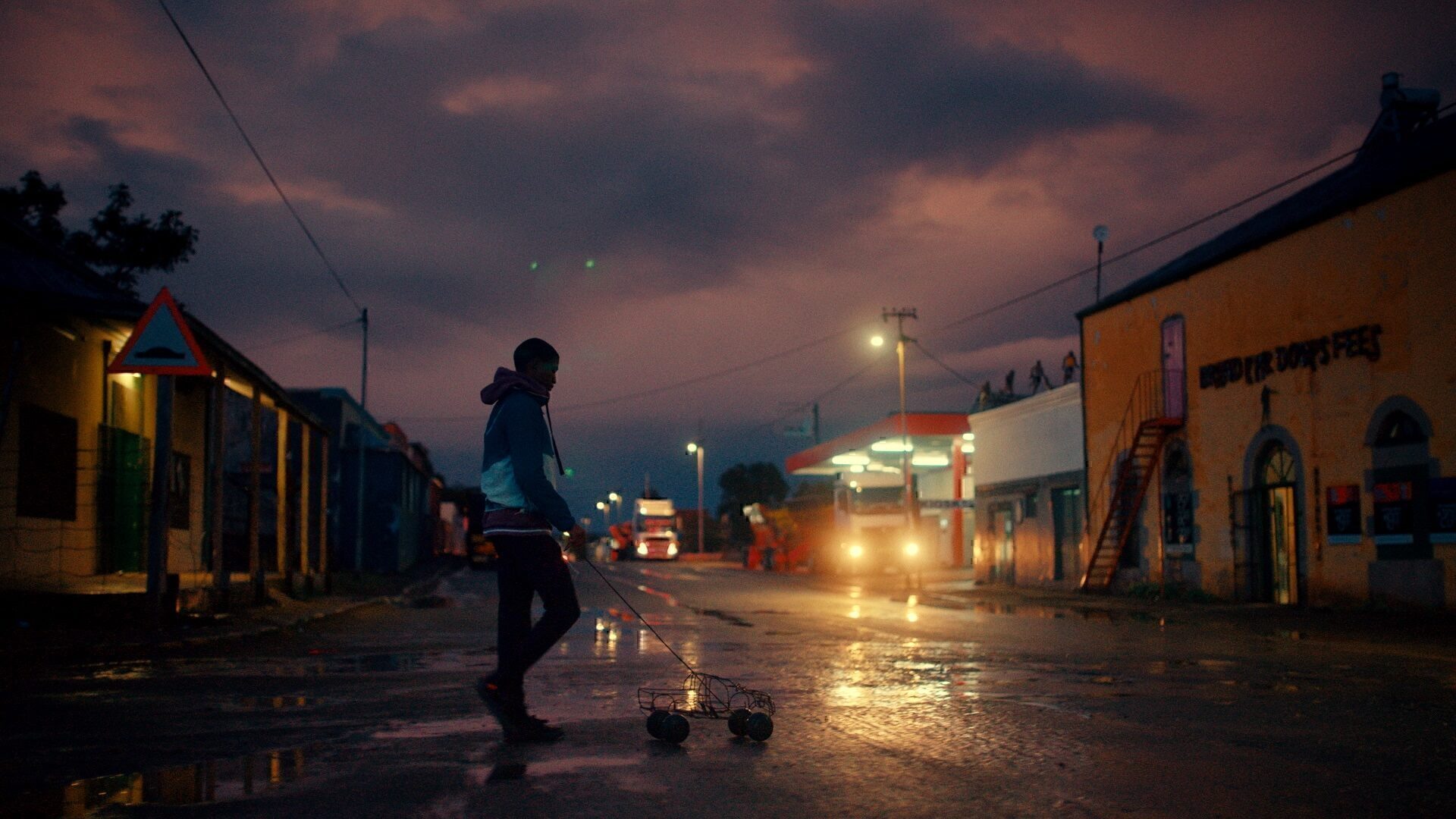
It’s a warm hearted portrayal of the community focusing mainly on the teenagers making and racing their cars. Their dialogue is revealing without being indulgent or cliched. Nothing feels staged. How did you interview them – did you have a producer or yourself talk with them?
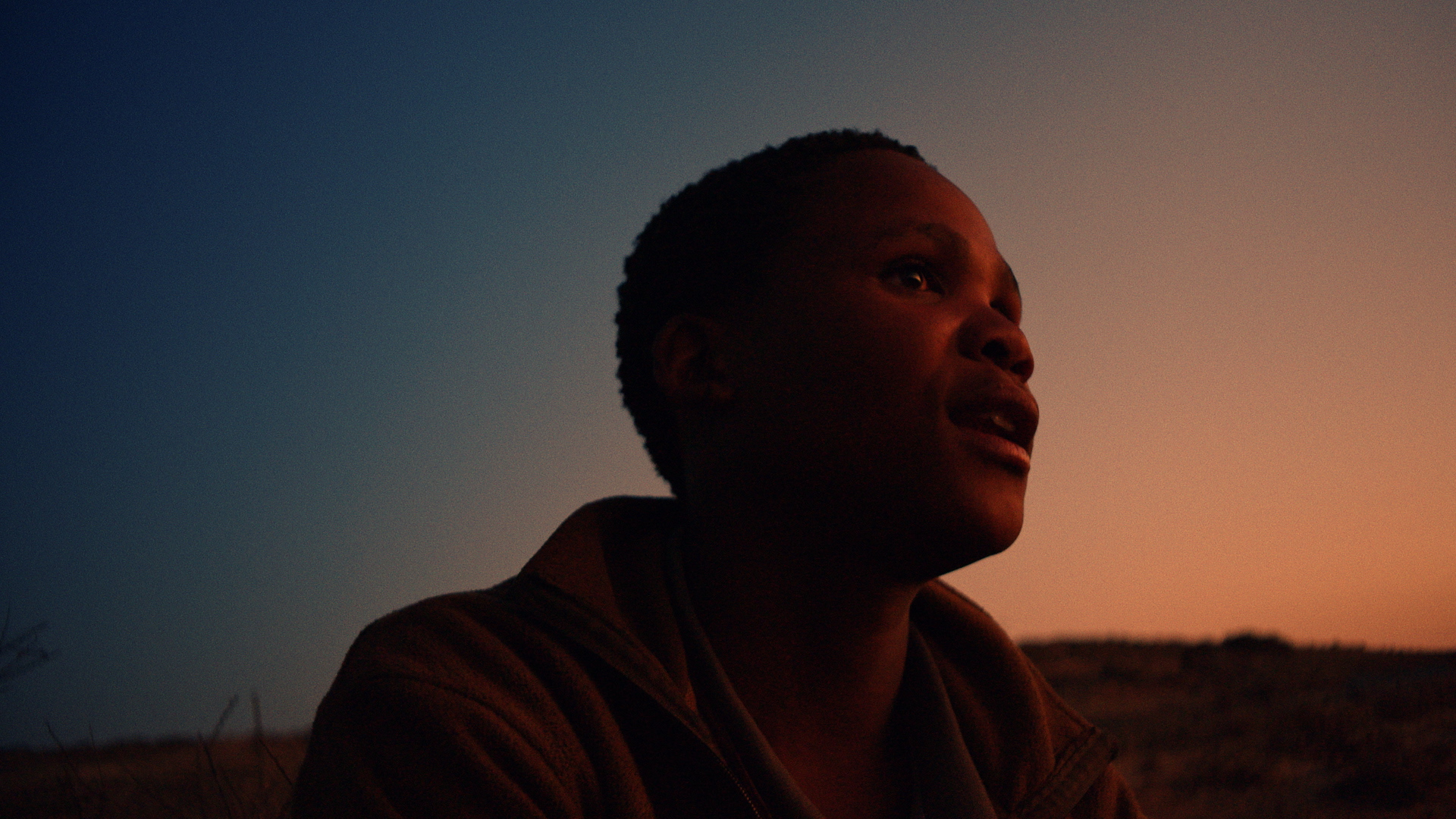
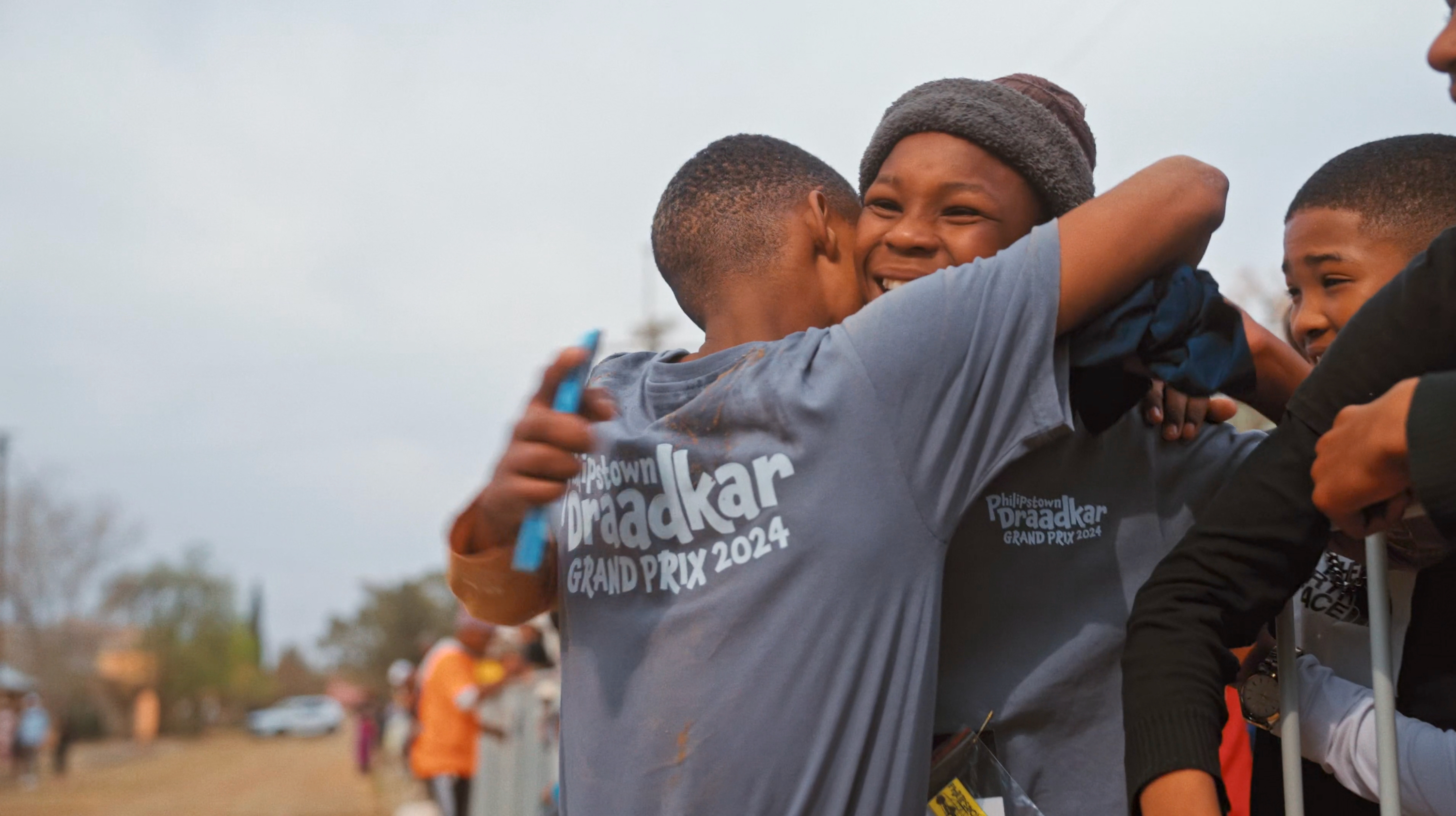
I touched on this earlier, and very glad you recognised this in the film, as I think it’s something I’m most proud of. The children were able to confidently tell their own story, from their perspective, in their words, which is rather remarkable for any child their age, but especially for children growing up in the harsh environment they do.
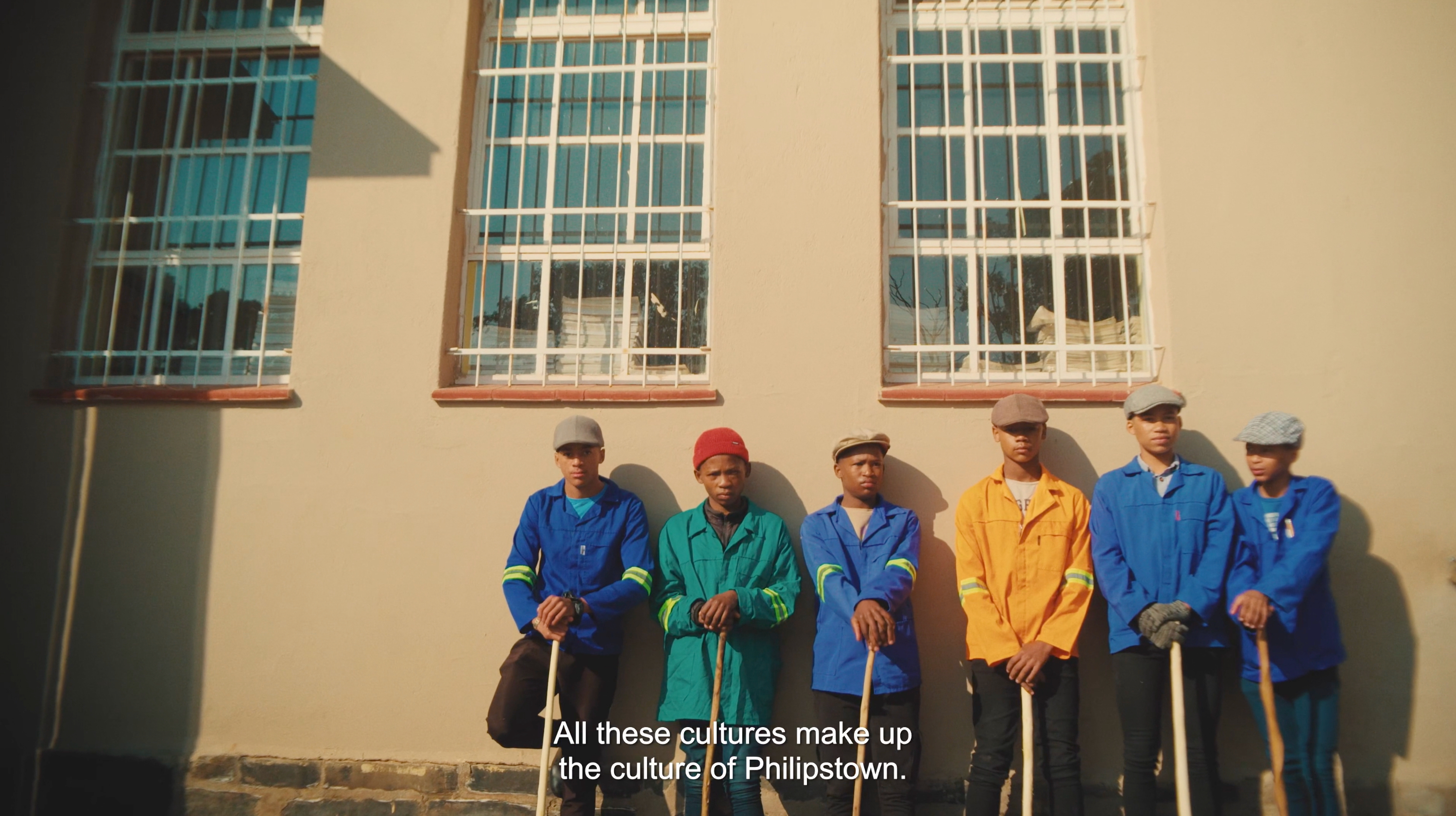
It was important to us that the children spoke in the language they felt the most comfortable in, even if it meant the film might become less accessible to an international audience. Even I wasn’t confident in their dialect of Afrikaans or isiXhosa which meant we had to develop some sort of translation interface between myself and the children. From early pre-production we brought Kelly Koopman (Co-Producer) in to the project who played a pivotal role in many aspects, but one was translating and interfacing with the children, sometimes we would interview them as a team but sometimes I would remove myself from the room, and communicate with her via ear piece, so she could translate my questions seamlessly without any breaks in flow. Her soft, kind nature and female presence I think played a very positive role in how the children felt safe and confident.
We wanted to do anything we could to make the traditionally intimidating filmmaking set feel more approachable to them, the fact that both Kelly and Jason (DP) are also both people of colour I think help break down the otherness we as a film crew brought into this small town. It was quite special to see how in particular the young boys responded to Jason, besides being a great cinematographer he has a great personal style and the Philipstown boys really looked up to him, felt excited to be photographed by him. It’s all these things which not only made for a very rewarding filming experience but allowed for us to tell the story in the way we eventually did.
There must have been so much footage that you didn’t know you were going to get – tell us about the edit. Did other things reveal themselves in the edit that reshaped the film in any way?
Totally, it was an ever evolving story often informed by micro edits along the way. The edit process was so different to anything I had ever worked on, shooting a block then really consuming yourself in the footage, developing potential story arcs etc. Then going back into a shooting phase, and some arcs get richer, and some fall away. We had a strong idea who would be competitive in the Grand Prix, and although there were some surprises most of the characters we thought would do well did, but it was only after the race did we really know where our story was going and who our main protagonists would be, and then we could solidify the shape of the film.

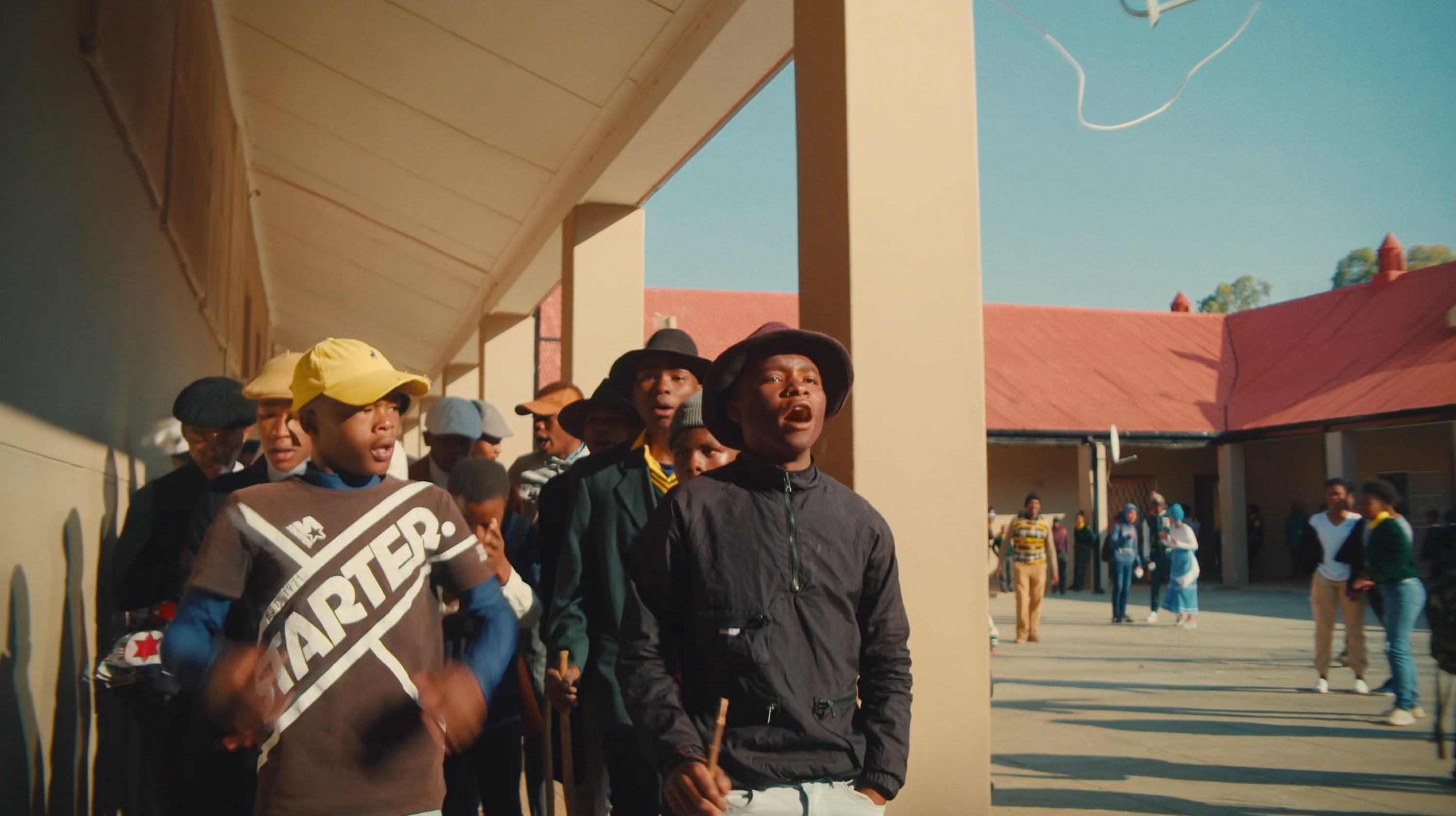
Working in commercials must have prepped you for the CGI element to a certain extent. Was this part of the film a new learning curve for you?
It was definitely the biggest CGI project I have ever worked on, but we worked with an amazing team at Accenture Song Studios Hamburg led by Dima Lochmann. The final cgi deliverable was a 7min fully cgi race, which is crazy to think most commercial projects even if heavily cg integrated are only 30-60” long. It was really special to collaborate with such experts of their craft, developing an accurate cgi race, based off the live action race, 3D mapped Philipstown, creating off road rally cars inspired by the cars each child built, the attention to detail was immense. When they told me they were developing the physics of the race cars to make sure they could accurately take on the terrain my mind was kind of blown. Dima and his team are pros, I just focused on making sure it moved the story forward and was accurate to the personalities of the children, which of course the Cgi team didn’t have a personal connection to as they were based in Hamburg.
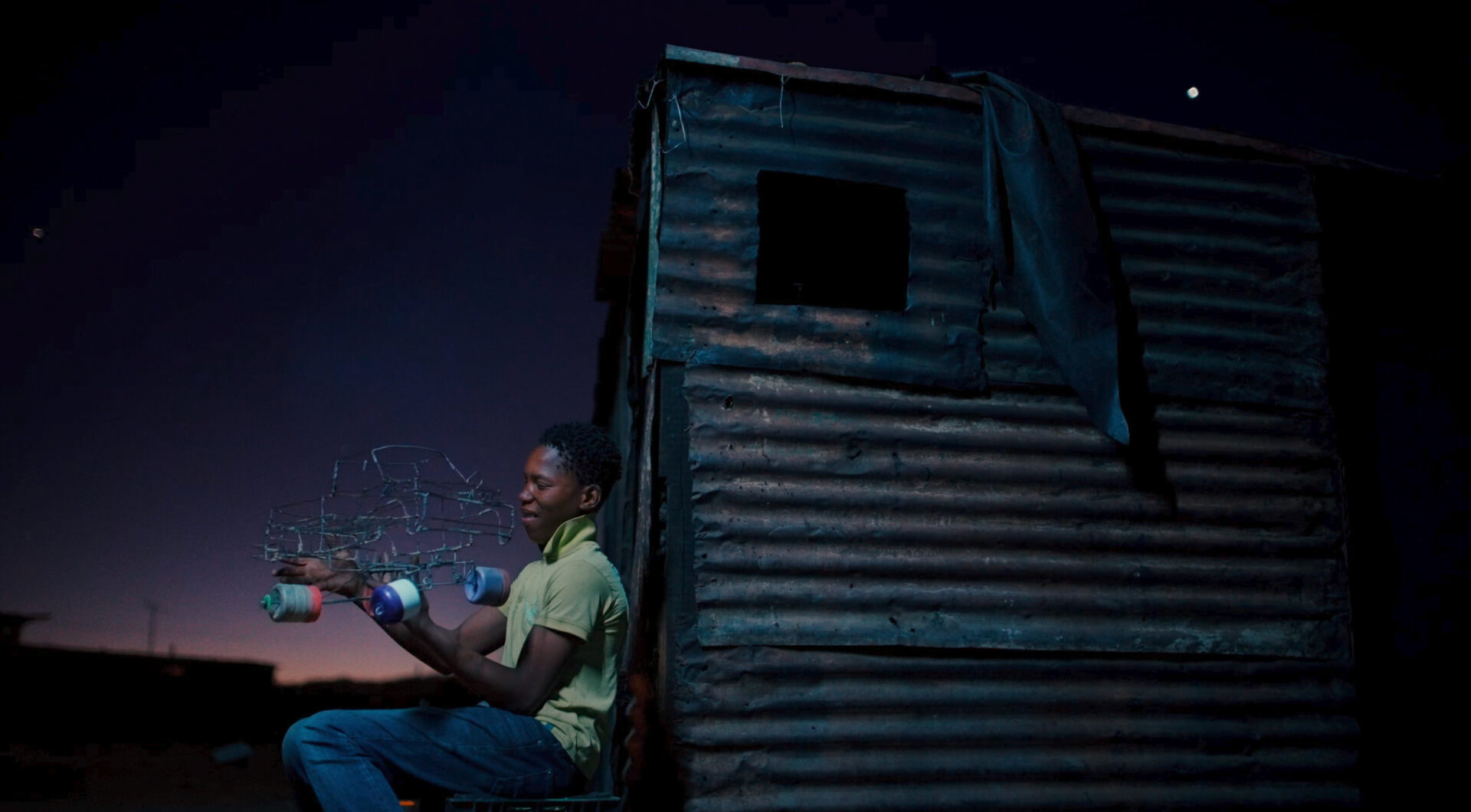
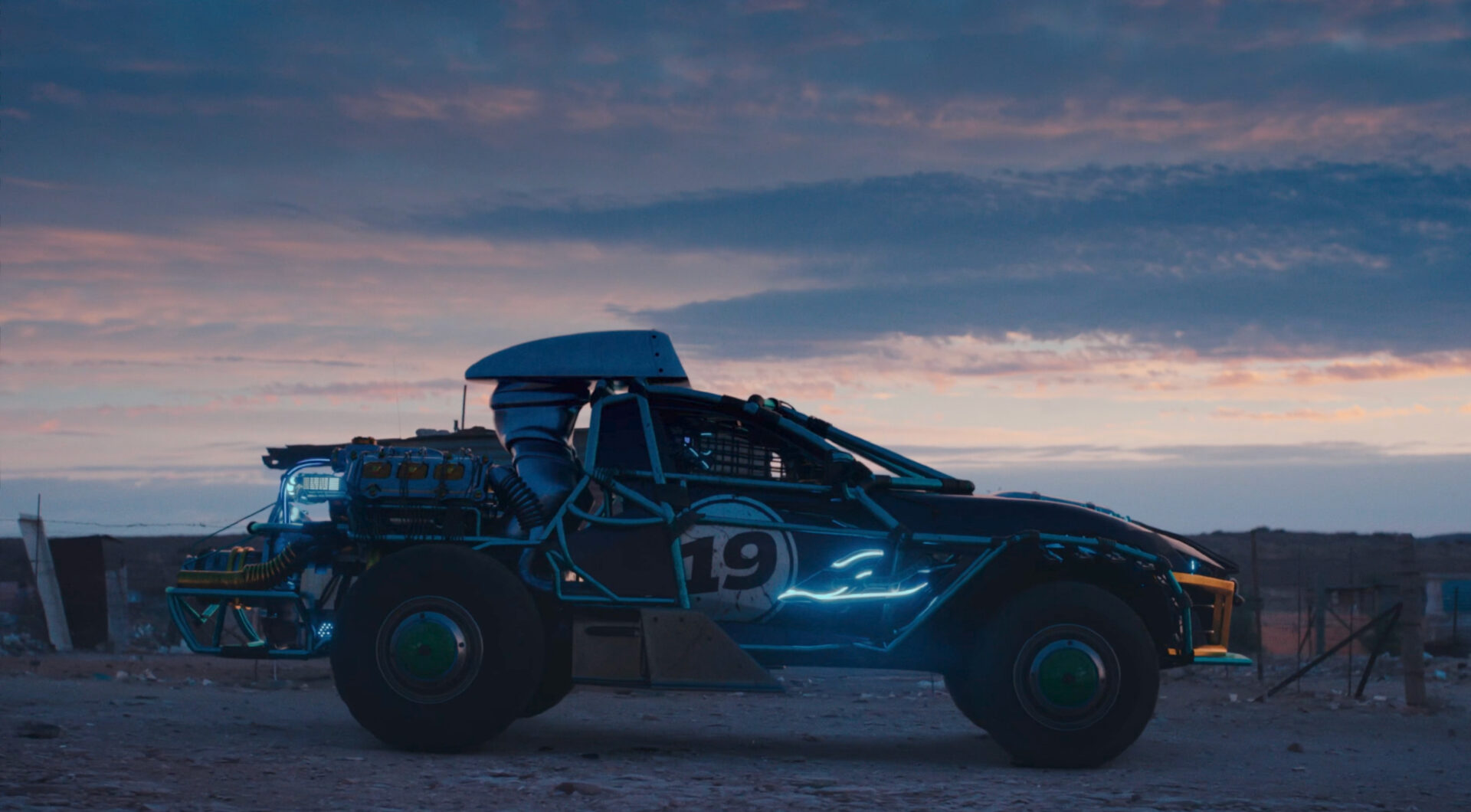
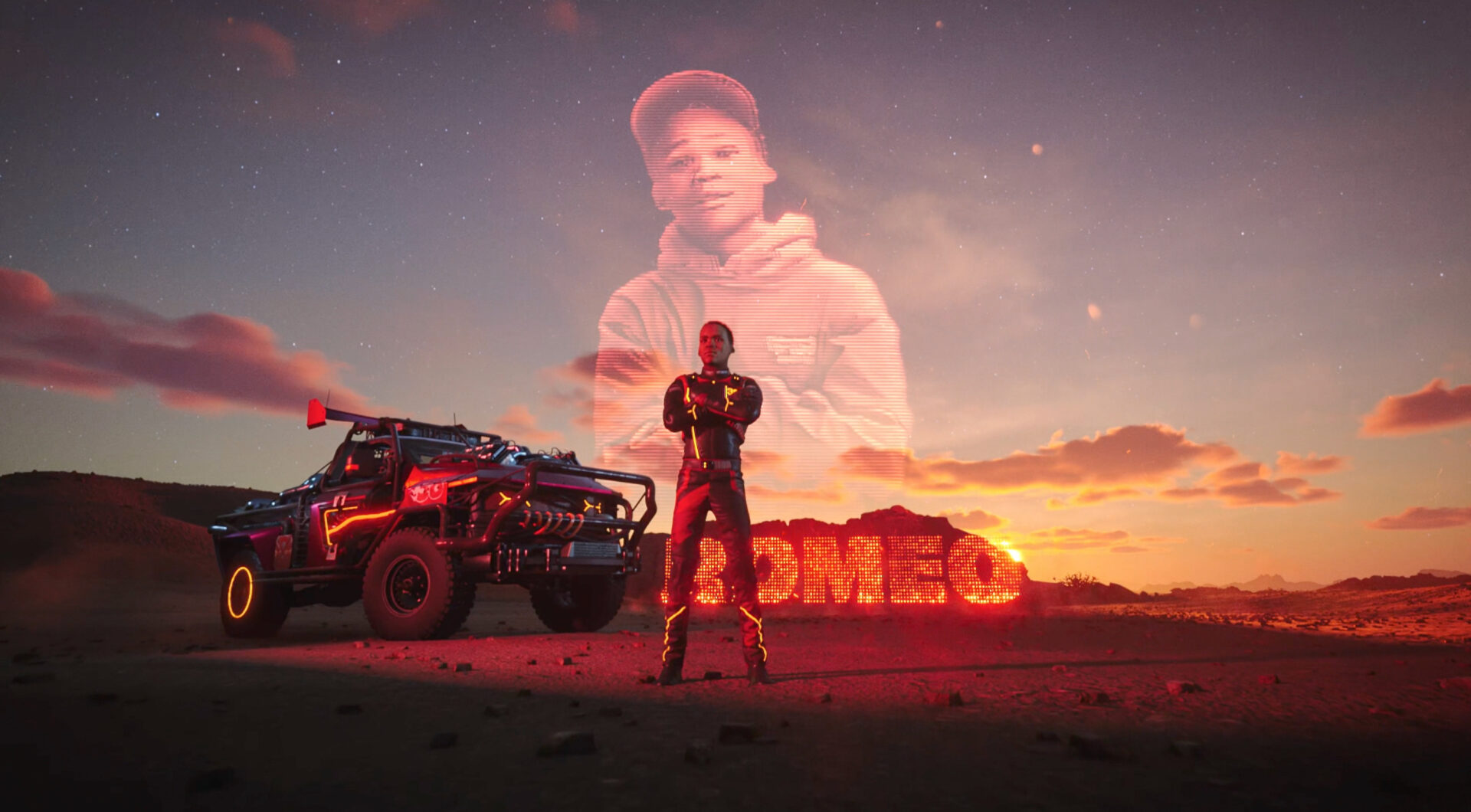
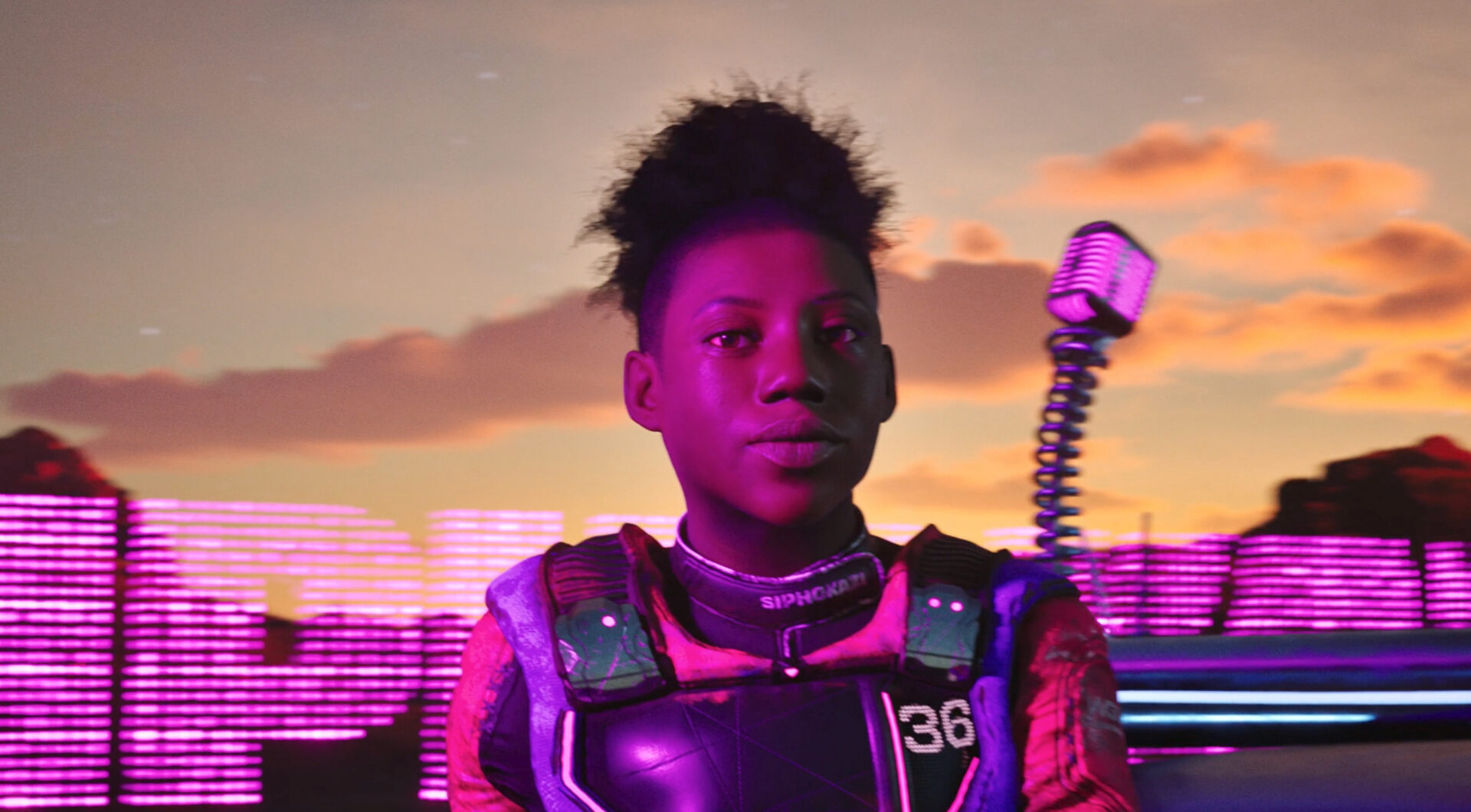
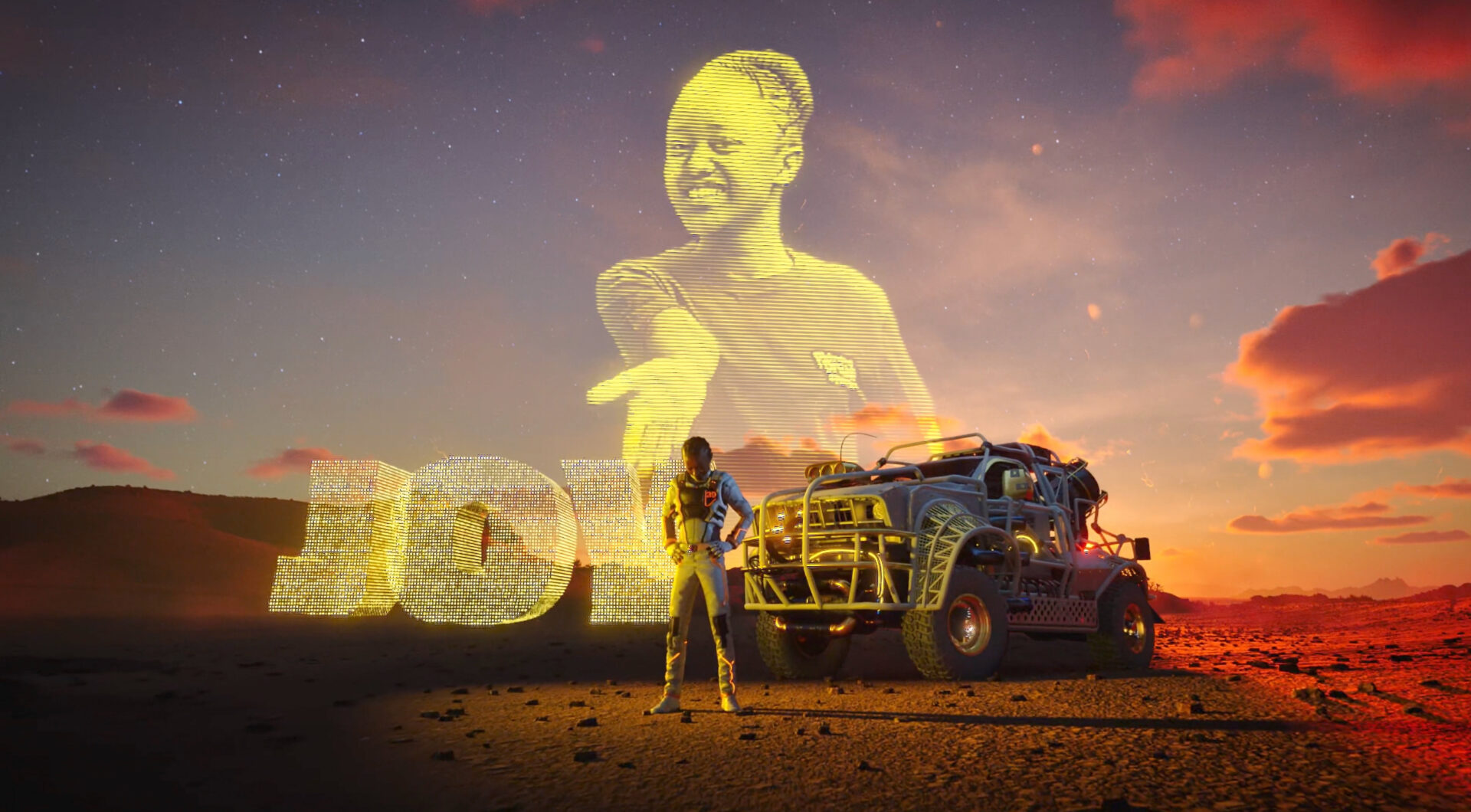
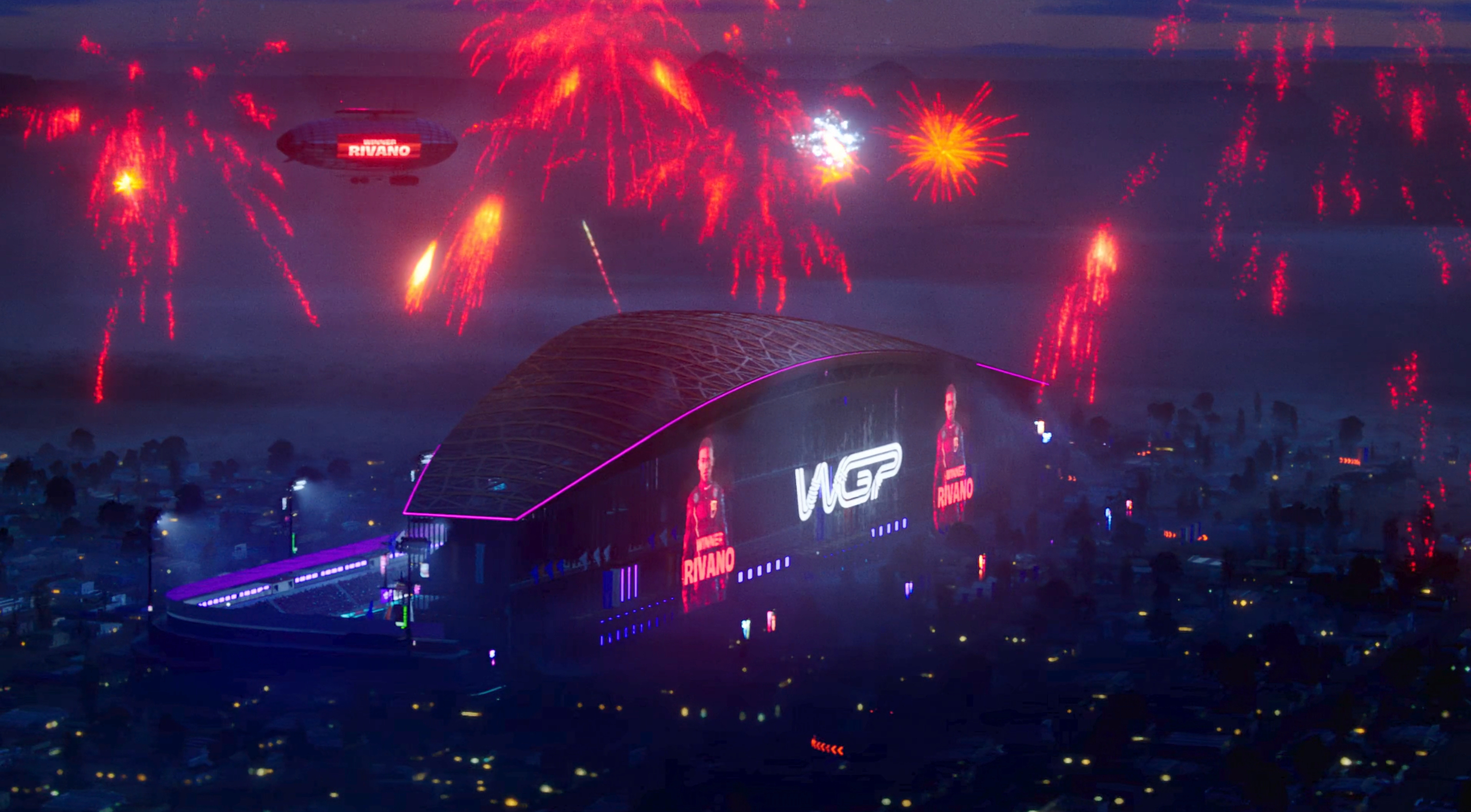
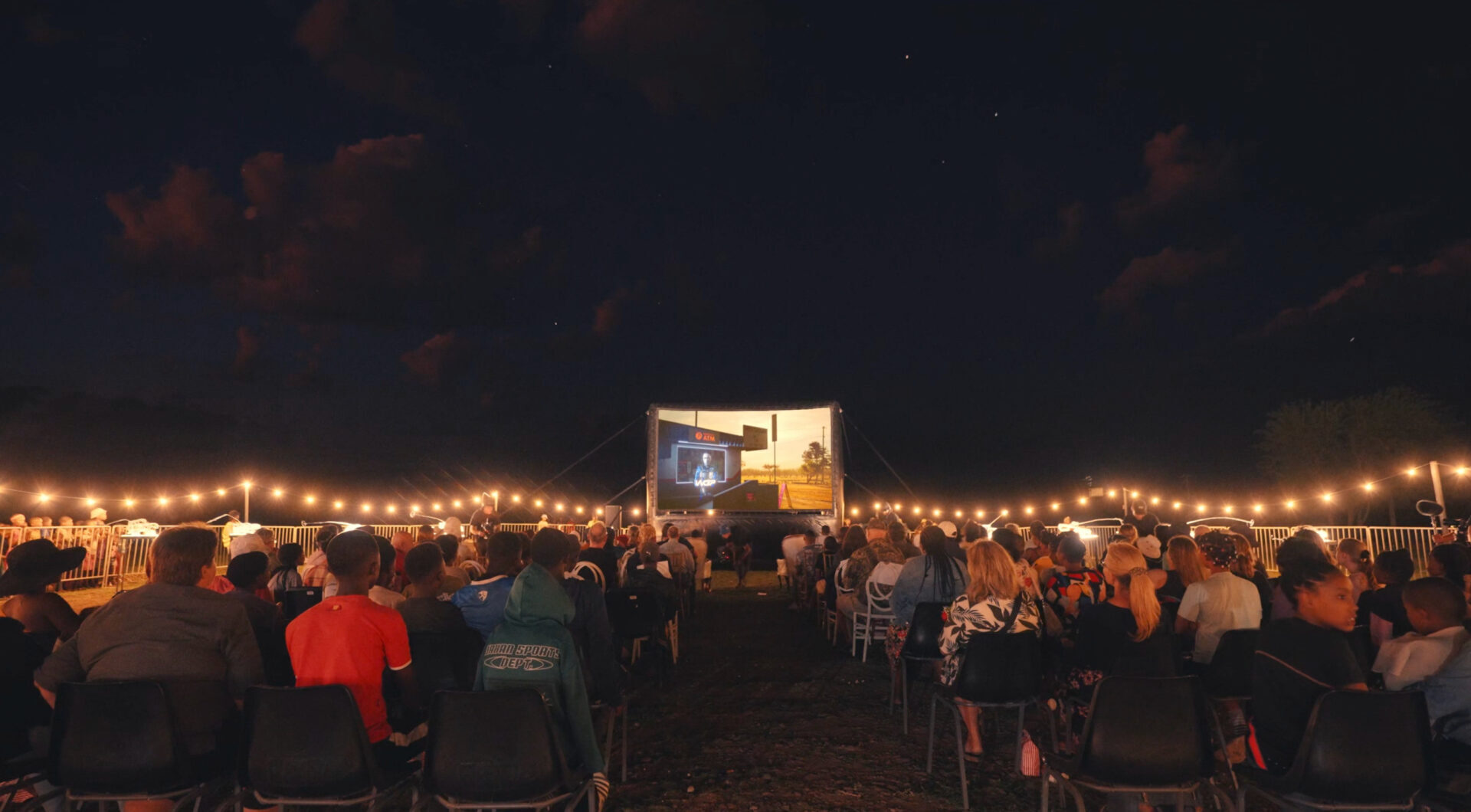
18 months in the making ! What were the main challenges for you? It seems pretty perfect to us on every level, including the original music by Pressure Cooker and Muneyi.
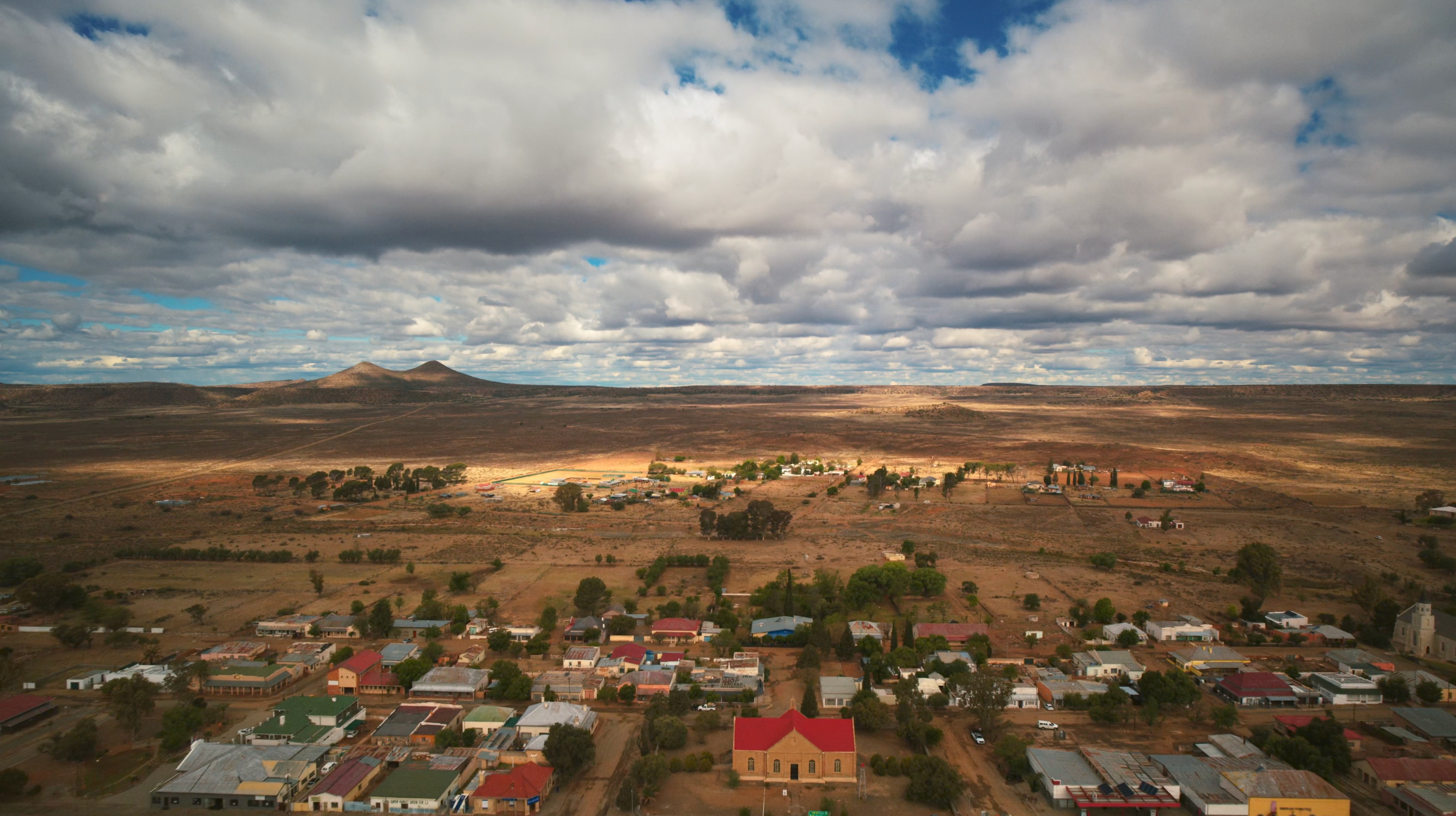
In all honesty there were so many challenges, the scale was immense, the longest I’ve ever worked on a project, adapting to the length was key, as you physically and emotionally can’t approach it with the same intensity as a shorter commercial approach. Logistically it was difficult, being so remote it’s an 8 hour drive from Cape Town, and then every day it’s still a 50min drive to Philipstown and back to the closet town which had accommodation, which wouldn’t be too bad for a 5 day commercial shoot, but for a multi month documentary those travel hours add up.
Then there was the added pressure of creating a film that not only has to do justice to the story and the remarkable children of Philipstown, but if successful can hopefully have a positive impact on the town, the personal weight of the project was very different to any other project I had worked on. But that being said, the challenges are what made the project special, it was felt by me and every crew member involved, from the smallest role to the biggest, I have never seen people give so selflessly to a project. And yes, the music is very special, Pressure Cooker built a beautiful sonic universe with so much soul, and then Muneyi added a magical layer with his magnificent voice, and deep emotional connection to the picture. It was a dream to work with such talented and dedicated people.
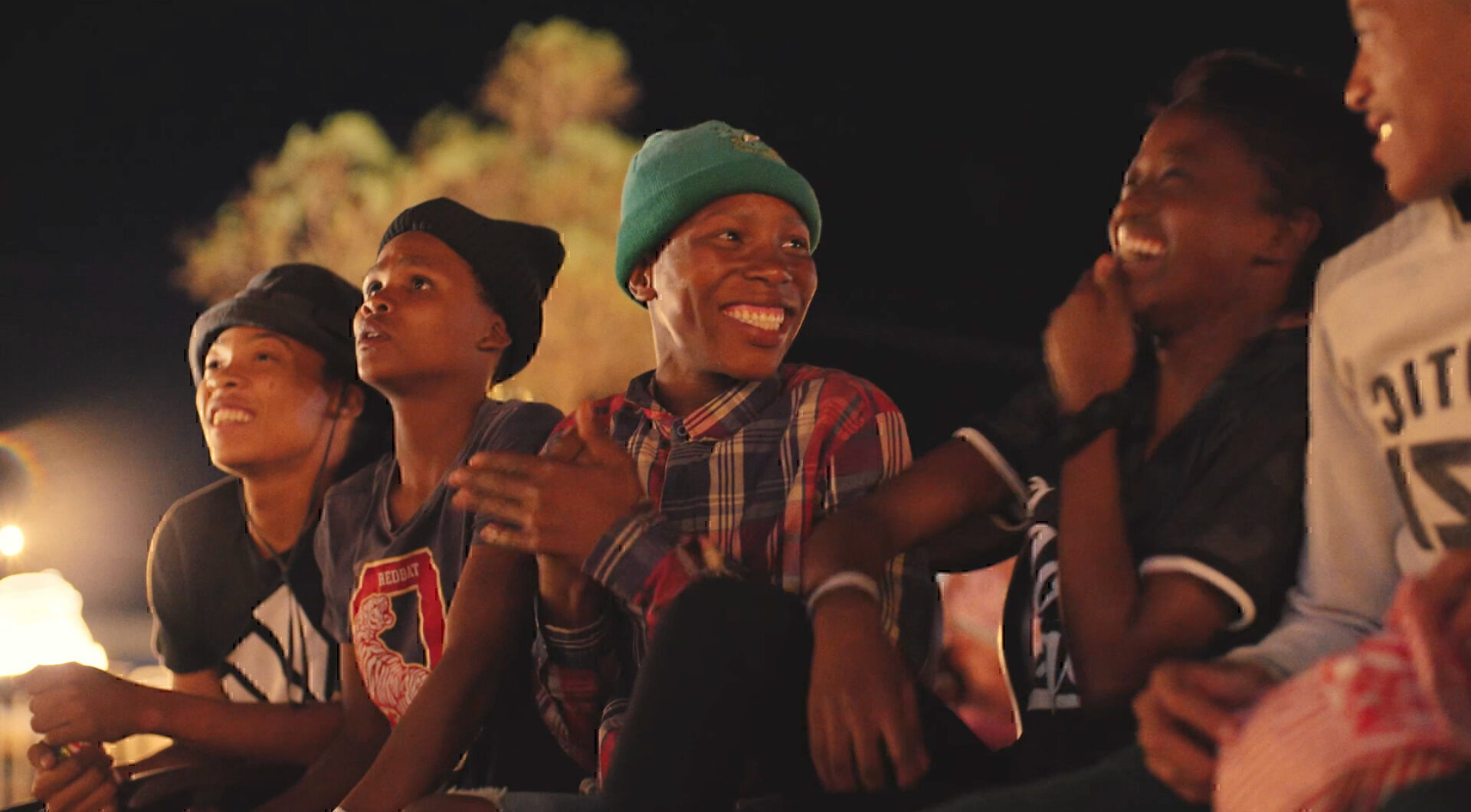
Philipstown WireCar Grand Prix full-length film
Philipstown WireCar Grand Prix mobile game
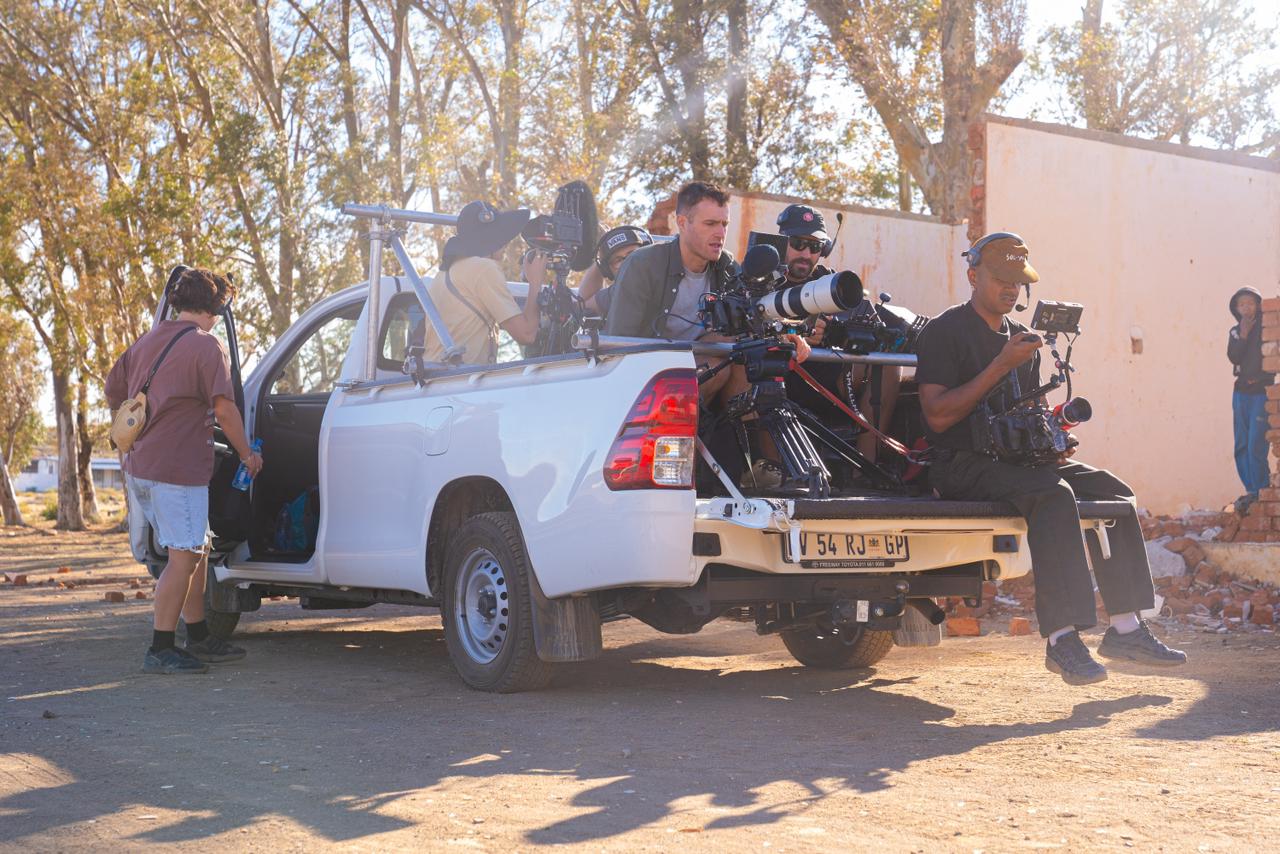


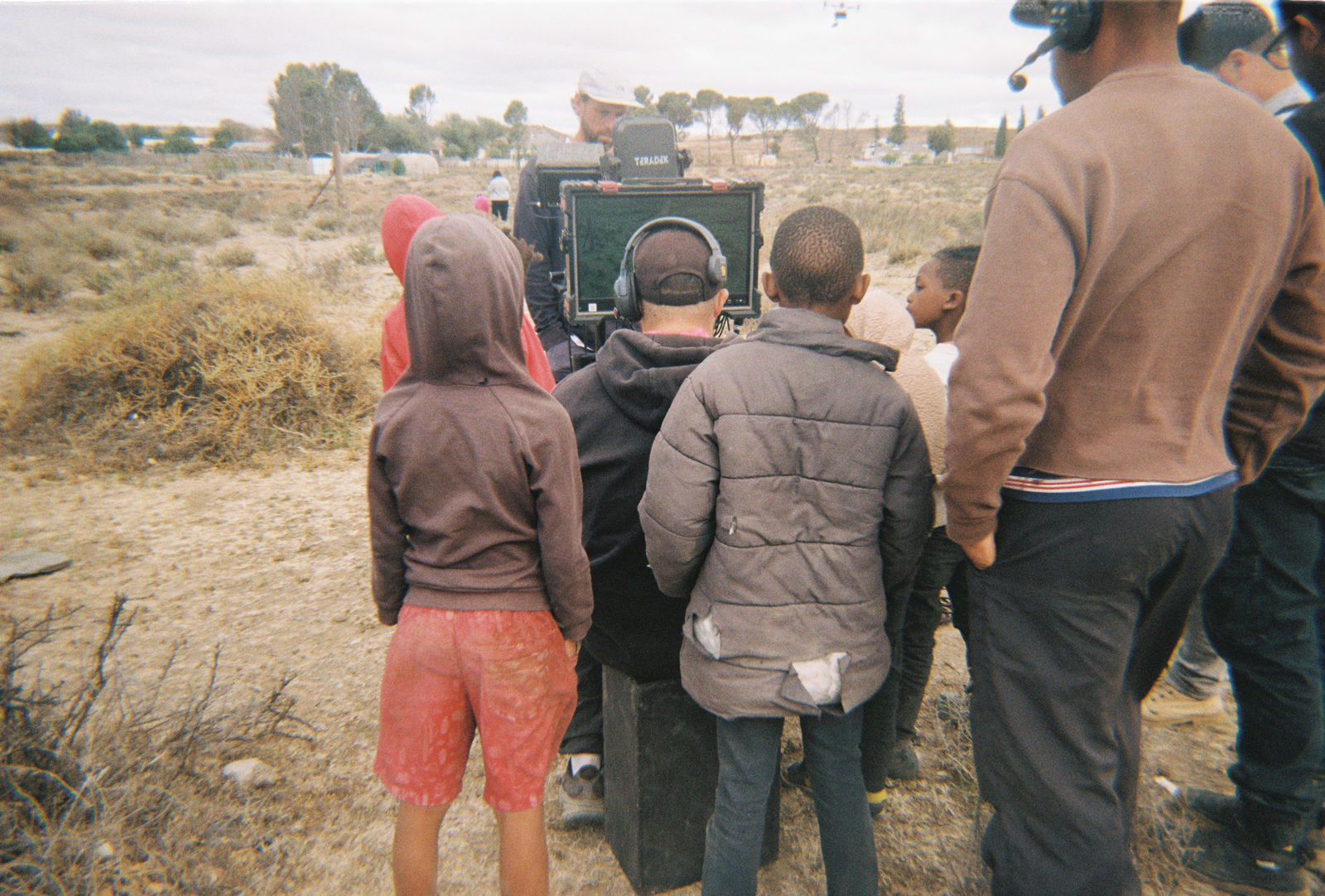
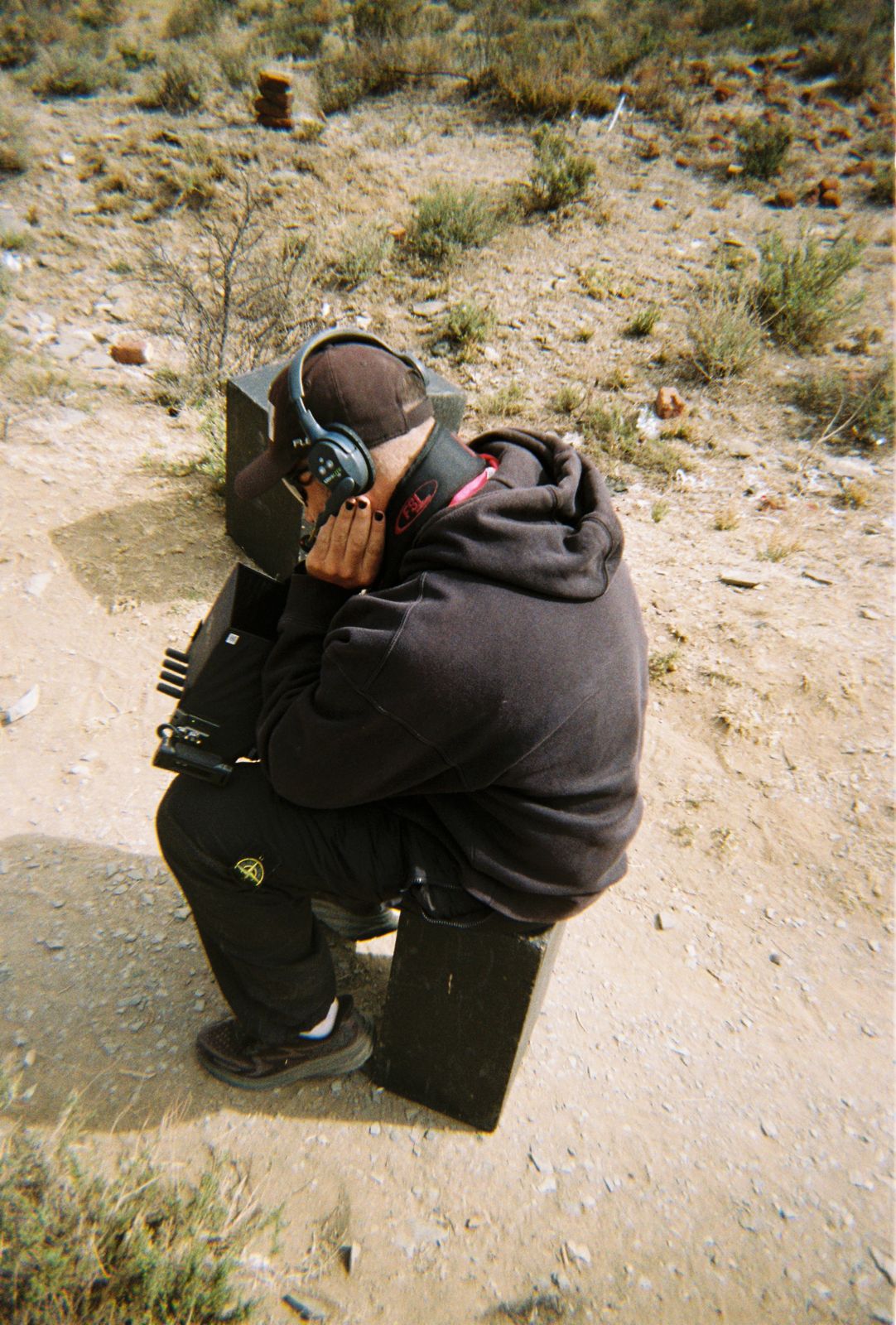
BTS with Paul Ward and crew