Mind Reader
You recently collaborated with musician and artist Alice Phoebe Lou on a trilogy of music videos for her new album, Oblivion. What inspired the series, and why a trilogy?
Alice and I have known each other since we were teenagers. We’d always talked about working together, but the timing never aligned – she’s always worked independently. This album is her first with a label, and she felt it was important to have proper visuals. She messaged me while we were both in New York, unsure of what the aesthetic should be, and basically gave me complete creative freedom.
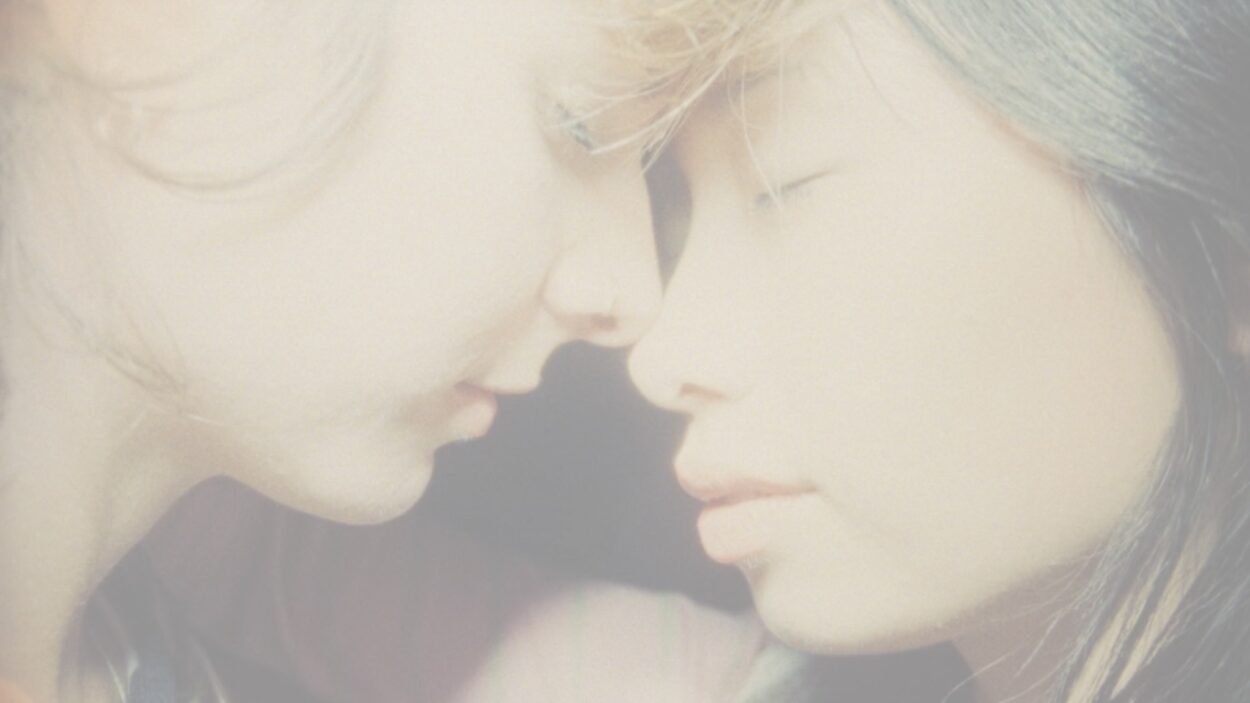
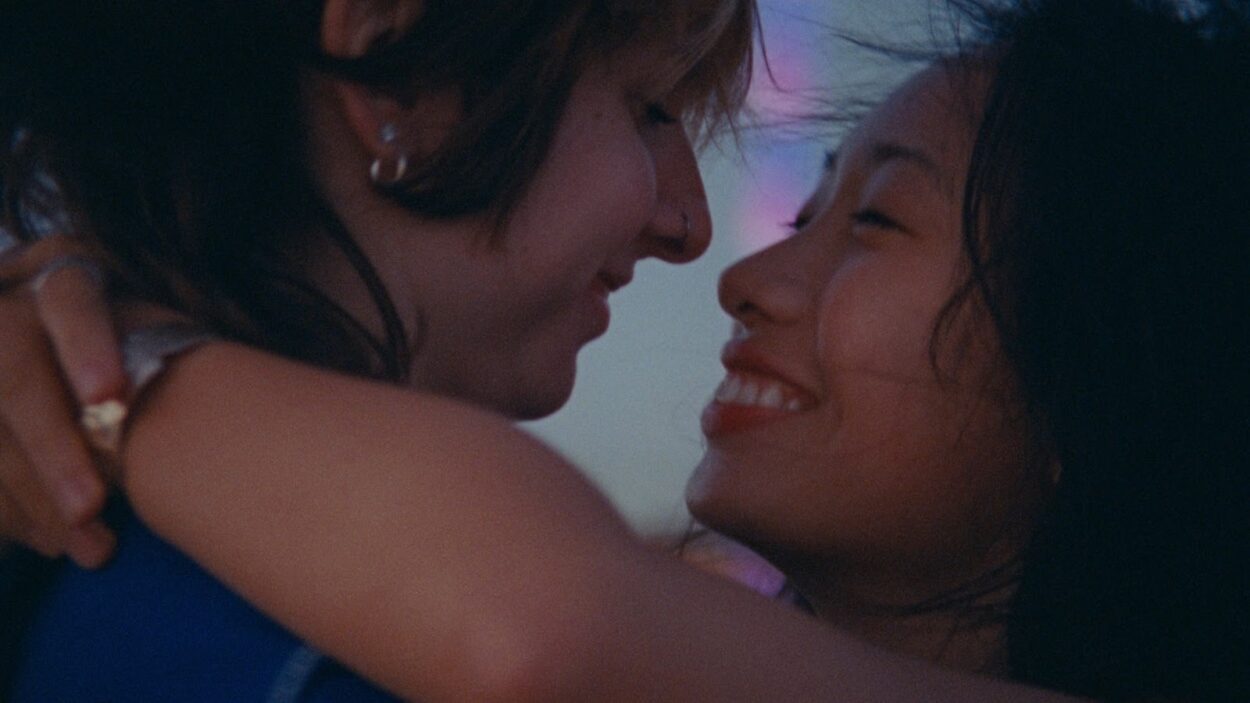
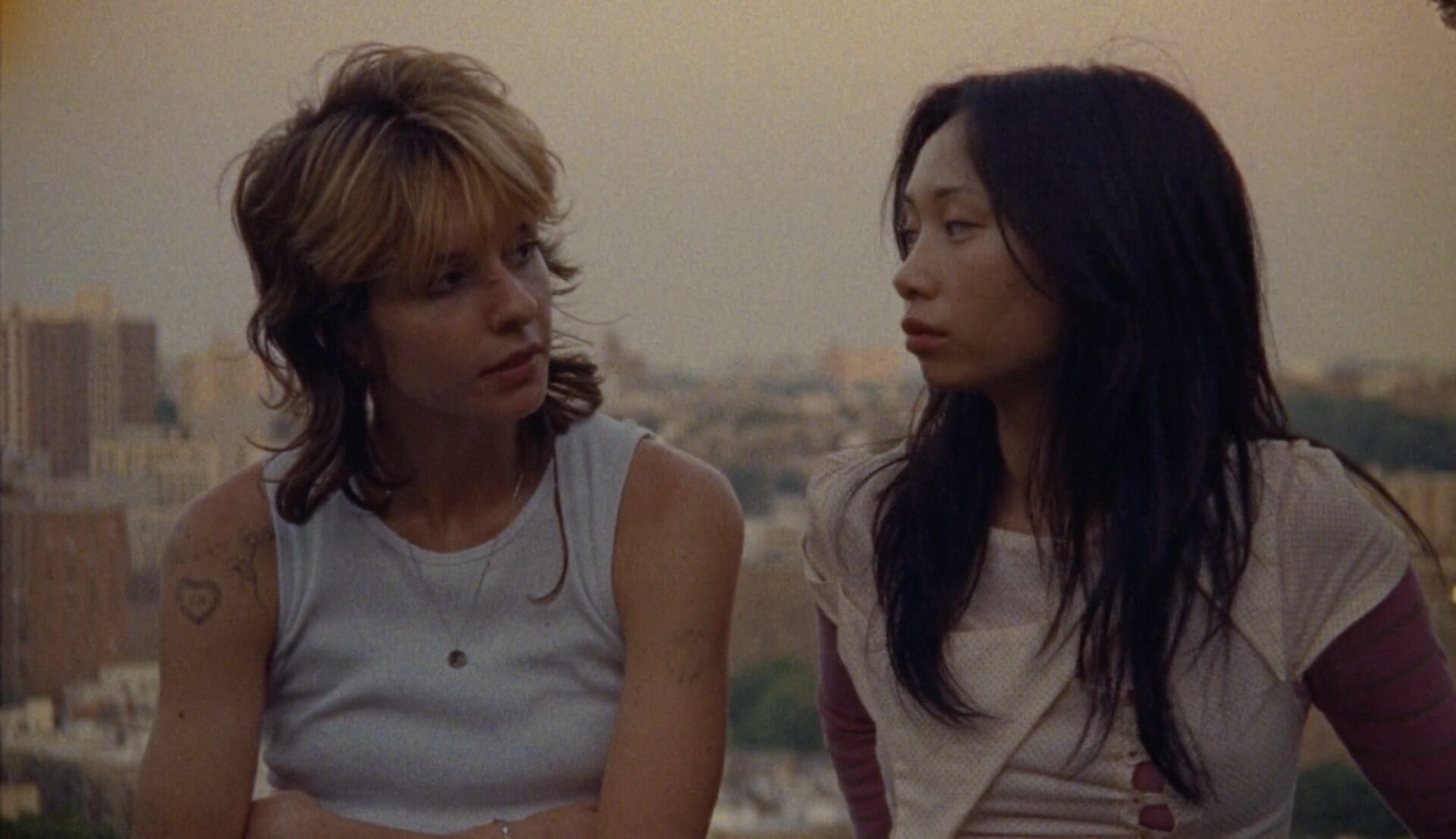
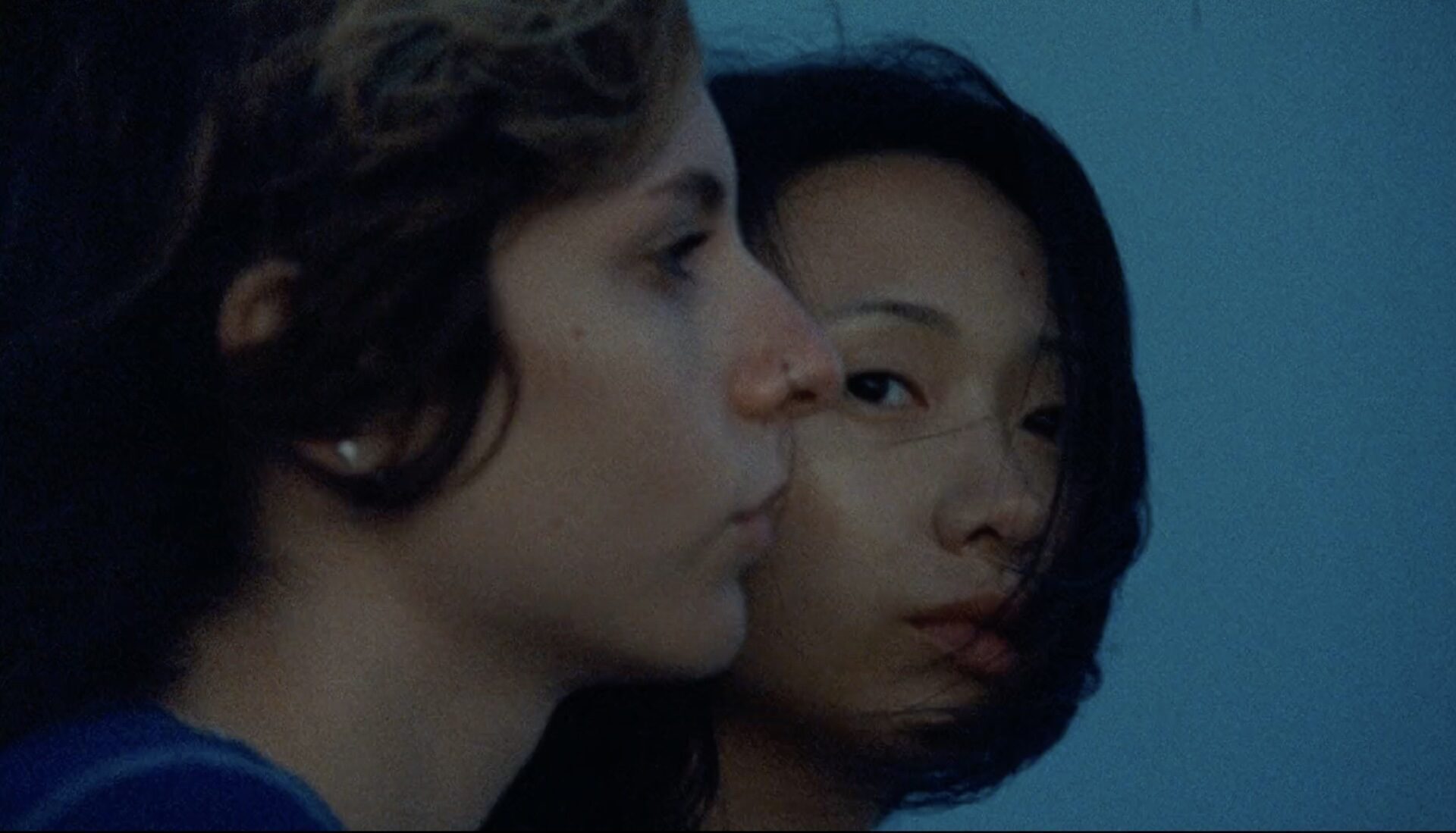
She sent me the whole album and highlighted a few singles, and I immediately felt inspired. I connected with the idea of a trilogy – three pieces loosely linked, each reflecting different emotional states. Being in New York at the time, I was so tuned in to the city: the visuals, the aesthetics, the way people live publicly. Couples fighting, kissing, laughing – everything happens on the street. I wanted the trilogy to feel like a love letter: to New York, to love, and to growth.
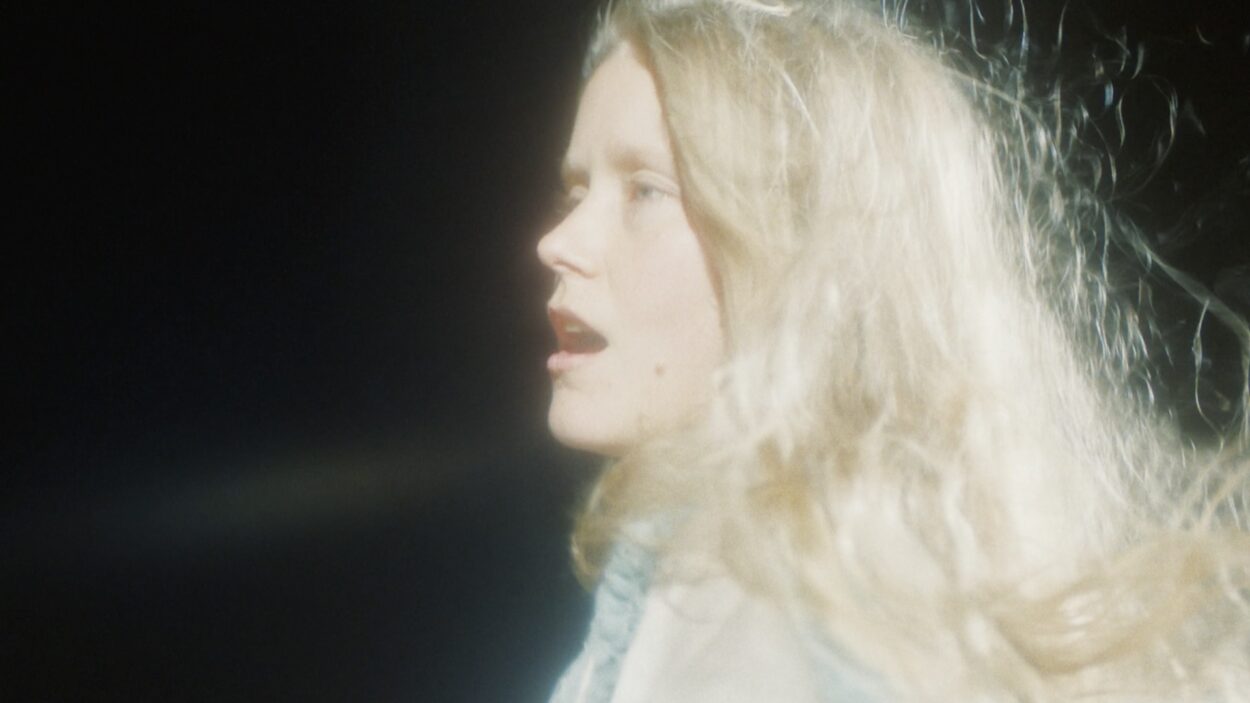
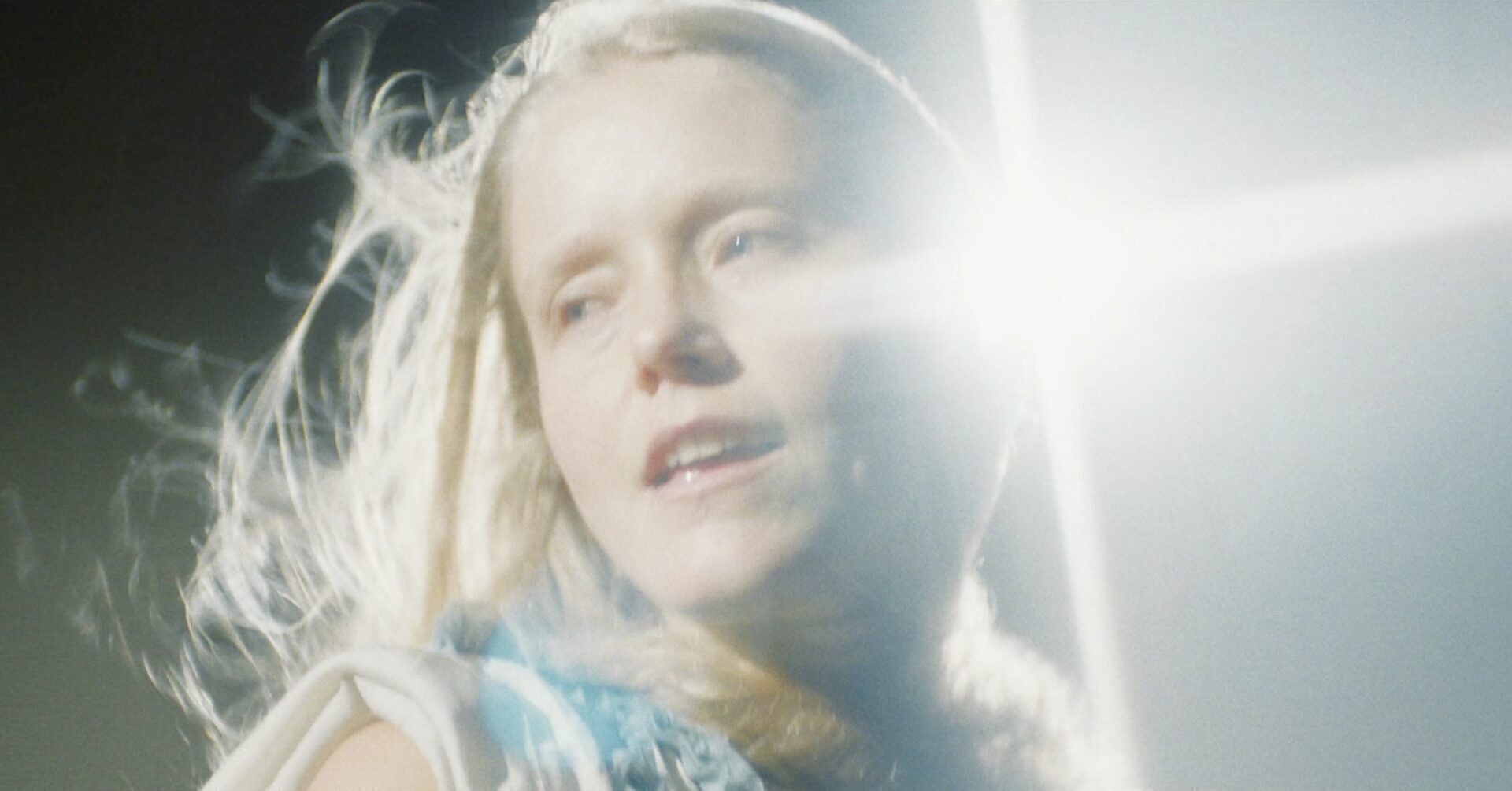
The first two films follow a couple. The final one, Sparkle, is completely different, it’s black and white, a one-shot performance of Alice. It felt right for that song, which is about self-love and personal expression.
How did you approach developing the narrative with Alice?
Honestly, the collaboration was rooted in trust. We’ve known each other for so long and respect each other’s work. She gave me the album with no real brief other than wanting visuals to accompany it. I told her which songs resonated with me, and we let things evolve organically – even in the edit, things shifted.
The lyrics always led the way. The visuals became extensions of the world inside her songs. During location scouting, we’d talk about past relationships and our own New York experiences. That helped ground the emotional world of the films. I wanted the trilogy to show the universality of her songwriting while still capturing her personal journey. That’s why the first two films explore relational dynamics, and the last one is entirely centered on her.
Mind Reader
New York feels deeply embedded in the films. How did the city shape the work?
I’ve just moved to New York, so the city feels incredibly stimulating to me at the moment – visually, aesthetically, intellectually. Seeing things for the first time gives you this sense of clarity, like you’re understanding yourself differently too. New York’s diversity, its publicness, the intimacy and chaos of the streets, it all fed into the trilogy. I’ve always been drawn to travel and enjoy spending time in new environments. My ethos with my filmmaking is to make the personal universal. I’m drawn to very culturally specific stories, often around marginalized communities or subversive culture. And New York is an amazing city to explore different types of stories.
I spent a lot of time watching people, recording small moments on my phone, exploring favourite locations. The city’s vibrancy – the arguments, the tenderness, the eccentricities, they all became central to the storytelling. The first two films celebrate those relational dynamics within the city, and the final one zooms in on Alice alone, grounding that expression in something quieter and more introspective.
New York is so diverse, and that’s been influencing the stories I want to tell. I’m interested in what it’s like for the diaspora in a city like New York. I’ve been having the best conversation with African taxi drivers, bodega owners, other filmmakers, and artists.
Casting is essential to the first two videos. How did you find your couple?
I love working with non-actors. Authenticity is so important to me. We auditioned extensively, and I knew I wanted a real couple, people who felt open, warm, and real. Emma and Izzy were perfect. They’re actually YouTubers and they’ve been friends for years and only recently became a couple. They had this natural chemistry that felt honest and alive on screen.
Did you storyboard the films in detail, or let things evolve on set and in the edit?
I love storyboarding and shot-listing, it’s a big part of my process. I had a detailed plan, but I also built in flexibility. I wanted room for improvisation and happy accidents. The goal is always to prepare enough so that you can remain malleable on set. That’s where the real moments emerge.
Mind Reader
You shot the trilogy on film for the first time. How did that shape the process?
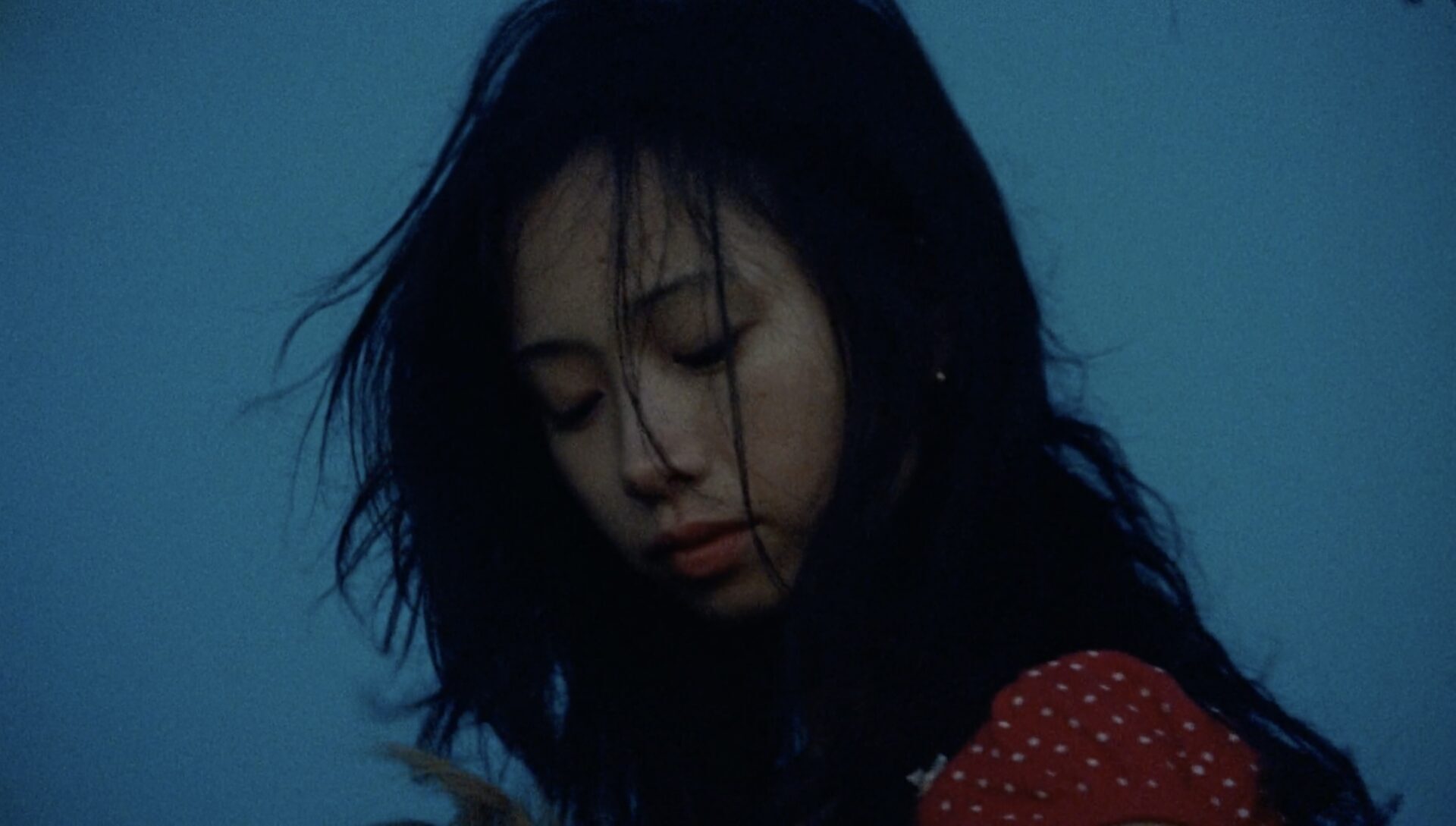
Shooting on film was transformative for me. I’d always wanted to do it because I love the romanticism of film, how it captures colour and natural light, how it demands intention. But it’s also nerve-wracking. Two to three takes max. I kept checking exposure with my cinematographer, but ultimately we had to trust the planning: stock, light, time of day.
When the footage came back, I was really happy. I graded it with a South African colourist friend who now lives in New York, which made it feel like this beautiful moment of South African artists finding each other again in another city. The process reignited my love for film, and now I want to shoot on film all the time, including in commercial work.
The final video, Sparkle, diverges stylistically from the others. What informed that decision?
Sparkle is a very personal song, it’s quietly empowering, so it needed a different approach. It’s black and white, and done in a single take, with just Alice performing. It’s raw and focused. After exploring relational dynamics in the first two films, ending with a piece centered entirely on her felt like the right emotional closure, it’s a return to self, to expression, to honesty.
Sparkle
Your move to New York has clearly influenced your work. How is the city shaping you creatively?
New York is invigorating. Meeting so many creatives at once opens you up to different stories and different ways of seeing. And being exposed to so many voices has strengthened my own. It’s energising and clarifying. It’s giving me drive and passion to grow.
Where are you creatively at the moment?
I’m focusing on storytelling and performance. I come from a strong visual background, focused on colour, composition and aesthetics, but I’m pushing myself into acting, theatre and writing. I’m taking classes to better understand performance so I can better direct it. It’s about flexing new muscles, deepening my understanding of emotional truth, and bringing that into both personal and commercial projects.
With this trilogy, I want people to feel the intention, the performances, the emotional world behind the visuals. This trilogy reflects where I am as a director right now, instinctual, collaborative, and deeply inspired by the environments and people around me. It’s work that feels alive and honest, and I hope that comes through.
Mind Reader