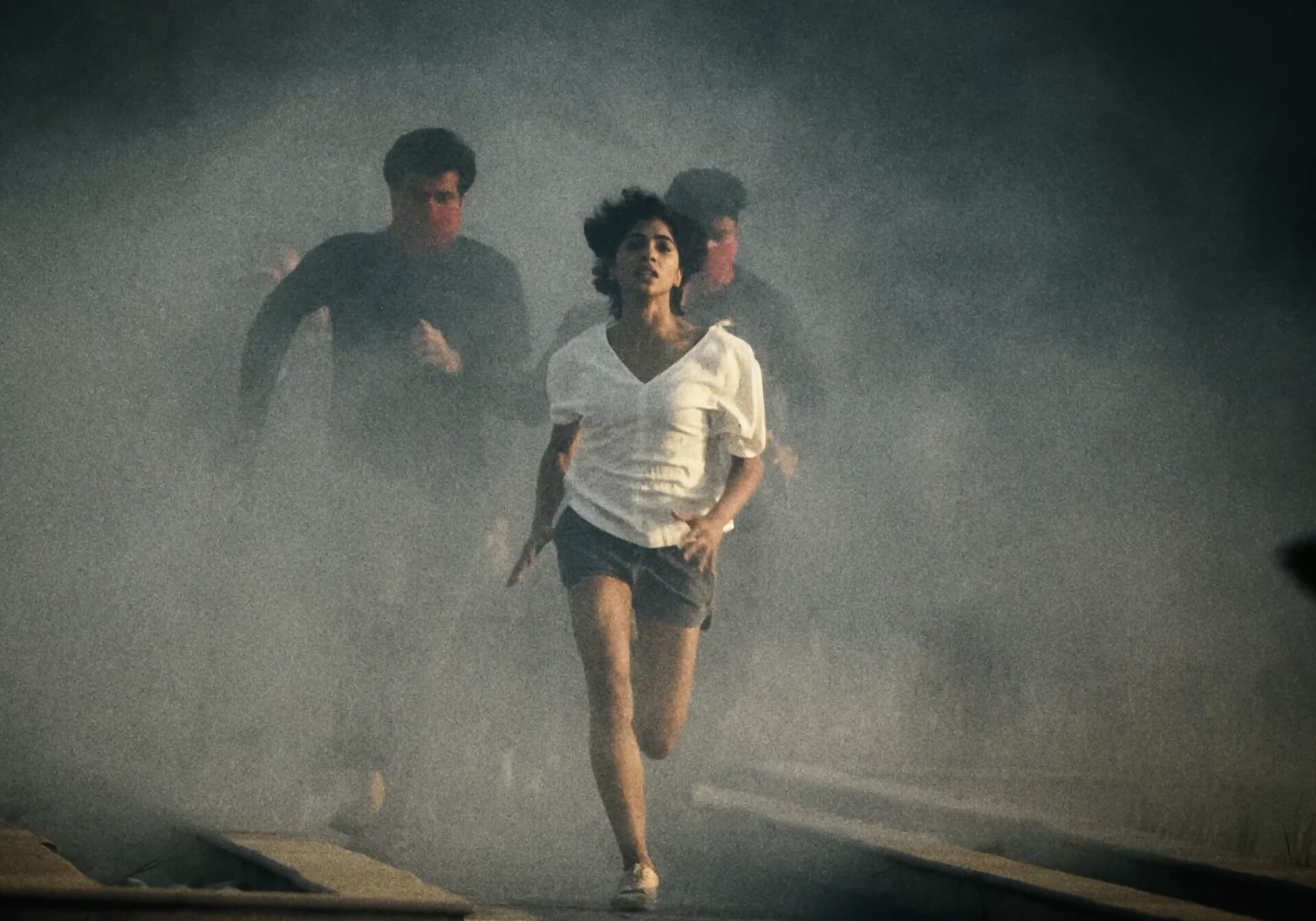
Your film Femisphere began as a personal project —but how did you get it started and when did you first feel it becoming something much bigger than that? When did you realise you weren’t just making a spec film anymore?
Getting this idea off the ground felt like an impossible gamble. It was one of those situations where almost everybody told me to drop it and do something else. I was constantly advised to make something that would benefit my reel, bet on what I know, and go the safe route — which is actually great advice.
It was exactly when I ignored all of it that the project stopped being a spec piece and became a personal mission. From there it snowballed – the team, the commitment, the stakes.

You’ve said the idea first sparked during time spent in India. What specifically triggered the first thread of the film?
I thought I had a very clear idea of what I wanted to do before I went to India.
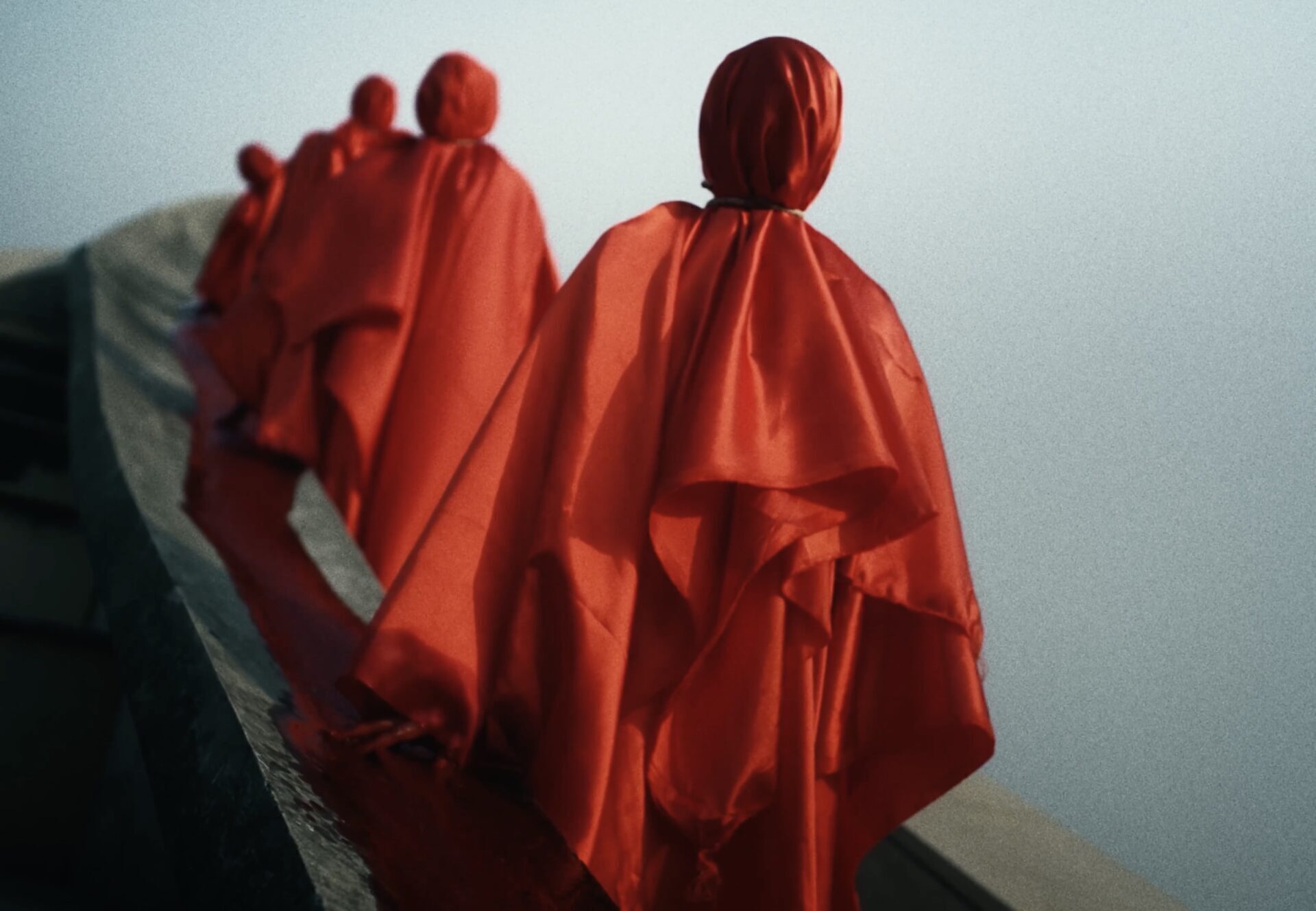
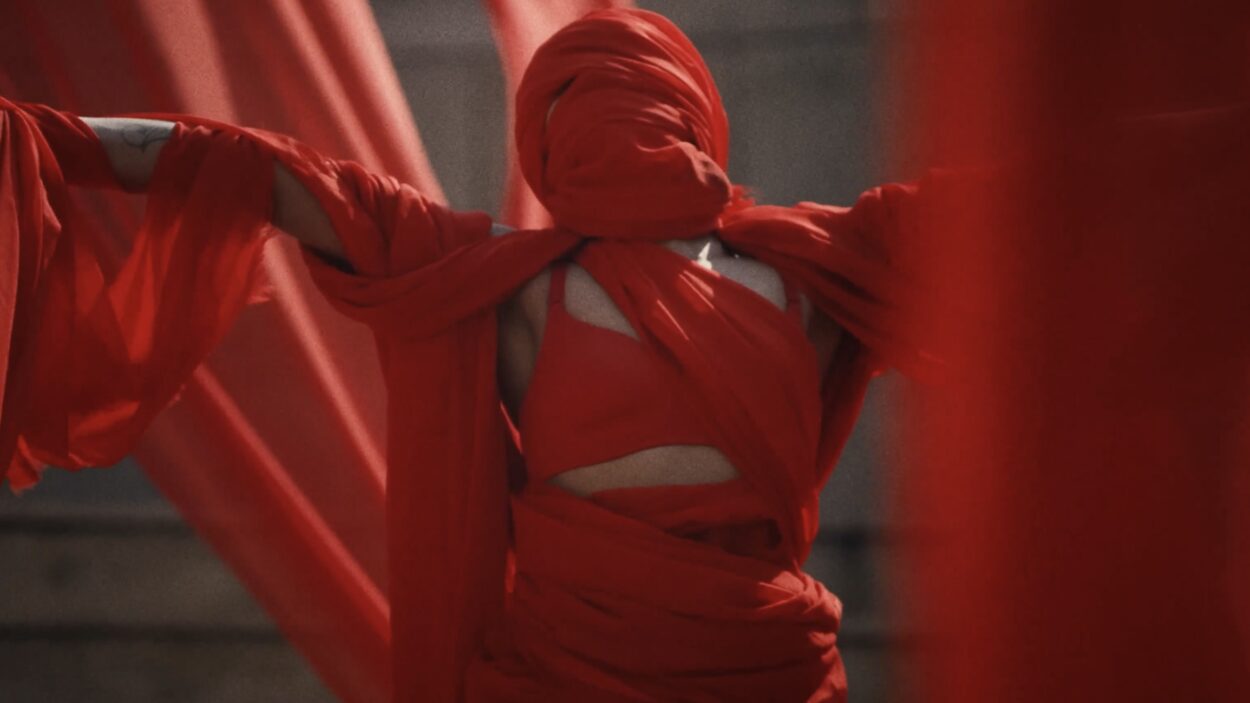
But India rolls over you like a beautiful freight train of weirdness, wonder, and magic. Feeling super inspired by the amazing people I met, the richness of impressions, the flavors, the pain and relief, the colors, and the intensity of it all, I changed the script entirely in favor of a more stream-of-consciousness approach.
The film as a whole is a product of some mesmerizing team spirit, a hands-on mentality, last-minute improvisation, nearly – but never really – giving up, and many nights spent laughing over chai.
Domestic violence is so often invisible, ambient, silent. What made you want to create something that deliberately opposes that silence?
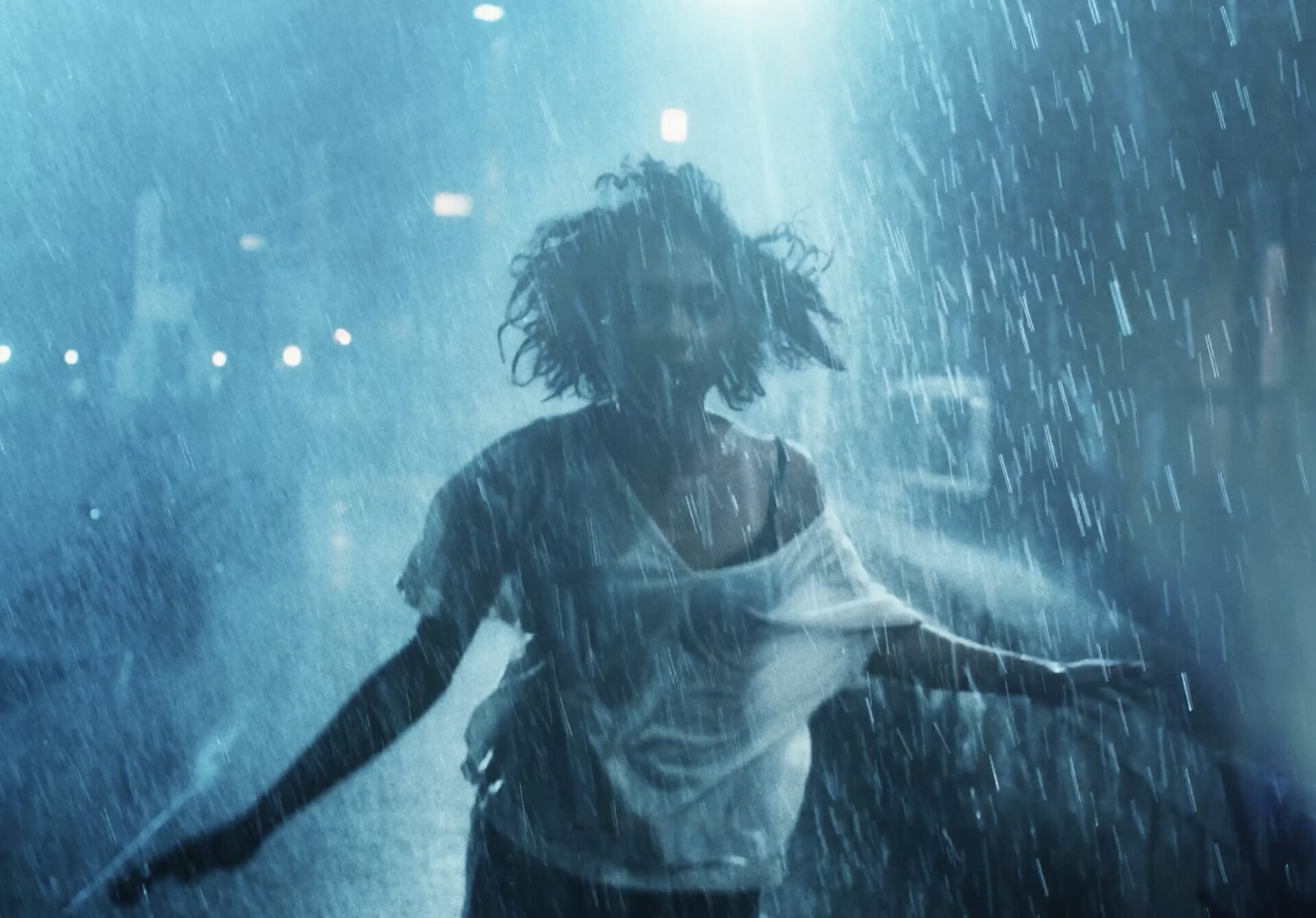
The subject of the film is deeply personal to me. The pain of abuse is immense and can be all-engulfing, but in my opinion it is not a defining characteristic. I wanted to tell a story of a survivor without making her a victim. Our hero, played by the wonderful Krithika Iyer-Graham, never is. She is fierce, tough, badass, and an unending source of relentless life. Now that’s a defining characteristic.
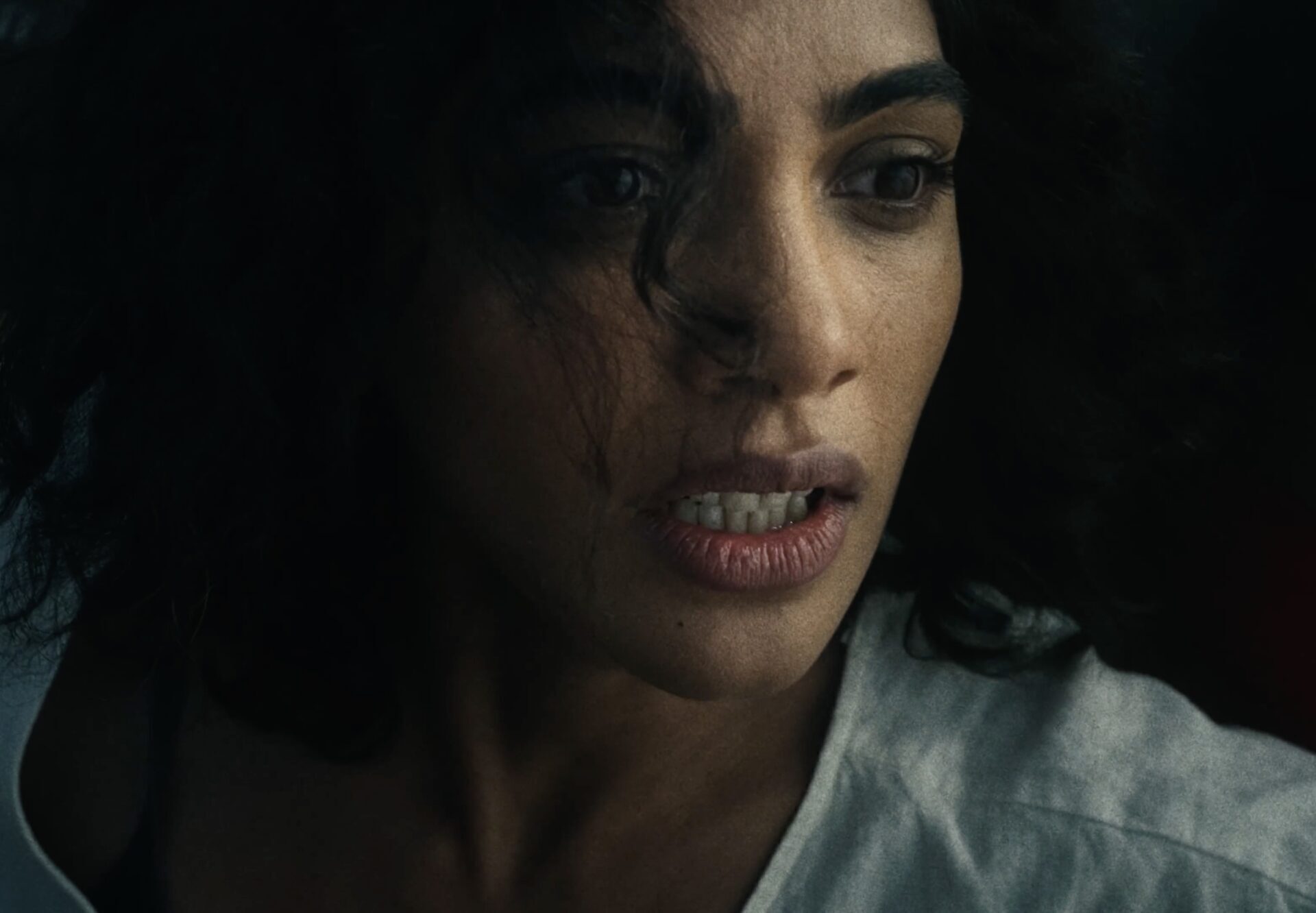
The production feels complex and big. Was it? This film seems to have pulled in collaborators across time zones. How did you build a team around something so emotionally charged?
Incredibly, this all started with me cold-calling India about an idea I had. It felt like the longest shot in the history of desperation pitches. But somehow, dotfilms.co were on board from the get-go, and we went from an awkward Zoom call to a huge production within nine months. I am still in shock that we pulled it off. A key factor was definitely the immense trust we had in each other and the friendship we built right from the start. I also think there is a special kind of wake that’s created when people are truly committed to something. It attracts more and more talent, builds up, and soon enough becomes almost unstoppable. That, and an ungodly amount of luck, must have helped push us over the edge.
We loved your spec student film Donate Life – The Giving Dead from two years ago. Tell us what’s happened since …
I made a bunch of more cool films, shot a pilot for a fantasy series, got a dog and was signed by the coolest production company on the planet – Hungryman.