Director's Works
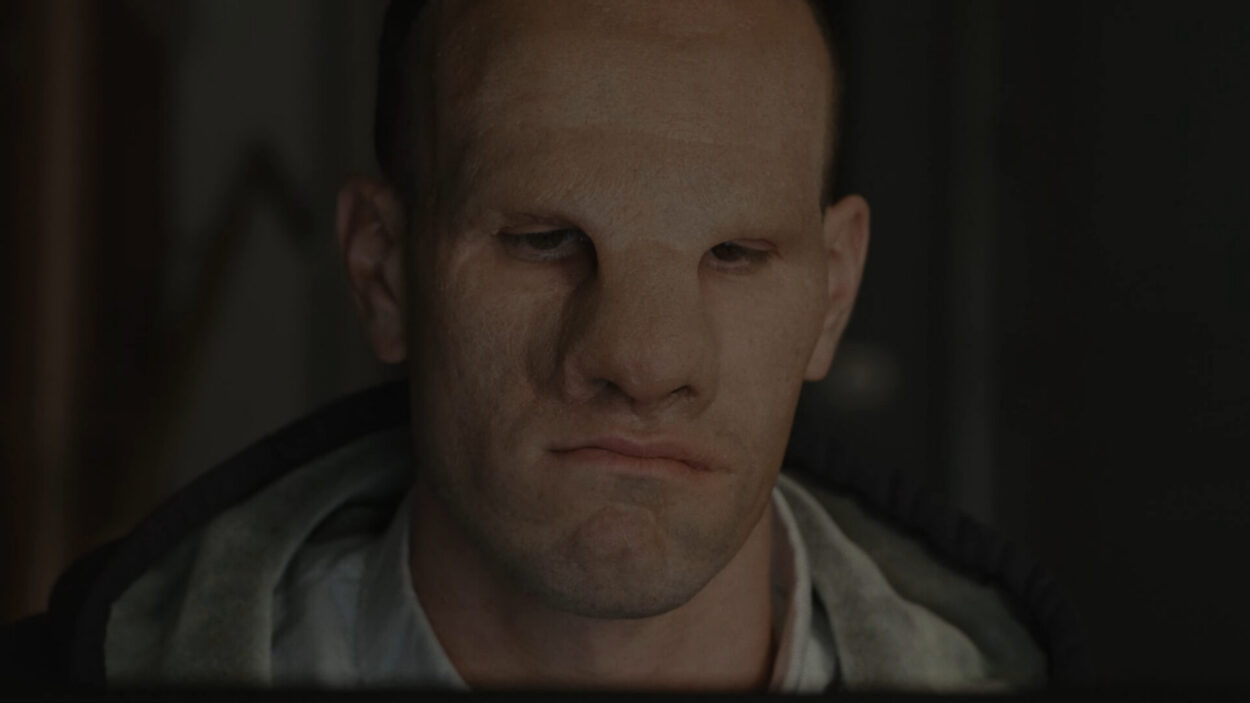
Ceri Wax, Solo 2 Enea Colombi
Enea Colombi is an Italian director, born in the Po Valley province far from the chaos of the cities. A rising talent in Italy and internationally, he began his career at the age of 16, making his first music videos for the Italian rap scene. He now works for international brands and major national artists. Most recently he won a UK Music Video Award for the video "Sea of Trouble" by Italian pop artist Aries, becoming the first director to receive this recognition nationally. He has received awards and nominations for commercial and digital ADV at major industry festivals and online reviews, such as YDA (Cannes), 1.4, Director's library, Director's notes, Vimeo Staff Pick, Shots Awards, YoungGuns(NY) and Berlin Music Video Awards. The natural environment and the symbiotic relationship between human relationships and the surrounding nature influence Enea's work and style, generating a narrative world based on a certain magical realism. Art, fashion and film have always been the three pillars of his work, which he weaves into his commercial, music video and narrative projects. He recently finished his first short fiction project, a dark fable set on the banks of the Po River. "The Day After" is his debut short film.
This project stems from a personal experience. After recovering from an illness that had changed temporally my appearance, losing hair and weight, I was unable to meet people in real life .
Internet and Chatroulette became my only window to the world. But the very first person I encountered called me a “monster.” That word hit me like a verdict. It felt sewn onto my skin, as if it defined me. A single word that carried the weight of rejection, fear, and otherness.
This music video was inspired by one of the digital phenomena that marked an entire generation: the world of random online encounters (Chatroulette + Omegle). These platforms began with noble intentions and eventually collapsed under their own contradictions. For a while, though, they offered a space for escape, for discovery, a place where one could adopt a second identity or simply be themselves.