Dasha Deriagina, pictured above, is a Ukrainian producer working across music video, film, fashion and commercials. Based between Kyiv, London and Los Angeles. A decade of work spanning Stromae, Muse, Stormzy, Wizkid, Phoenix, Beth Gibbons, Paloma Faith, Bring Me The Horizon, Moncler and Highsnobiety. She is Executive Producer at Abyss Digital Studio, Creative Producer at Mutabor Practical Effects, and manages the Ukrainian artist Cape Cod. A longtime juror at the 1.4 Awards.
Guest Curator: Dasha Deriagina

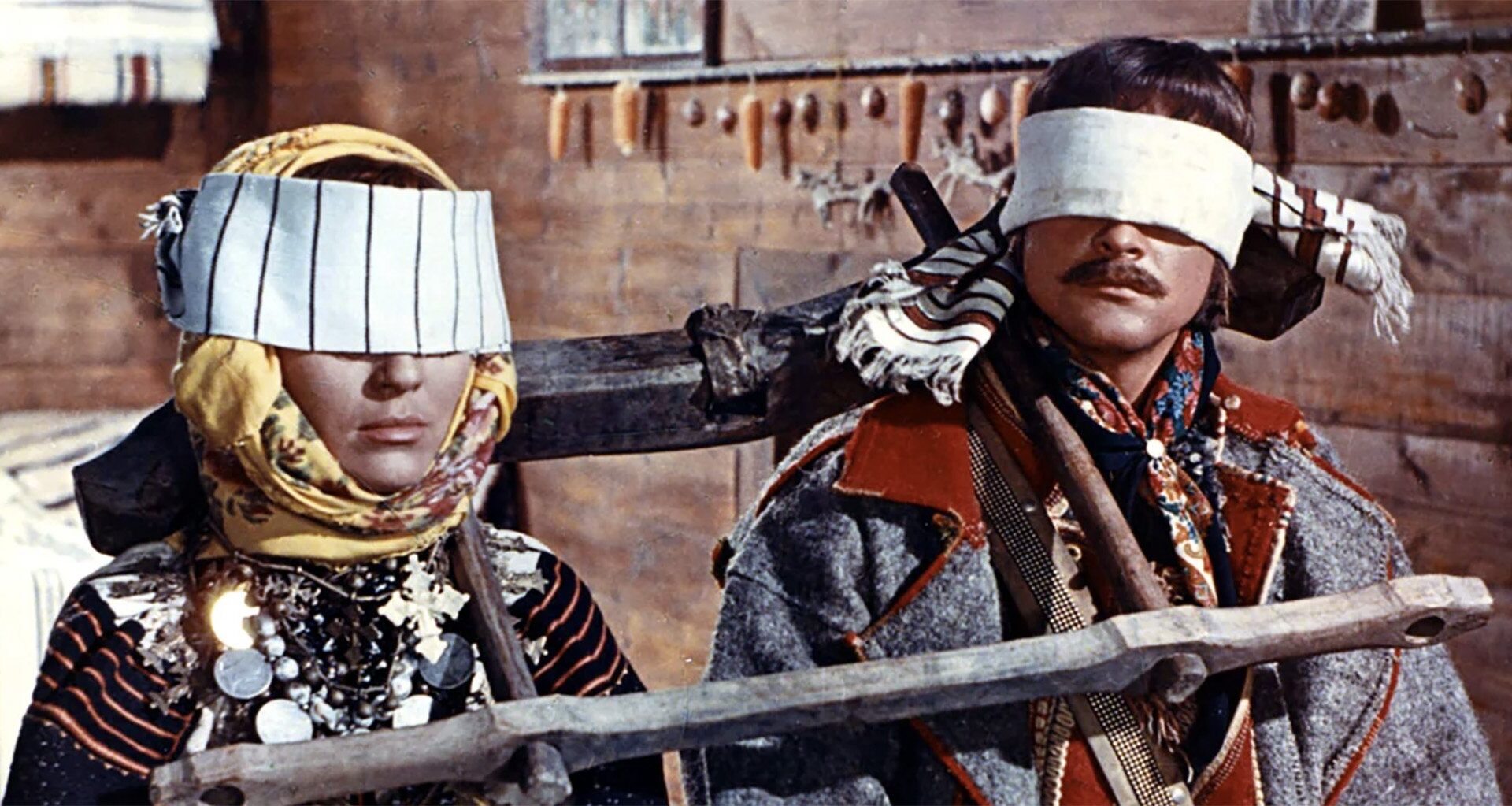
Shadows of Forgotten Ancestors (1965)
Parajanov's adaptation of Mykhailo Kotsiubynsky's 1911 novella sits at the root of Ukrainian poetic cinema and, for me, at the root of my own cinematic imagination. It's a Carpathian Romeo and Juliet told through the Hutsul world: blood feud, forbidden love, grief that refuses to leave the body. What makes it extraordinary – the way Parajanov replaces realism with ritual, folk song, hallucinatory handheld camera, costume and colour so saturated they carry the narrative on their own. The film was shot in the Hutsul dialect of Ukrainian, and Parajanov famously refused to dub it into Russian, which cost him dearly. To watch it now is to remember that Ukrainian cultural language has always been its own, and always worth fighting for.
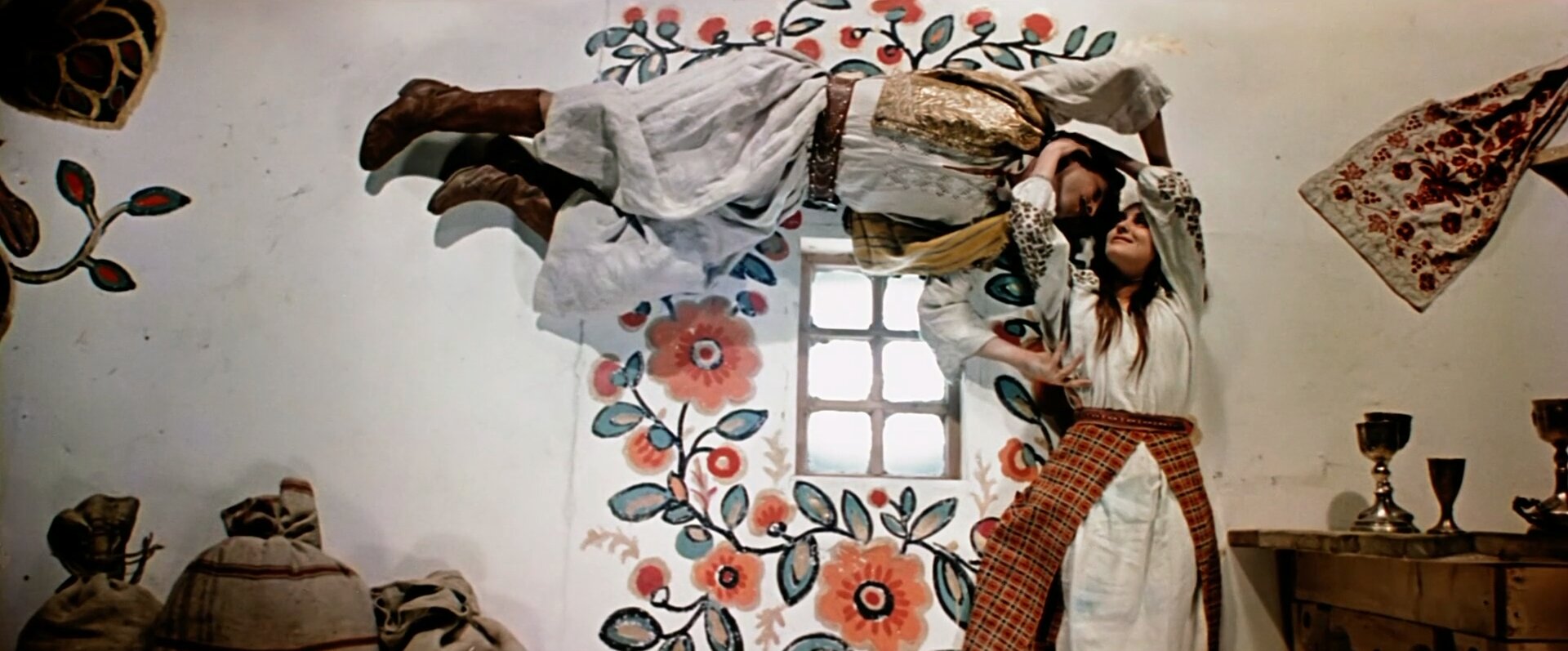
The Eve of Ivan Kupalo (1968)
Ilyenko was the cinematographer on Shadows of Forgotten Ancestors before he became a director in his own right. The Eve of Ivan Kupalo, his second feature, was banned by Soviet authorities until 1989 and has only recently begun to find audiences outside Ukraine. Robert Eggers cited it as a direct inspiration for his 2024 Nosferatu. It's a dark folk tale: a poor farmhand makes a bargain with a devil to win the girl he loves, and spends the rest of his life paying for it. What I love is how little it uses words. The director speaks through symbols, colour, bodies moving across the landscape. It opens up a space for reflection and immersion that feels distinctly ours; pre-Christian, pre-Soviet, stubbornly Ukrainian. One of those films you don't so much watch as step inside.
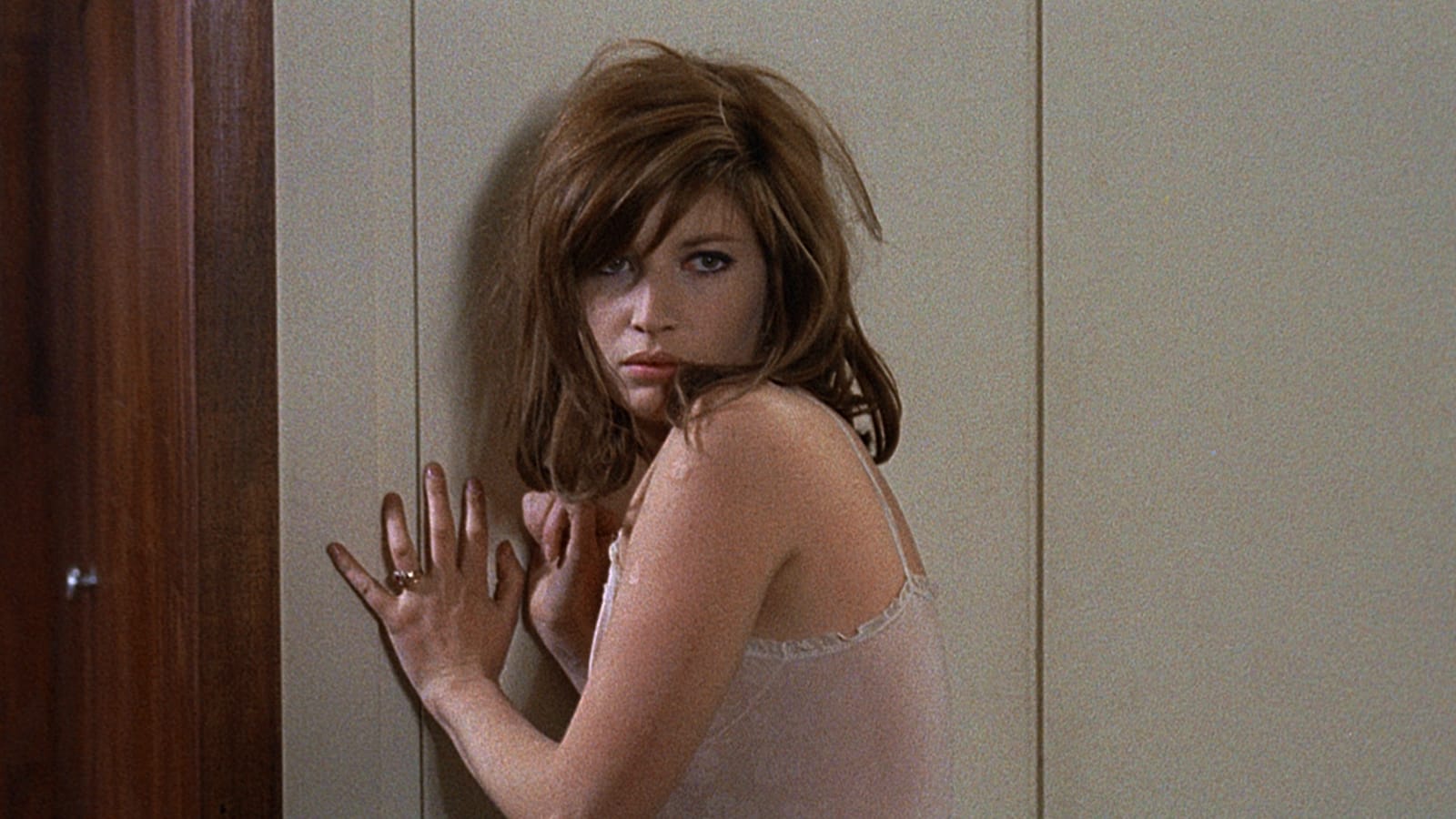
Red Desert (1964)
Antonioni's first colour film, and in many ways the film where modern cinema learned what colour could actually do. He was so unwilling to accept the palette nature gave him that he literally painted the grass, the walls and the fruit on a vendor's stall grey, so that a single red pipe, a green coat, a yellow flame from a gas stack could carry the emotional weight of an entire scene. Monica Vitti wanders a post-war Ravenna of petrochemical plants, foggy docks and grey water, visibly unwell in an environment that is visibly unwell. It was the first time I understood that colour is not decoration; it is script, psychology, architecture.I return to Red Desert often, for the discipline of it. Every frame is a decision. Nothing is accidental.
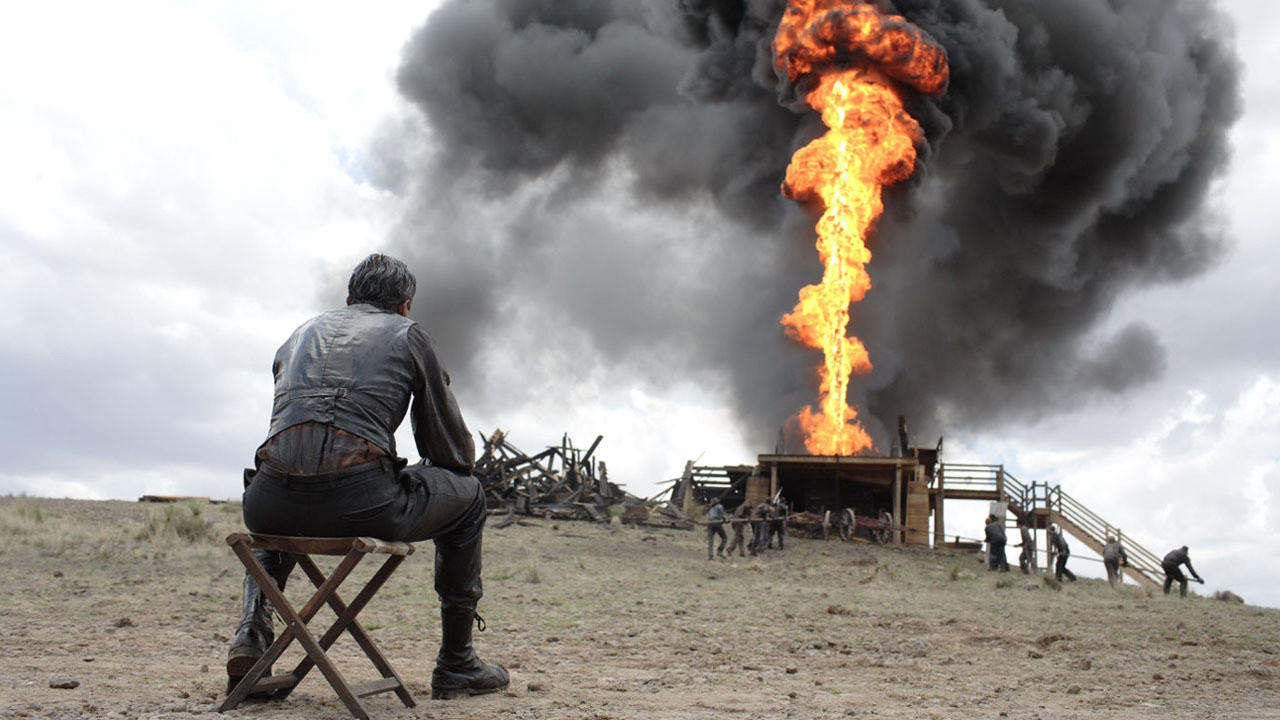
There Will Be Blood (2007)
As a producer, I watch most films with a permanent professional side-eye. I see the lighting positions, the costume continuity, the art department's negotiations with the DP. There Will Be Blood is one of the very few films that makes me forget I have that eye. From the moment Jonny Greenwood's score pulls you into Daniel Plainview's silver mine, I stop being someone who makes films and become someone the film is being made for. It's a masterpiece of sound design as emotional language: the scrape of a pickaxe, the crackle of an oil fire, Daniel Day-Lewis's voice doing almost inhuman work. What I love most is its courage with the ugly parts of being human; greed, faith, fatherhood, solitude, all pushed to their breaking point. It leaves goosebumps and leaves questions. It's the film I measure other films against.

The Fifth Element (1997)
Everything about this film is correct: the design by Moebius and Jean-Claude Mézières, the Gaultier costumes, Milla Jovovich's Leeloo, the shameless theatricality. But what keeps it close to me is what it's actually about, under the opera and the guns. It's about a civilisation that has lost its relationship with beauty and balance, and about a love that has to be re-invented as the fifth element because the other four cannot save anyone on their own. That reads differently in 2026 than it did in 1997. The wars over resources, the hollowed-out inner lives, the sense that people don't feel the balance anymore; it's all there, wrapped in Besson's maximalist pop fantasy. The fact that a science-fiction action film said it first, and said it in this much style, is part of why it has never left me.
Everything Everywhere All at Once (2022)
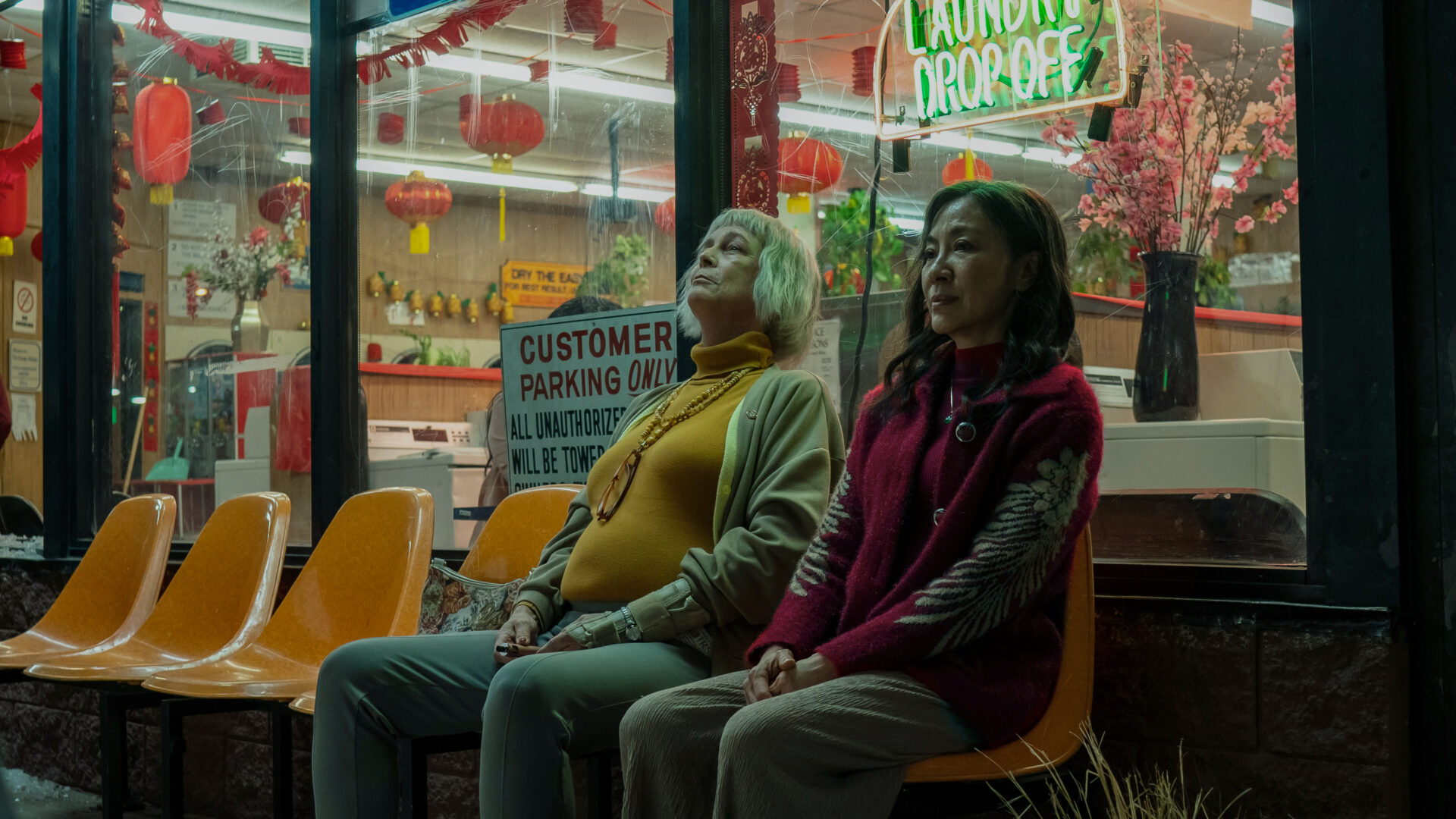
A reimagining of time and reality that somehow also happens to be about a middle-aged woman, her laundromat, and her marriage. Daniels took every visual and structural trick the internet generation has grown up on, and used them in service of something old and true: that being kind is harder than being right, and that love is how we decide which life to live when we could be living any of them. As a producer, I'm in awe of the craft. A modest-budget independent film that invented its own cinematic grammar and then won Best Picture with it. As a viewer, I keep coming back to the bagel and the rocks. It understands something essential about what it is to be a person right now.

Neptune Frost (2021)
I saw this twice in the cinema in Berlin, and I still don't think I've fully metabolised it. A sci-fi punk Afrofuturist musical co-directed by the American artist Saul Williams and the Rwandan filmmaker Anisia Uzeyman; shot in Rwanda, set in Burundi, among a collective of escaped coltan miners who become anti-colonial hackers. The costumes by Cedric Mizero are made from motherboards and sandals. The sound design is its own universe. It is absolutely not for everyone; the structure is poetic rather than narrative. But for me it sits somewhere between dream, protest and incantation. It's the rare film that invents its own visual, sonic and political language from scratch, outside the usual centres of cinema. In an industry that is still heavily westernised, Neptune Frost is a reminder of how much we have never seen, and how urgently it needs to exist on screen.
The Zone of Interest (2023)
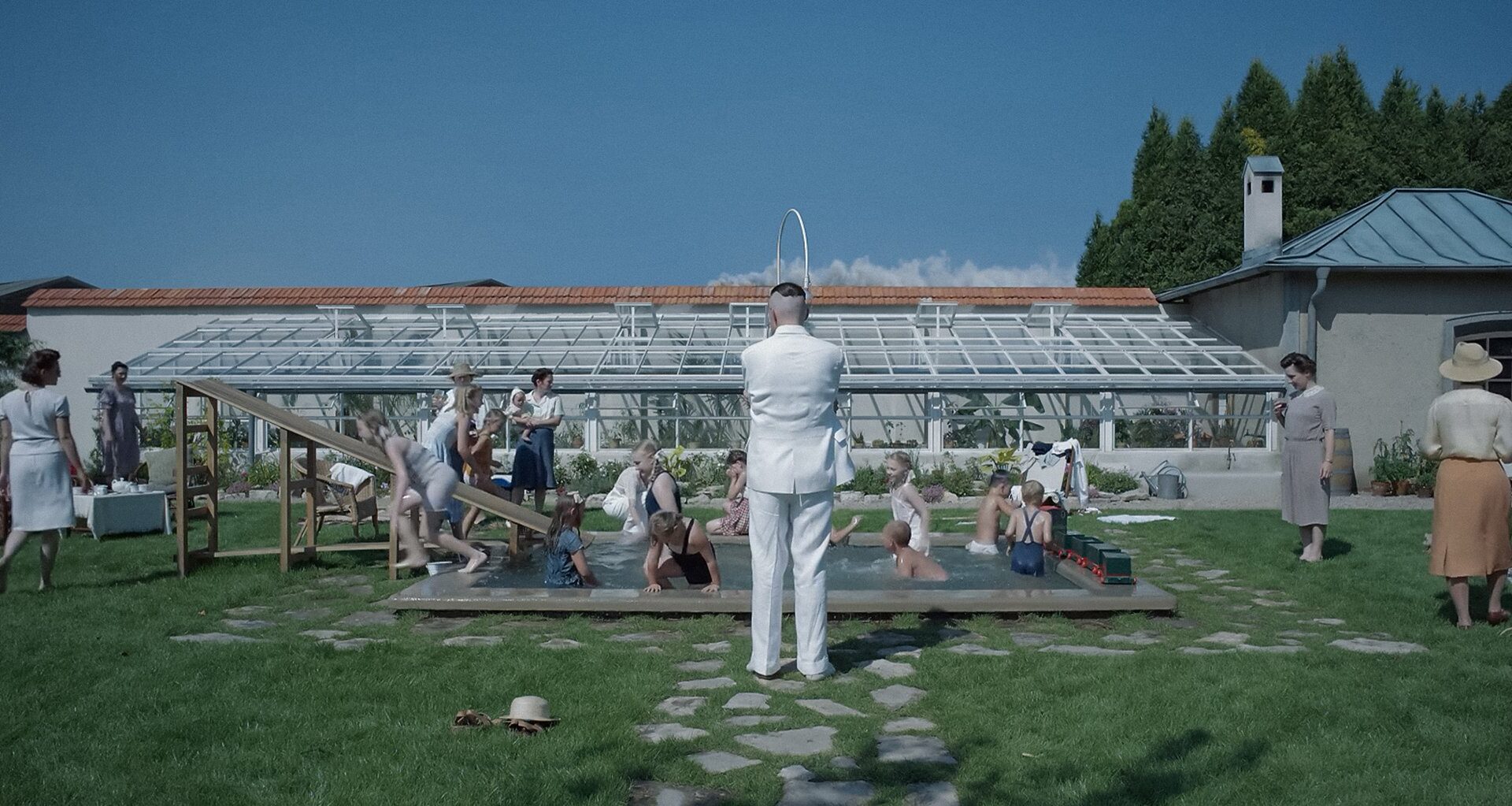
Glazer's film sits with Rudolf and Hedwig Höss in their beautiful family home, while the sound of Auschwitz, on the other side of the garden wall, does almost all of the storytelling. Johnnie Burn's year of archival research and Mica Levi's score build the entire other film, the one we hear rather than see: machinery, dogs, distant shots, the furnace as a constant industrial rumble. Glazer refuses to show the camp at all. He insists that hearing is enough, and that refusing to hear is the whole problem. He has said plainly that the film is not about the past; it is about now. Watching it from Kyiv in 2026 is a different experience than watching it from London or Berlin. The people who make atrocities possible by continuing to tend their gardens are not historical. They live among us, and it is the sound they decide not to hear that keeps the machinery running.

Us, Our Pets and the War (2024)
Anton Ptushkin was a travel blogger with millions of subscribers before February 2022. After the full-scale invasion, he turned his camera around and made his first feature documentary, about the people across Ukraine who have risked their lives to rescue animals left behind by the war. Cats, dogs, lions, tigers, a Yemeni chameleon named Ihor. It became the highest-grossing theatrical documentary in Ukrainian history, and it's easy to see why. It holds two truths at once: the horror of what we are living through, and the fact that love, for another living thing, is often what keeps people human inside that horror. As Asia Serpinska, who founded the Hostomel shelter, says in the film: save animals to stay human. I think about that line constantly. I carry it into how I work, how I write, how I treat my own two cats, and how I remember what this war has actually cost.