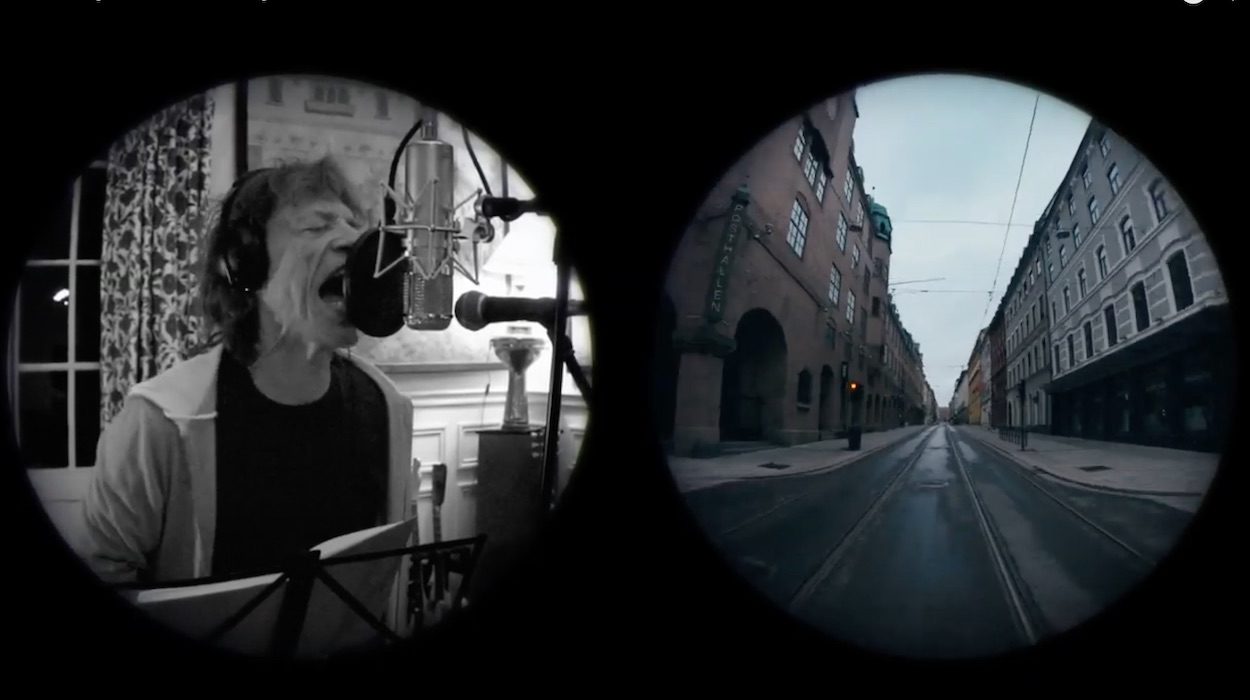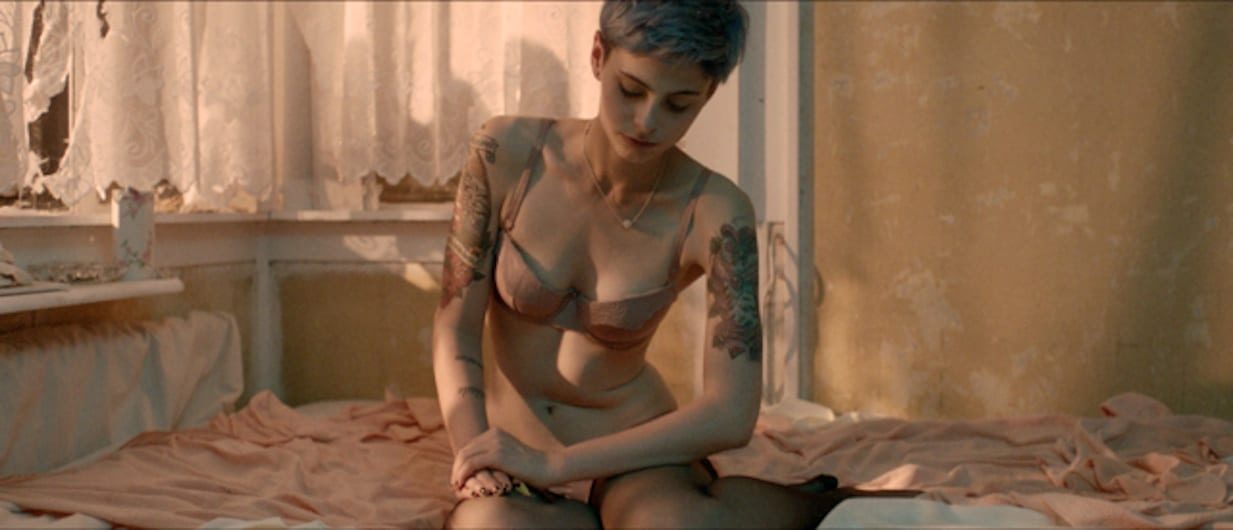
Two years on from your first release, where does Supermodel now sit in your lives? Is it a constant presence, or something you step into between other projects?
Joe: I think, for me, it’s being able to access a different room in the same house. It’s the curse of commercial filmmaking that you are expected to replicate past success and styles that you are known for, but if you’re a creative who likes to explore and develop and test and play, the pathways for that can be limited, so Supermodel is a chance to explore with an open mind. To create something that accesses the full creative palette; art, music, film, and theatre.
Emile: It’s a bit of both, to be honest. There’s always something planned for Supermodel, but it needs to slot in with other projects, and somehow we both need to be in the same place at the same time. And yet somehow it always mysteriously happens. What I find interesting is how much it informs everything else I do, and vice versa. In the end it all weaves and blends together.
Did this second release follow a familiar creative route, or did it feel like the process had shifted in some fundamental way?
Emile: Similar in terms of energy, and the way it somehow came into existence through us, but also through all the people around us who wanted to give their time and resources to it. Once we had the song, it made itself into being. The difference, I suppose, was that this video had to be even bigger and possibly better than the first one, so we felt a lot of pressure on ourselves from the start. And all of that pressure came entirely from ourselves, which is quite funny really. A big, pressured project of our own making, from beginning to end.
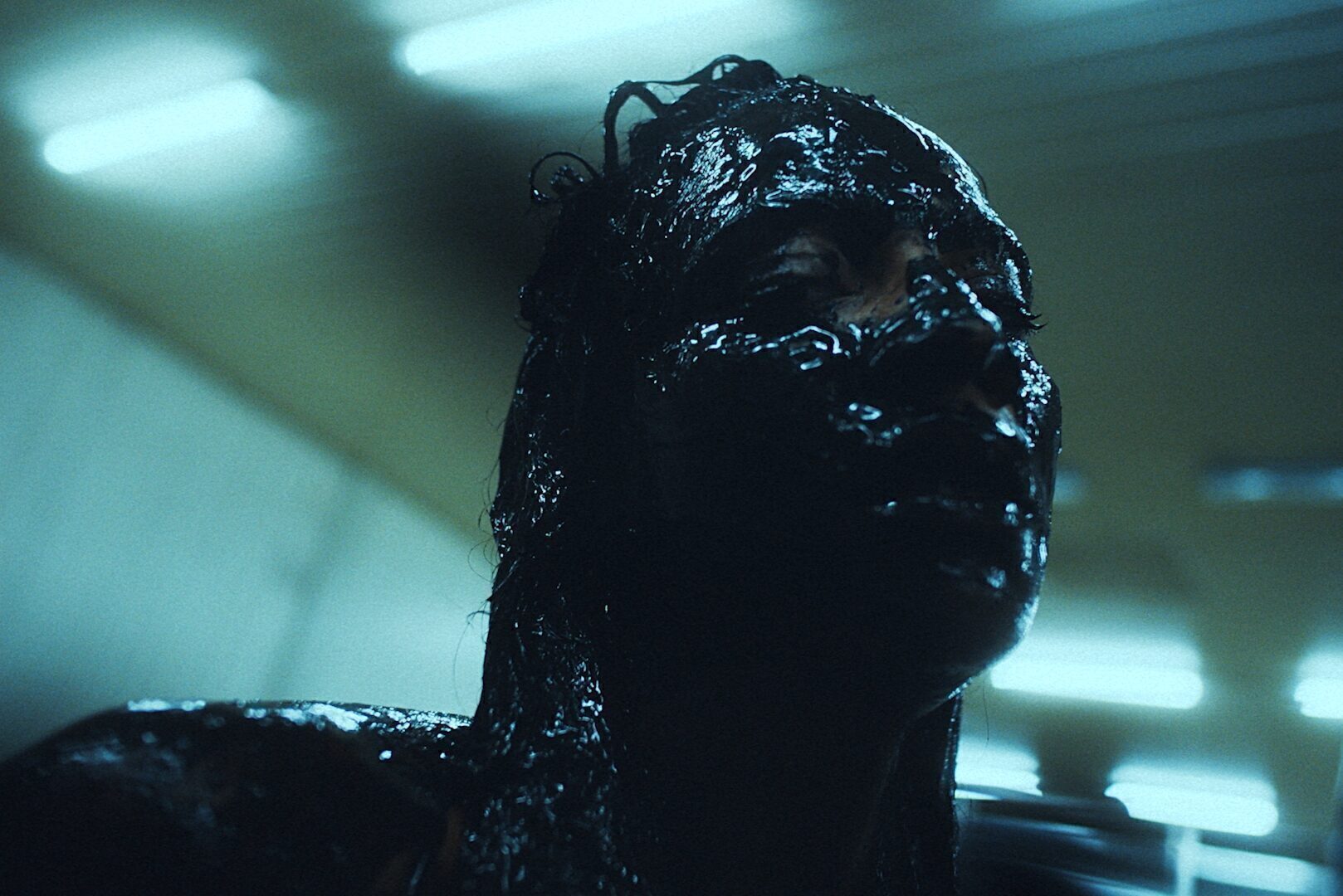
Joe: The process for this one felt really different for me. We put a lot more pressure on ourselves to go deeper, to tell a bigger story. Supermodel is never just about making images or music to chase an algorithm; it’s always about telling a story. Which is funny because the black orb in the video represents technology; perhaps this is an anti-algorithmic technology video.
Do Supermodel projects begin with a feeling rather than an idea? And once that feeling appears, how do you sustain it long enough to turn it into work?
Emile: This one started with me throwing some music together, then Joe adding his vocal, and then the two of us refining the track over and over until it somehow pushed everything else into existence. It’s all very organic, like a constellation of ideas that collide into each other and form something at once this sonic and this visual.
Joe: The music and the film feel like two separate things that slowly coalesce by the end of the process. The music usually forms organically, with the track passed back and forth, adding to it, building up, and then the lyrics come from the daily poetry I write. They’re fragments of thoughts from different days and ideas that create this collage effect across time… some of the lyrics are from 10 years ago, some from last week, but they seem to work together. The film seems to emerge out of a similar collage of different ideas and images that then click into a cohesive whole.
When you look at the finished work, what matters more to you: the emotional residue it leaves, or the ideas it might communicate?
Emile: To me, art always needs to transmit something and leave you with a feeling. That’s above all else. The ideas and commentary are always kind of the icing on the cake. Having said that, Joe and I spend a lot of time talking about our place in the world, the demons we fight, and the inevitable politics and technology that shape what we do every day. All of that goes into the blender and comes out in this song and video.
Joe : I love leaving a lasting emotional impression on people, rather than a logical one, and I think that’s something we both share and strive for in Supermodel. We’re always trying to go deeper into the subconscious.
Joe, your vocal delivery has become increasingly distinct. How would you define the Supermodel voice now and was that something you actively shaped, or something that emerged on its own?
Joe: Before Supermodel, I made very, very, very melancholic soft folk music, so the urgency in this voice is new territory for me. I wanted to find a vocal style that felt rougher, a snarling, fearful court jester worried about the state of things. I spent a lot of time trying to hide this type of voice. I moved from Warrington at 18, a pretty deprived part of the UK when it comes to employment, housing and education, to a drama school in Primrose Hill, which felt like another planet. The contrast was stark. I remember trying to soften my edges, flatten my accent, hide my northerness a bit.
Now it feels like the pendulum’s swung and everyone’s pretending they’re from the north. Funny how these things go.
Emile: You don’t even want to know where I’m from. That place was dark.
Lines like “The terror of the morning news” or “It rained for 17 days last month” don’t explain themselves, but they establish an atmosphere immediately. How do you think about language as tone rather than narrative?
Joe: I’ve always been drawn to the idea of the “Town Crier”, a character who can hold court, and deliver ideas with urgency. We’re living in “unprecedented times” yet again. Millennials are cursed with one chaos rolling into another form of chaos.
There’s the obvious existential stuff, climate, endless wars, economic mayhem but also the things: phone addiction, the price of bread. We’re bombarded by impulses and fears all day long. Supermodel is the fire alarm screaming that the grief, fear, panic, you feel is real even if it just feels like endless rain.
Emile: I’m a bit more optimistic about the world, but it does feel like we’re living through a lot of very pivotal moments all at once, without much time to stop and reflect on any of them.
“17 Days” feels deliberately specific. What does that span of time represent for you?
Joe : There’s a lovely sense of rhythm to the syllables…and it rained a lot this year
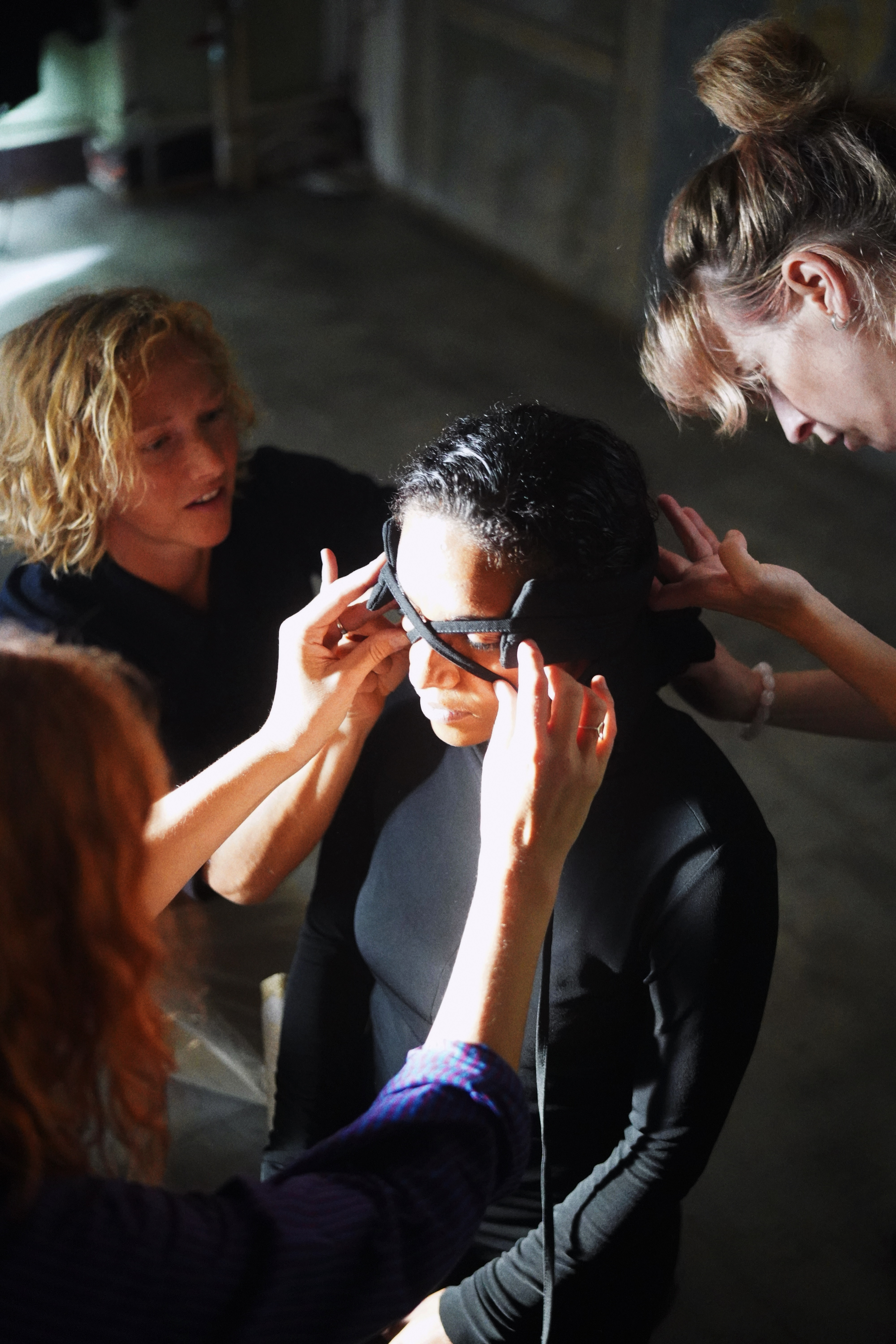
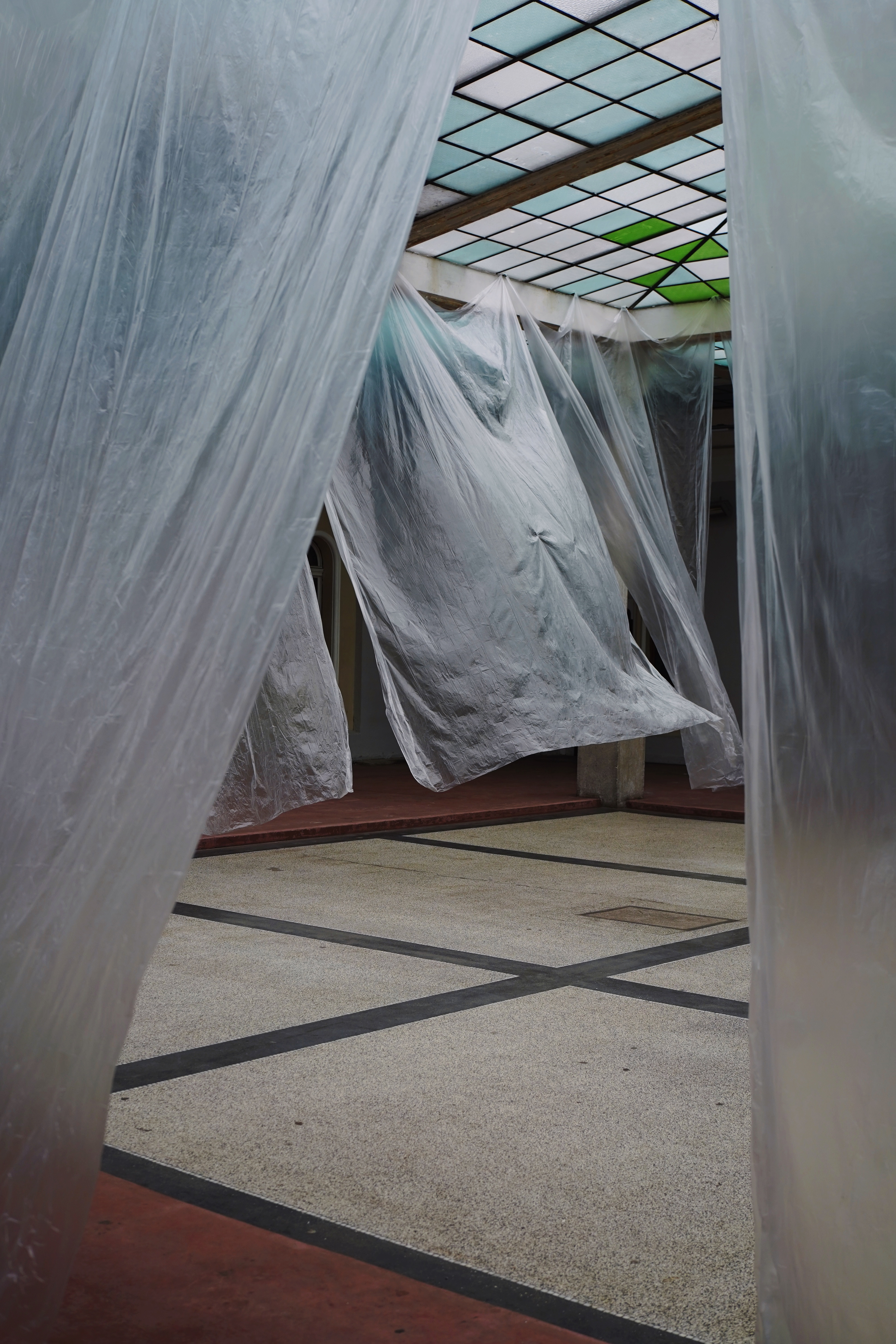
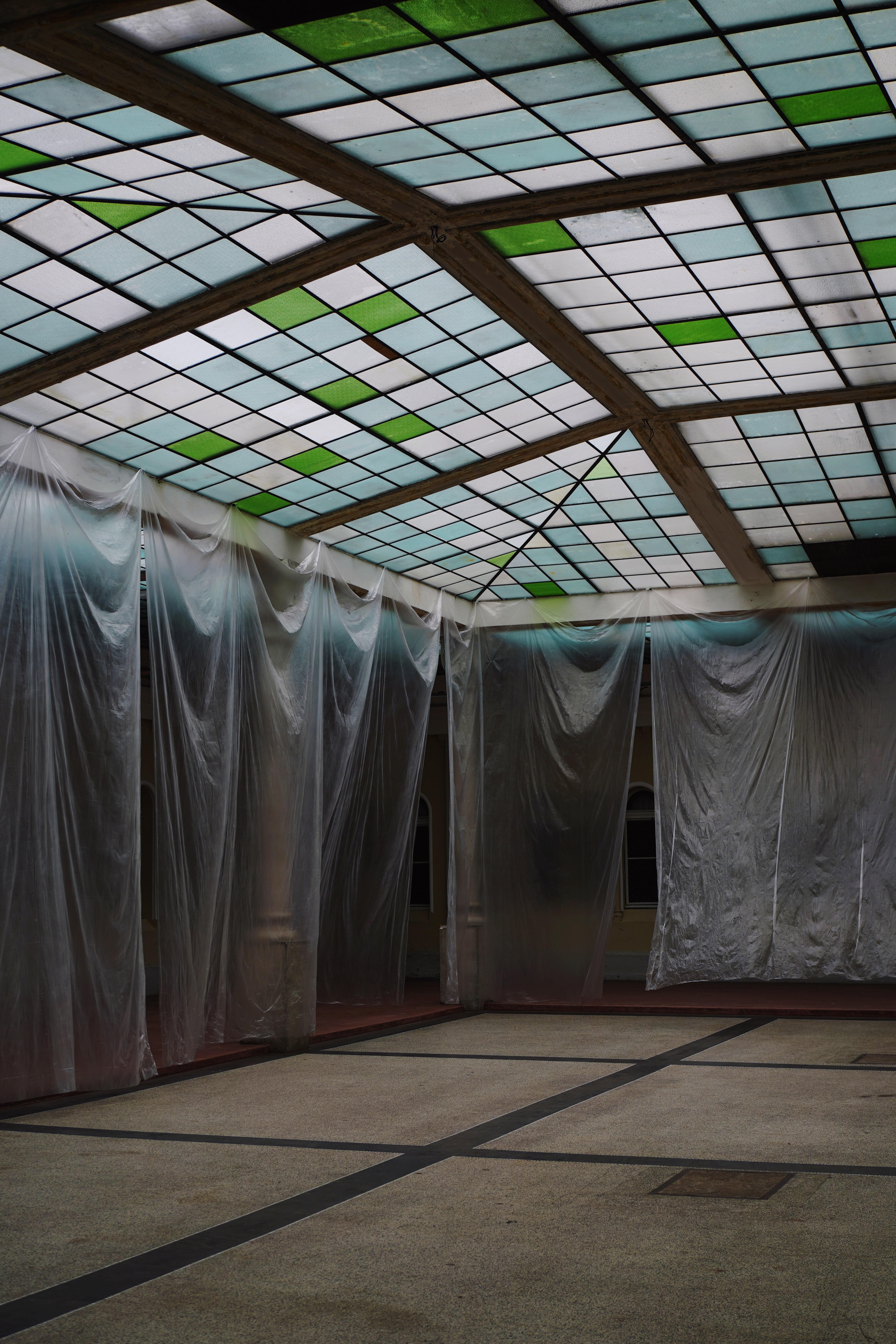
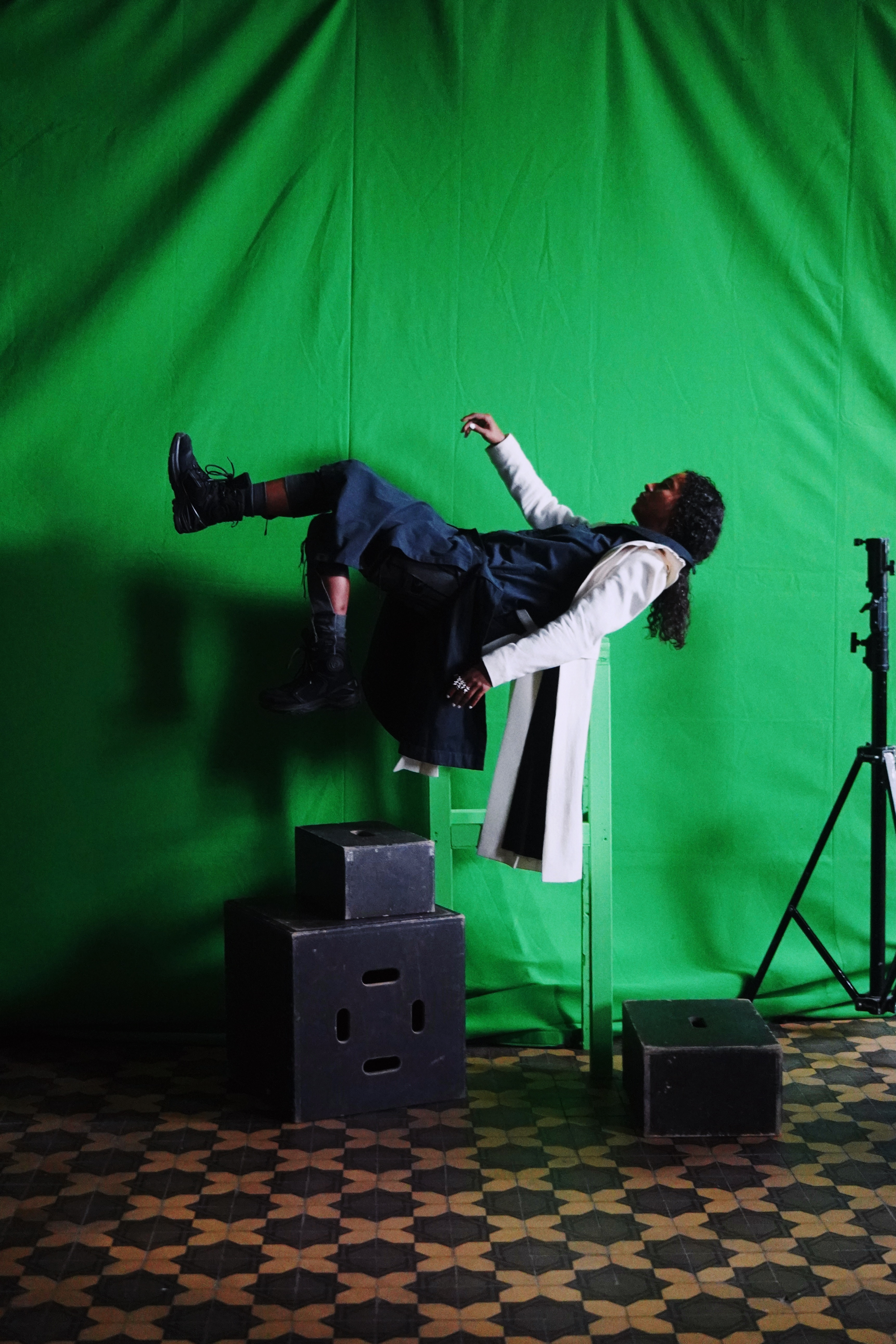
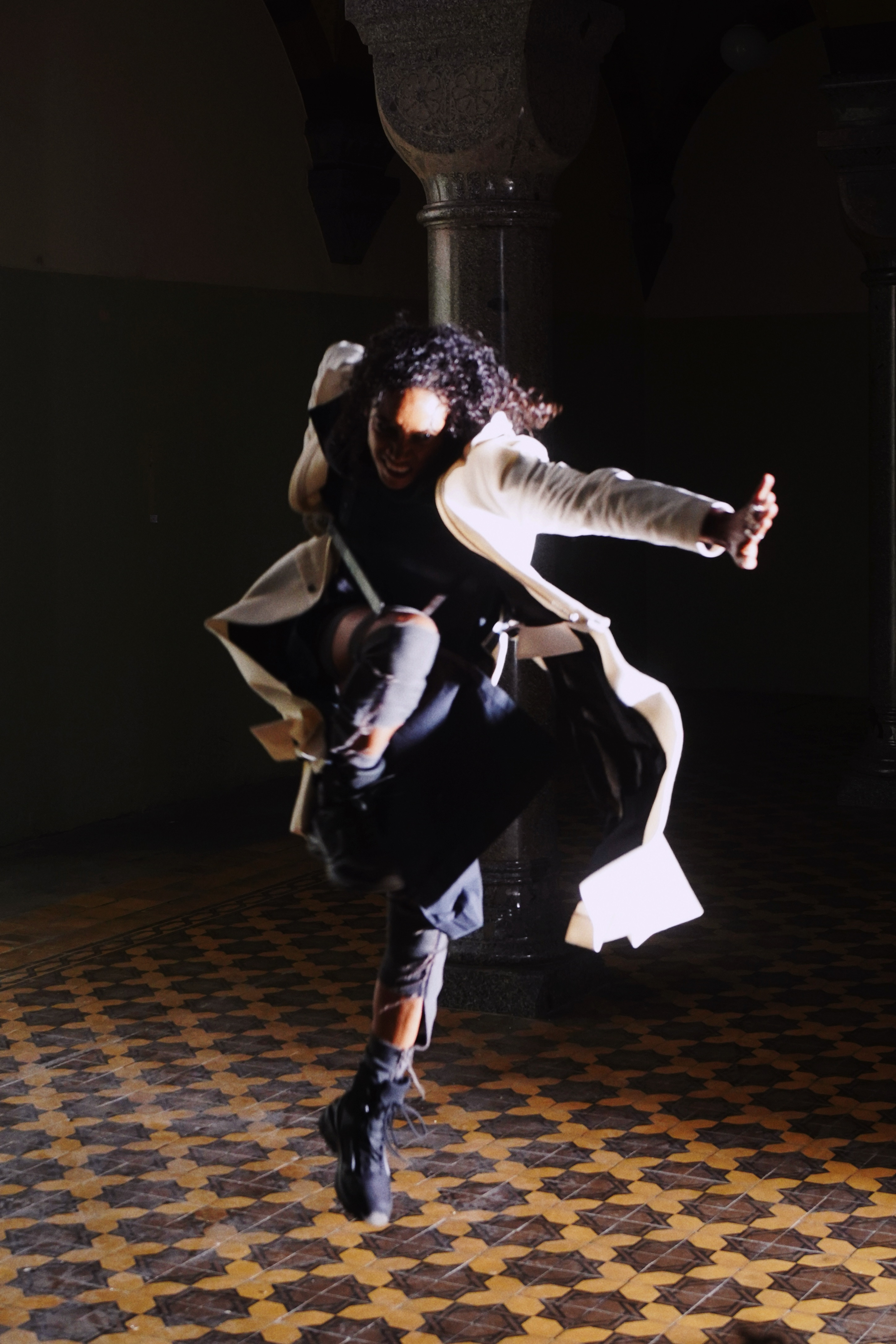
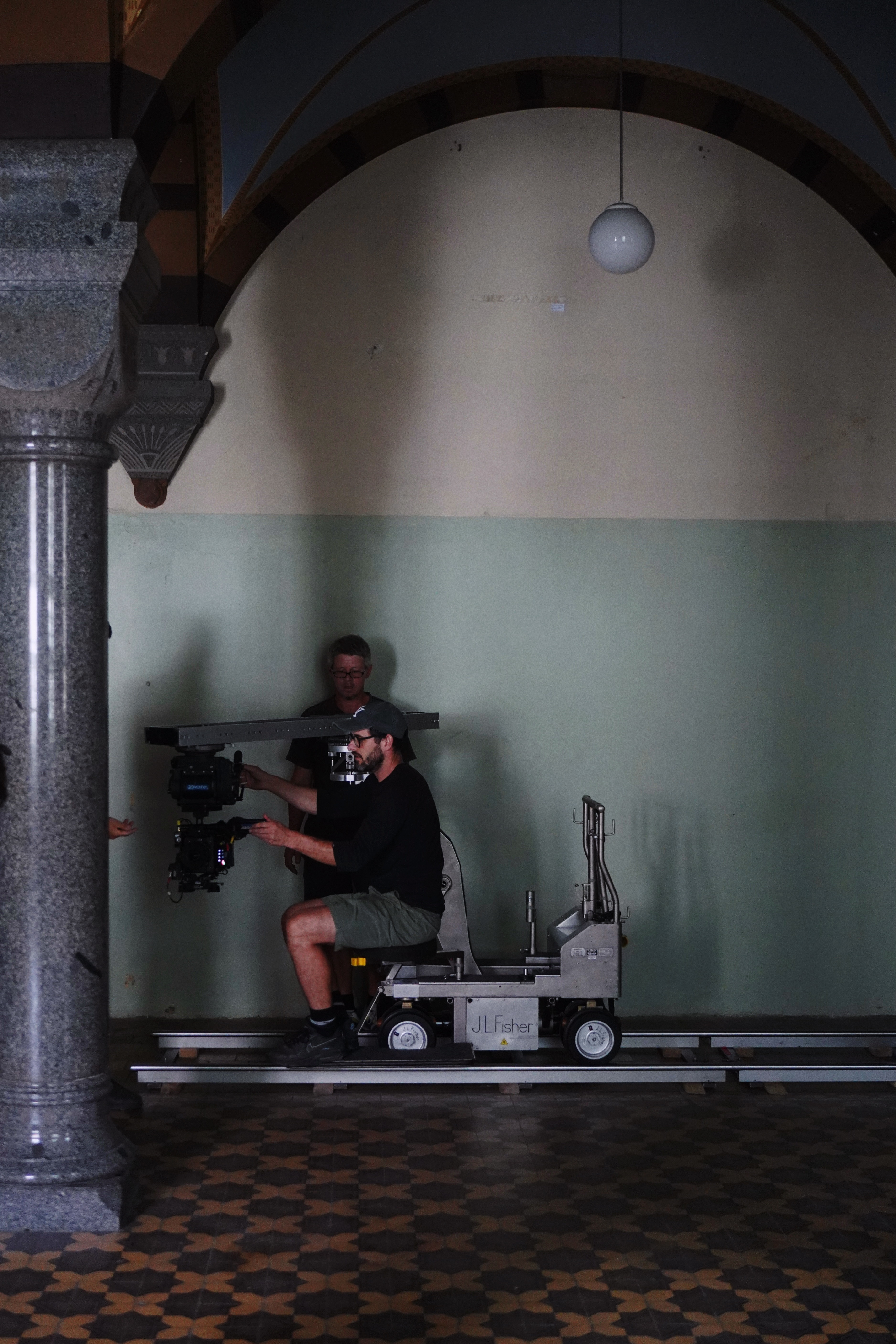
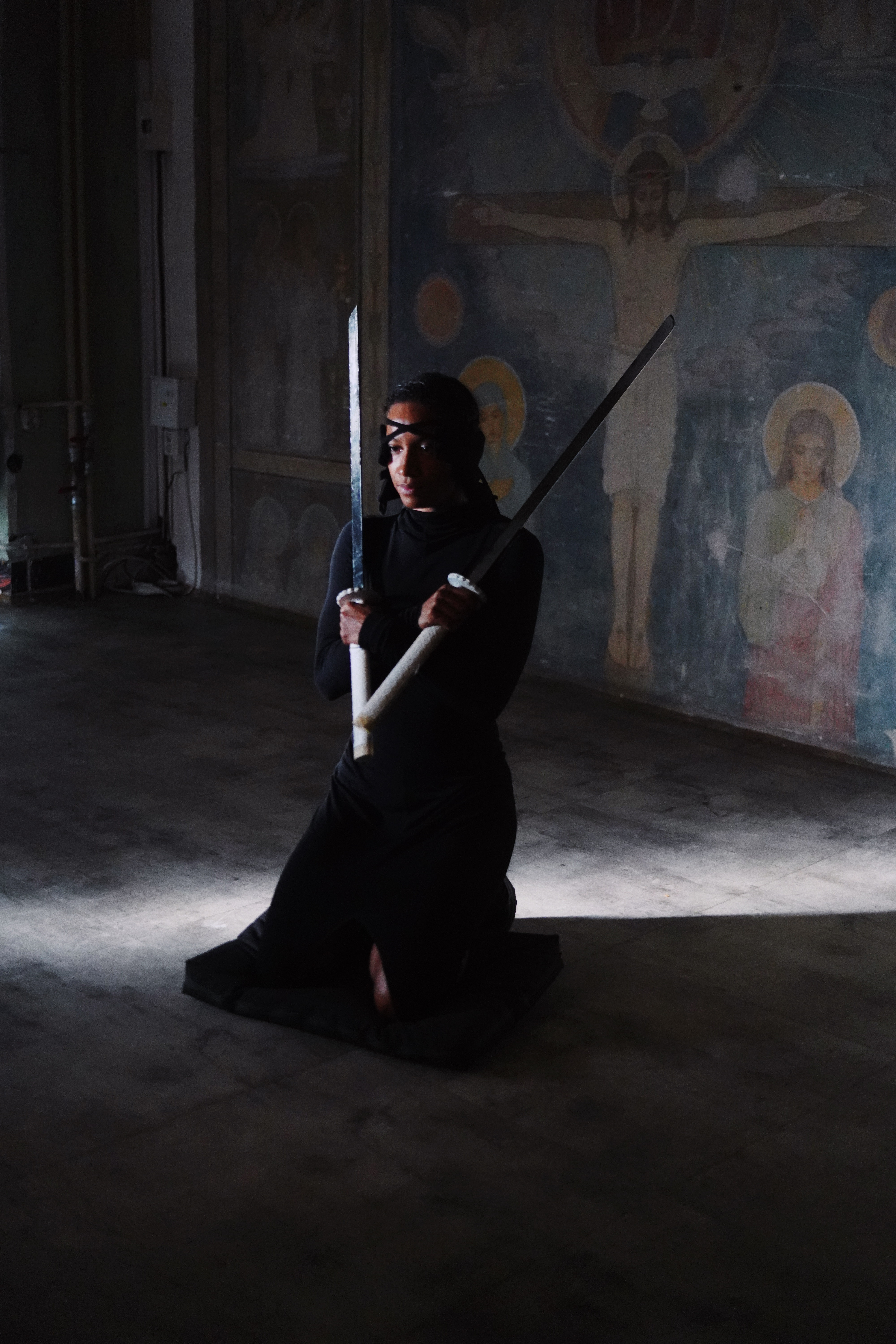
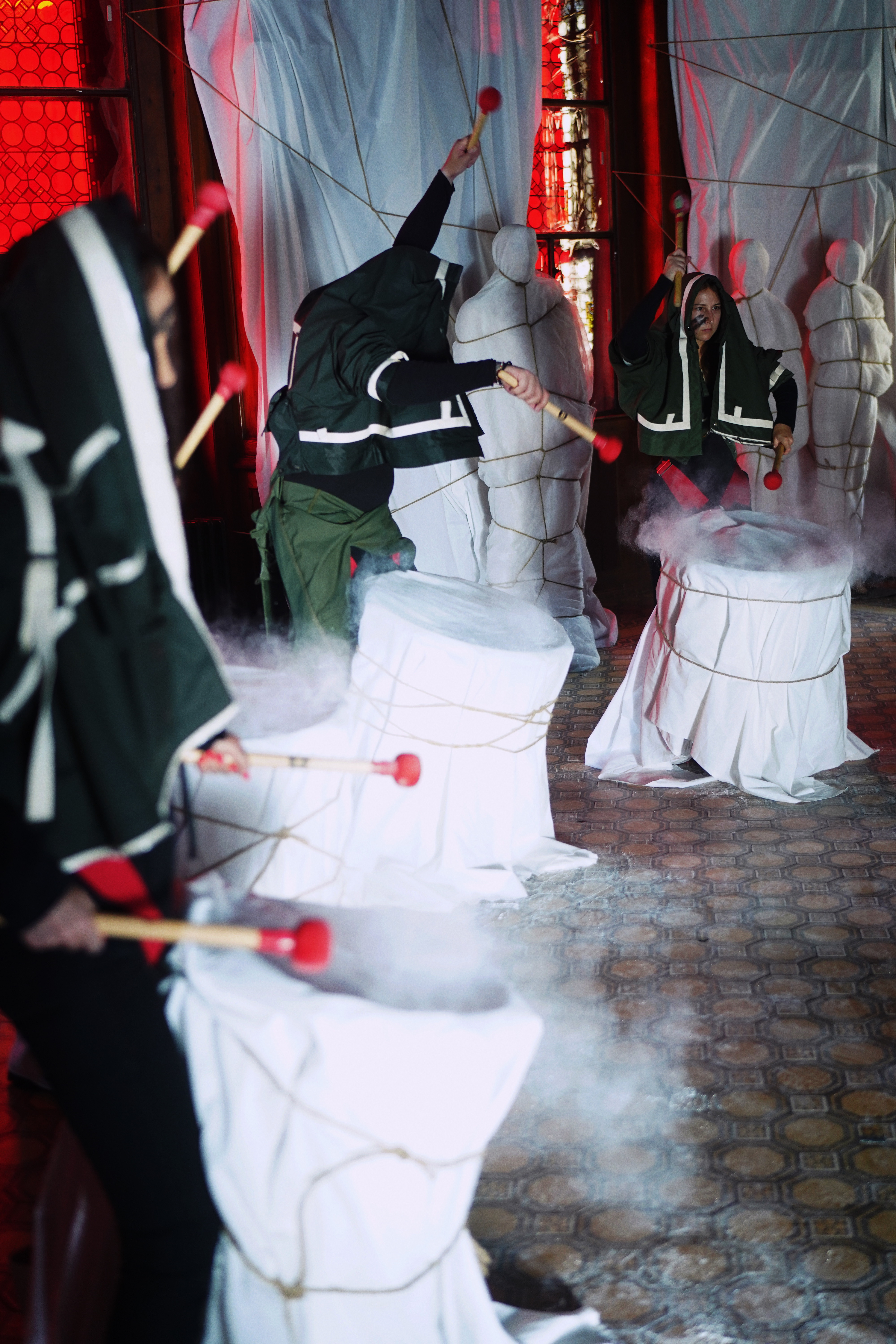
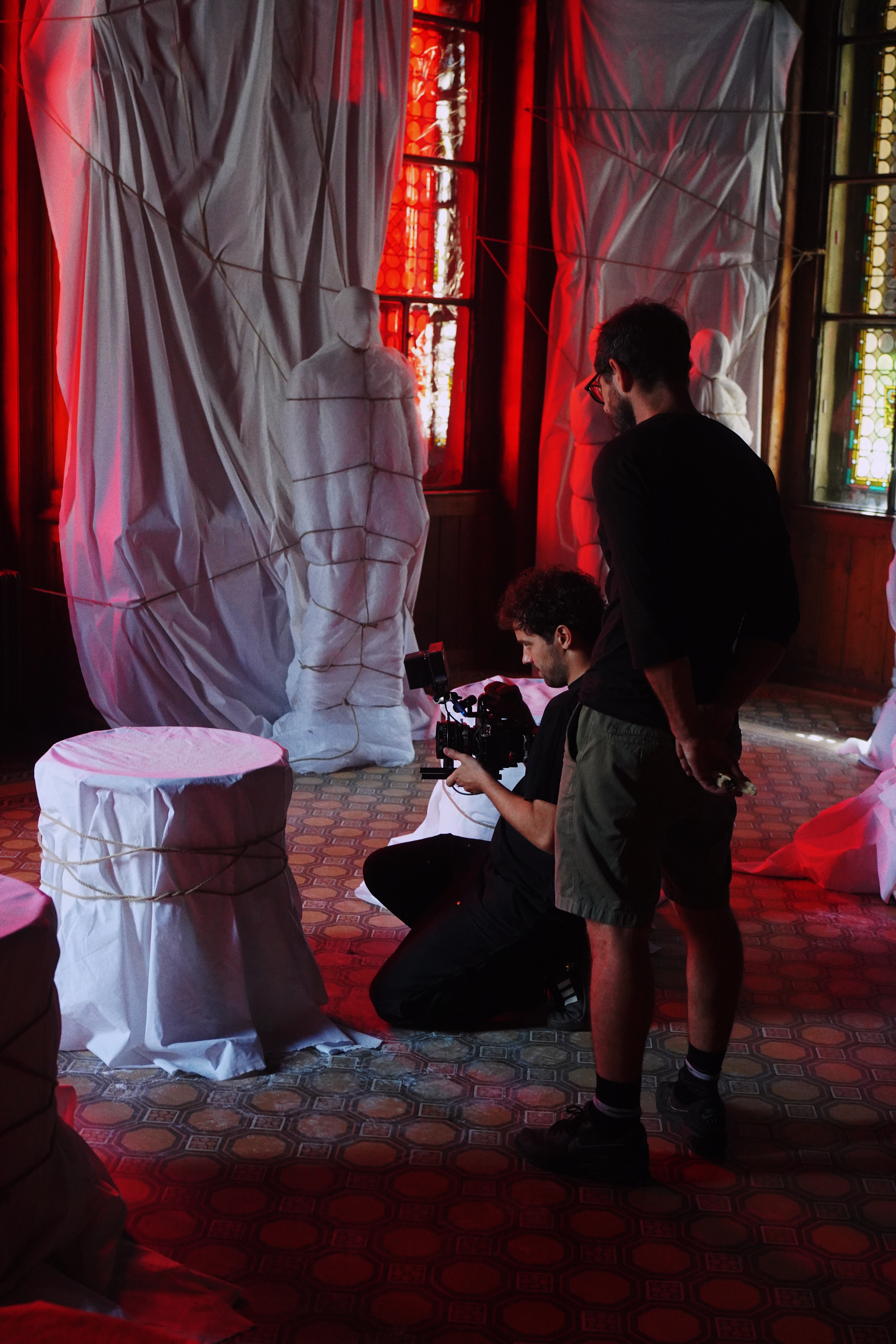
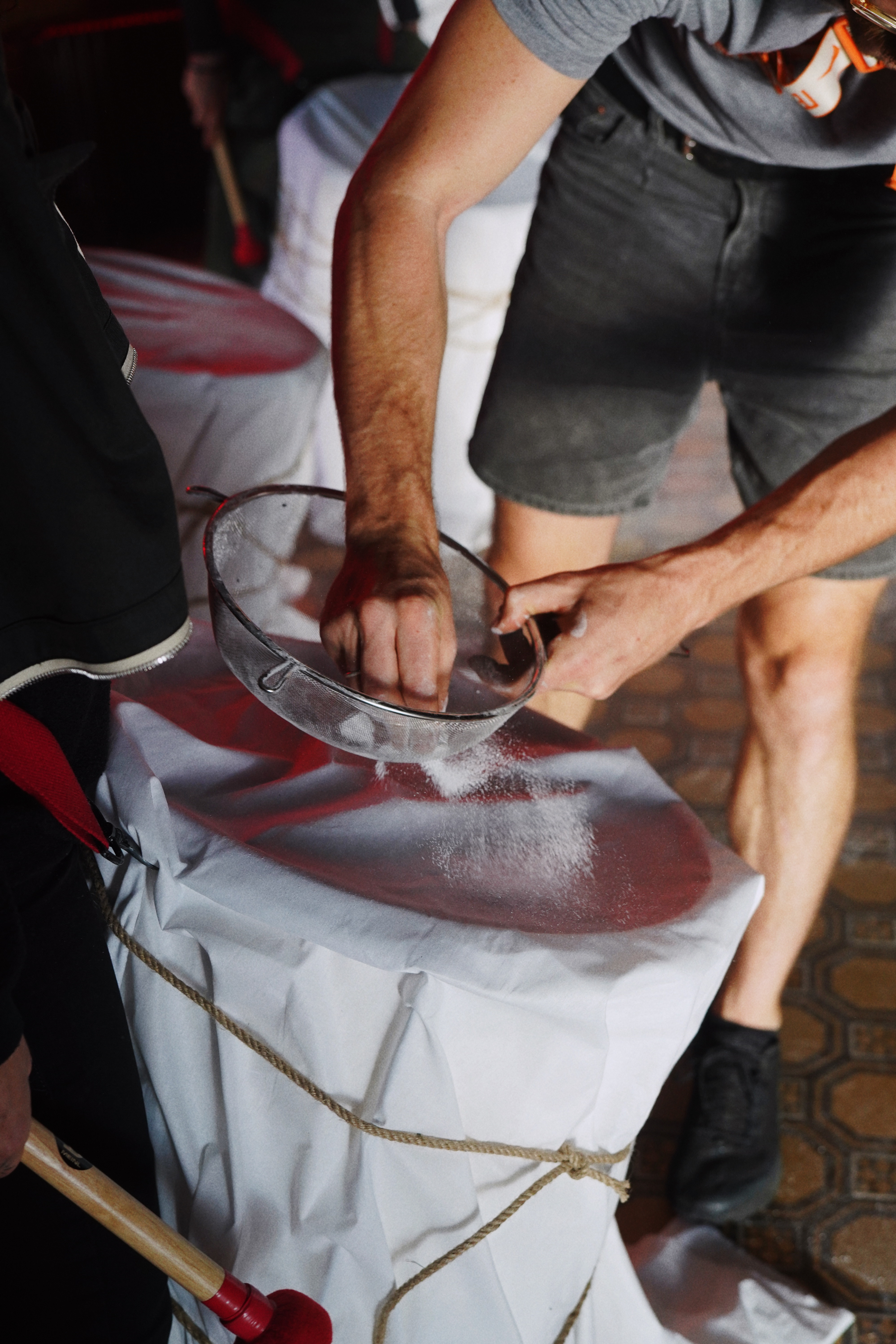
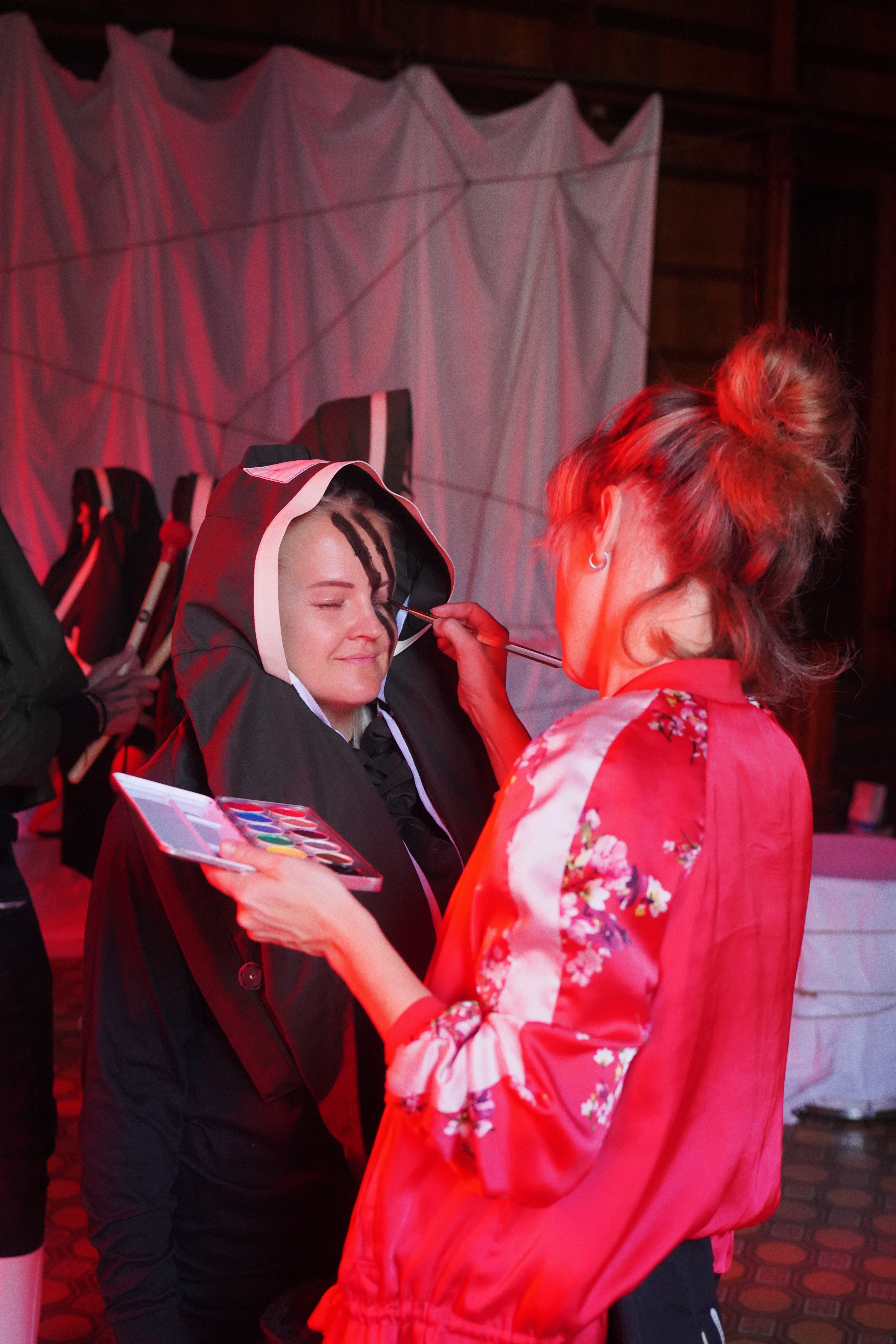
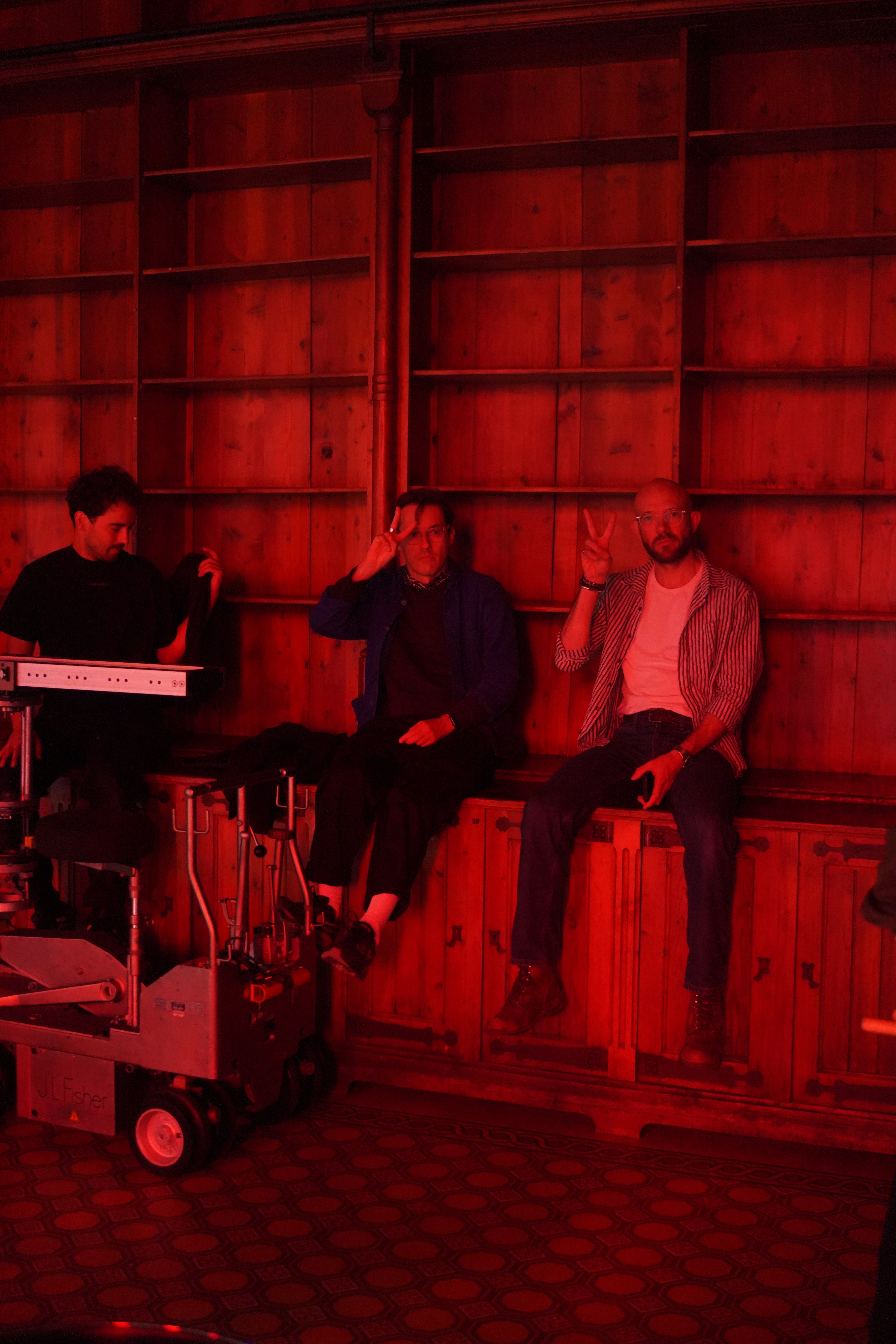
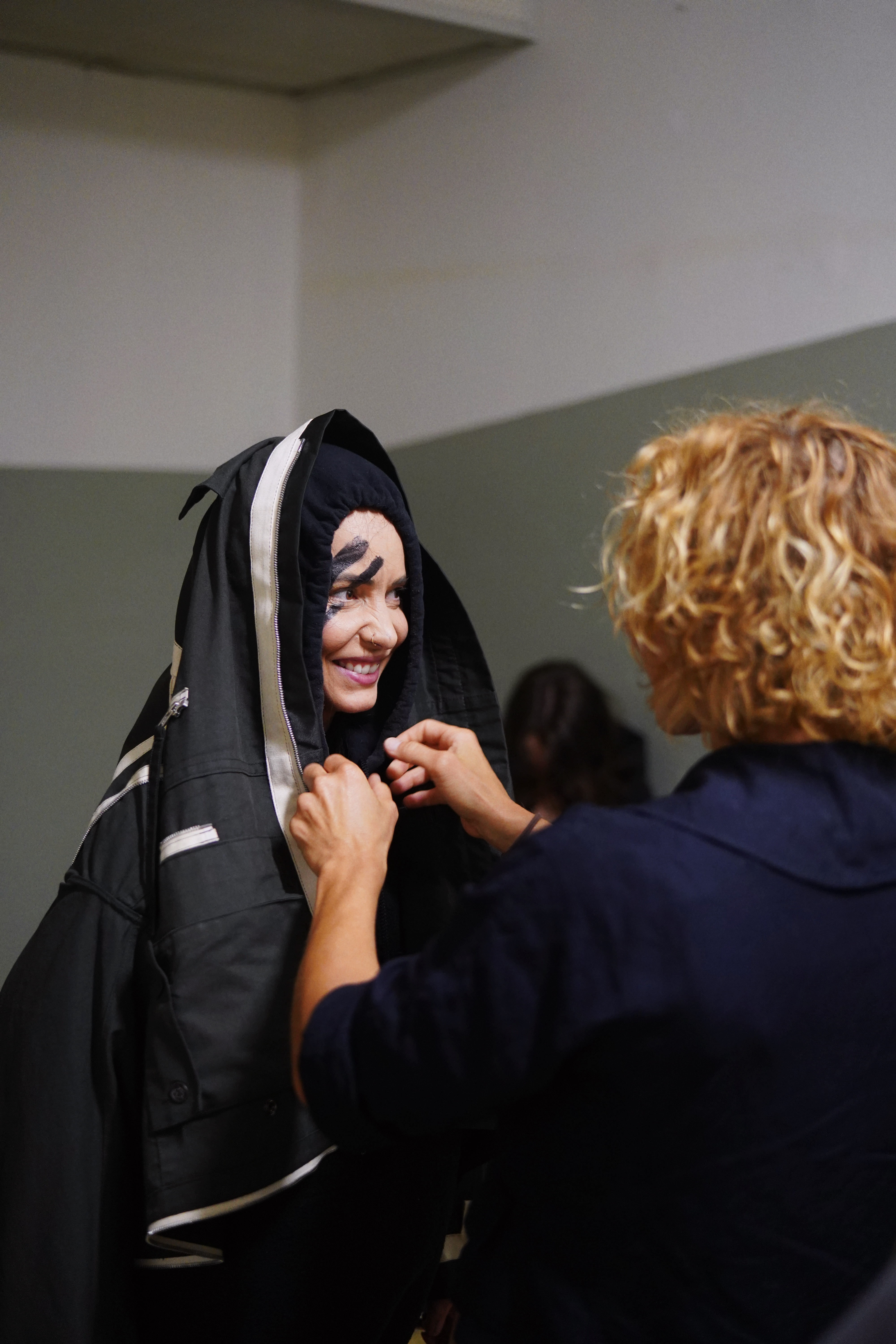
The video avoids a linear or rational narrative. Without traditional plot, what becomes the organising principle of the film?
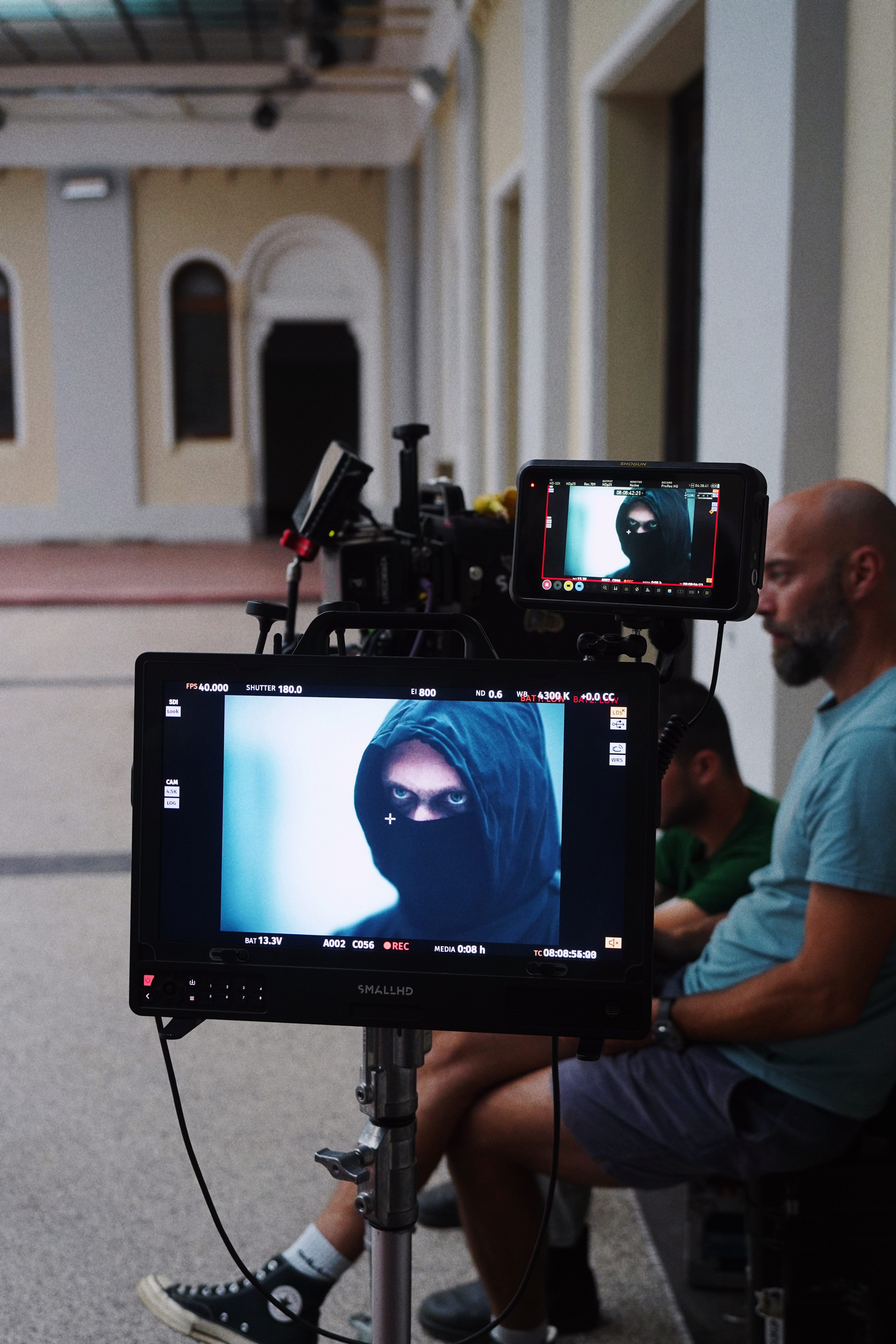
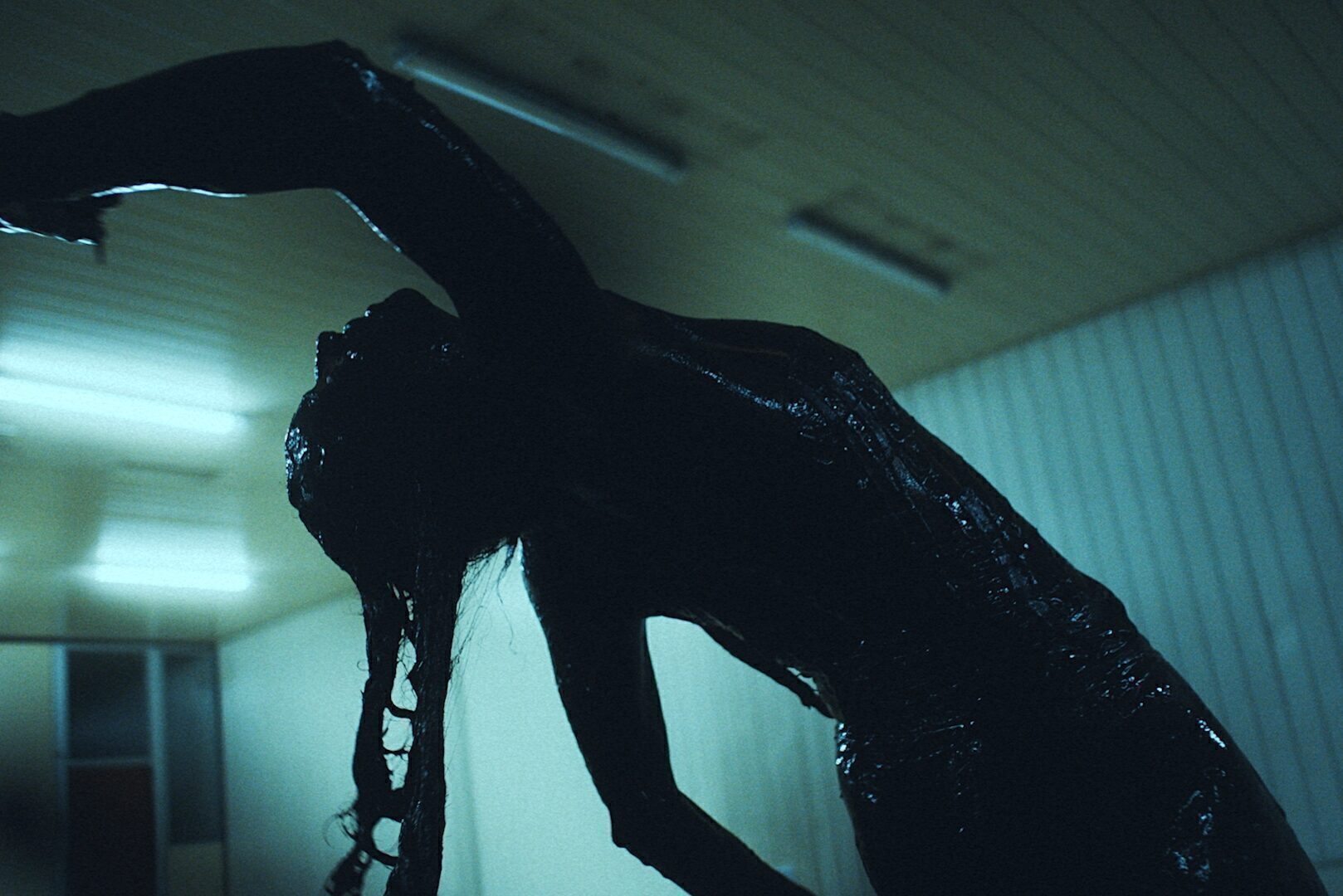
Joe : The core idea was about how addiction to technology can consume your humanity, erode it and corrupt it. Who won that job? What’s on fire? That’s a funny meme? I like this recipe! Look at that cat. Wow, that place got carpet bombed? I didn’t know those guys were married….. The film tries to capture the battle at the heart of everyday interactions like our phone use. The wrestle to regain your humanity and divinity from the dark pit of the soul.
Emile: It comes back to the feeling I was talking about earlier, the one we want to transmit first and foremost, alongside trying to make something visually arresting. We do have a narrative in mind when we make it, and every decision flows from that, from what makes sense within that universe. We went into it with a strong idea, at least for ourselves: that it’s about fighting demons, and a lot of it about technology as it exists today. I mean, the ChatGPT thinking icon is a pulsing black orb.
Does making music together feel fundamentally different from co-directing or do both processes rely on the same kind of creative intelligence?
Emile: It feels very different. Usually you’re making decisions singularly, a lot of them and fast. With this there can be obvious divergence, especially since we both have experience in the visual realm and each have our own way of getting to a particular result. The process of two people discussing and sharing creativity slows everything down and becomes something in itself, something very different to what either of us would make individually. It’s quite an interesting process to witness, and to find yourself surprised by where you land.
Joe: I’m going to be honest, co-directing is difficult, but it’s really rewarding. We both have pretty well-established individual careers, so joining forces on Supermodel is like two fully formed worldviews colliding. And it’s challenging…but that’s how you grow. I think we’ve both pushed each other into new, more exciting territory than we would do alone. There’s something about the combination that seems to create astounding results and large therapist bills.
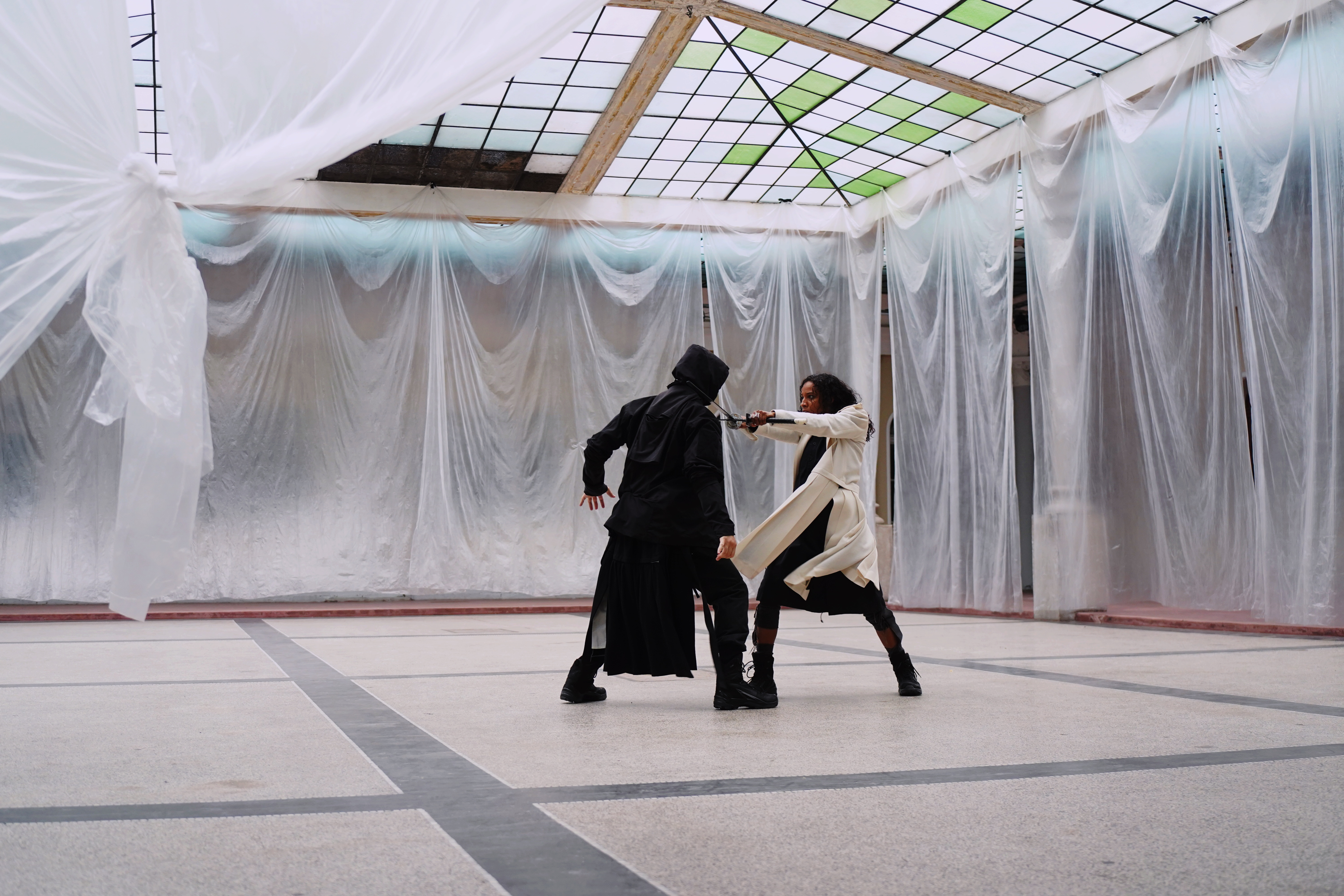
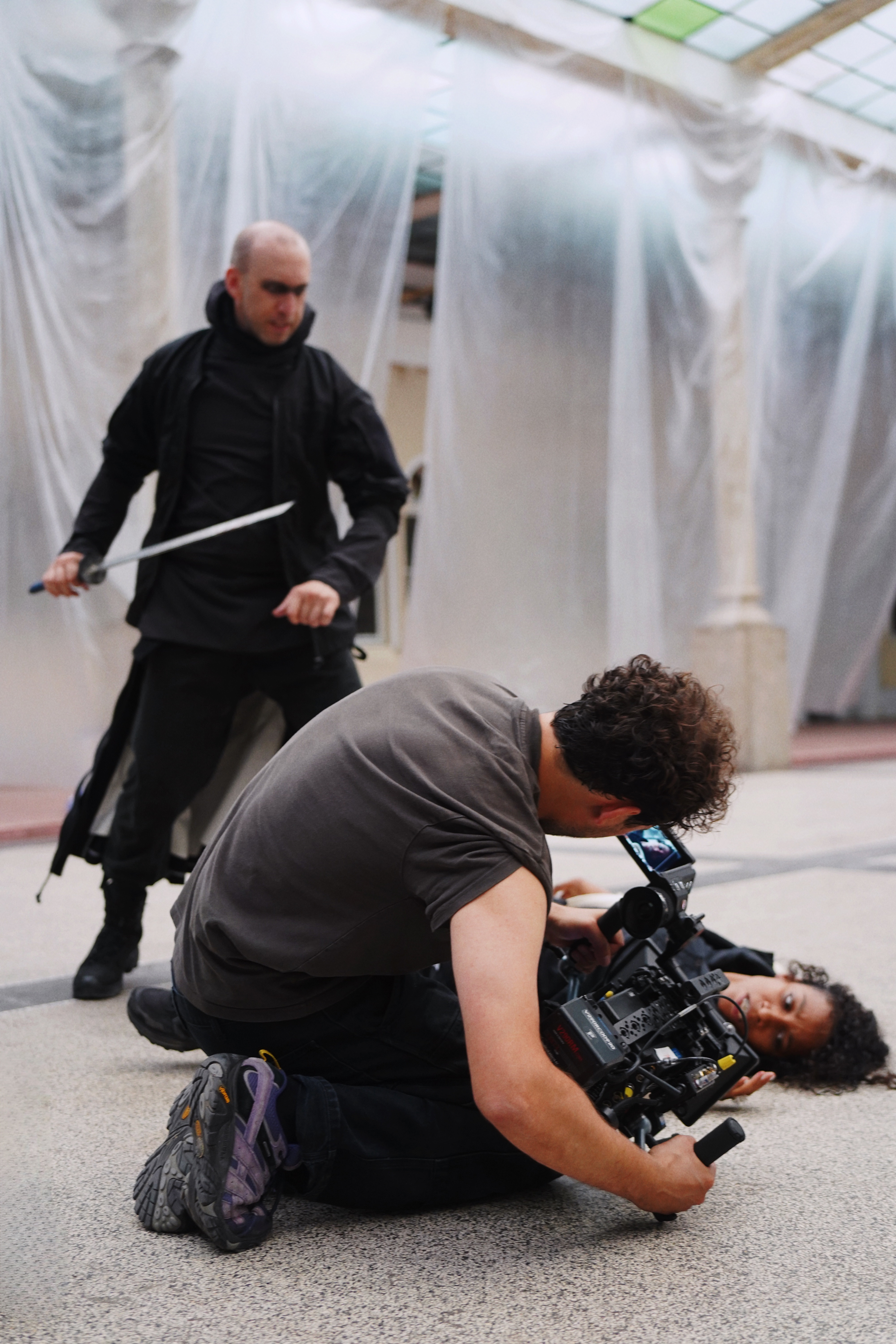
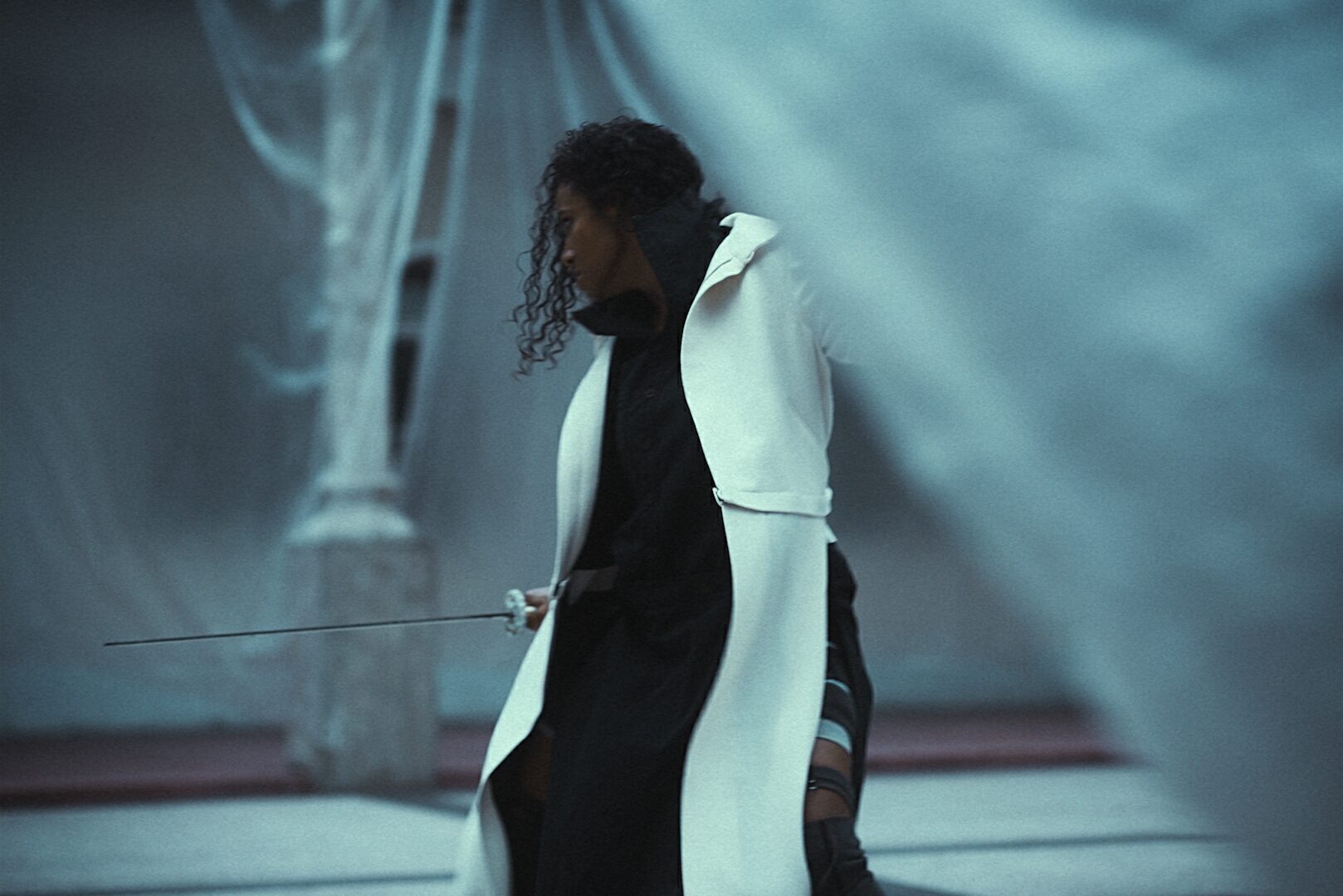
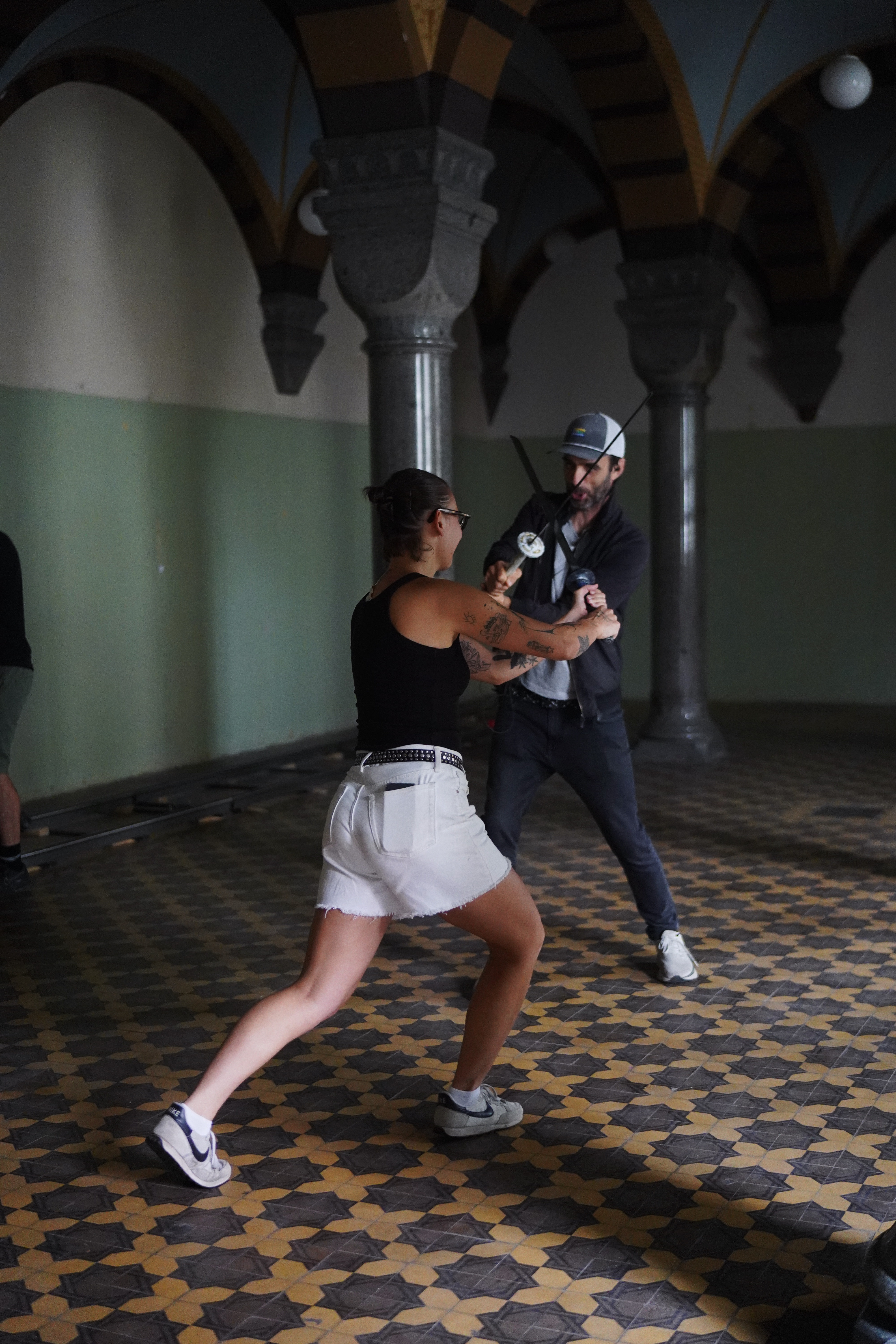
Can you talk about the physicality of the new video, particularly the choreography and staging of the sword-wielding figures? How much was designed in advance, and how much was discovered on set?
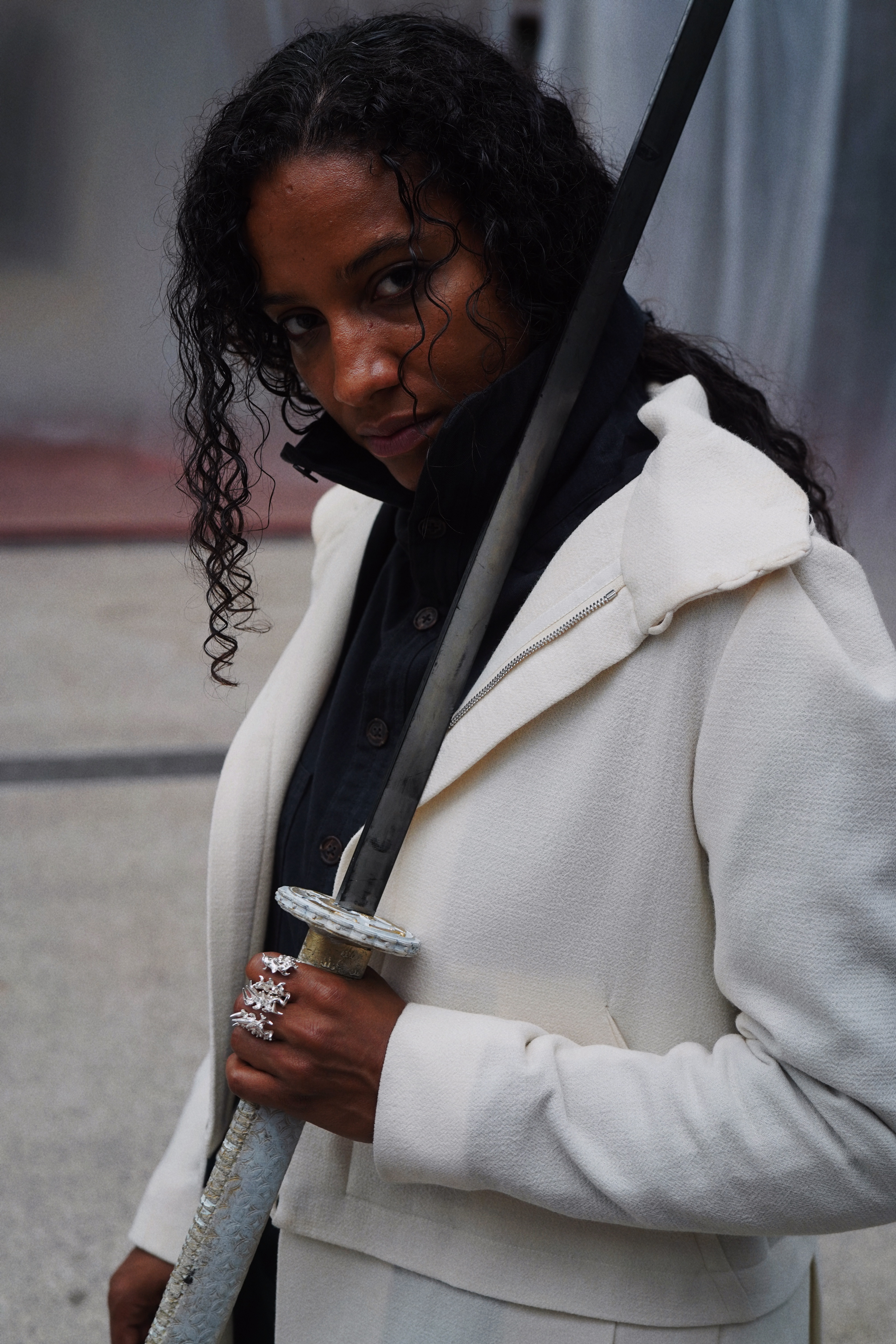
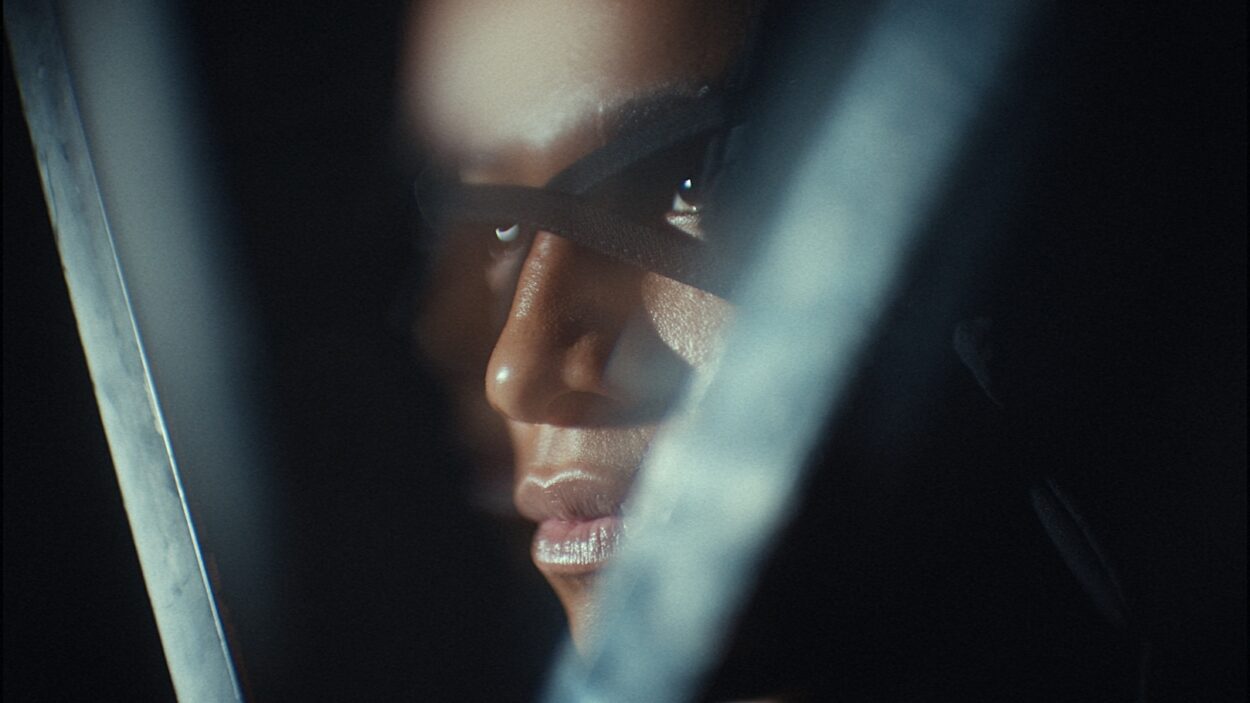
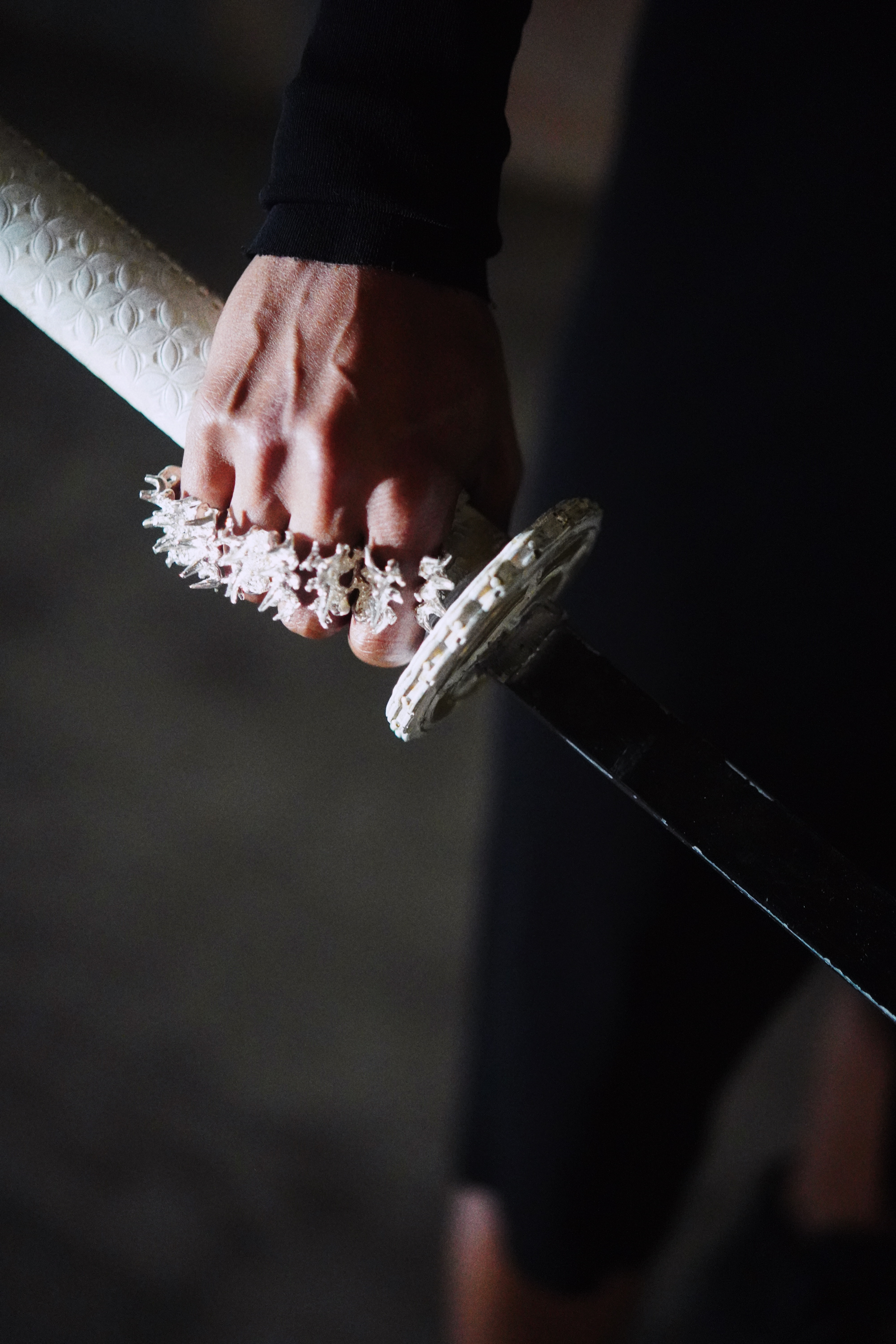
Joe : In these projects, we try to explore new territory. We always thought an epic sword fight, or some huge stunts would be great for this track. Exploring movement that goes beyond dance. We cast broadly and found Dan and Georgia; I must say, they were exceptional. Dan crafted an impressive fight scene, and Georgia’s dedication was remarkable. From her casting tape, it was clear she was highly skilled and possessed the on-camera presence that makes her captivating. She’s truly brilliant.
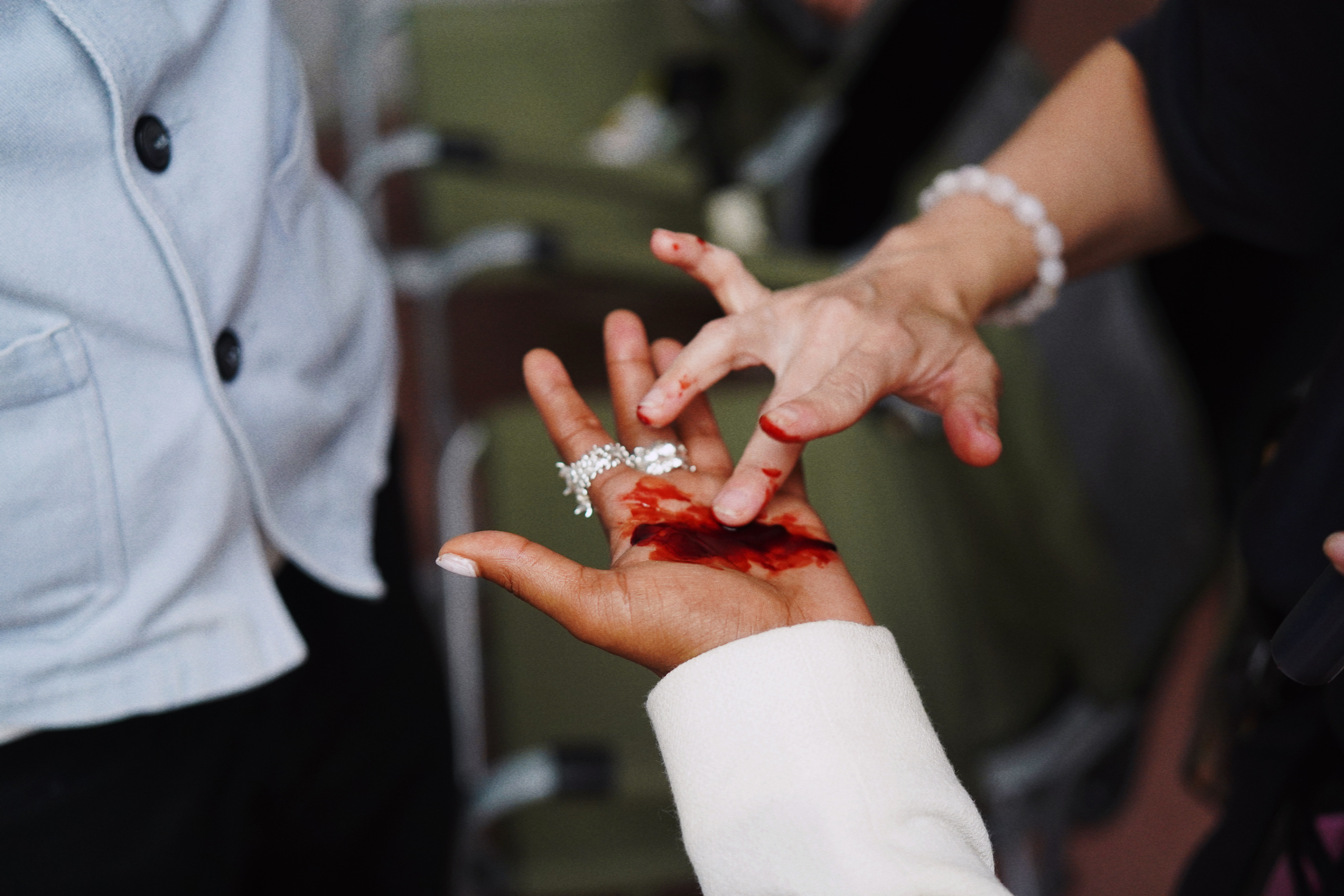
Emile: Once the sword fight made itself into the idea, we both quickly realised we hadn’t done anything quite like it before, and that it needed very strong choreography. We also realised that most fight sequences run somewhere between thirty seconds and a minute. We had a four minute song with it as the centrepiece. So an important element was really feeling her journey through the fight, the jeopardy that she might actually not win, and breaking it down into sections. It was a big relief when the whole thing finally came together in the edit.

What’s currently influencing the way you think — musically, visually, or culturally? And has that source of inspiration changed over the past two years?
Emile: As I mentioned, we talk a lot about our place in the world. With similar careers and similar interests, there’s a lot to discuss: AI, politics, what’s actually happening out there. Until we narrowed those grand ideas down into something more personal. It’s great to have a partner in Joe to work through those ideas and find ways to express what moves through us. Joe alone is an inspiration to me.
Supermodel is also not the tender part of us. It’s the fire part. In the themes we explore and in the way the process itself works, it uses heat and friction to shape the end result, which always emerges from quite a bit of explosive tension. And that’s a good thing, really. I love holding a mirror up to the world in this way.
Joe : I’m just eternally inspired by humanity, by love, fear, hope, passion, tension. Living is a great source of inspiration. I think a lot of the fear, anger, and suffering we are seeing today is a product of a deeper ailment. The glee with which suffering seems to be celebrated is harrowing. There’s a sickness at the core of society and the only balm is more empathy, understanding, tolerance and better tunes. Much, much better tunes.