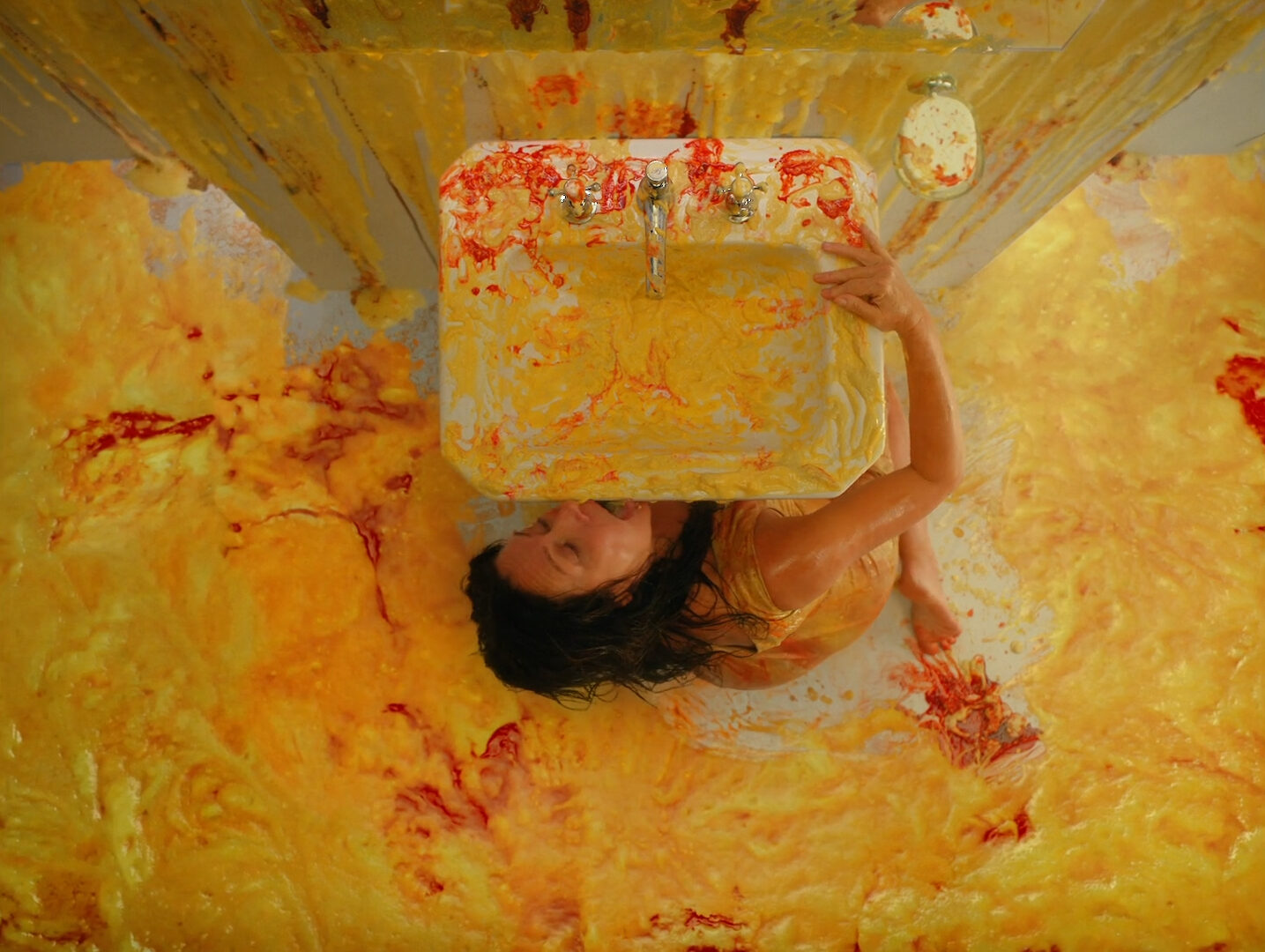
WOACA is a tight, dialogue free body horror built around an everyday ritual that turns into compulsion. It is a great reminder that pacing can be the whole story: the film begins with a soothing routine and near perfect symmetry, then gradually breaks that order once the intruder arrives. The escalation is simple, but the execution is exact, especially in how framing and repetition turn something small into something existential. As a craft reference, I keep coming back to it for one reason: it proves you can deliver discomfort, humour, and a complete emotional arc in under fifteen minutes, without leaning on exposition.
GUEST GALLERY: GORDIAN GLEISS, EIGHTSIX
SHORT FILM: WOACA (2023)
In our new series filmmakers and collaborators share the work that shaped them - across form, era, and genre. Our first guest Gordian Gleiß is a creative director and music strategist based in Europe, and the founder and managing director of EightSix GmbH. At EightSix, he works at the intersection of film, sound, and brand communication, with a focus on emotional clarity and storytelling through sound.
MUSIC VIDEO: METTE - Mama’s Eyes (2023)
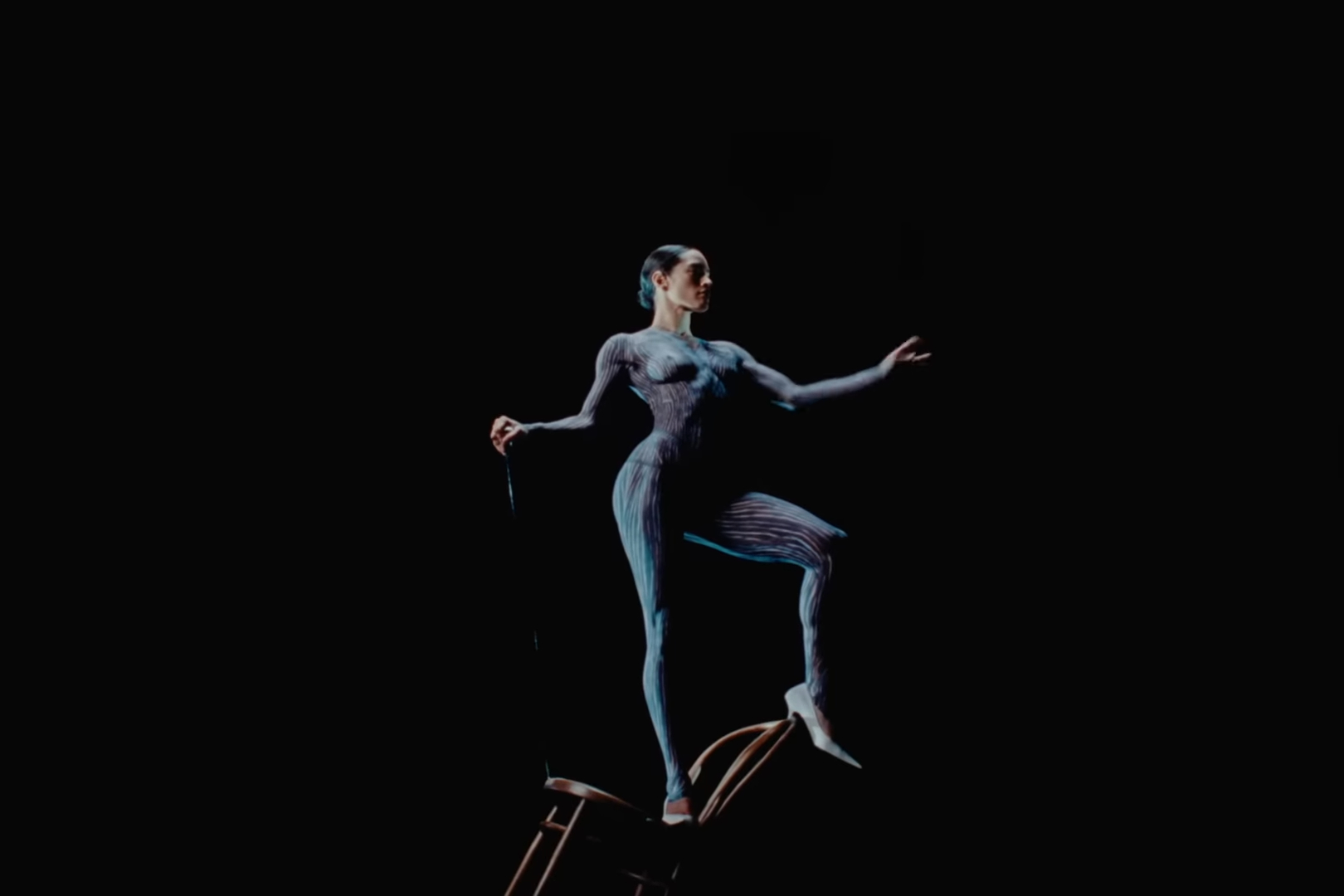
This video is a masterclass in how performance footage can become narrative through edit and juxtaposition. It cuts striking choreography against culturally referential material about growth, mothering, justice, and celebration, creating meaning without feeling like an illustrated lyric sheet. It is also a rare example of a performance driven music video that genuinely sustains emotional depth at this level. For me, the impact is in its confidence: it trusts rhythm, bodies, and montage to carry theme. When I need a reference for how to turn pure movement into story, this is one of the cleanest contemporary examples.
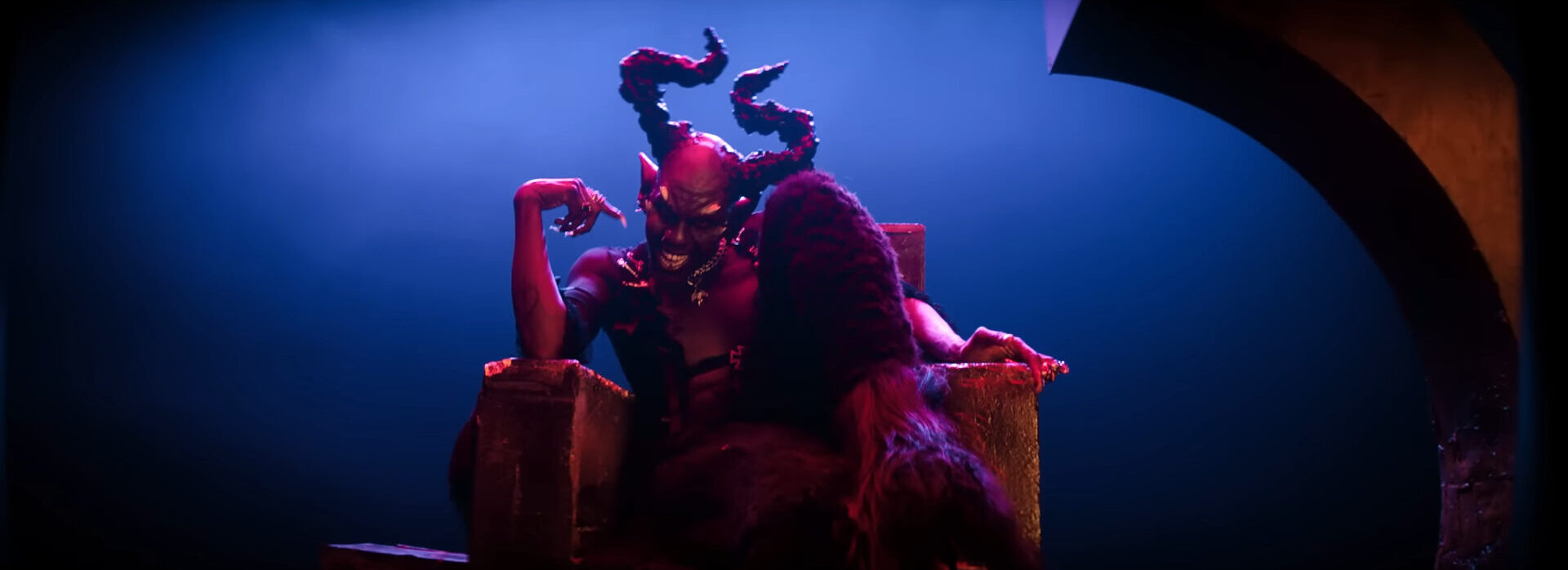
MUSIC VIDEO: Yves Tumor - Gospel For A New Century (2020)
I value this as a reminder that a music video can feel like a complete world, not just coverage of a track. The direction is bold and image led, and it commits to a single, coherent mood from the first frame, which is harder than it sounds. It demonstrates how far pure styling, atmosphere, and decisive creative choices can carry a piece when the concept is clear. When the goal is impact, not explanation, this is the kind of work that shows how to say less while leaving a stronger aftertaste.
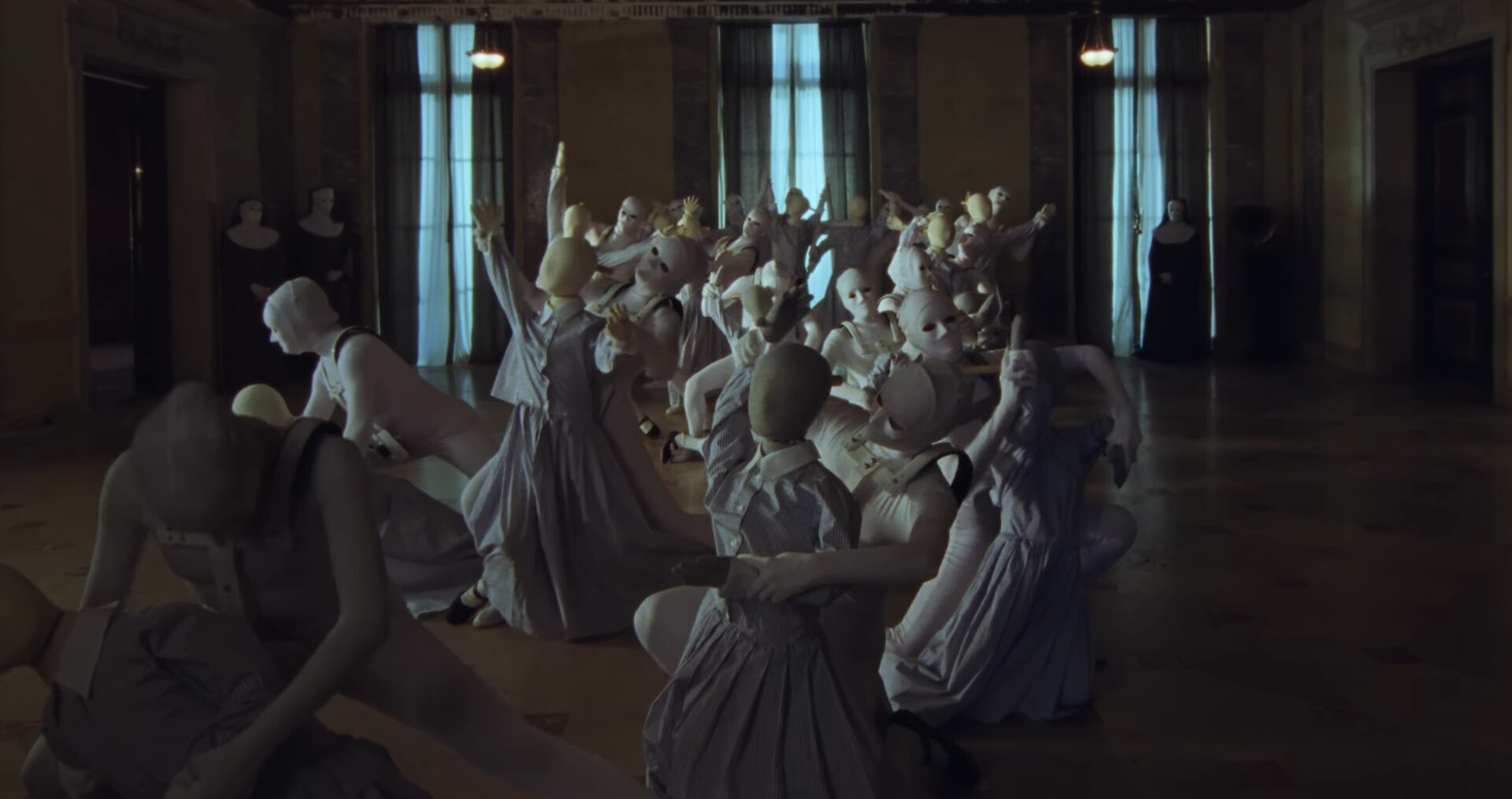
FASHION FILM: Discipline - Miu Miu Women’s Tales #31 (2026)
Fashion films often struggle to balance garment and story, but Discipline makes clothing the story engine. Set around a stately boarding school, it follows a routine of dressing and control, staged through life sized dolls and masked puppeteers, before building toward an ecstatic rupture. What I find compelling is the framing of girlhood and femininity as inherited performance, where costume and ritual come before identity. It feels like a commission that treats the brand constraint as a creative rule rather than a limitation.
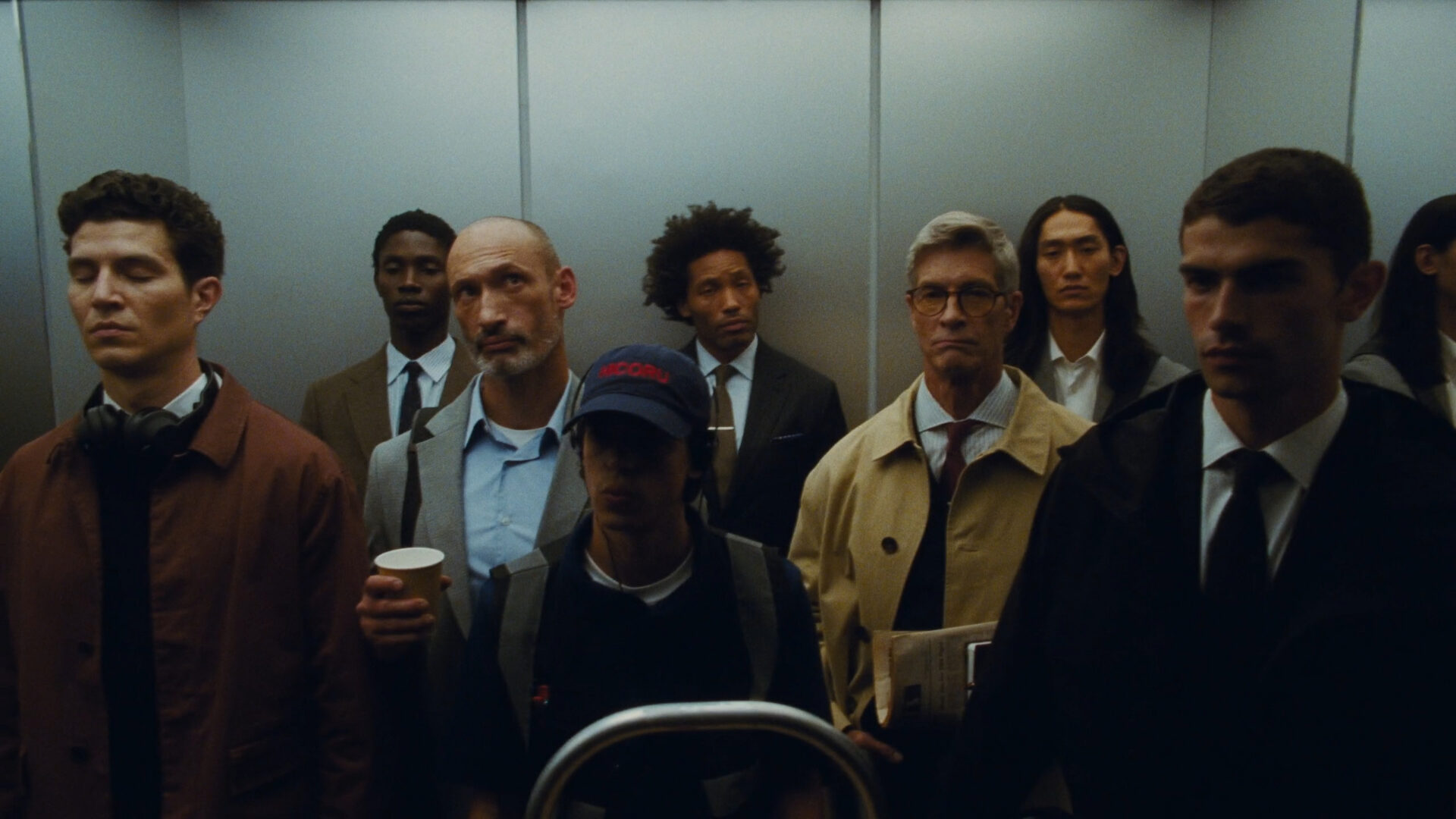
BRANDED CONTENT: ZARA - Back To Work (2023)
This is a commercial that embraces constraint and makes it cinematic: one elevator, a single workplace premise, and a witty script that understands the awkward choreography of office life. The craft detail that sticks with me is the commitment to film texture and to camera perspective inside a purposely limited space. It is a reminder that a brand film does not need scale to feel directed. It needs point of view, rhythm, and confidence in the idea.

TITLE SEQUENCE: Apple TV+ - Severance (2022)
Great main titles do not decorate a show, they declare the language. Severance is one of the strongest recent examples of that principle. The unsettling CGI animation pairs with minimal typography and sets the tone before the first scene has to explain anything. For craft, I value it because it treats the title sequence like short form filmmaking: concept, rhythm, and a clear emotional promise. It is a reminder that identity and memory can be built through motion design with the same seriousness as cinematography.
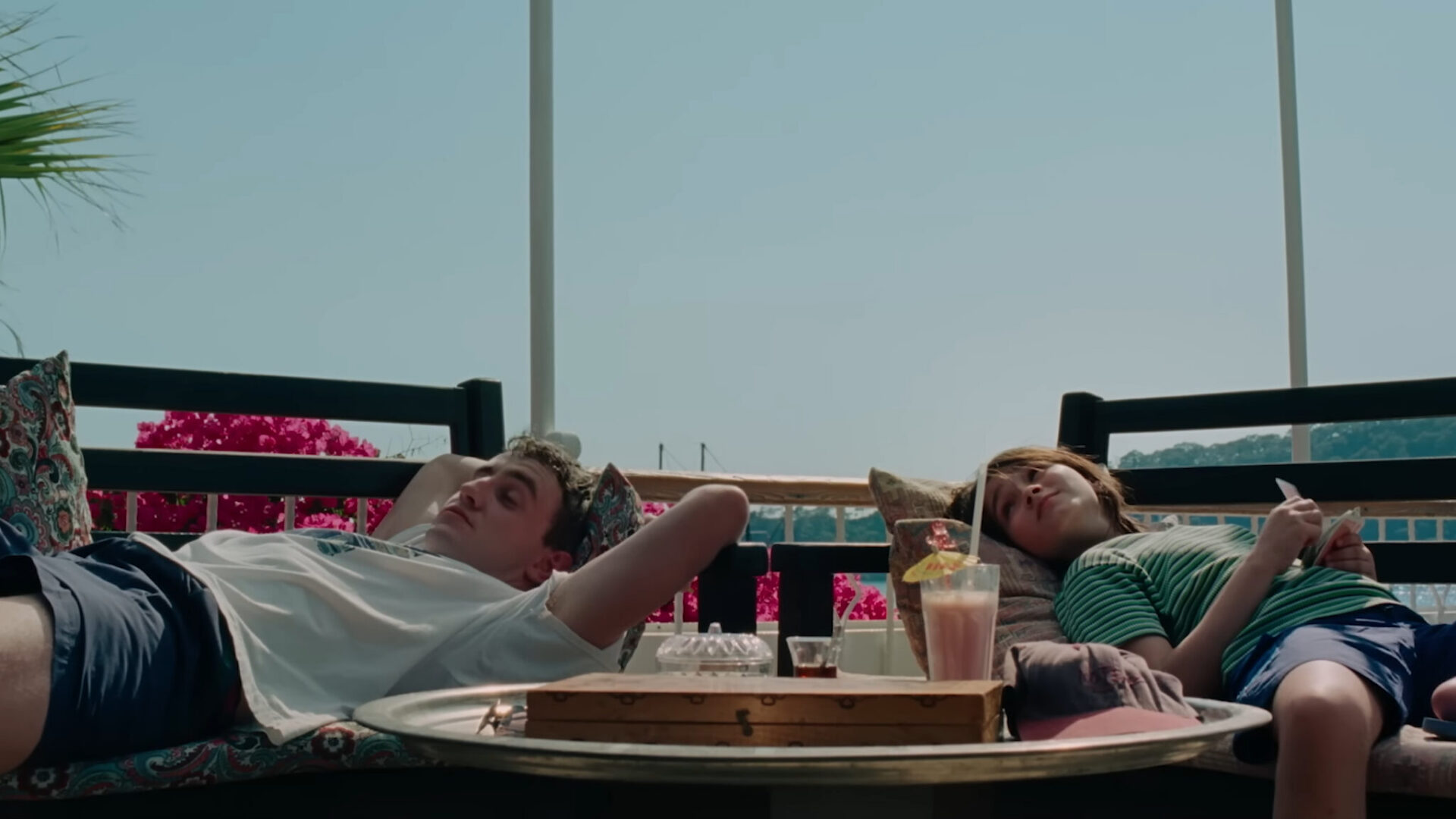
FEATURE FILM: Aftersun (2022)
Trailers often chase plot, but Aftersun’s marketing works because it chases memory. The trailer leans into mood and relationship, rather than trying to sell story beats. As a reference, it is valuable for anyone cutting emotional cinema: you can communicate tenderness, dread, and distance with restraint, and you can invite the audience in without explaining everything. It is a reminder that silence, pauses, and what is left out can be as persuasive as a big line or a big moment.