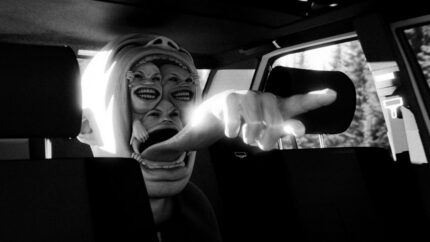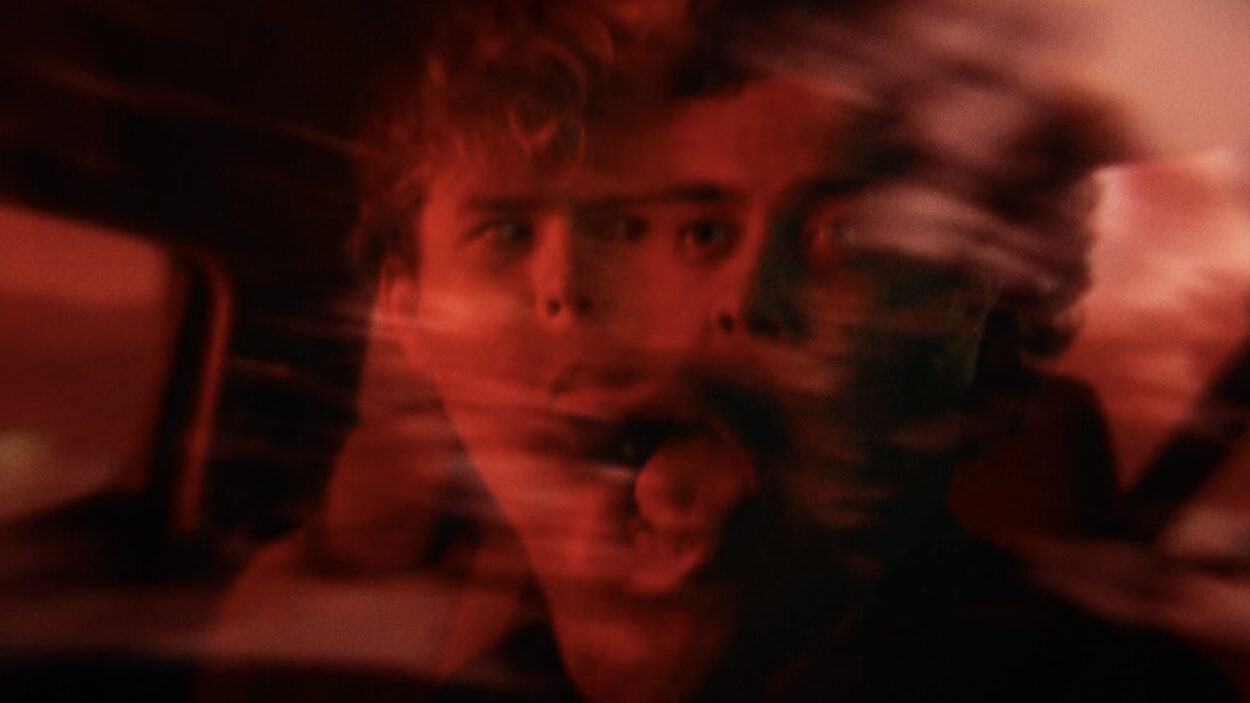
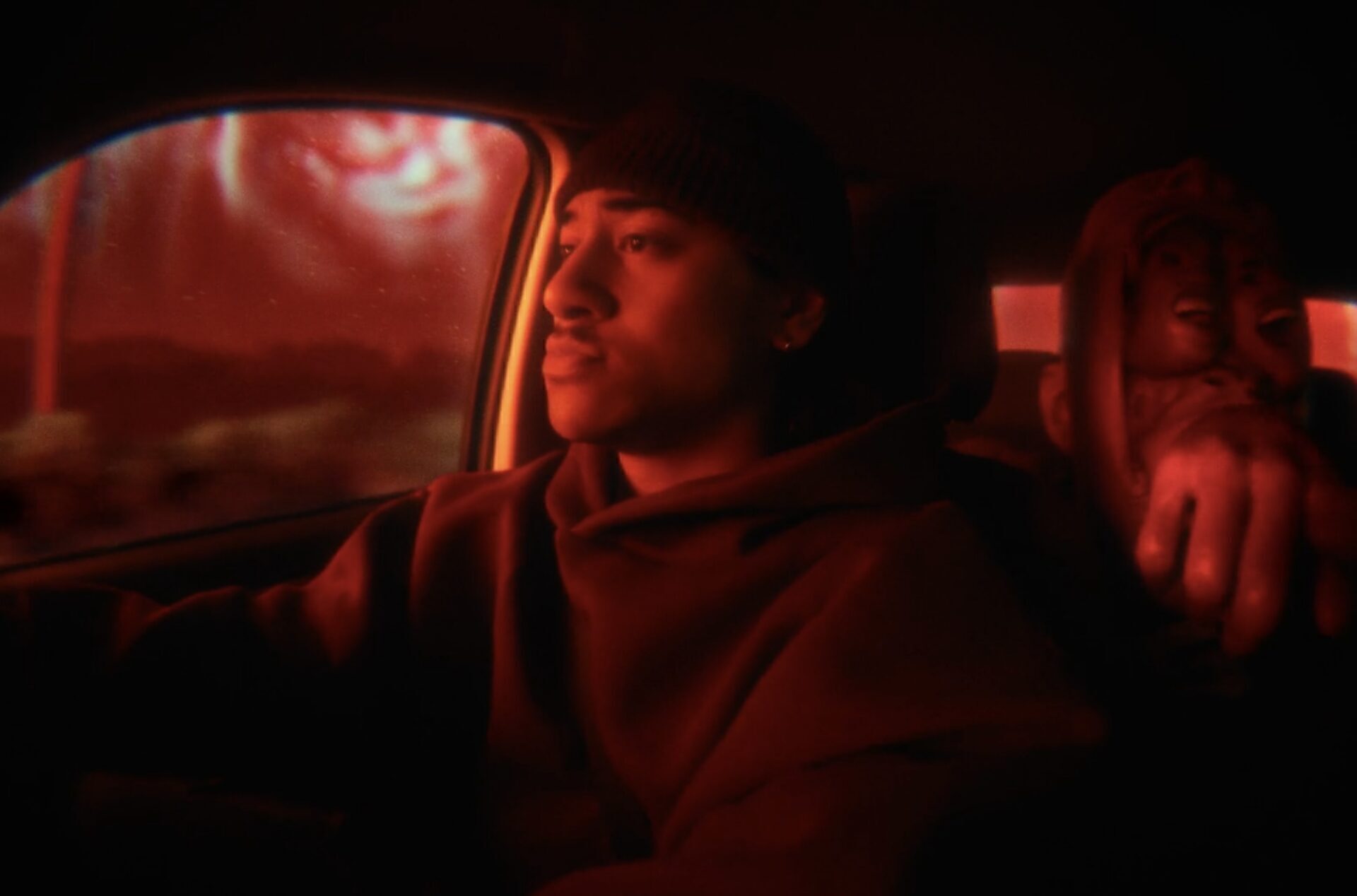
Waka Kotahi New Zealand Transport Authority’s new campaign, Speed Demons, takes a familiar road safety message and gives it a vivid, unnerving physical form. Built around the line “Rush for no one,” the work targets young men aged 18 to 24, a group that accounts for nearly one-third of road deaths in New Zealand, and dramatises the split-second pressures that can nudge drivers to go faster than they should. Rather than framing speed as a purely rational choice, the campaign imagines it as a cast of grotesque “demons” that ride alongside the driver, feeding impulse and bravado in moments of vulnerability.
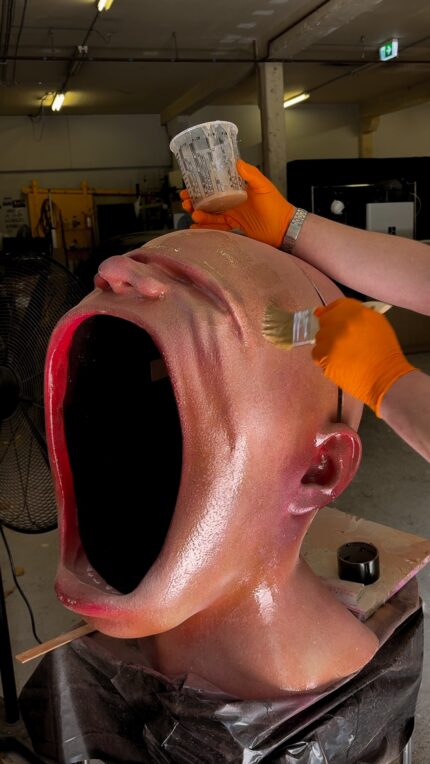
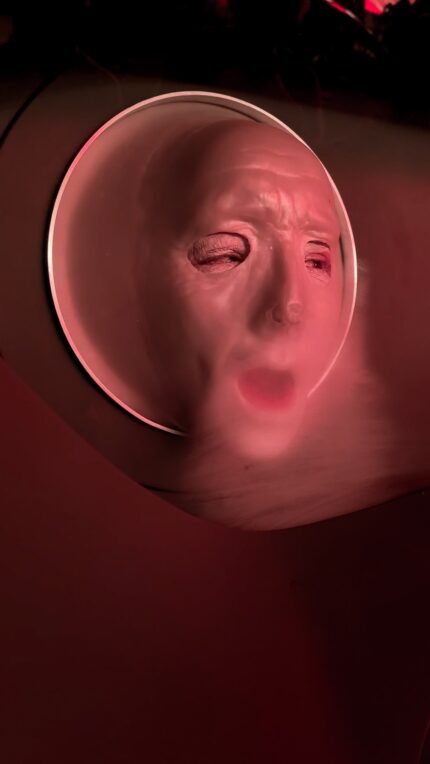
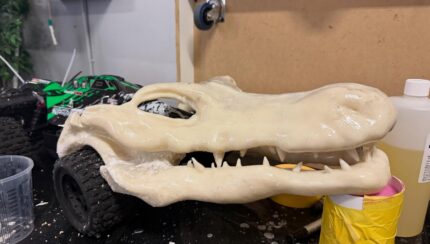
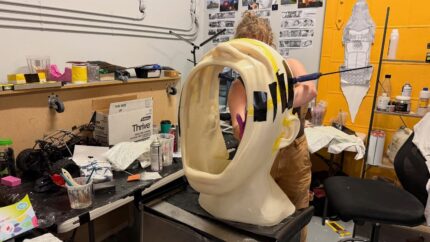
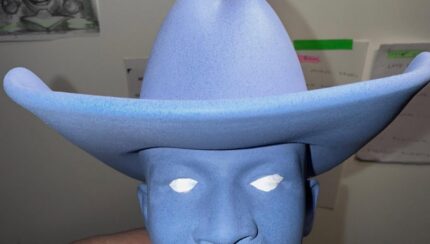
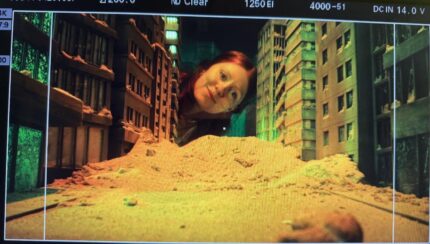
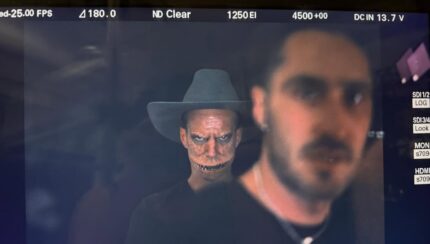
What gives Speed Demons much of its force is the fact that this world is not digitally conjured, but physically built. Directed by Michael Hili, the campaign is an entirely handcrafted production, made without CGI and without added 2D or 3D elements. Replica city miniatures, papier-mâché race tracks, silicone head puppets and hand-painted backdrops combine to create a stylised, slightly nightmarish streetscape that feels both playful and menacing. Even the demons themselves, developed from character designs by Jonathan Zawada, longtime collaborator of Australian artist Flume, are physical creations: sculpted, painted, puppeteered and captured in-camera before being brought together in post.
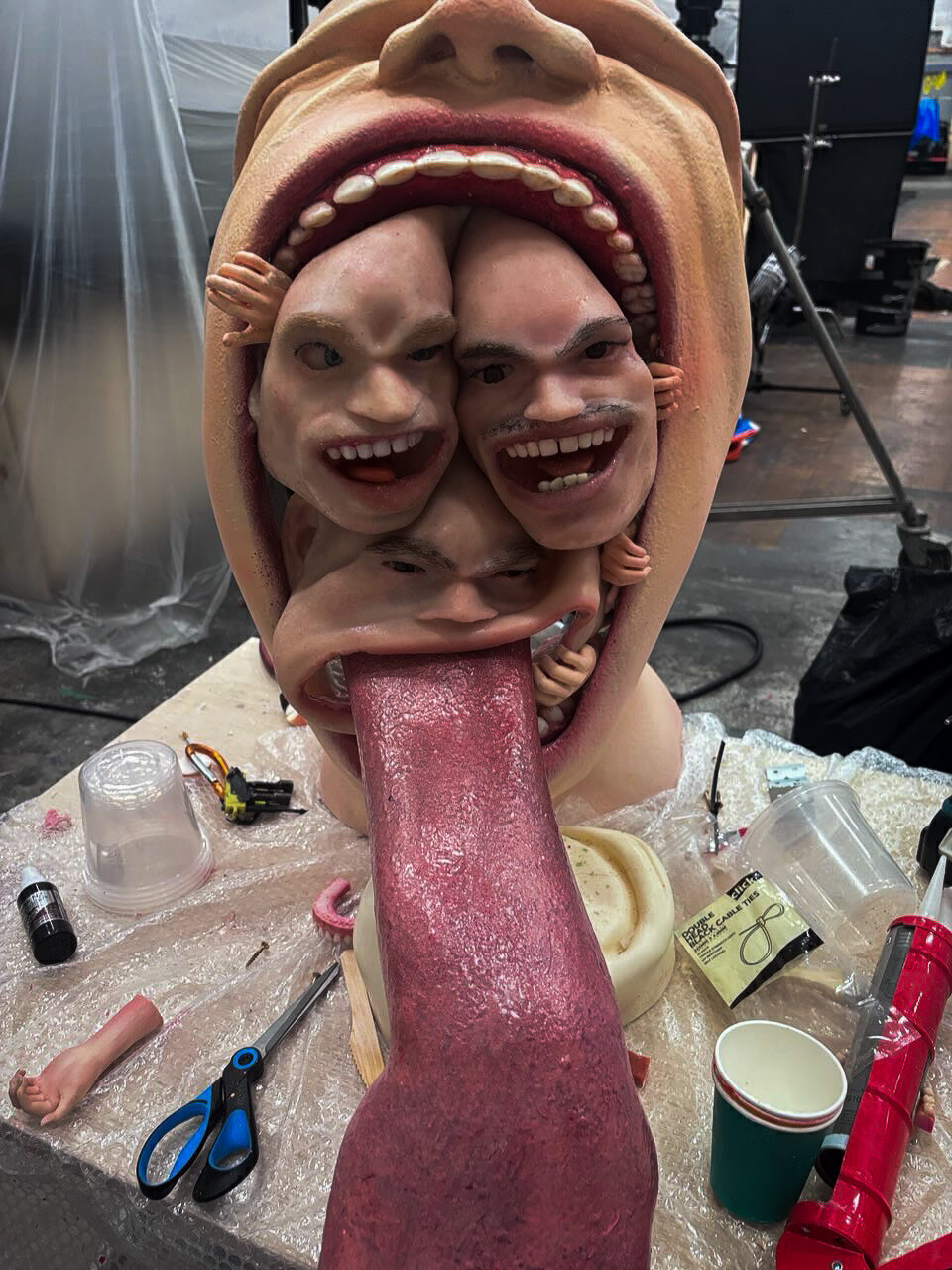
That commitment to analogue making was central to Hili’s process. A former stage designer in theatre, he brought a scenographic way of thinking to the films, spending two months with the Australian art department designing, sculpting, breaking, testing and painting the elements and materials seen across the three spots.
By Hili’s own description, the work evolved through a highly iterative, hands-on process: sketching, sculpting, model-making, paint tests, camera trials and repeated rebuilds as the world gradually took shape through experimentation and refinement.
That tactile development process was also central to the creation of the monsters themselves. Hili has said the team began not with how the creatures should look, but with the kinds of behaviour they were meant to represent, considering how these pressures might appear and how they work their way into a driver’s mindset. The aim was not to create generic fantasy figures, but creatures rooted in recognisable human impulses: a little pathetic, a little funny, but deeply unsettling once they take hold. From there, the designs developed through a mash-up of car parts, human forms and beast-like details, with each demon arriving at its own distinct identity.
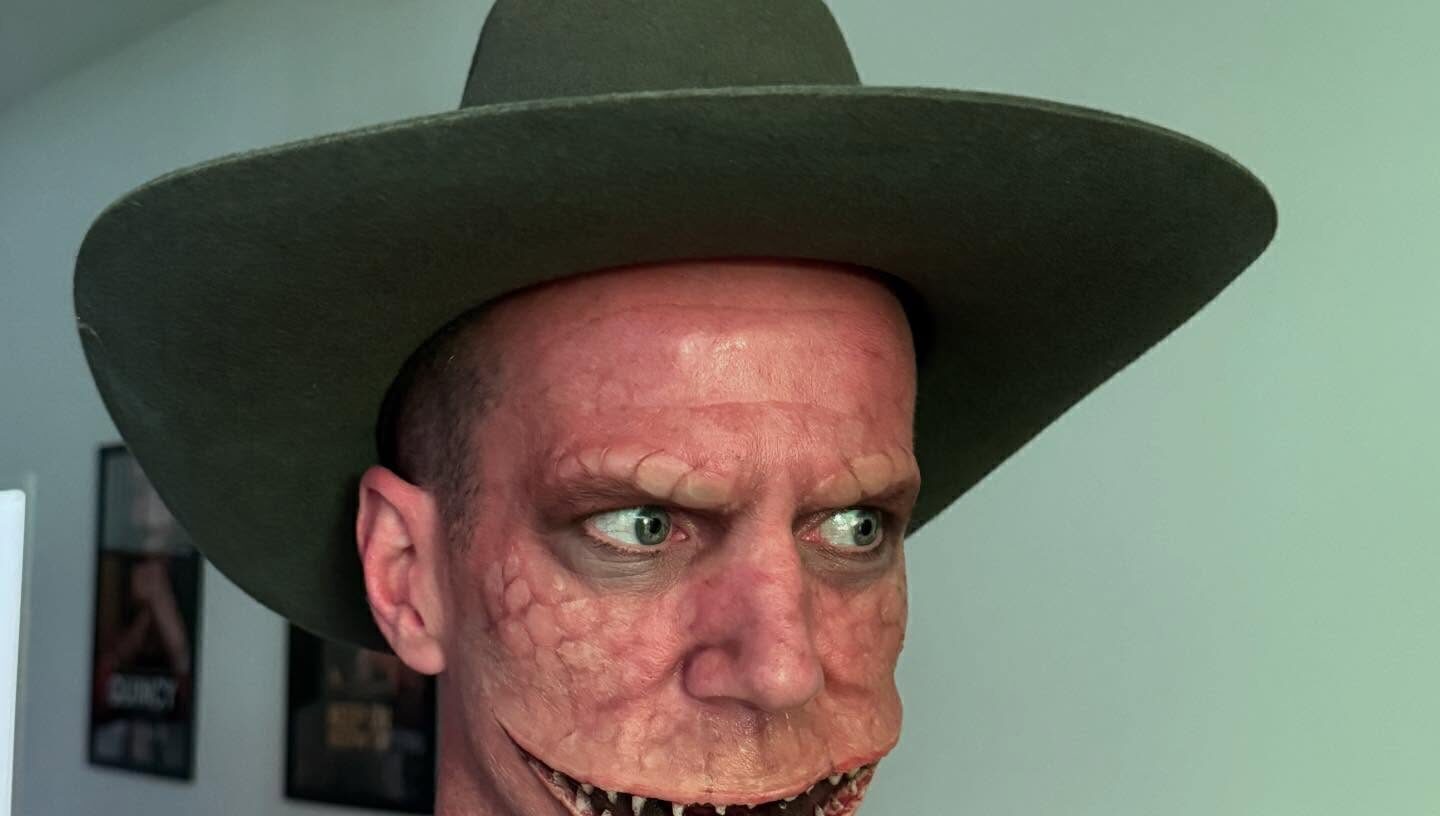
Crucially, Hili chose to keep the making process close rather than outsource it to a major SFX house. He has spoken about wanting to stay close to the practical problem-solving, making adjustments directly when something wasn’t working. With the support of FINCH, that meant turning the basement of the production office into a working makers’ studio, where moulding specialists, scenic painters, puppet makers, chrome painters and model makers all worked around him while pre-production continued in parallel.
That sense of effort is part of what makes Speed Demons resonate. The result is a campaign that feels tactile and immediate. It has compelling visual strangeness, the craft of a theatrical build and the emotional clarity of a strong public safety idea. By turning the urge to speed into a literal backseat presence, Speed Demons doesn’t just tell young drivers to slow down; it gives shape to the forces that can quietly push risky behaviour.