Shelter, Our House is not a Home
The Shelter campaign aims to reframe the conversation around the housing crisis, specifically targeting a missing middle audience, perhaps not those you’d immediately expect. Why was it crucial to speak to this group, and how does that focus change the creative approach?
I suppose the importance was to make all of us see that these predicaments could befall any of us. In a housing and cost of living crisis, we all are forced to fight harder to maintain what should be basic rights for living. I think creatively this meant really honing in on the performances and the casting, their nature had to be one that we could see in us and a big part of that was actually making sure to highlight their humanity, lighter moments amongst the struggle, how they are trying to make the best of a difficult situation because that’s what we would all at least try to do.
A quote from you beautifully encapsulates the work, “it was important to us to capture the humanity of the characters and create a sense of relatability.” You avoid shock value or what some might call poverty porn in favor of something more heartfelt. How did you see this approach creating a deeper, more lasting impact on the audience?
I think as you say this poverty papproach is not actually that effective in terms of creating a connection with an audience. It creates 2D characters and I think given that our news cycle is pretty harrowing at times, we’ve become quite accustomed to tuning out certain things. Through giving these characters as much of a full-bodied portrayal, audiences see more of themselves in them, the audience carry the ideas of the characters with them for longer and we as filmmakers have paid a greater respect to the experiences we are trying to evoke.
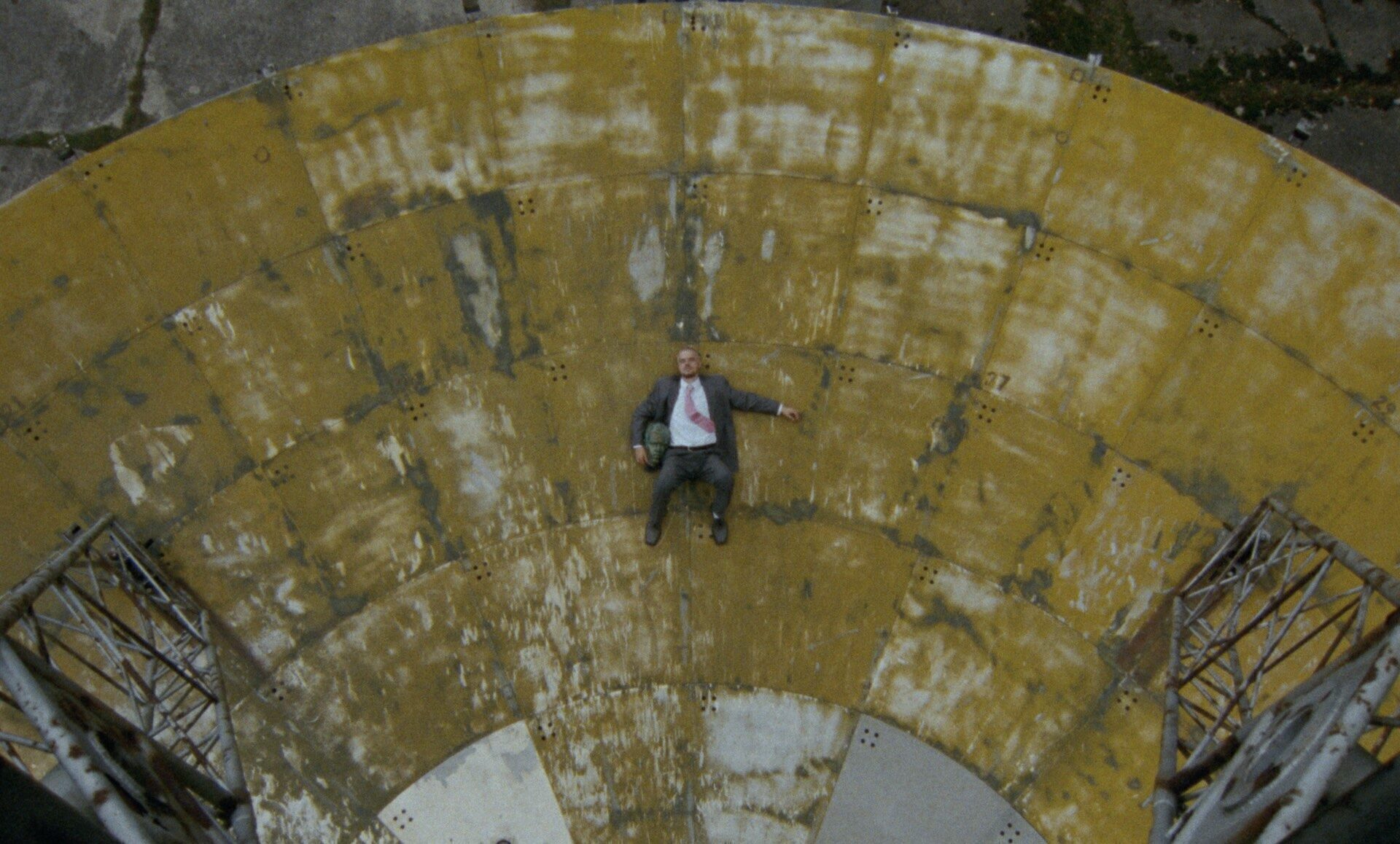
Oscar Jerome – The Fork
The film tracks a seemingly normal family’s routine, but a palpable unease simmers just beneath the surface. How did you strike the balance between overt exposition and gently guiding the audience to discover the unsettling truth of their situation for themselves?
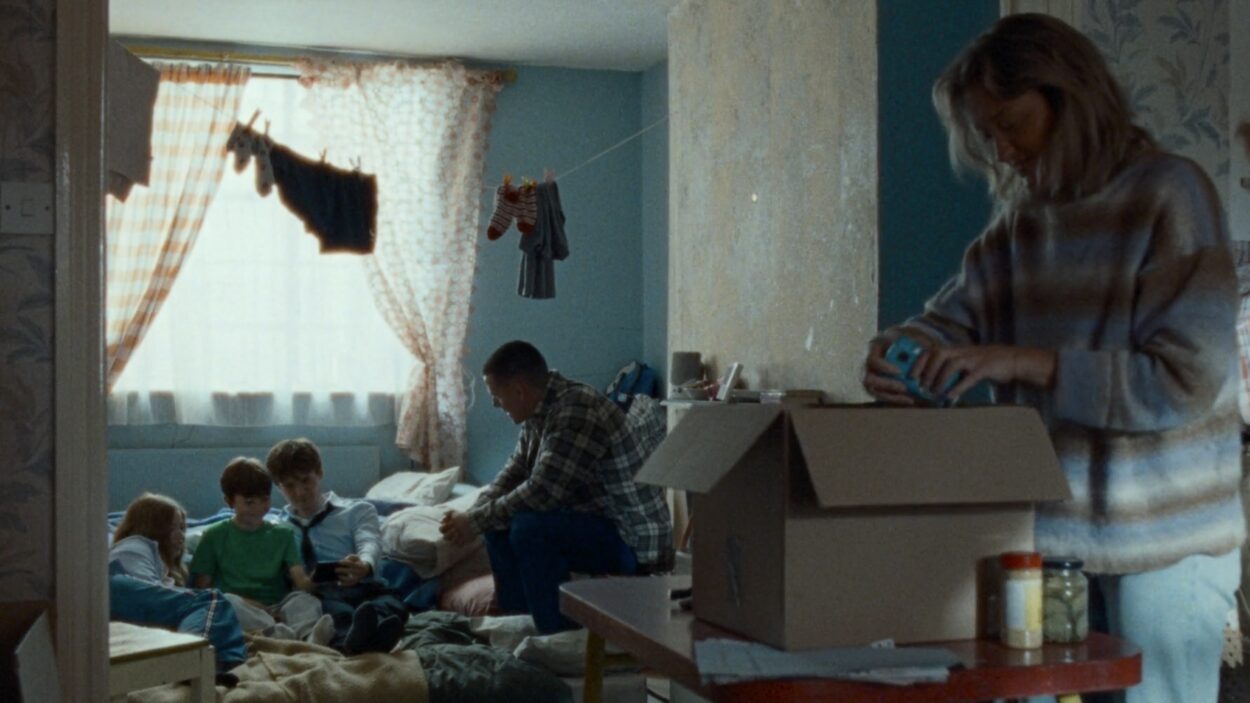
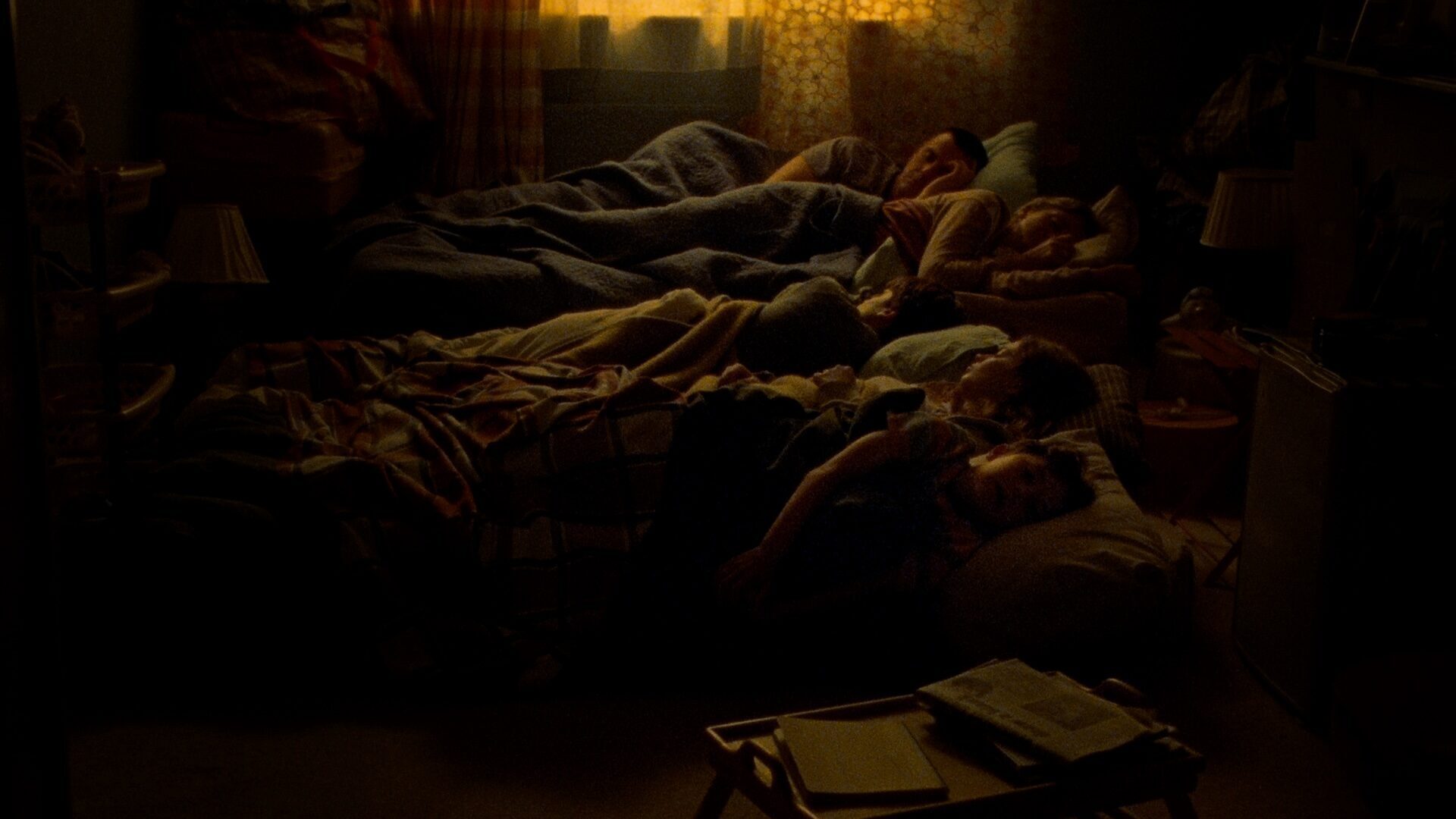
This was something that was a challenge, because we really needed the audience to know the level of discomfort, inappropriate housing like this can cause to a family’s physical and mental wellbeing. I think it was a case of peppering each image with something that hints towards this, so if it’s the younger son playing, he’s doing so on a mountain of boxes of their belongings, if it’s Sunday roast time, what they’re actually making is whatever they can get from the food bank and they’re eating it on the bed or the floor. These are in the edit, all then accumulated to our most hard-hitting scene where the armour of the family’s strength dents somewhat when we see the Mum telling the son that he’s safe with her whilst holding back tears.
The adapted Our House track is integral, its lyrics almost acting as the script. How involved were you in the track’s breakdown—its tone, length, and vibe—to ensure it remained recognisable yet took on a new, poignant life of its own?
We defo saw the lyrics as a narration to the film and tried to find ways that we could juxtapose the meaning of lyrics in a way that was effective and true to the reality of circumstances in temporary accommodation. We felt the first verse leading into the chorus was where we had the most potential to do this. When reshaping the instrumental we also wanted to maintain some familiarity to the song because its notoriety was a powerful vehicle for our message, but naturally it needed to be more sparse to reflect the mood of the film.
One of the ways we did this was to take the original trumpet notes and repurpose them as softer piano chords. Then the delivery of the vocals itself we worked really hard on to get a delivery which wasn’t too saccharine, felt appropriate for the character and also gave us enough time on each delivery to land the visual beats of a scene.
The campaign argues that a house is a physical structure, but a home is a sanctuary. I’d love to dig into the production design, which makes that idea tangible. Finding, or building, that perfect stage was key. Can you talk about creating details like the flimsy wall the mother leans against, or the ceiling oozing water, to manifest the home’s failure?
Finding the right space was tricky because we needed it to be small enough for it to feel genuinely like the dimensions of what you would expect in TA but also not so small that it would negatively effect how we planned to shoot it and our ability to work in the space. Secondly, we still wanted some depth compositionally, and we needed to make sure that on a small budge,t we could fill it appropriately. We were fortunate that the details like the leaking roof were already part of the space, and then I think we just tried to orientate the space with the mentality that certain items in their proximity needed to jar against each other. For example placing a small fridge at the foot of where they sleep. We used the beds as an anchor and then arranged around that. Violette, our production designer, did a wonderful job in hitting the balance between communicating a pressure of living forced upon them by the size of the home whilst also trying to make it not feel like they were dirty, there was still a sense of house pride.
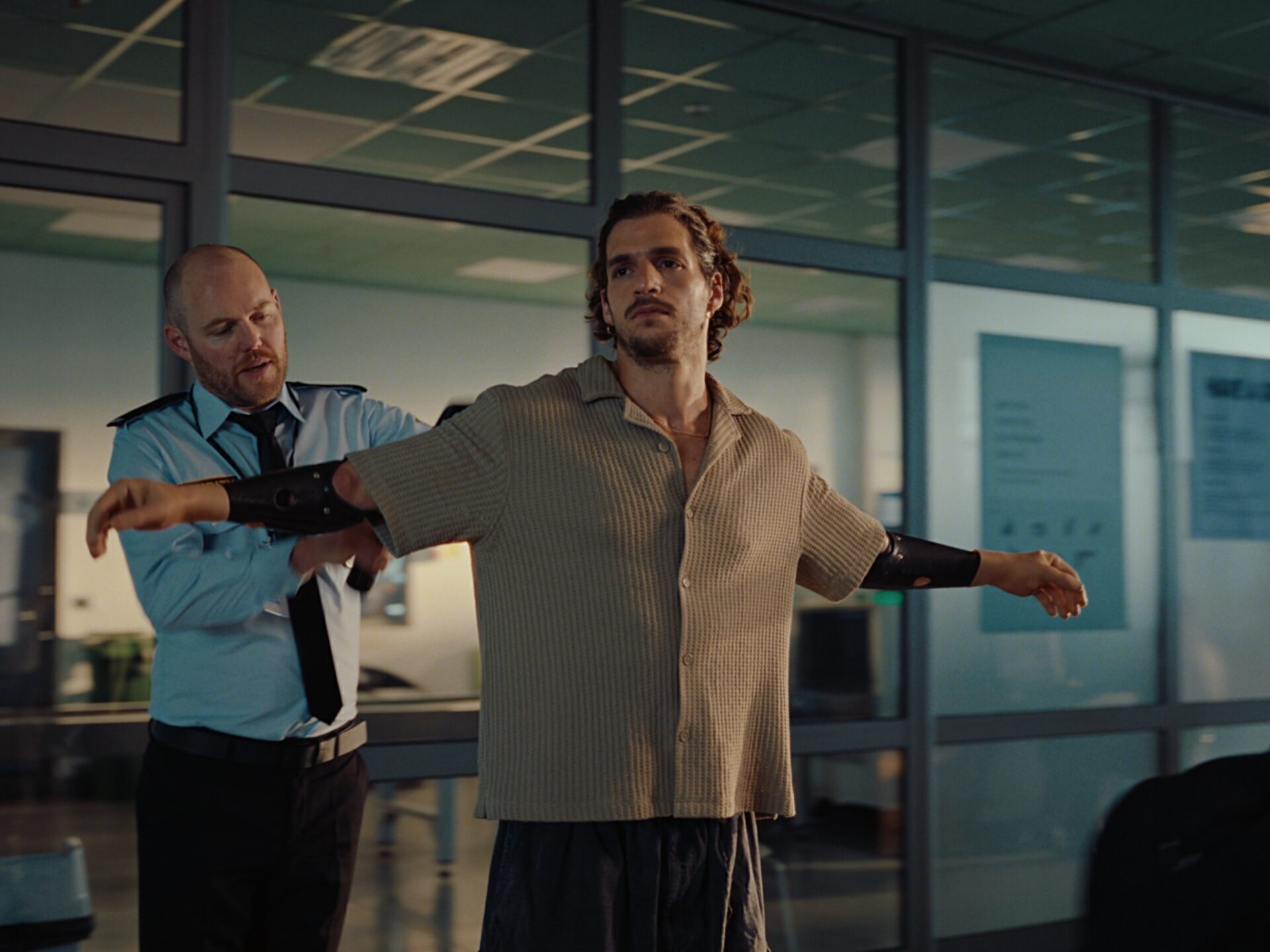
Ottobock – The Invisible Class
Tangible texture is a hallmark of your work, and it’s powerfully prevalent in Our House is Not a Home. Shooting on film gives an inherent grain, but how do you actively play with texture, the feel of damp, the sound of arguing through walls, to ensure the audience doesn’t just see, but feels the environment you’re visualising?
Atmosphere and the building of that in a film is a massive part of my style I feel – I like to think my films are quite sensory so I’m always very keen to try to push the elements that can immerse you into the world. I think it’s a whole package deal with getting that sense of feeling that you mention. All the elements play off each other so that in some ways, you can’t escape it, and that’s not to say you need to bombard it with stuff to get to that place either. Sometimes silence or the omission of something is super useful in getting you to feel an emotional idea.
Your work has a distinct, visceral feel. I’m curious how the language of music videos, those compressed, emotional narratives, informs the approach you take to your high-end commercial projects today.
Music videos are where I learnt my craft, that was my playground before I ever got close to a commercial. I think for that reason it’s hard to deny their influence on my work, I think definitely from a textural perspective they can offer so much. In getting the nuances of a performance and a specific structure, you may have to pivot away from what you have learnt or are used to in a music video. But again it depends on what videos you have been making, I think as with commercials depending on who you’re working with, what the goal is, there is such a broad scope to explore so many things.
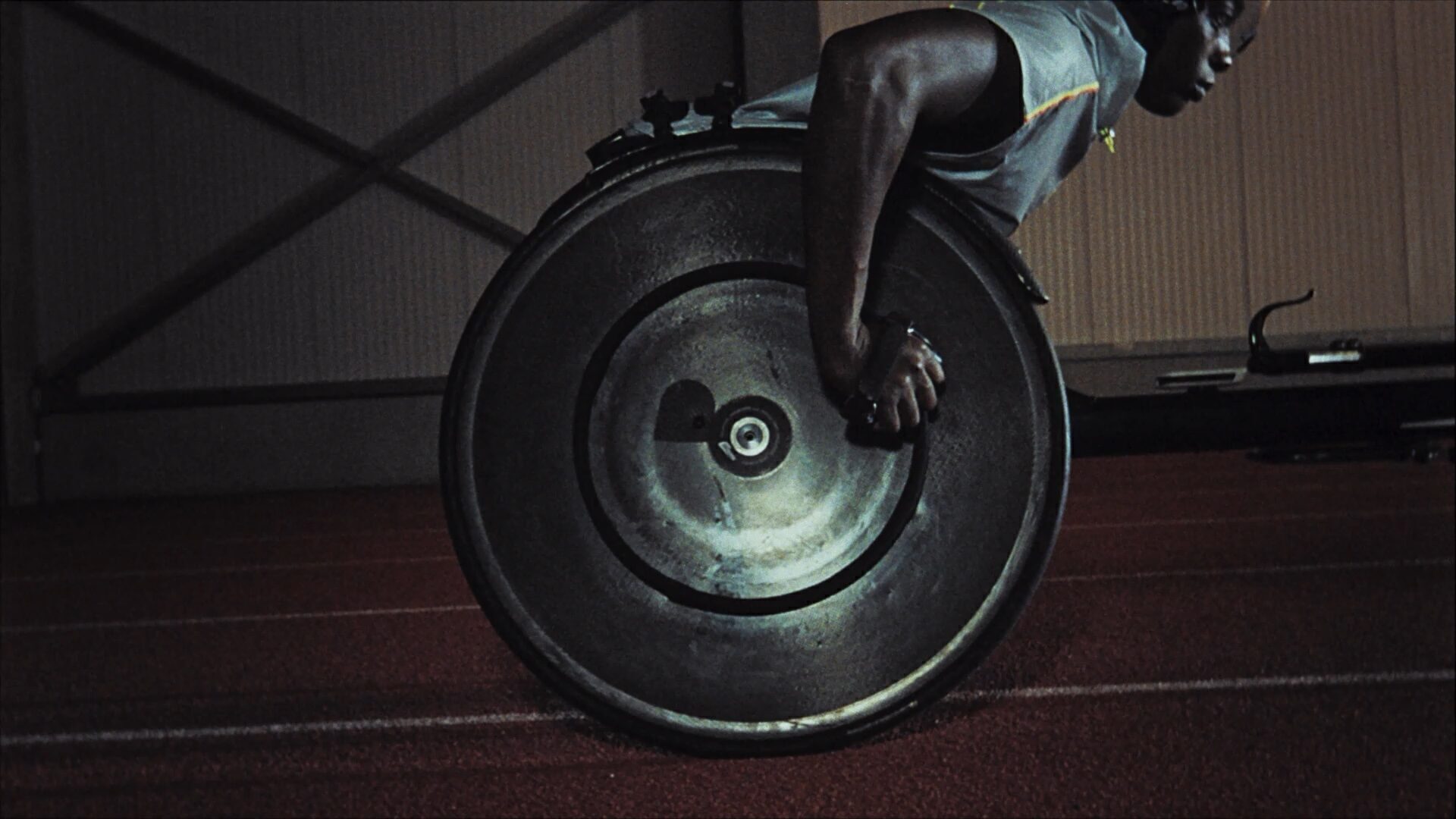
Paralympic Team Belgium – The Empty Seat
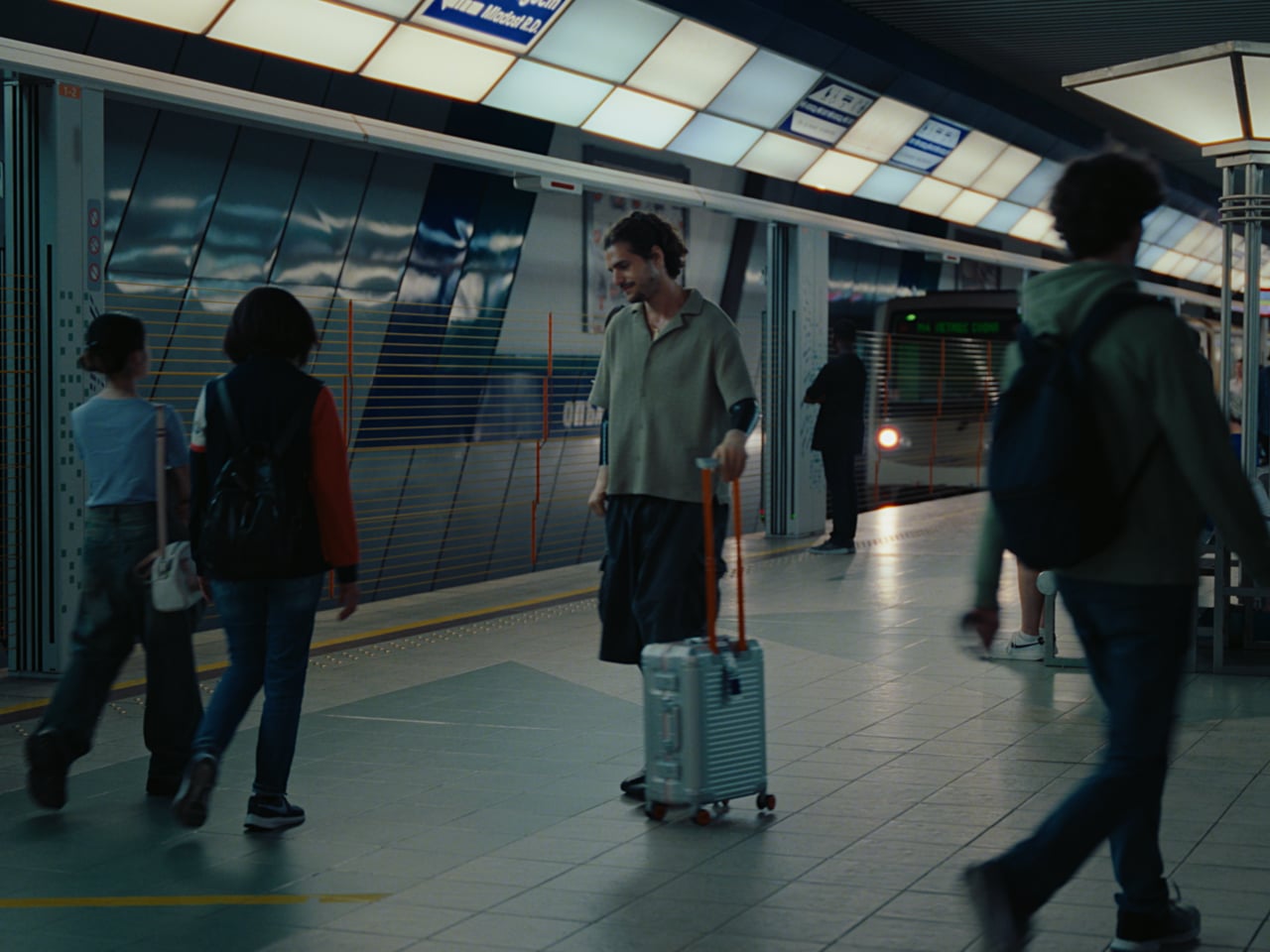
Looking at your whole body of work, there’s a clear interest in demystifying truths and highlighting overlooked disparities. Empty Seat exposes the support gaps for world-class athletes, and The Invisible Class challenges assumptions about accessible travel. What draws you to using your voice to challenge perceptions in this way?
It’s nice that this has been a pattern of my work of late, but I can’t say that it was particularly planned that way. I think where you can in advertising, you want to square your participation in something which is selling a product with a nobler intention. These projects were great vehicles for doing so, and I guess why I enjoy social awareness campaigns of this kind. Ultimately, my desire to be a filmmaker stemmed from a curiosity about people, the world around us, and I think my heroes, the very best of filmmakers have found ways to challenge what you expect of a commercial or a music video or a film in doing that. That’s the magic of a good storyteller.
Finally, what’s captivating your attention right now? What’s keeping you busy?
As I’m writing these answers, I have been living in Lisbon, where I went to try and finish some long-neglected work on the short film I would like to make. Having now completed that work, I hope to find funding next year and make it, exploring a new medium for me and seeing where that takes me. 2026 will be the year, I swear!
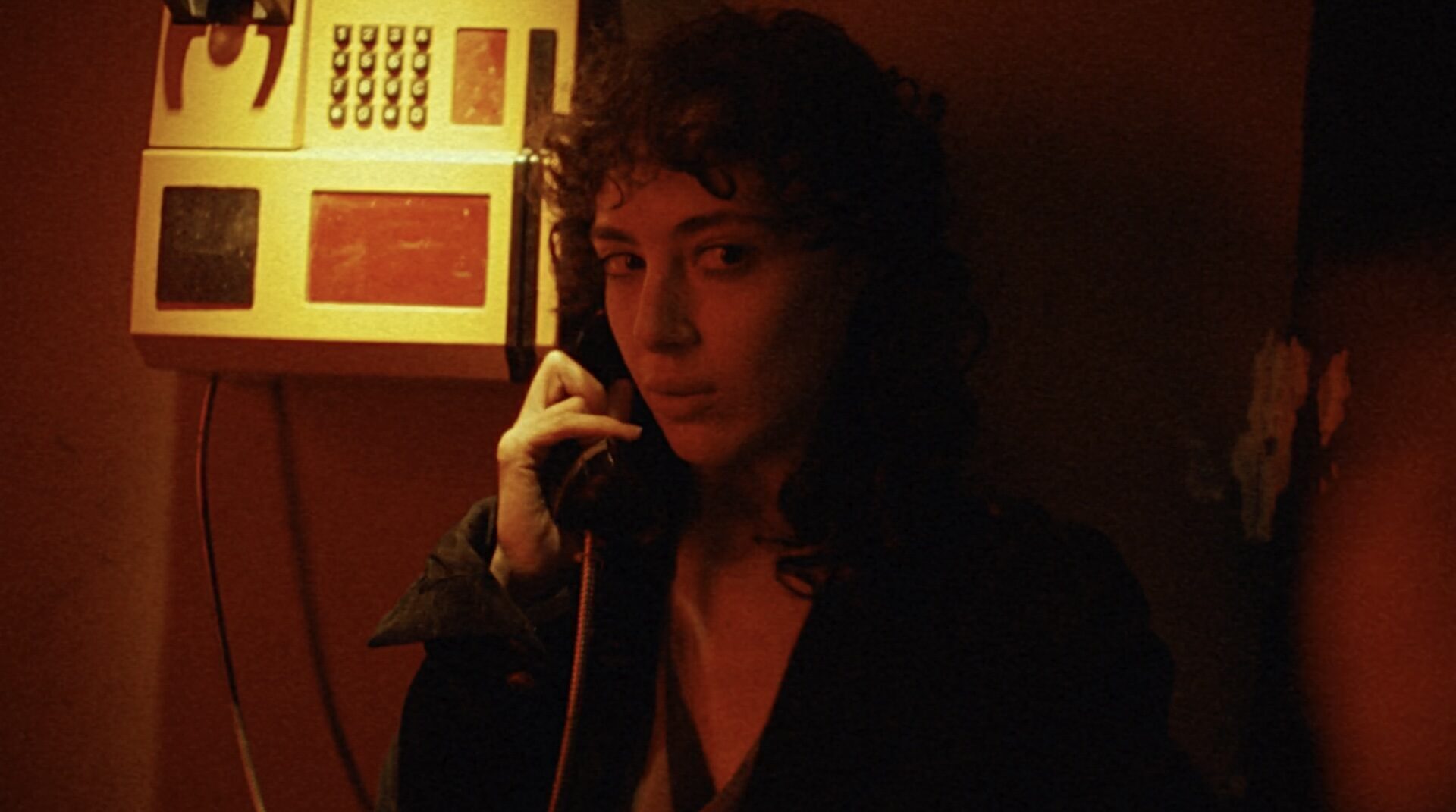
Eastpak – Your Canvas