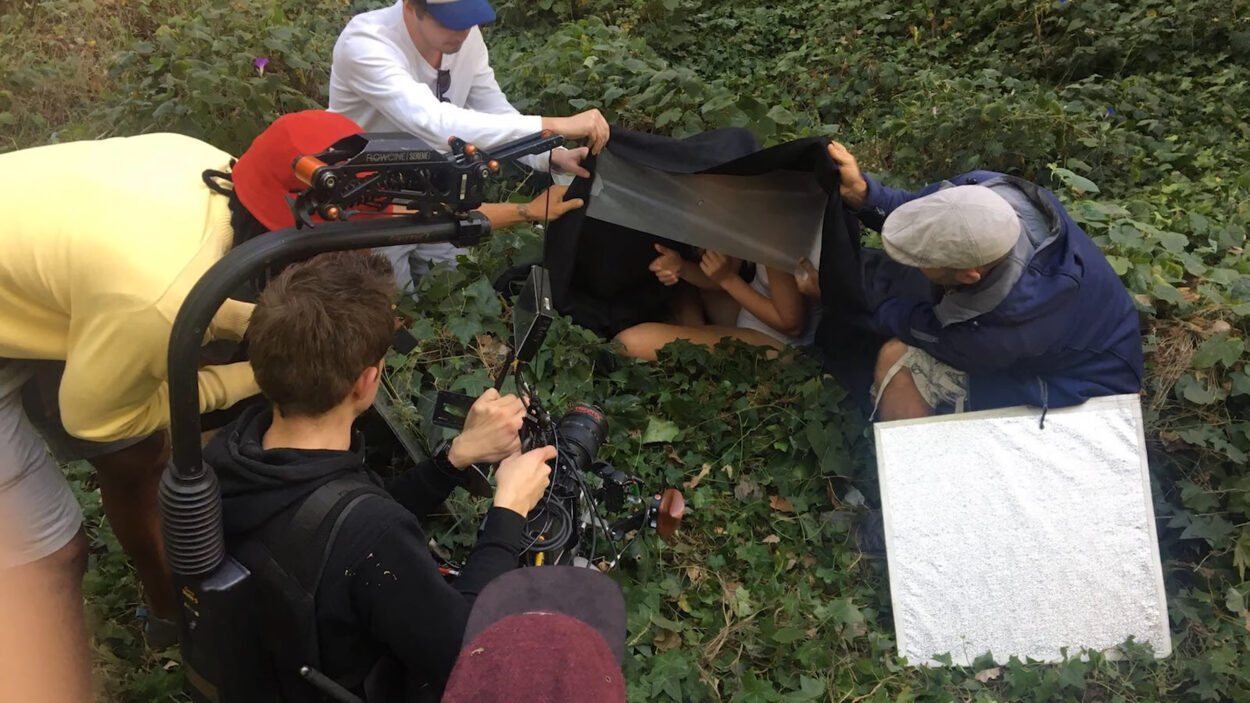
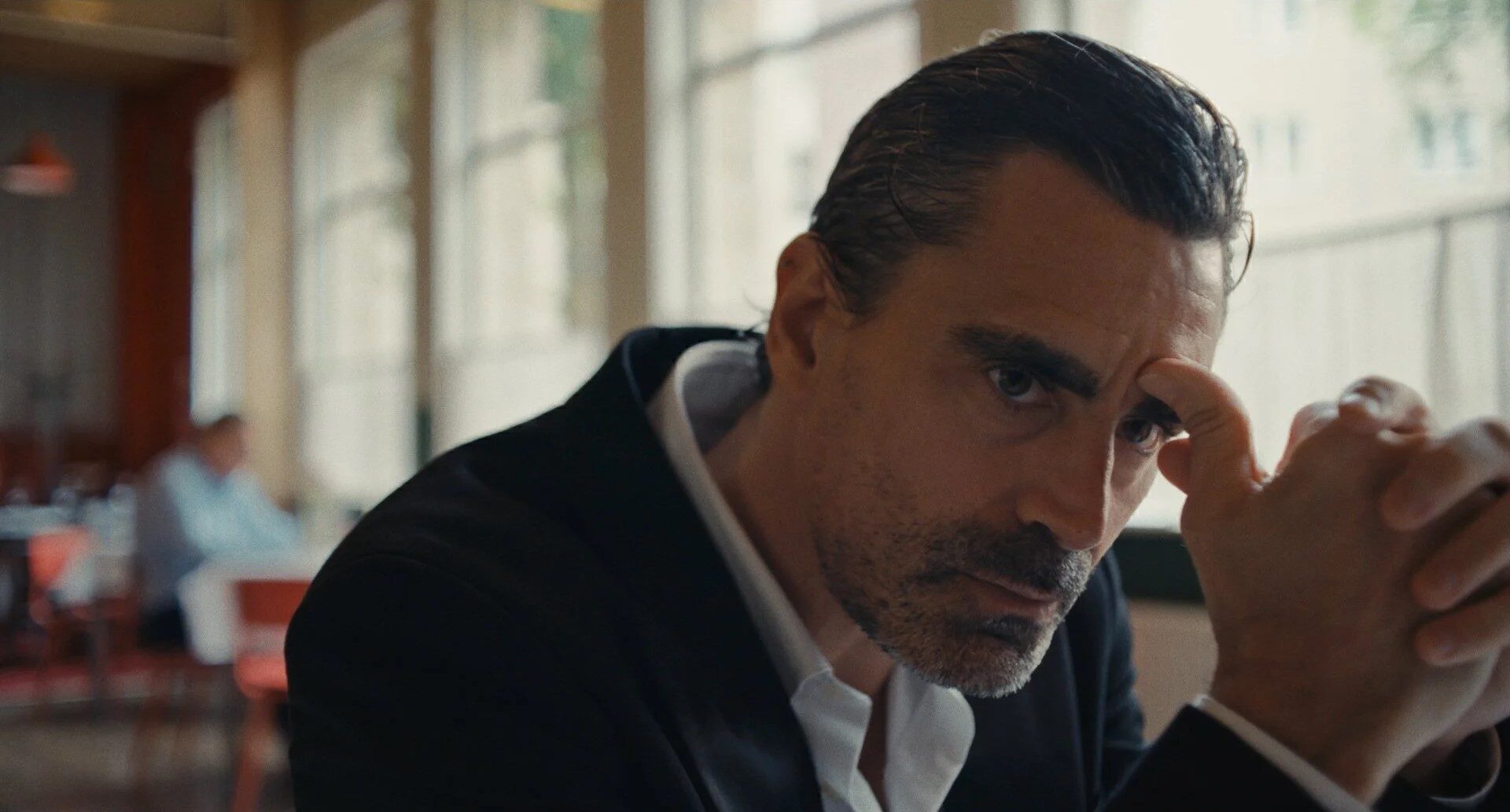
You’ve described the film as an exploration of mentorship — the tension between nurturing talent and letting it grow beyond you. Why was this theme so important for you to tackle now, and why through the eyes of the mentor rather than the protégé?
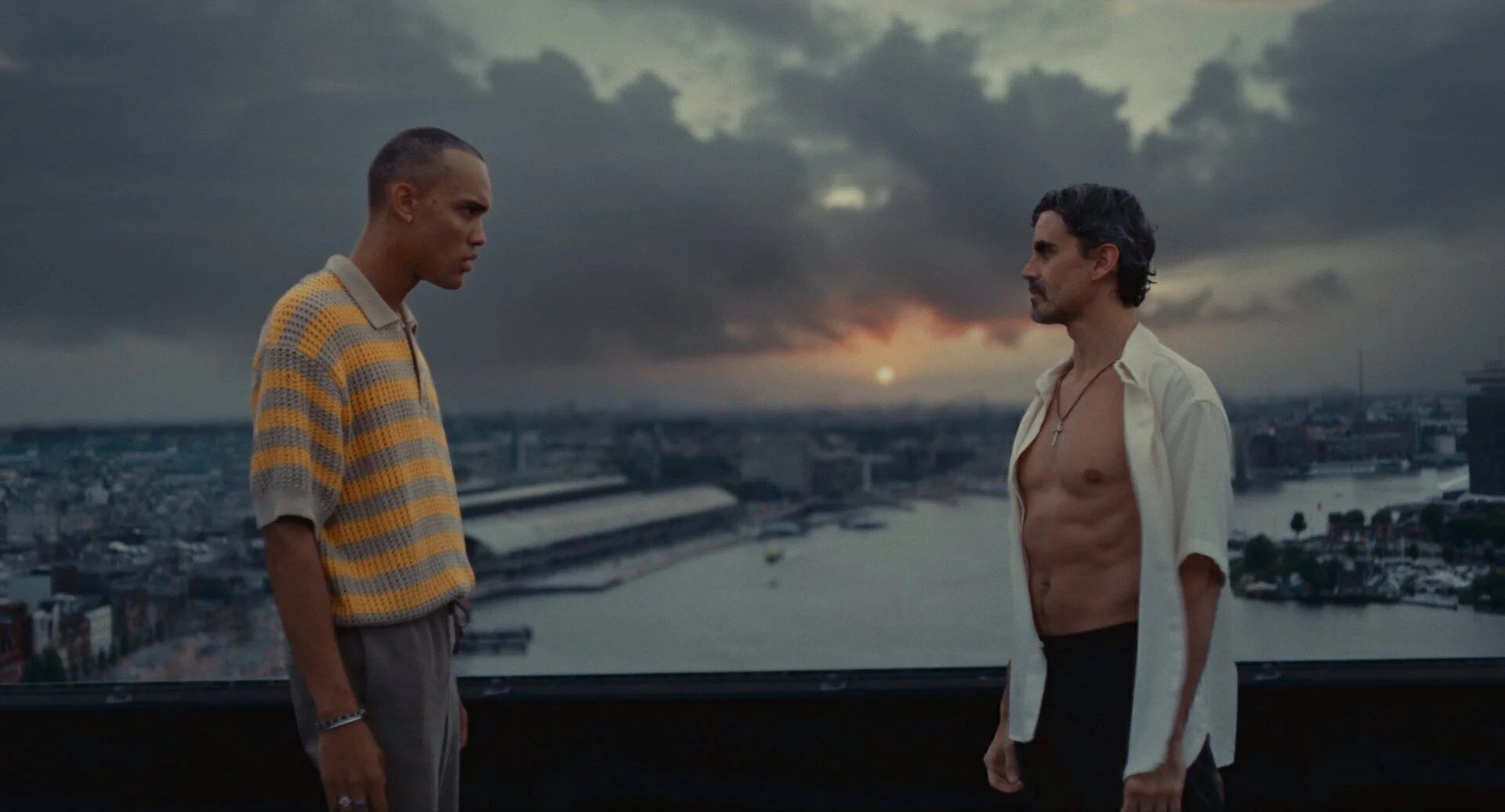
I needed to kill someone, even just symbolically. Early in my career, people appeared who took me for rides, giving me opinions on my vision, who I was dating, even my sexual orientation. Constantly pressing that I needed them, that they had the healing or experience I should stay close to. Cult leader vibes! As someone not coming from a traditional artistic milieu, this really affected me. The mirroring that happens in the film captures that subconscious tendency to adjust posture, adjust way of speaking, buttering someone up. I am fascinated by false mentors, by the primal need to be needed. There can be toxic ego hiding behind “valuable experience,” and I wanted to explore those wounds rather than another predictable coming-of-age story.
Dance is the heartbeat of this film. Have you worked with dance before in your filmmaking, or was this a new language for you? What did it unlock in terms of storytelling that words or conventional narrative couldn’t?
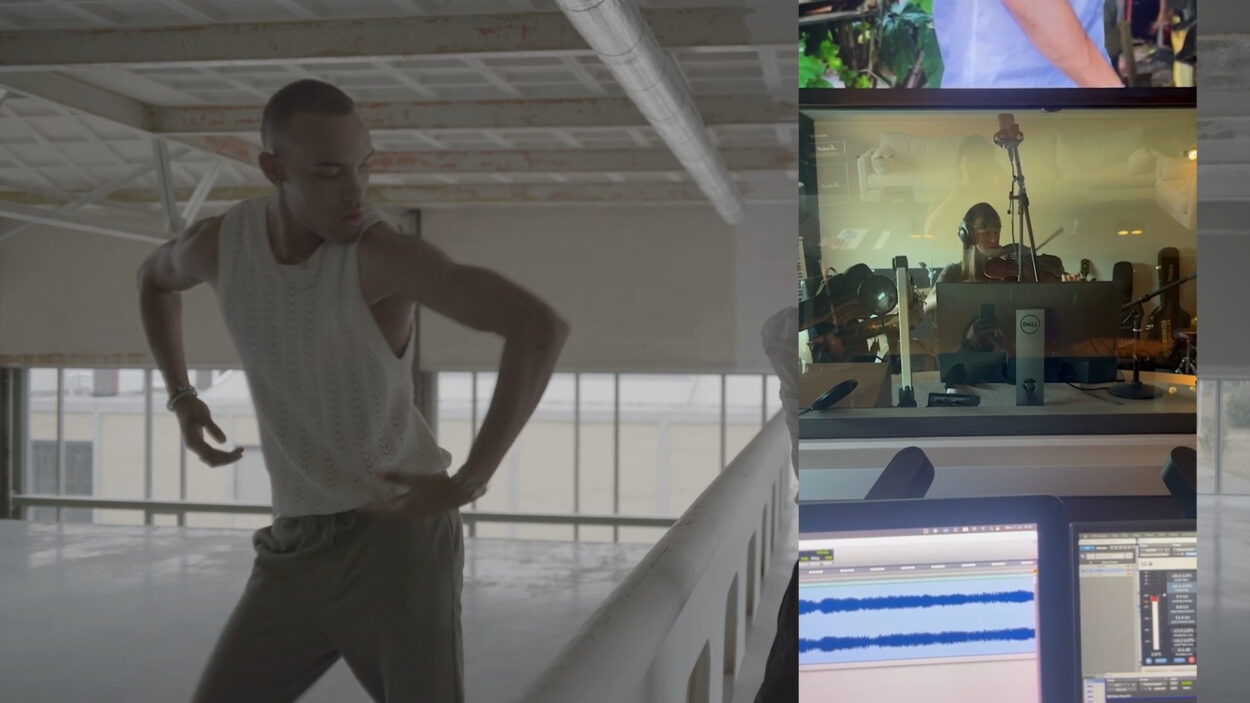
First time I saw modern dance was in a nightclub. (R.I.P. Trouw Amsterdam) It mesmerized me. I was projecting entire stories onto the dancers, constantly in flux. For this film, I wrote full dialogue with wants, needs, and subtext, screenwriting technique to layer in depth. But these lines were just the scaffolding for rehearsals, to discuss with the dancers and choreographer what characters really needed. Then we threw the words away! As a matter of fact there was some dialogue in the beginning at first but to set the short film up that way was confusing.
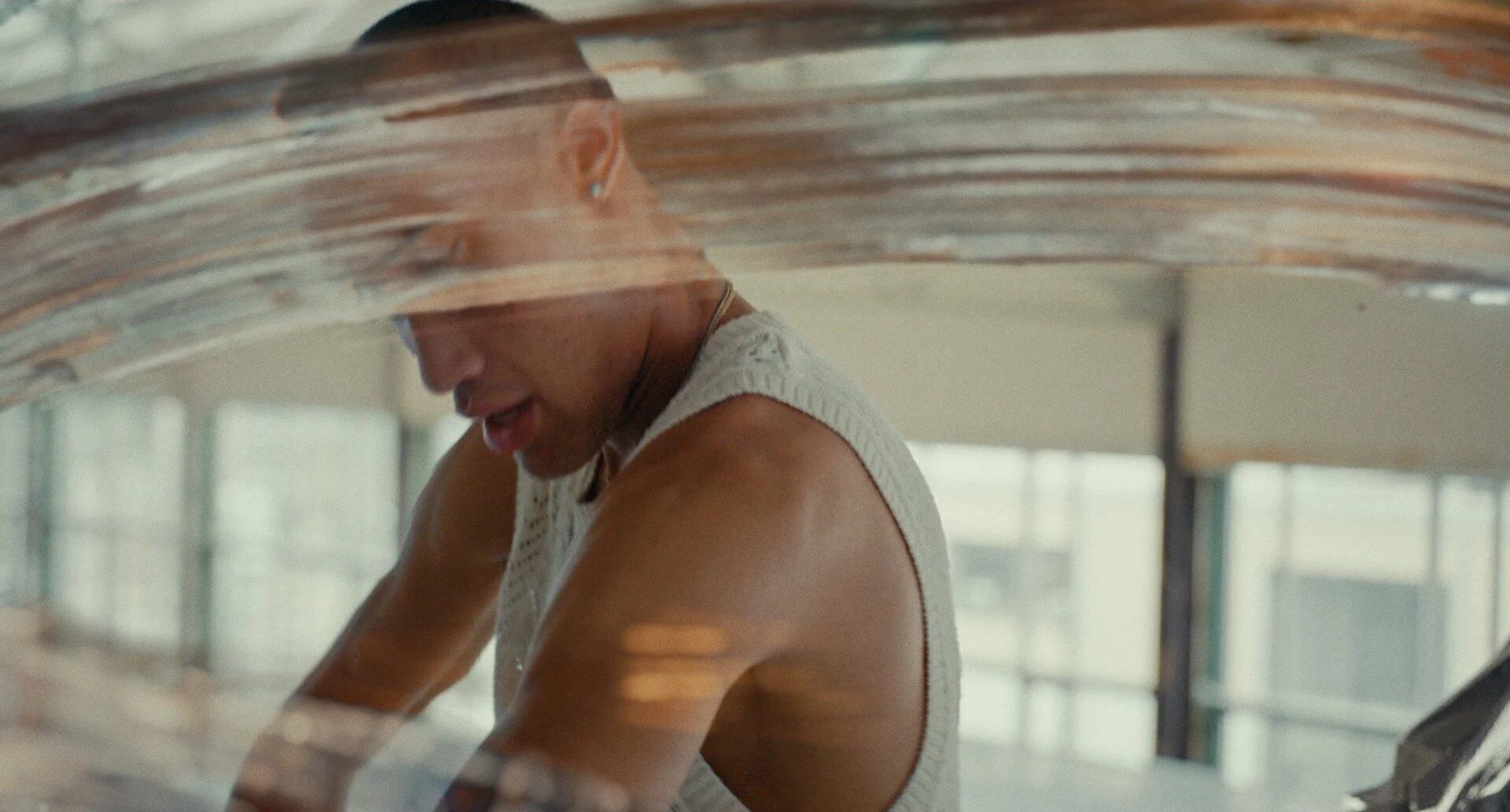
The collaboration with The Movers Amsterdam sounds pivotal. Can you talk about that one intensive day of translating script into movement — what surprised you most about what the dancers brought to the story?
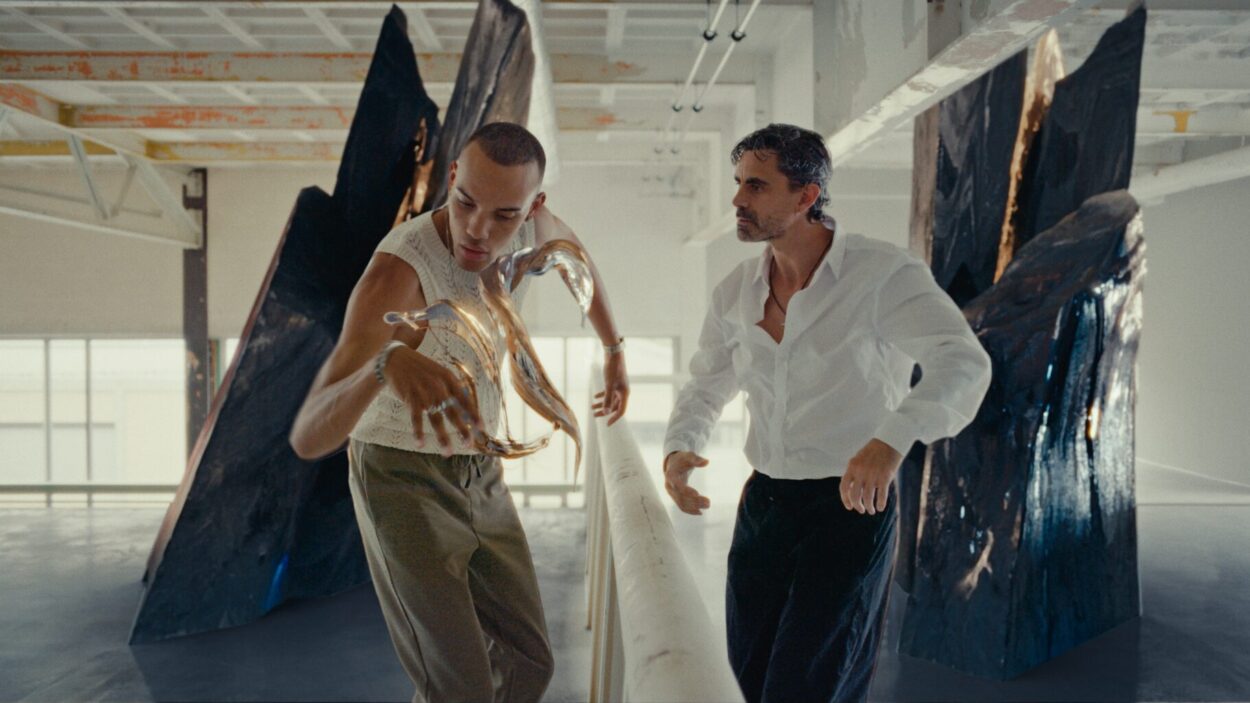
I had immediate rapport with Nicola Hepp, the owner of The Movers. Jorge Nozal brought decades of experience, and Masao Parris brought liquid improvisation over his master’s rigid choreography. That was exactly what I wanted for his character: learning from the mentor but doing it your own way. Lo Walther Boer did the choreo. What surprised me was how fast they could set the choreography once they understood the power dynamics constantly shifting: who’s on top in this scene, how does it reverse? They had a reason to move.
You experimented with 3D scanning, AI image manipulation, Unreal Engine… yet the film doesn’t feel like a tech demo. How do you decide when new tools serve the emotional core of the story rather than distract from it?
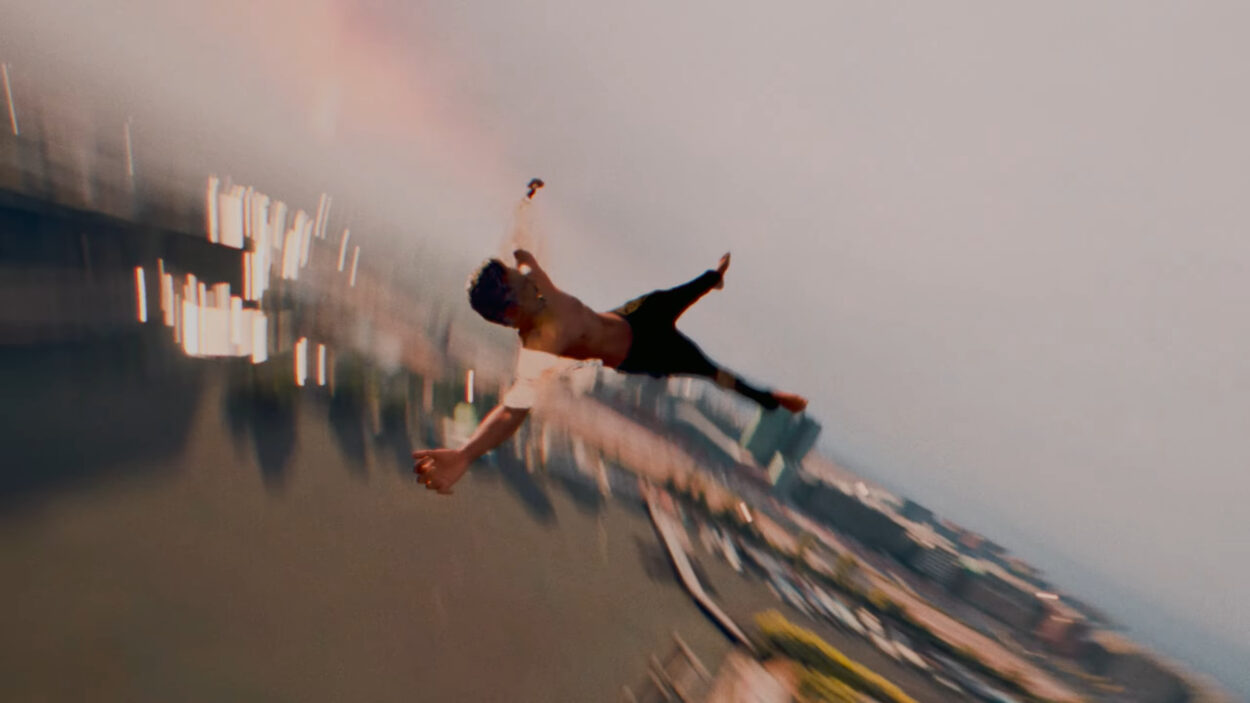
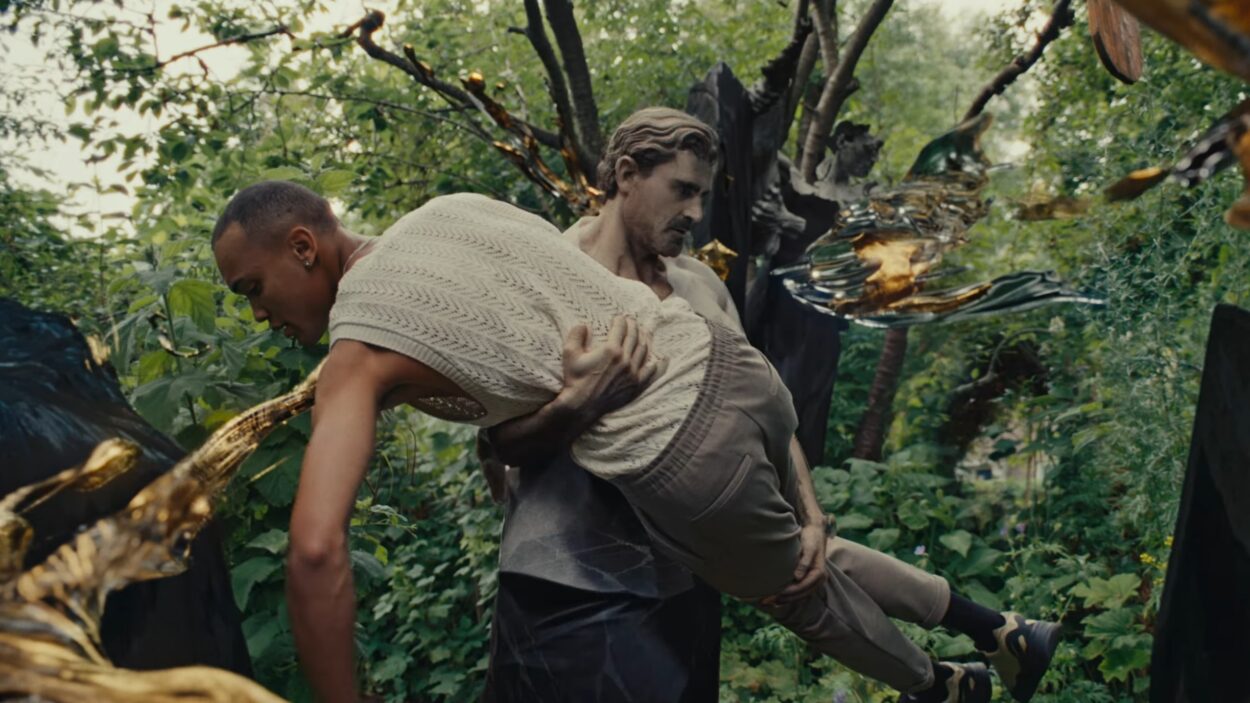
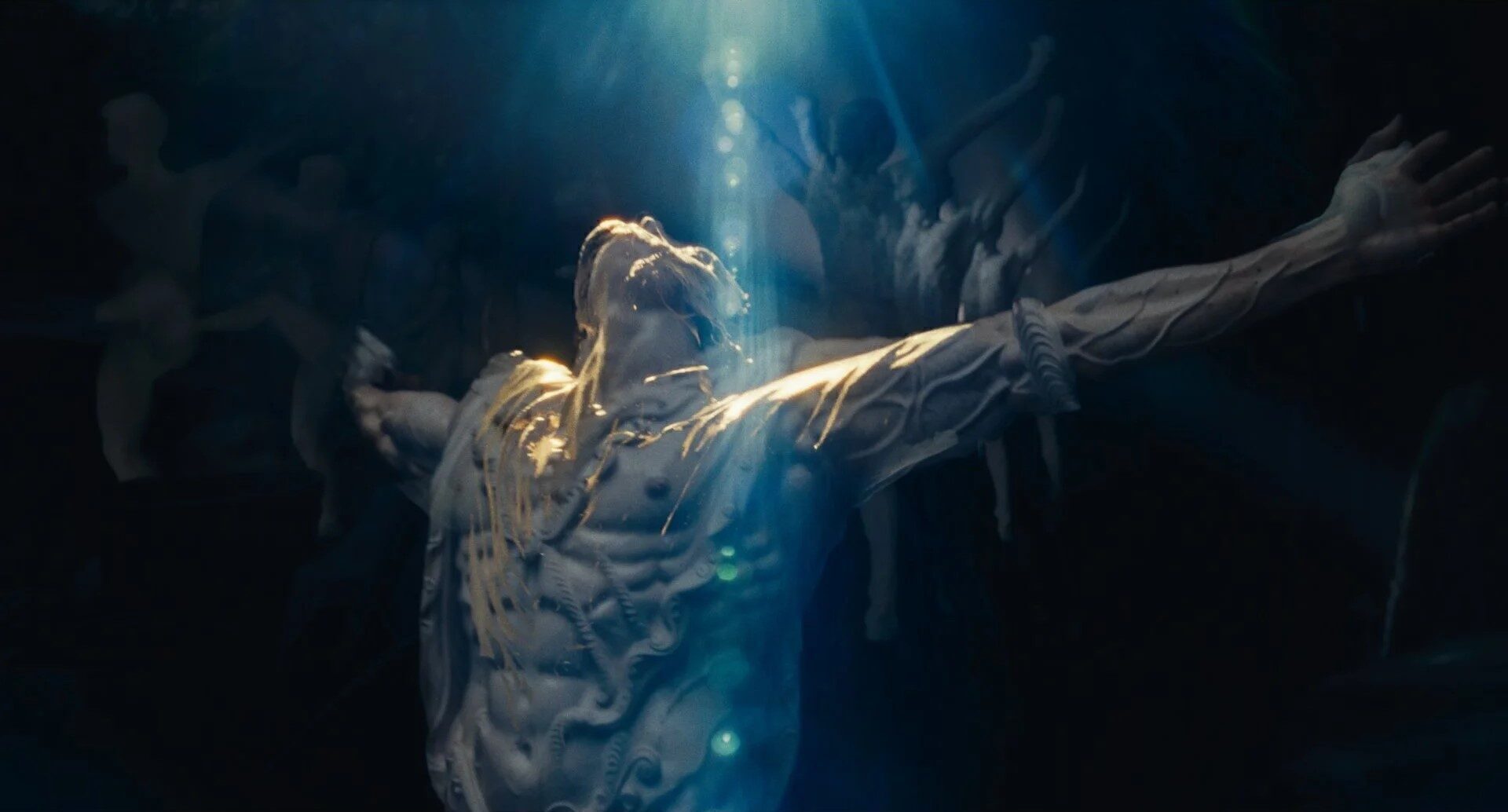
Themes of self-worth & success were my guide, always. I wanted a garden of statues as a cemetery of self-perception. 3D scanning was obvious for that. The tech had to feel dreamlike, not show-offy. And Unreal Engine was great for getting the flying-through-the-air shot! But I wasn’t after picture-perfect images, I wanted to see what I could get done when realizing everything I had in my head for this story. Most of these new tools I never touched. I only used them for very specific elements because I knew exactly what I needed from each one.
At one point I was watching ‘Frozen’ the Disney film with my 4 year old daughter and when seeing the ice rocks coming from the floor, I thought oh my god I’m making Frozen haha. So I searched for a rationale regarding materials, black rock vs glass/gold. I’d love to know if it distracts, honestly. Next time I’m involving my DOP Stef Kwinten more in post to police the details.
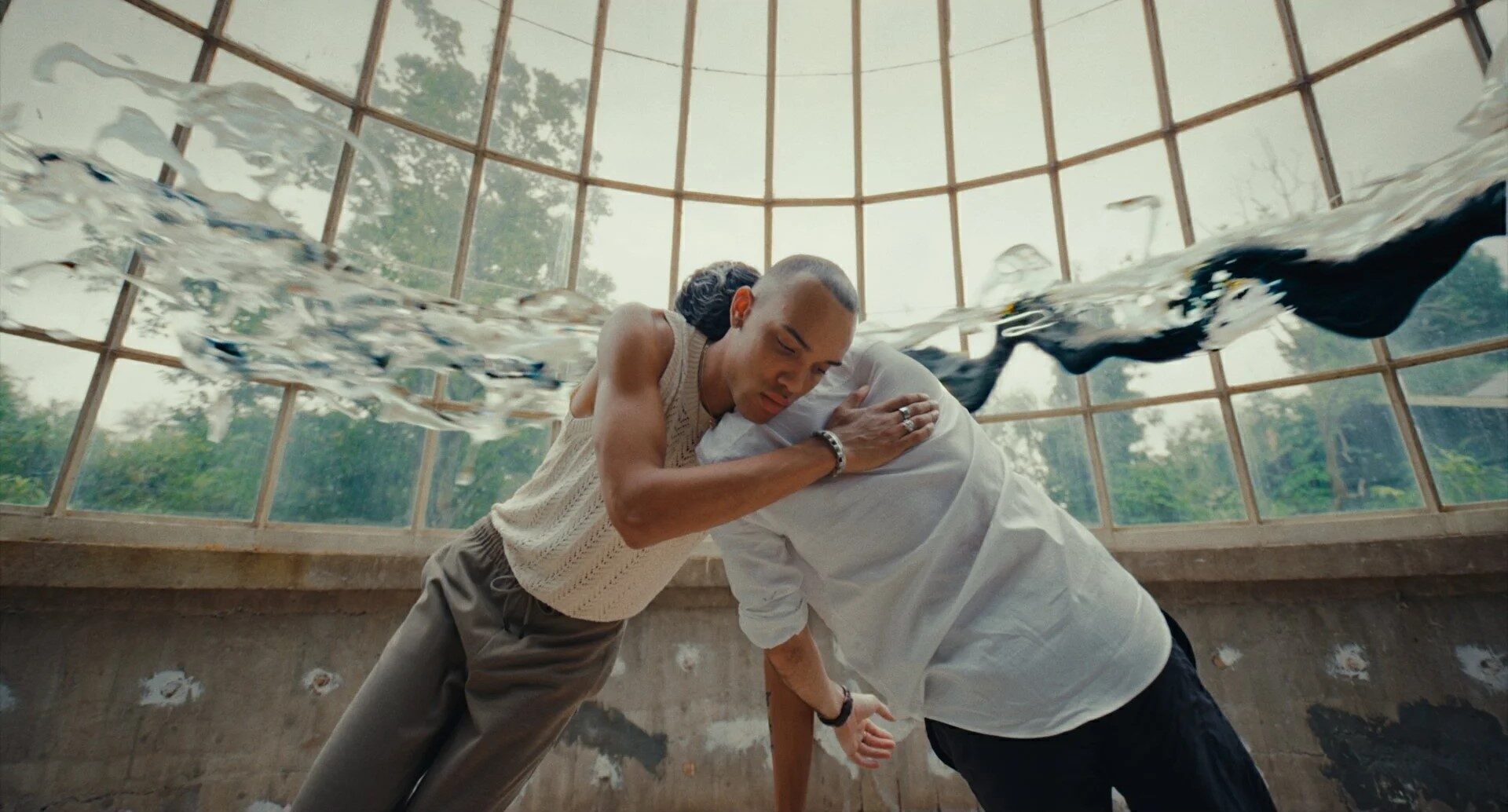
The post-production phase sounded intense. What were the biggest creative hurdles and how did you push through them?
Making this on 5k budget meant doing 92 VFX shots myself. Gareth Edwards’ mantra from Monsters: “one shot a day” That’s still months of free work. The biggest enemy was creative myopia, being both the ruthless editor cutting things out and the artist proposing new ideas to myself. Later in editing, some things get cut out to create better flow, but you can go insane that way. It can be a real blindness! Big thanks to Bandit and especially Hannah Padding for supporting this project.
Your work spans live visuals for Beyoncé’s Renaissance tour, brand collaborations, short films, and now this deeply personal project. How do you navigate between the cerebral and the visceral in such different contexts? And where do you feel most alive as a director?
Live action shoots with a team, that’s where I’m most alive. I treat the footage as just another layer in my comp, but I’ve learned that authentic human performance is irreplaceable. I love combining the two worlds. When I start overthinking the VFX I tend to add too much details, so then I will go back to the feeling of the initial idea. It’s important to capture that in the beginning when it comes to you. AI might actually bring us back to more naturalistic shoots. All those soulless greenscreen jobs could become real locations with post flexibility.
I wanted to make something with bold brushstrokes that would appeal to commercial reps too, echoing the work of directors like Megaforce or DIVISION (I’m a fanboy hah).
You often weave the personal with the technological. Do you see digital tools as extensions of your storytelling, or are they provocations that push you into new directions?
When I pirated Maya 3D as a kid, I thought I could do The Matrix. The tools are completely intertwined with how I think, no different than Rembrandt with his pigments or Daft Punk with their synths. I want the effects to disappear more and more. Think David Lynch or Jacob’s Ladder, those dream sequences only land because the storytelling gives you something to hold onto. Screenwriters, send me DMs please!
Your film is literally about mentors — but in your own journey, who showed you the real thing, and what were the qualities that showed you the toxic flip side?
Working with Parkwood for Beyoncé showed me how pressure can be pleasurable when you’re creating something that resonates instead of stroking egos. The real mentors, Bertram my writing teacher, Hugo my therapist, Marlyn, Ayla, Emmanuel Adjei, Frederik Heyman, Alberto Mielgo, Anthony Bourdain, they all combine vulnerability with strength. They show it’s okay to say no and follow intuition. The toxic ones need you to need them. That’s the difference.