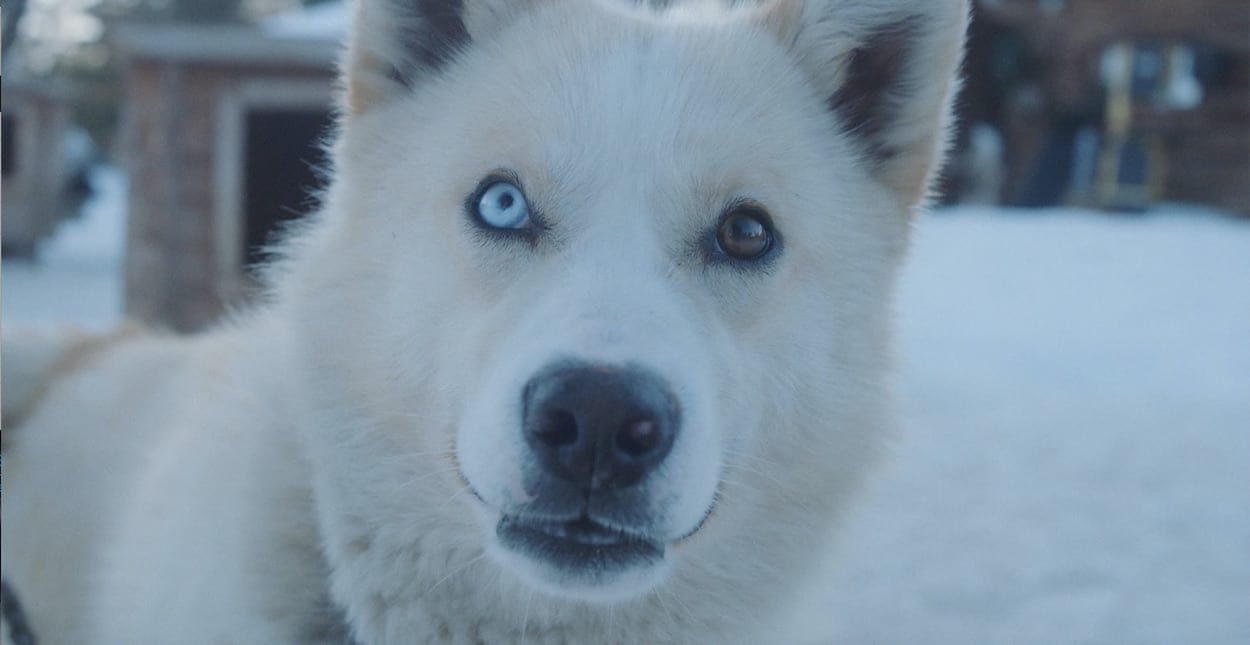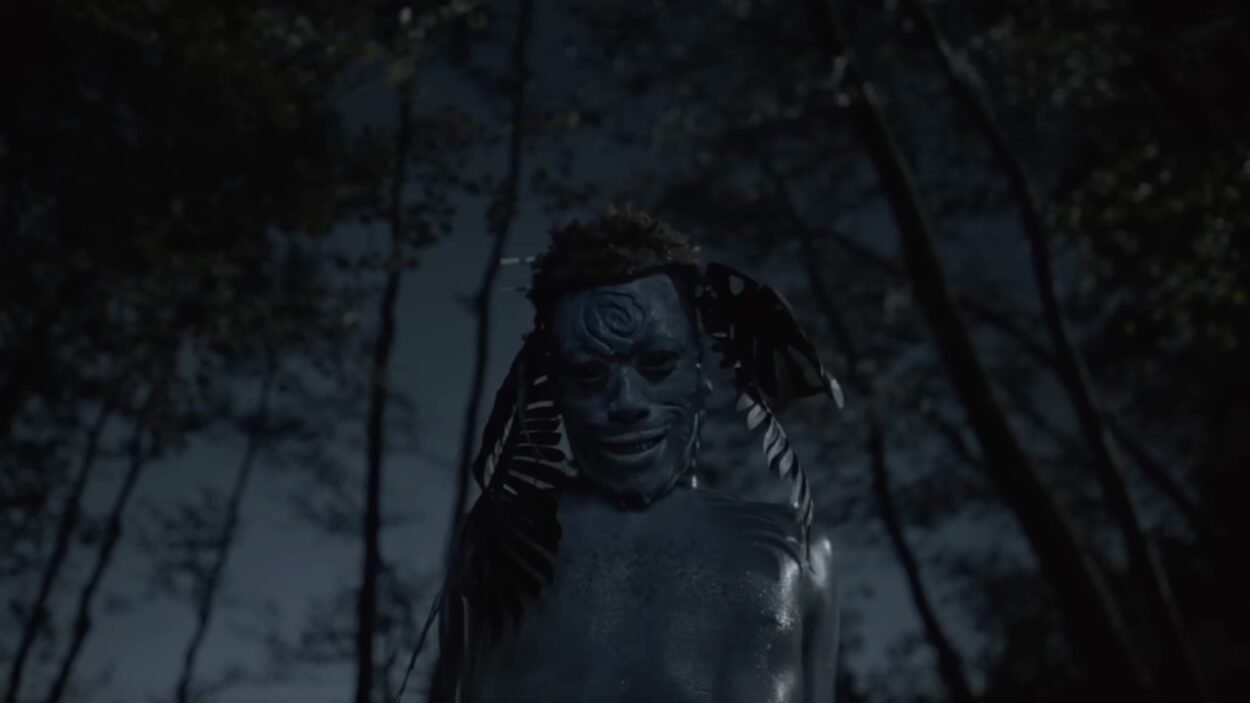
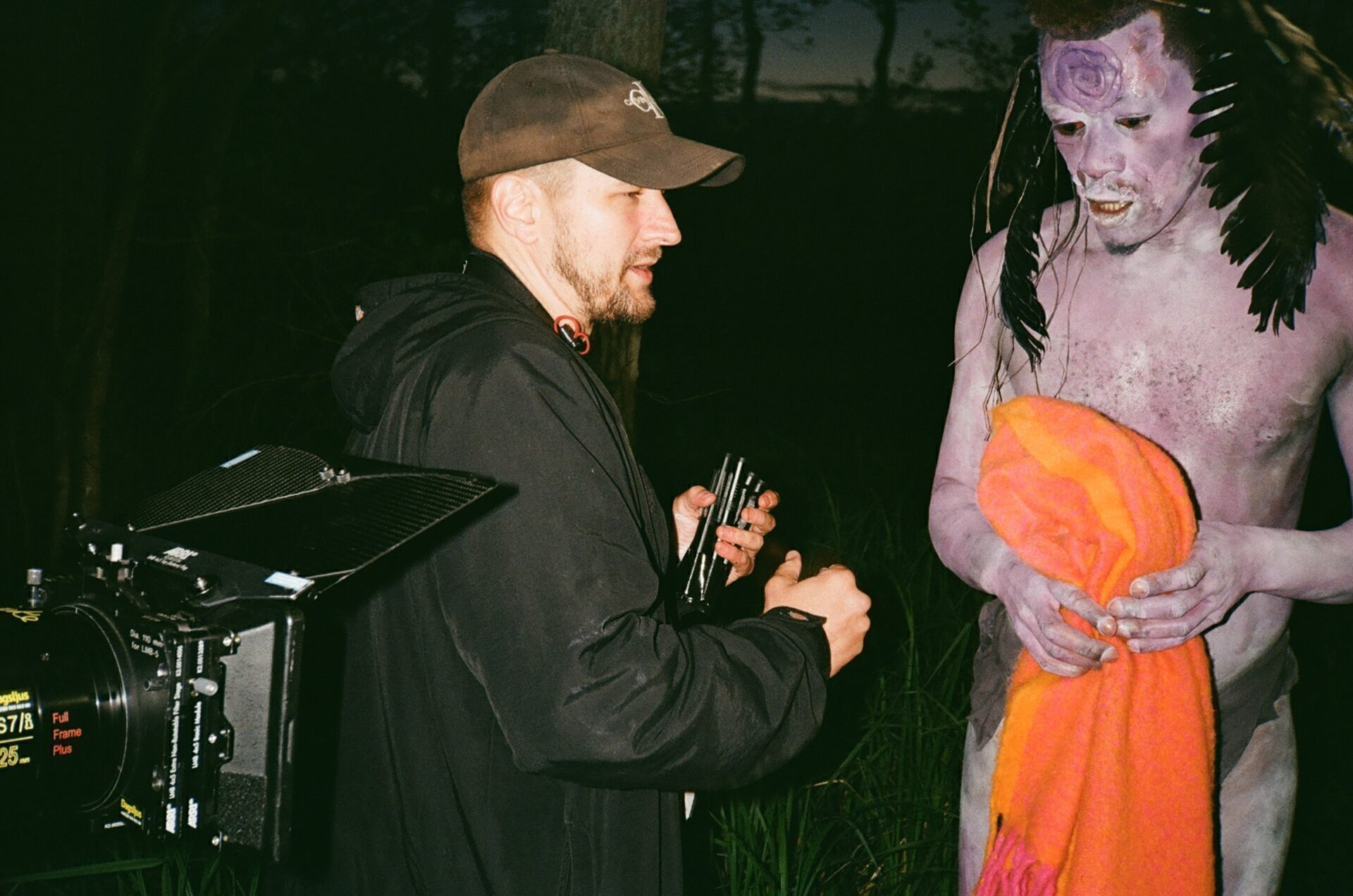
BTS stills: Axel and one of Boko Yout’s alter egos
What first attracted you to directing the track 9-2-5?
I was introduced to Boko Yout by my producer Fanny in a taxi. She just impulsively handed me her phone and said, “Here, listen to this.” Literally seconds later, I was like, sh*t, I really want to do a video. I hadn’t felt that rush of motivation sparked by music in a long time.
Just a few weeks later, the ball was rolling. In discussions there were two tracks from the upcoming album, and one of them was 9-2-5—but both were real bangers. I love the desperation and aggressiveness in Paul’s delivery, as well as his theatrical nature. And, as you picked up on in the video (which I’m glad you did), the acidic irony and humour I felt throughout the track.
The track took me back to my high school years, when everything for me was punk rock, emotions, and being loud. Anything reminding me of those days is still liberating and it makes me happy.
What were the initial conversations like between you and Boko Yout regarding the style of the video?
I felt quite convinced early on about the tone and look of the video so I put together a moodboard and was glad Paul felt it was a fit for Boko Yout’s universe. Part of the moodboard was actually a watchlist of feature films, which I think is a nice way to start a collaboration—just sharing what inspires you. From there we jumped straight into the writing phase. Some key inspirations for the 9-2-5 video ended up being Carl Jung’s The Red Book, On the Silver Globe by Żuławski, and a bunch of early Alan Clarke films.
Paul is a multidisciplinary artist and also a director, and it’s hard to say how much that influenced the way we collaborated. But what’s beautiful is that we never really talked about roles or workflow arrangements—our partnership in making the video just evolved very naturally.
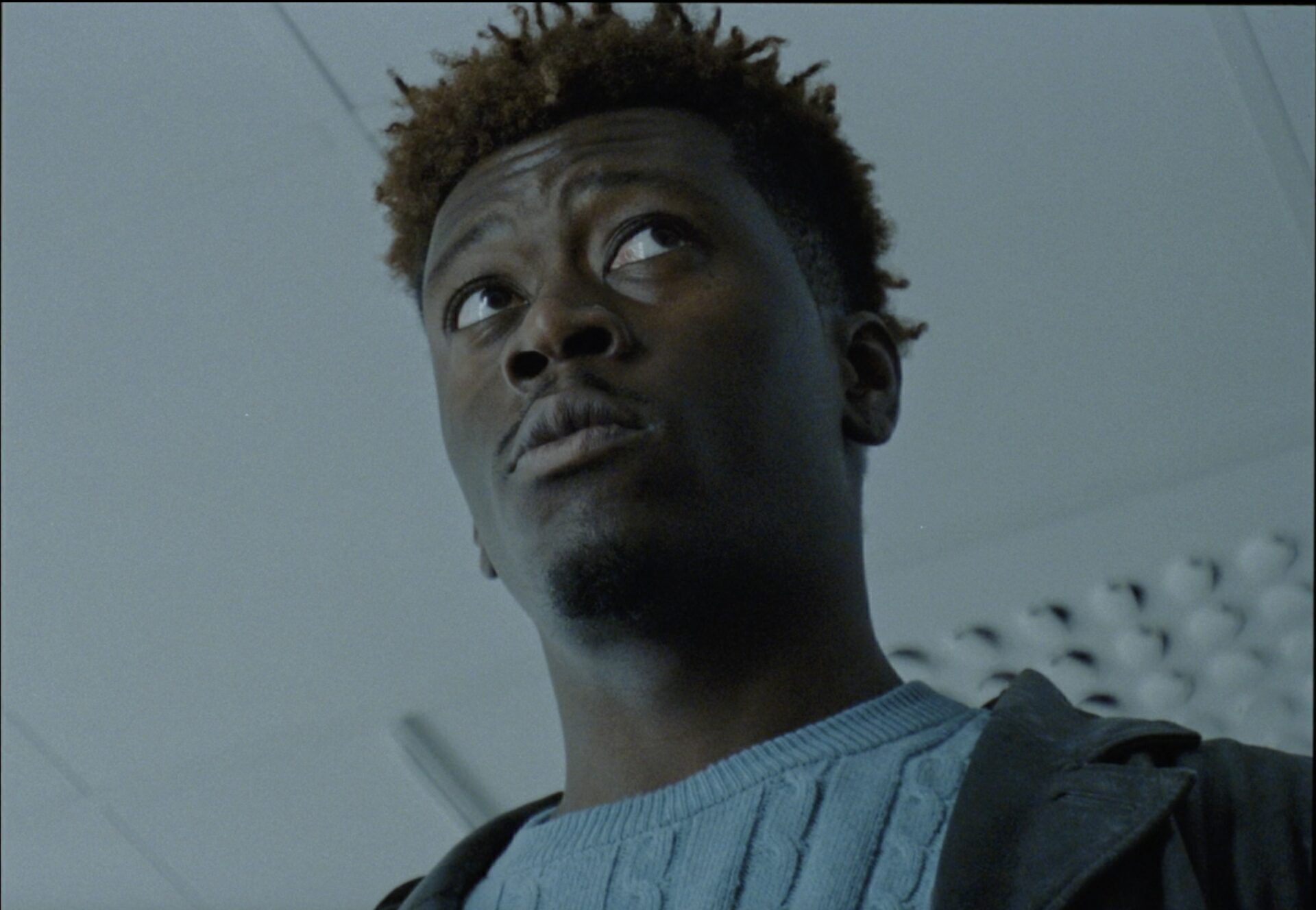
Tell us about your creative process for writing the narrative – were there several ideas discarded in favour of the finished film script?
There weren’t several ideas discarded, no. My initial idea for the narrative already contained many of the elements that are still in the video. It was always a very “fishy” story, let’s say. Some rewrites were made to align the video more closely with the greater narrative of the album, while I was still getting to know the main characters, Mordecai and Dr. Gusto, better. We added some scenes and settings from an outline that Paul had put together earlier on. Other rewrites were just practical problem-solving stuff—the boring, rational part of pre-production.
I usually start off with really oversized ideas. It’s not that I plan it that way, but I do think aiming high is a winning approach for me, whatever it is. On the downside, that makes parts of the process quite painful. I’m telling myself it should be painful.

What were the challenges of making 9-2-5?
Many—but an insanely tight budget is the most obvious one. The lack of hours in a day. The lack of common sense in having written a bunch of night exteriors for a video planned to shoot during the week of the Swedish solstice.
Quite a number of shots and scenes were scheduled but never made it to the camera sensor due to delays, so I had to do a few last-minute rearrangements of the story and imaginary mosaic puzzles on set. That was challenging—but that kind of rapid problem-solving is also very exciting and really puts you to the test.
That said, I think the biggest challenge for me was dealing with internal pressure and a sometimes mean inner voice with really high demands. Passion projects can be a real trigger for that internal bully.

In contrast to the high energy film for Boko Yout is your melodic and mysterious film for Alen fashion brand. (See our earlier post here). Is the process of writing and creating these completely different?
Not at all, actually. I recall both being pretty similar. In both cases, the writing process was initially very much about just putting the train of thought onto paper and then dissecting it the next day, sort of. And lots of imaginary editing.
Do you write the narratives for the commercial work you direct – how involved do you get with the creative?
I try to get as involved as I can, yes. I think writing and script editing are strong facets of mine. The act of writing—even if it’s just editing a text or refining a creative’s draft—is where the film comes alive for me, and it’s where I find the motivation for the whole project.
That said, I know I actually miss out on some jobs now and then because of major rewrites in my treatments. It’s tricky to know when that’s a good strategy or not, but mostly, I just can’t help myself.
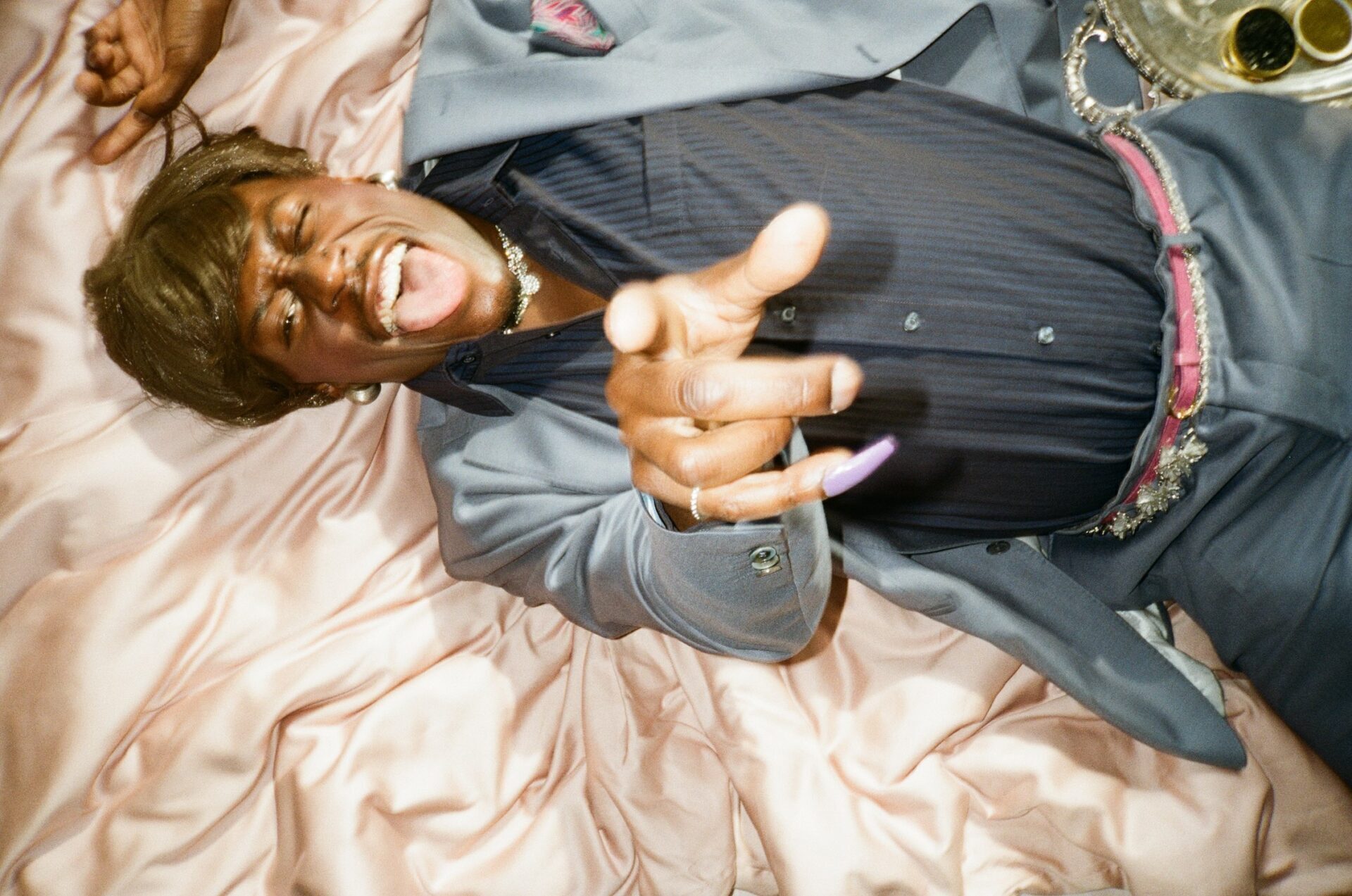
BTS: On the sofa with Dr Gusto
Where’s your happy place for creating a) for writing b) for pre-production?
I don’t have a happy place per se, but right now many ideas are born while I’m walking in circles down in the yard, smoking cigarettes and taking notes on my phone. Writing takes place on my laptop while lying on my stomach in bed—in a cliché teenage-girl-on-the-phone position—or on the couch, flat on my back like a passed-out otter. My pre-production temple is on the move; I don’t want to be still, and I hate offices—all of them.